INDEPENDENT AUTOMOTIVE NEWSGLOBAL PERSPECTIVE / AUSTRALIAN EDITION
TDCNTHE DAILY
CAR NEWS.

The road ahead.
Every day.

RSS ↗
Latest/Electric

544 original articles

Electric / TDCN ORIGINAL

Tesla owners can now start Ionna charging sessions without a card or app tap

A one-time setup in the Presto Charging app links a car's VIN to automatic billing, and the first Autocharge session at Ionna is free.

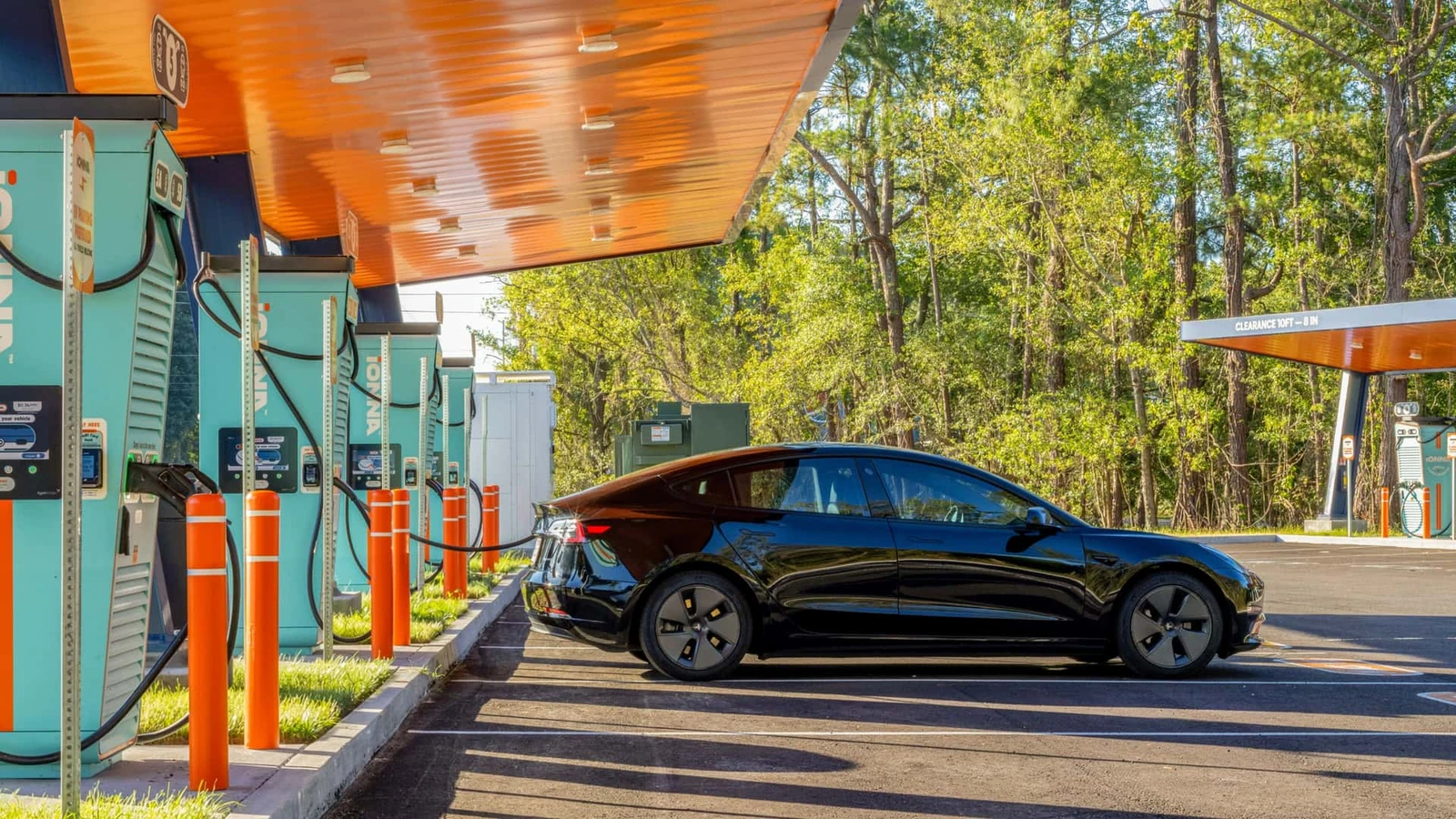
Tesla drivers can now plug into an Ionna Rechargery and have the session start and the payment clear without touching a card, a screen or a phone at the stall. The capability comes through Autocharge, a function of the third-party Presto Charging app, which Ionna uses because its own network does not have a dedicated app.

Getting it working takes a single in-app setup rather than a subscription or hardware change. Drivers create a Presto Charging account, scan the car's VIN for validation, and manually run one charging session; while that first session is live, an "Enable Autocharge" prompt appears and must be confirmed. After that learning session, plugging in at an Ionna location starts the charge and bills the stored payment method for the energy delivered.

A small network with a strong satisfaction record

Ionna remains far smaller than Tesla's own Supercharger network, but it has been building quickly. The company opened its 200th station last month and now has more than 1,600 ports across the country, double the count of seven months earlier, with at least 80 new locations under construction and more planned.

Quality has held up as the footprint grew. Ionna ranked first in J.D. Power's latest driver satisfaction survey, and its chargers have a reputation for working, charging fast and sitting near clean amenities.

For Tesla owners, the practical effect is that a rival network now works almost like home equipment: arrive, plug in, walk away, get billed. The catch is that the convenience depends on a Presto account and a one-time setup that has to be done correctly, and the session records live with Presto rather than Ionna. Drivers who charge at Ionna regularly will find the setup worth the few minutes; those who stop once on a road trip can simply tap a card terminal and skip it.
Open this article ↗
Electric / TDCN ORIGINAL

Ayvens and Fellten launch containerised EV chargers for company fleets

The Charge Qube units pair charging hardware with up to 1MWh of battery storage and can be installed in two hours where a three-phase supply exists.

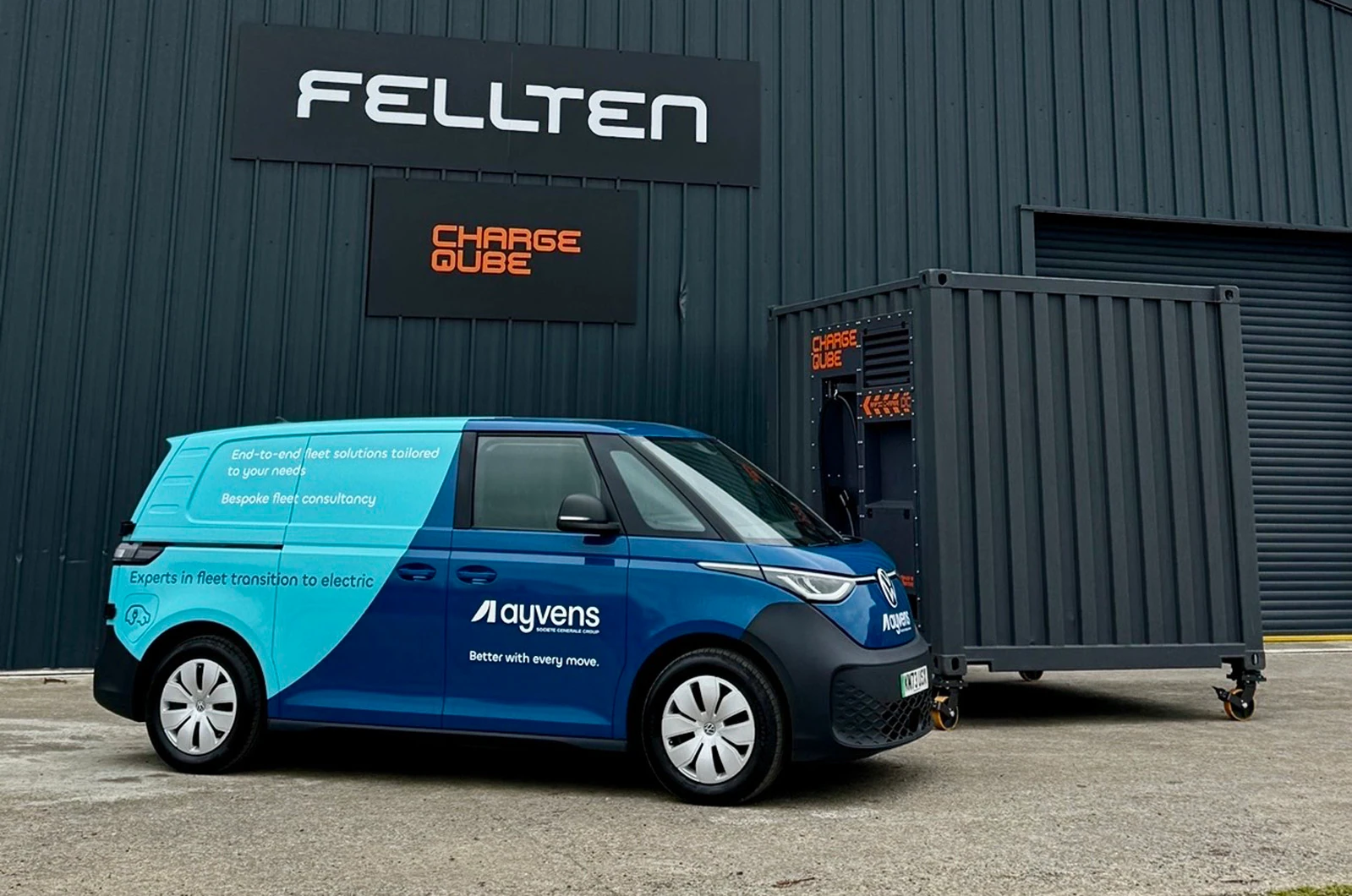
Fleet company Ayvens and electric vehicle technology firm Fellten have partnered to supply containerised EV chargers to company car fleets, aiming to sidestep long grid upgrade queues and cut drivers' reliance on public charging networks.

The units, called Charge Qubes, combine AC or DC charging with a battery pack holding up to 1MWh of storage in a single container. Ayvens and Fellten say they will work with customers to identify pinch points in charging demand, using fleet telematics data where available, and deploy the Qubes where a site lacks the power to meet that demand.

How the Charge Qube units work

Fellten's Charge Qubes need no groundwork and plug into a three-phase supply, which means they can be deployed within two hours if a connection is already available, and relocated if needed, though they are also designed as a permanent solution.

Ayvens's head of customer data and innovation, Russ Boulton, said the Qubes let fleets draw far lower peak power than a DC charger, so they can buy energy when it is cheapest and greenest and dispense it when drivers need it, savings that could be passed on to company car drivers.

Fellten sales and marketing director Simon Tate said the biggest challenge for fleets is not the vehicles themselves but the infrastructure needed to keep them moving, and that the Qube challenges the idea that businesses must wait for expensive grid upgrades before electrifying.

Why fleets are looking past the grid

Data centres, EV charging and industry have put pressure on grid installation upgrades, and a recent government release claimed demand rose 460% in the first half of 2025, with projects now taking up to 15 years to complete.

For EV fleets, that leaves drivers relying on public charging that can be 13 times more expensive than the cheapest home energy rates.

Boulton said the need is growing as fleets increasingly restrict company car choice lists to plug-in hybrid and electric cars, and face pushback from drivers who have to rely on public networks.

He described the resulting gap within fleets, where some drivers pay around 1.7 pence per mile while others pay 30 or 40 pence per mile and do not feel the benefit, adding that fair, well-priced workplace charging is a real help with the transition.

The pitch is aimed squarely at the cost gap between drivers who can plug in at home and those who cannot. Charging that follows the driver rather than the depot is the practical answer for fleets that have already committed to electrification but cannot get the power they need.

What has not been announced

Neither company has confirmed pricing for the Charge Qubes, how many units are being built, or which customers will receive the first installations. Ayvens and Fellten have also not said which markets the partnership will cover initially.

Open this article ↗

Keep scrolling to read the next story.

Older articles →