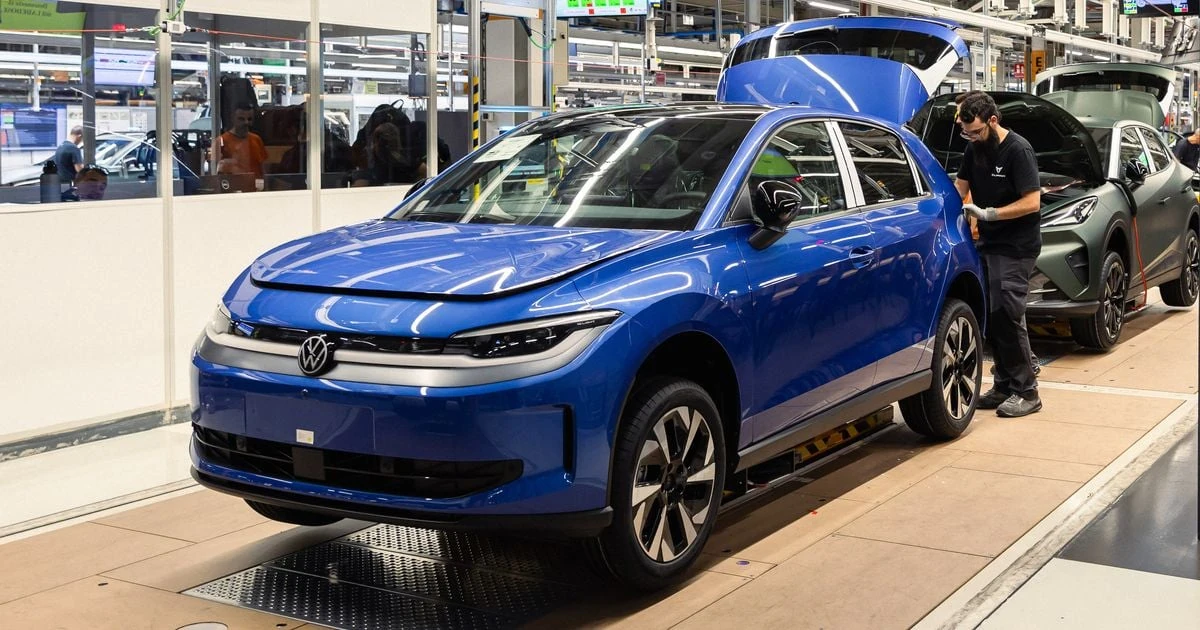
Volkswagen's ID. Polo is facing delivery waits of up to 21 months in Europe, according to a report from German publication EDISON, as demand for the group's new small electric car family outruns production at the Martorell plant in Spain. Official communications quote seven to nine months, but insiders cited by the publication say the real figure runs past a year depending on which variant a buyer orders.
The bottleneck follows a surge in orders. At the Paris motor show last month, the Volkswagen Group said it had taken close to 150,000 orders across its Electric Urban Car Family, which spans the Cupra Raval, Volkswagen ID. Polo, ID. Cross and Skoda Epiq. Cupra says the Raval alone accounts for 50,000 orders since it went on sale in April, while EDISON reports the ID. Polo's order bank has nearly doubled from the 30,000 reported in mid-September.
Cheaper trims bear the brunt
The longest waits fall on the least expensive cars. According to EDISON, the plant will prioritise higher-grade variants because they carry better margins, with an unnamed Volkswagen manager telling the publication that more affordable versions "just clog up the line". The entry-level ID. Polo Trend grades have reportedly been pushed to the very bottom of the production schedule, stretching delivery to as much as 21 months, while the ID. Polo GTI is said to be around seven months.
That gap matters more than a single waiting time suggests. Buyers chasing the cheapest ID. Polo are the ones most exposed to the delay, and in Germany the timing is not neutral: the country's electric car subsidy of up to €6000 (about A$9800) is only guaranteed if the vehicle is registered in 2027. With almost all of the ID. Polo's allocated 2027 production reported as sold out, some German customers risk losing the incentive that made the car's entry price work for them.
Volkswagen is not presenting the situation as a forecasting triumph. "We clearly planned too conservatively," an unnamed company representative told EDISON.
A plant split down the middle
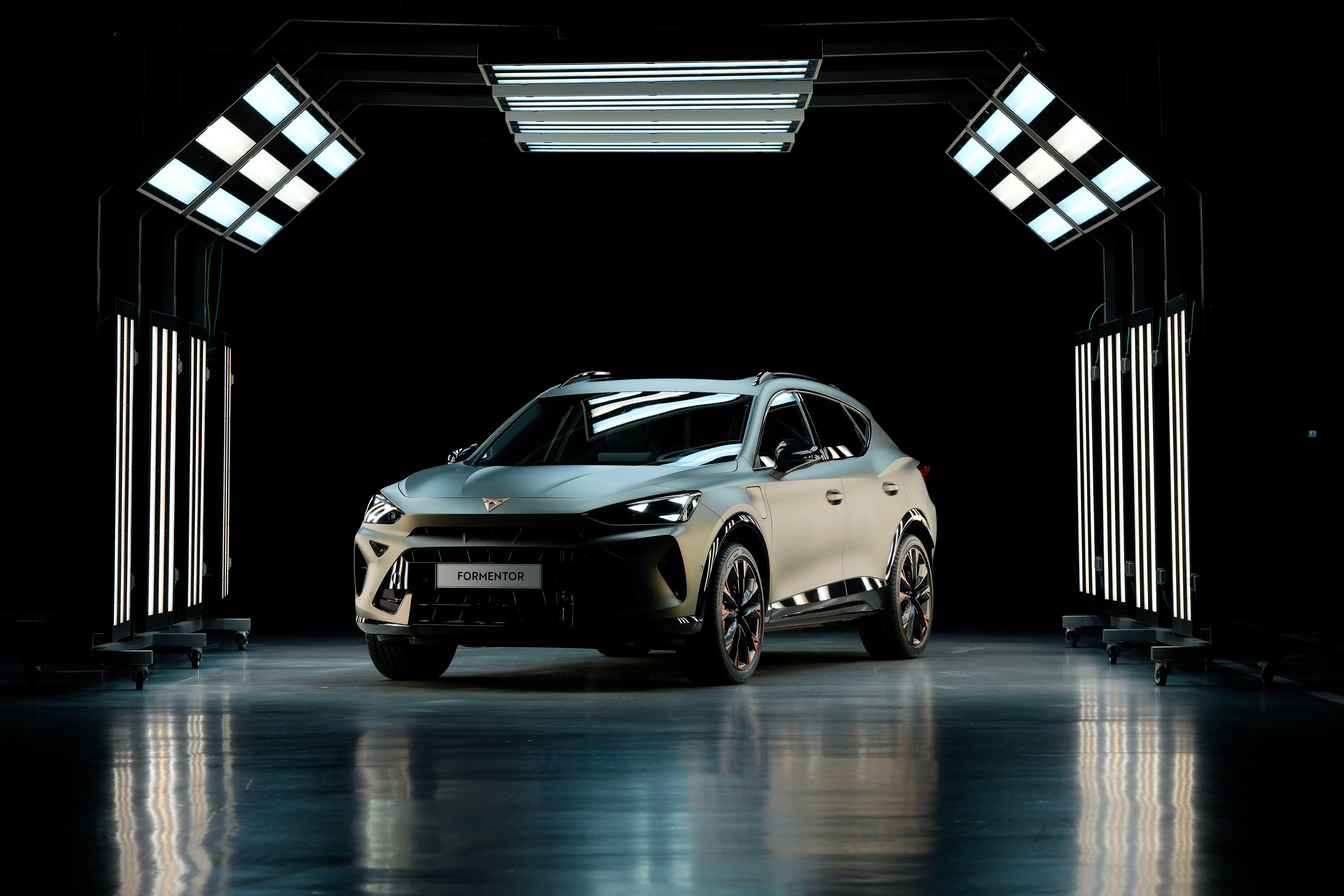
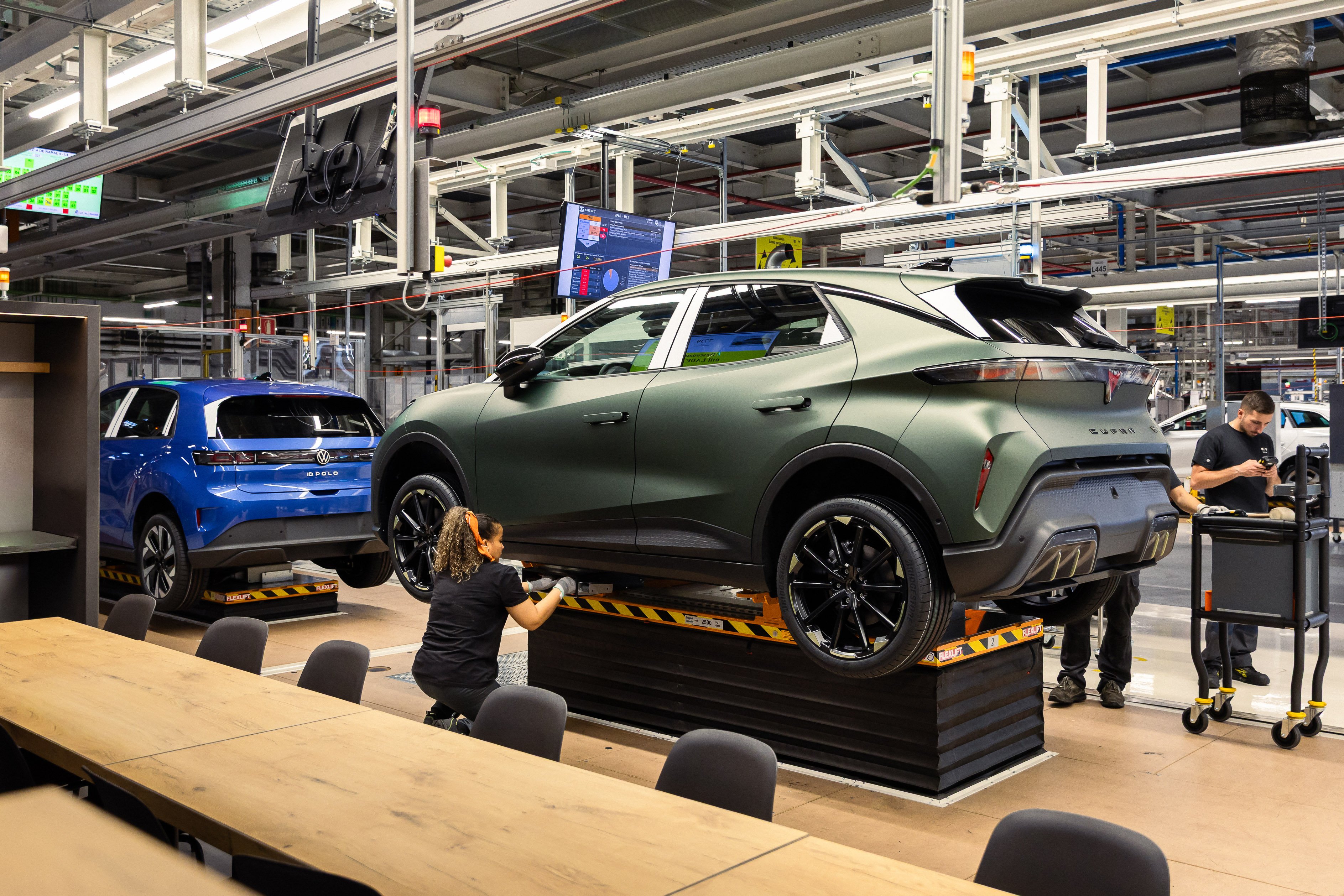
Martorell currently has capacity for 600,000 units a year, with roughly half reserved for electric vehicles and the rest given over to the Cupra Leon and Formentor and the SEAT-badged Leon, Arona and Ibiza. EDISON reports that the 50:50 split may have to shift next year in favour of EVs, at the expense of the combustion and hybrid lines, to bring delivery times down.
Cupra, for its part, is quoting a maximum of "only" 25 weeks for the Raval. The contrast with the ID. Polo's reported waits is a reminder that these are sibling models built under the same roof, and that the queue a buyer joins depends on the badge on the nose and the trim level underneath it.
What it means for Australia
It is not yet clear whether the European backlog will delay the potential Australian introduction of the Cupra Raval and Volkswagen ID. Polo. Pricing for the ID. Polo has not been announced for Australia, and the sources here give no Australian figure; the €6000 subsidy and the euro amounts quoted apply to the German market.
The order numbers explain why the queue exists at all. A small electric car family that collects close to 150,000 orders in a matter of months has found demand well beyond what Martorell was set up to build, and the fix being weighed is a rebalancing of the plant rather than extra capacity. For now, the practical advice for European buyers is blunt: the version you can afford may be the one you wait longest for.