INDEPENDENT AUTOMOTIVE NEWSGLOBAL PERSPECTIVE / AUSTRALIAN EDITION
TDCNTHE DAILY
CAR NEWS.

The road ahead.
Every day.

RSS ↗
Latest/Electric

621 original articles

Electric / TDCN ORIGINAL

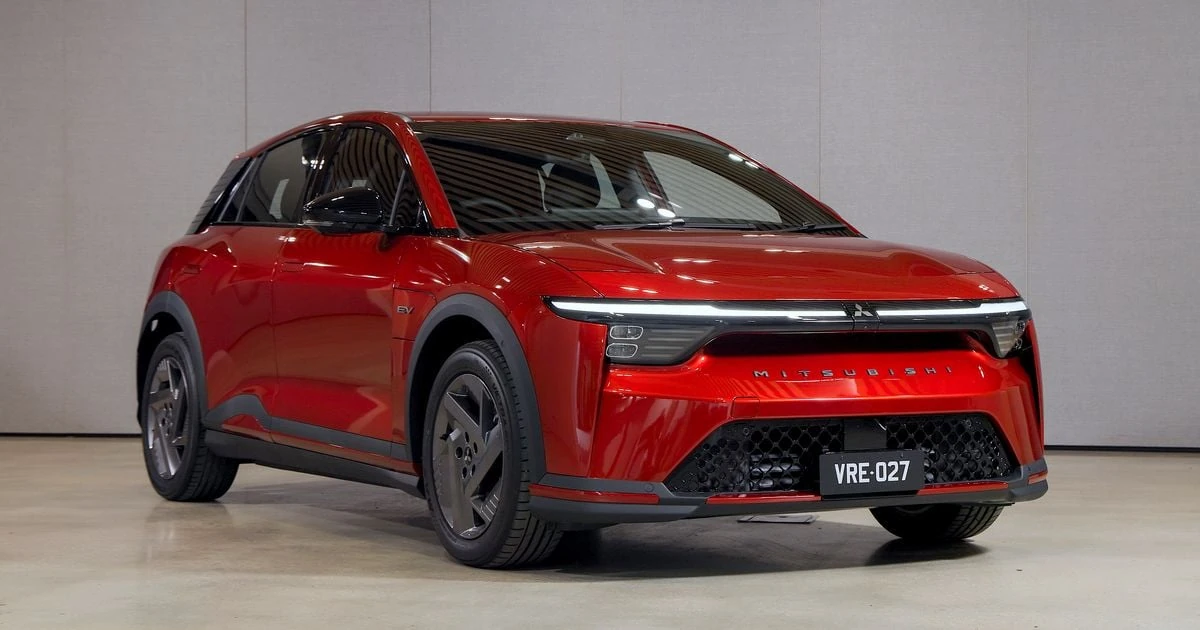
Mitsubishi ASX VR-e priced from $45,990 drive-away, arriving late 2026

Mitsubishi's new electric small SUV is unrelated to the petrol ASX and tops out at $68,990 drive-away for the 342kW GSR.

Mitsubishi Motors Australia has announced pricing for the ASX VR-e, a small electric SUV due in showrooms before the end of 2026, with launch drive-away pricing starting at $45,990 for the single-motor rear-wheel drive LS. The range climbs to $68,990 drive-away for the dual-motor all-wheel drive GSR, which lists at $64,990 before on-road costs.

The ASX VR-e shares its name with Mitsubishi's existing petrol small SUV but nothing else: it is based on the Taiwanese-made Foxtron Bria and is a separate model line. Mitsubishi detailed the lineup early in October before confirming prices.

Single and dual-motor powertrains

LS, Aspire and Exceed variants use a single electric motor producing 171kW and 345Nm, driving the rear wheels, with a claimed 0-100km/h time of 6.8 seconds. The GSR adds a second motor for all-wheel drive, lifting outputs to 342kW and 700Nm and cutting the claimed 0-100km/h sprint to 3.9 seconds.

Every ASX VR-e uses a 57.7kWh lithium iron phosphate battery sourced from CATL, built on a 108-cell prismatic high-voltage architecture operating at approximately 350V, with the motors running at 400V. Mitsubishi lists five stages of regenerative braking and a dedicated one-pedal drive mode, and all variants offer vehicle-to-load capability through an external outlet for powering small appliances. Eco, comfort and sport drive modes are fitted across the range, along with light, standard and heavy steering modes; only the GSR allows front-to-rear power delivery to be adjusted from 50/50 to 30/70.

Range varies sharply by grade

Mitsubishi quotes a claimed 403km for the LS, 398km for the Aspire, 380km for the Exceed and 328km for the GSR. The pattern follows the hardware: the single-motor grades go further, and the 342kW all-wheel drive GSR gives up the most. The sources do not state which test cycle those range figures are measured on, so the cycle has not been confirmed.

Charging details are only partly published. The maximum AC charge rate is listed at 6.6kW for both the single-motor and dual-motor versions. A maximum DC charge rate has not been announced in the material available, and Mitsubishi has not yet detailed the equipment fitted to each grade beyond the drivetrain and chassis items described.

Australian chassis tuning

Mitsubishi says the ASX VR-e underwent ride and handling development in Australia, Taiwan and Japan, with revised damper tuning and larger rear bump stop bushings to improve comfort. The power steering was retuned for better on-centre feel, straight-line stability and reduced vibration.

That work is aimed at the roads the car will actually be driven on, and it is the kind of change a buyer cannot read off a spec sheet. The ASX VR-e's success against the Atto 3 Evo, EX5 and EV3 will depend on how that tuning and the launch pricing hold up once the car reaches showrooms before the end of 2026.
Open this article ↗
New cars / TDCN ORIGINAL

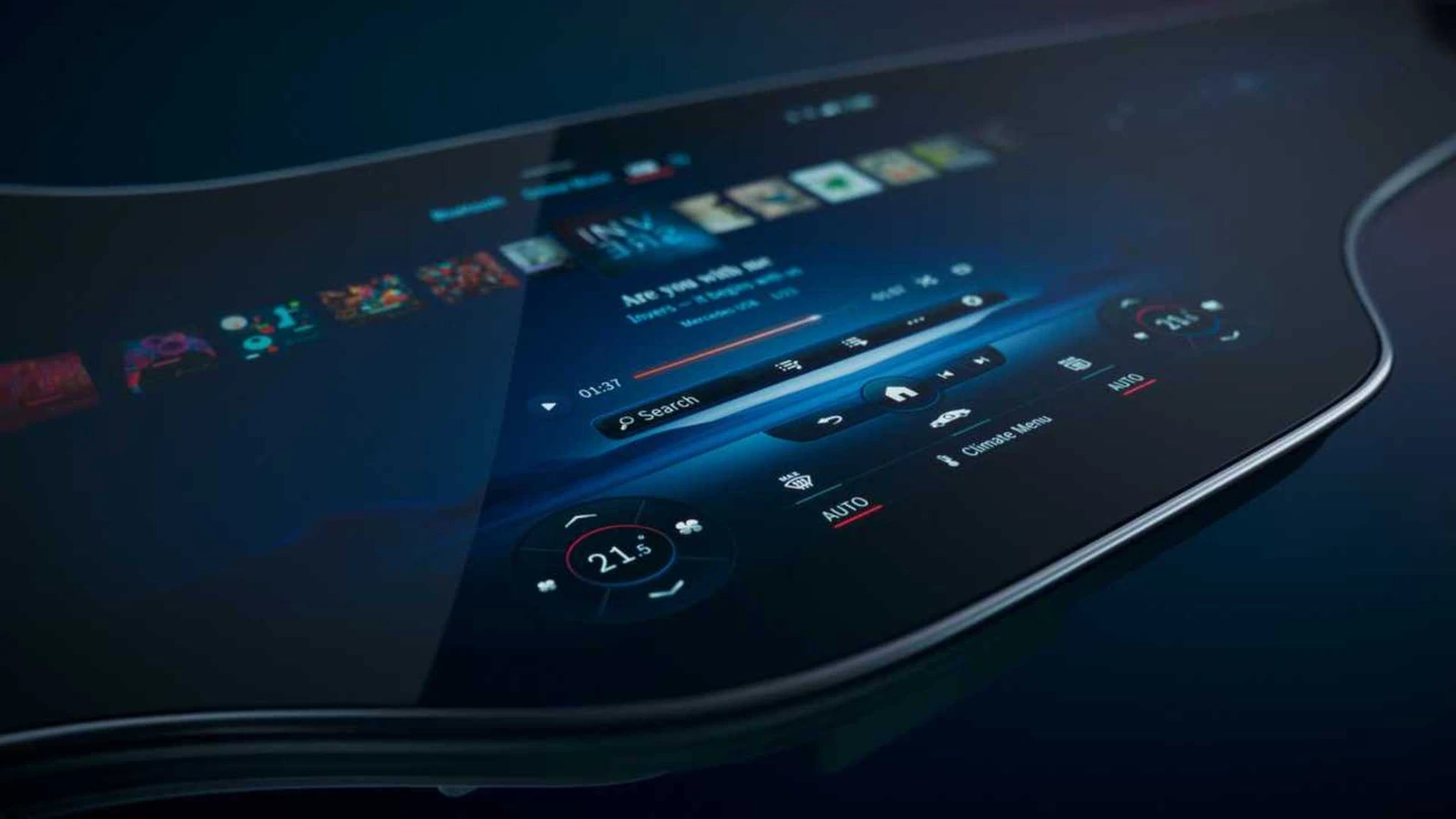
Mercedes is putting physical buttons back into its cars, CEO Ola Källenius says

The company's boss concedes the screen-heavy interiors went too far, but says digital controls will stay in some form.

Image: Motor1

Mercedes-Benz is reintroducing physical buttons and switches in its cars after its CEO, Ola Källenius, acknowledged the brand leaned too heavily on touchscreens. Källenius made the admission during a Q&A on Reddit, where he said replacing physical controls with screen functions did not automatically produce a better interior.

The reversal is already visible in recently launched or updated models, and Mercedes says more are coming. Screens are not being dropped, though: Källenius framed the change as a rebalancing rather than a return to the past.

What Källenius said about the screen-first era

Källenius attributed the shift toward touch interfaces to the industry's wider push into digital technology, which gave carmakers flexibility to add features and update the in-car experience over time. "We basically just moved on with the times," he said, noting that cars becoming more digital played a part in Mercedes adding more functions to its models.

He also conceded that physical controls have advantages screens cannot always match, and said he personally prefers some of them: "I do love a good rocker and roller on a steering wheel myself". The admission matters because Mercedes was among the first carmakers to commit to screen-heavy dashboards, so its change of direction signals where the wider industry may be heading.

Which Mercedes models have more buttons

Källenius named several recently introduced or updated models that place more emphasis on physical controls: the GLS, GLE, S-Class, GLC EV and GLB EV. Those are the concrete examples Mercedes has put on the record so far.

The company is also restoring physical controls in other upcoming models, but Källenius did not specify which ones, so the full list has not been announced. That leaves the next round of Mercedes launches as the place to watch for how far the rethink goes.

Screens are staying, just not for everything

Mercedes is not abandoning digital interfaces. Källenius said simply turning back the clock is not the right approach, and that new ways of interacting with a car must keep being created. In his view, moving toward digital controls felt right and, for the most part, still feels like the right thing to do in developing modern cars.

The practical effect is a split interior: large displays remain, but frequently used functions are candidates for dedicated hardware again. Drivers have pushed back against the loss of buttons for climate controls, audio adjustments and other everyday functions, criticism that has hit several carmakers, not just Mercedes.

The smarter read for buyers is that the debate is no longer screens versus buttons. Mercedes is conceding that some functions belong on a physical switch, which is a more useful outcome for drivers than a wholesale retreat from either approach.

Why the about-face carries weight

Digital dashboards and larger displays are not going anywhere, but Mercedes' change of direction suggests carmakers are starting to recognise that not every function needs to live on a touchscreen. For a brand that helped normalise the screen-dominated cabin, that is a notable correction.

For shoppers, the near-term question is which models benefit. The named GLS, GLE, S-Class, GLC EV and GLB EV show the direction, while the unspecified upcoming models mean the picture will only be complete once Mercedes details them.

Open this article ↗

Keep scrolling to read the next story.

Older articles →