INDEPENDENT AUTOMOTIVE NEWSGLOBAL PERSPECTIVE / AUSTRALIAN EDITION
TDCNTHE DAILY
CAR NEWS.

The road ahead.
Every day.

RSS ↗
Latest/Australia

621 original articles

Australia / TDCN ORIGINAL

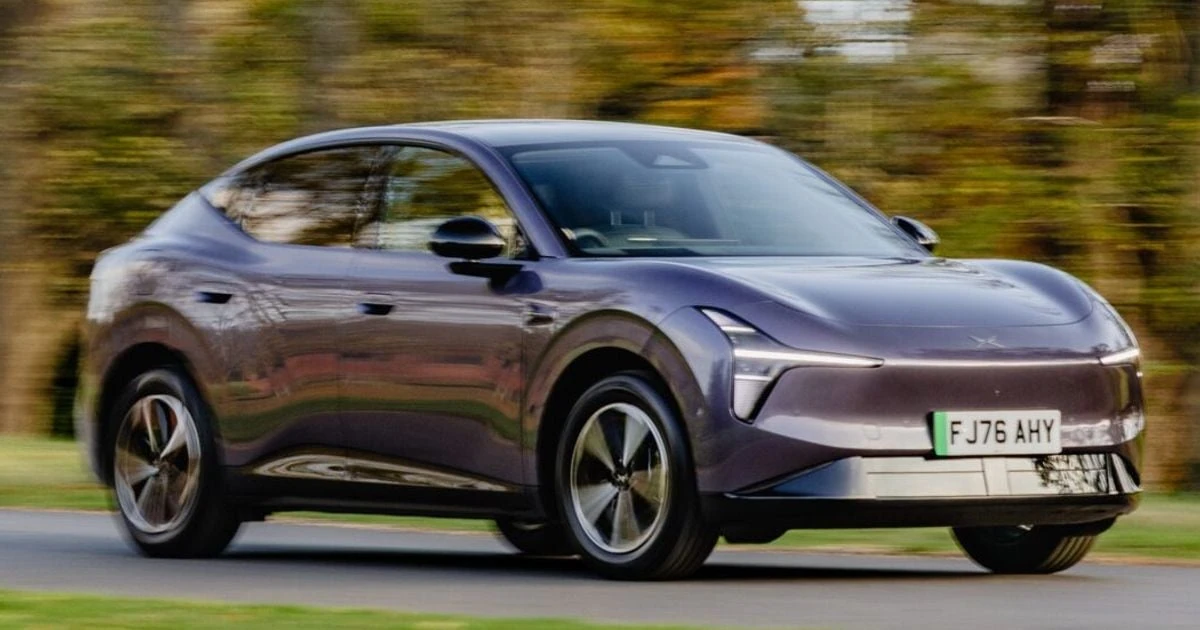
Xpeng adds petrol-assisted L03 PowerX EREV to Australian range at $41,900

The extended-range L03 PowerX matches the electric Standard Range on price but trades battery size and electric range for a 1.5-litre petrol generator and a claimed 1,017km combined range.

Xpeng will offer a petrol-assisted extended-range electric vehicle in Australia from December, with the L03 PowerX Long Range priced at $41,900 before on-road costs, the same figure as the battery-electric L03 RWD Standard Range. The PowerX will launch alongside all three battery-electric L03 variants.

How the PowerX works

The PowerX is a series plug-in hybrid, a layout Xpeng calls an extended-range electric vehicle. A 1.5-litre naturally aspirated four-cylinder petrol engine generates electricity, while a separate 178kW/280Nm electric motor drives the rear wheels, with no mechanical connection between the engine and the wheels.

Xpeng Europe product marketing manager Giovanni Grimaldi told a London workshop attended by CarExpert that the setup preserves the electric driving feel: "So here you still have the feeling that you are driving electric". The battery can also be charged from an external power supply.

Xpeng says customer research identified concerns about both range and where to recharge as reasons buyers hold back from electric cars. Grimaldi said: "The next one is that they are not fully ready to switch to EV because maybe they don't know where to recharge the car". The PowerX is pitched as the answer: battery power for everyday trips, with an onboard petrol generator for when more energy is needed.
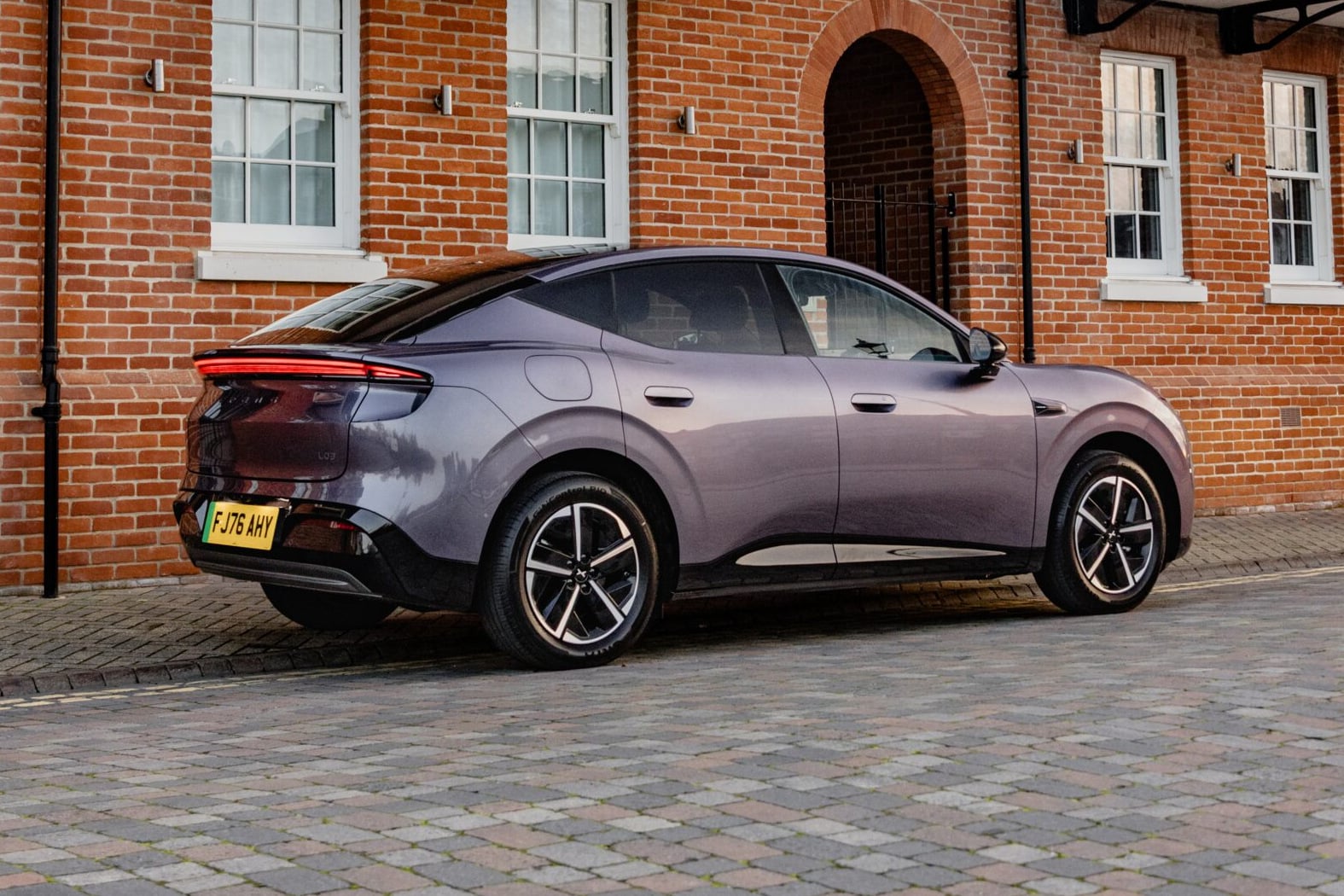
Rear styling and charging port placement hint at the dual-energy setup of the PowerX EREV.
Rear styling and charging port placement hint at the dual-energy setup of the PowerX EREV., Image: CarExpert

Battery, range and charging figures

Xpeng's Australian specification lists a 37.2kWh gross lithium iron phosphate battery and a claimed 215km of electric-only range on the WLTP test cycle. With the 42-litre petrol tank also in use, claimed combined range rises to 1,017km.

The range extender still supports DC fast charging, with Xpeng quoting a 10 to 80 per cent recharge in 20 minutes, the same claimed time as the electric L03. Maximum AC charging is 6.6kW and maximum DC charging is 123kW.

Xpeng has not published a fuel consumption figure for the PowerX in the Australian specification cited here, so its petrol sipping claim is not yet on the table.
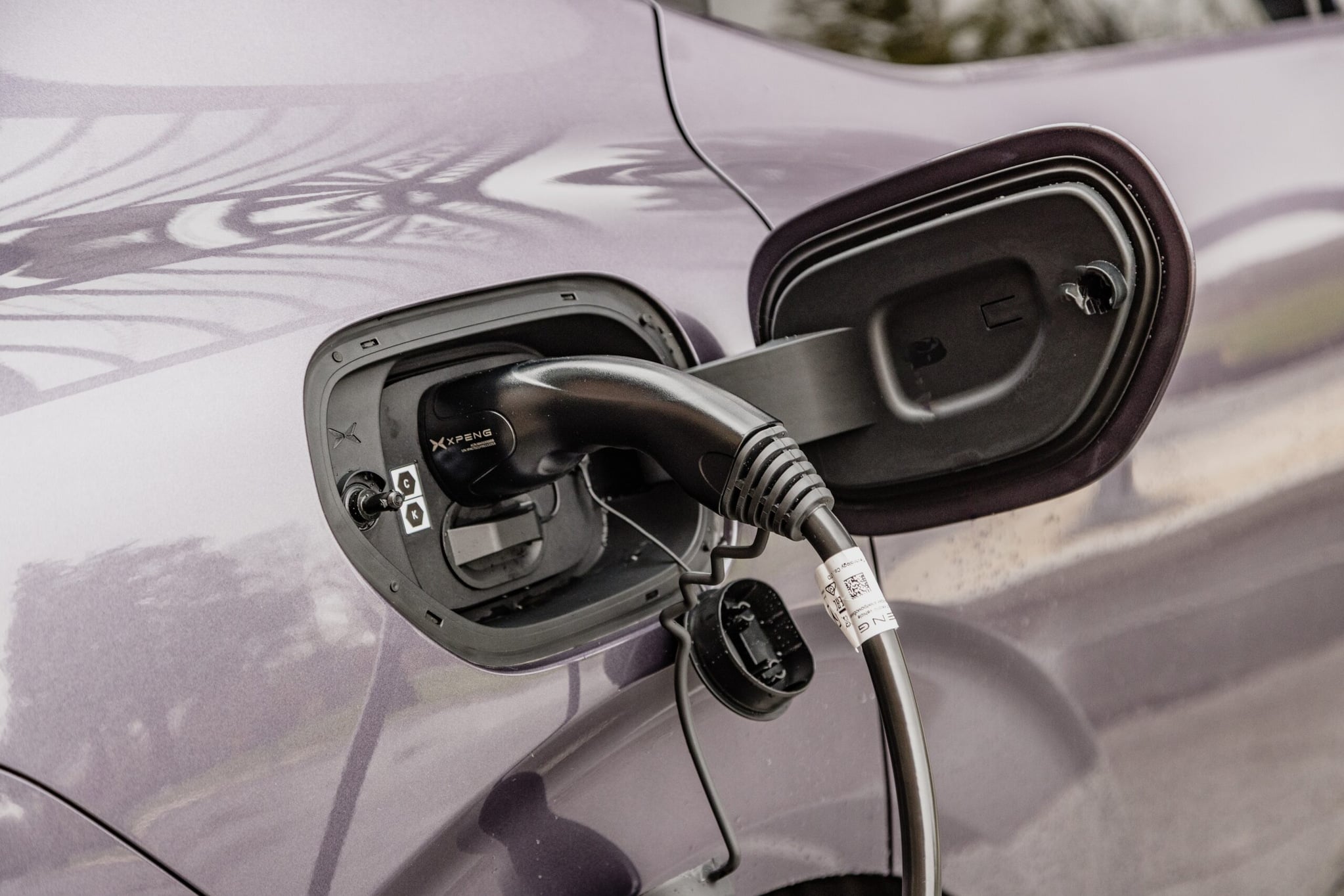
Plugging in remains the primary way to top up the L03 PowerX's battery.
Plugging in remains the primary way to top up the L03 PowerX's battery., Image: CarExpert

How it compares with the electric L03

The two $41,900 variants take different routes to the same price. The electric L03 RWD Standard Range has a 58.3kWh gross battery and a claimed 445km of WLTP electric range, with a 163kW/280Nm motor and a claimed 0-100km/h time of 7.5 seconds. It supports up to 11kW AC and 193kW DC charging.

The PowerX's smaller 37.2kWh battery and 215km electric range are offset by the petrol generator, and its 178kW motor gives it a slightly quicker claimed 0-100km/h time of 6.8 seconds.

That gives buyers two quite different options at the same starting price: the Standard Range offers more electric-only range, while the PowerX adds the ability to refuel with petrol. For drivers who regularly travel beyond the reach of charging infrastructure, the PowerX's smaller battery is a deliberate trade for the reassurance of a bowser. For urban buyers with home charging, the Standard Range's longer electric range and faster charging look the stronger proposition at the same money.
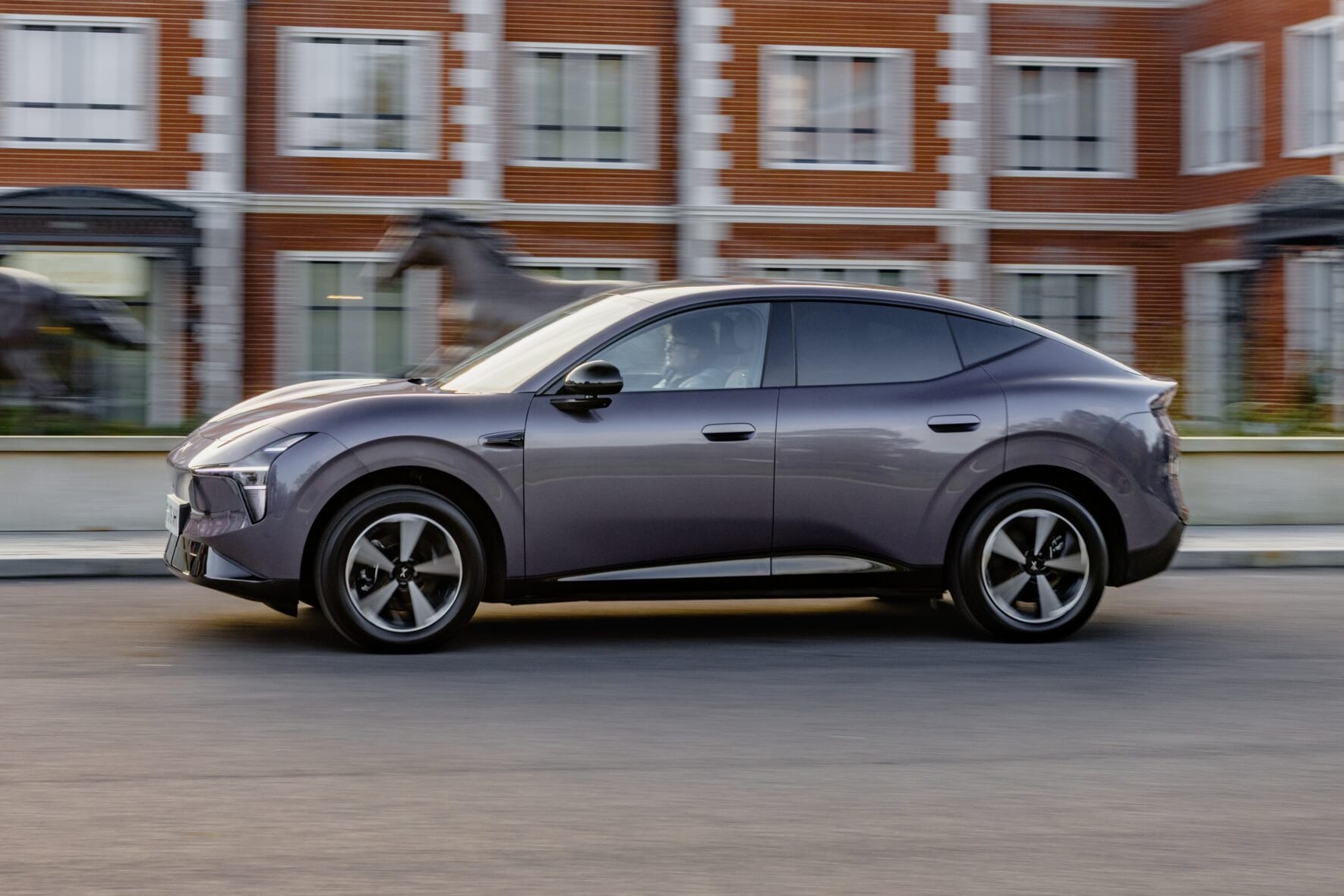
The L03 PowerX EREV brings petrol-assisted range to Xpeng's Australian lineup at $41,900.
The L03 PowerX EREV brings petrol-assisted range to Xpeng's Australian lineup at $41,900., Image: CarExpert
Open this article ↗
Safety / TDCN ORIGINAL

NHTSA opens investigation into Honda start-stop failures across 1.03 million vehicles

The defect inquiry covers 2024 to 2026 Honda Passport, Odyssey, Pilot and Ridgeline models plus the Acura MDX after 701 complaints of engines not restarting.

The National Highway Traffic Safety Administration has opened a defect investigation into the automatic engine start-stop system used on more than a million Hondas and Acuras, after owners reported engines failing to restart once the system shut them down at a stop. The inquiry, announced on Friday, November 13, covers 1,033,632 vehicles from the 2024 through 2026 model years.

The affected models are the Honda Passport, Odyssey, Pilot and Ridgeline, along with the Acura MDX. NHTSA's Office of Defects Investigation has received 701 complaints about the system, which is designed to cut the engine when a vehicle comes to a complete stop and restart it when the driver releases the brake pedal.

What owners reported

The complaints allege that the engines are failing to restart once they have been shut off by the start-stop system, according to NHTSA documents. The agency says there have been no injuries linked to the problem.

The system exists to improve fuel economy by limiting idle time, so a failure to restart is more than an inconvenience: it can leave a driver stranded at a light with a dead engine in traffic. That the agency has logged 701 complaints across a population of just over a million vehicles gives a rough sense of how widespread owners believe the fault to be, though complaint counts are not a defect rate.

A second look at a familiar fault

This is not the first federal inquiry into Honda's start-stop setup. In 2025 the government investigated the system across 2.2 million units of the Pilot, Odyssey, Passport, Ridgeline, MDX and Acura TLX, a population that included everything in the current investigation except the 2026 model year.

NHTSA says that although the failure looks similar in both groups, the vehicles in the current investigation appear to have different root causes and respond differently to repairs. That distinction matters for owners: a fix that worked on an earlier car may not carry over, so the remedy for these vehicles could differ from the previous campaign.

What happens next

The investigation is at the defect inquiry stage, which means NHTSA is gathering and assessing evidence rather than having ordered a recall. No recall has been announced for the 1,033,632 vehicles covered, and Honda has not yet issued a remedy for the affected models.

The agency has not said when the investigation will conclude; its findings, and any decision on whether to escalate to a formal recall, are still to come. NHTSA says more information should emerge as the inquiry continues.

For drivers of a 2024 to 2026 Passport, Odyssey, Pilot, Ridgeline or Acura MDX, the practical position is unchanged for now: the cars remain on the road, and the question of a fix depends on what the agency finds.

Open this article ↗

Keep scrolling to read the next story.

Older articles →