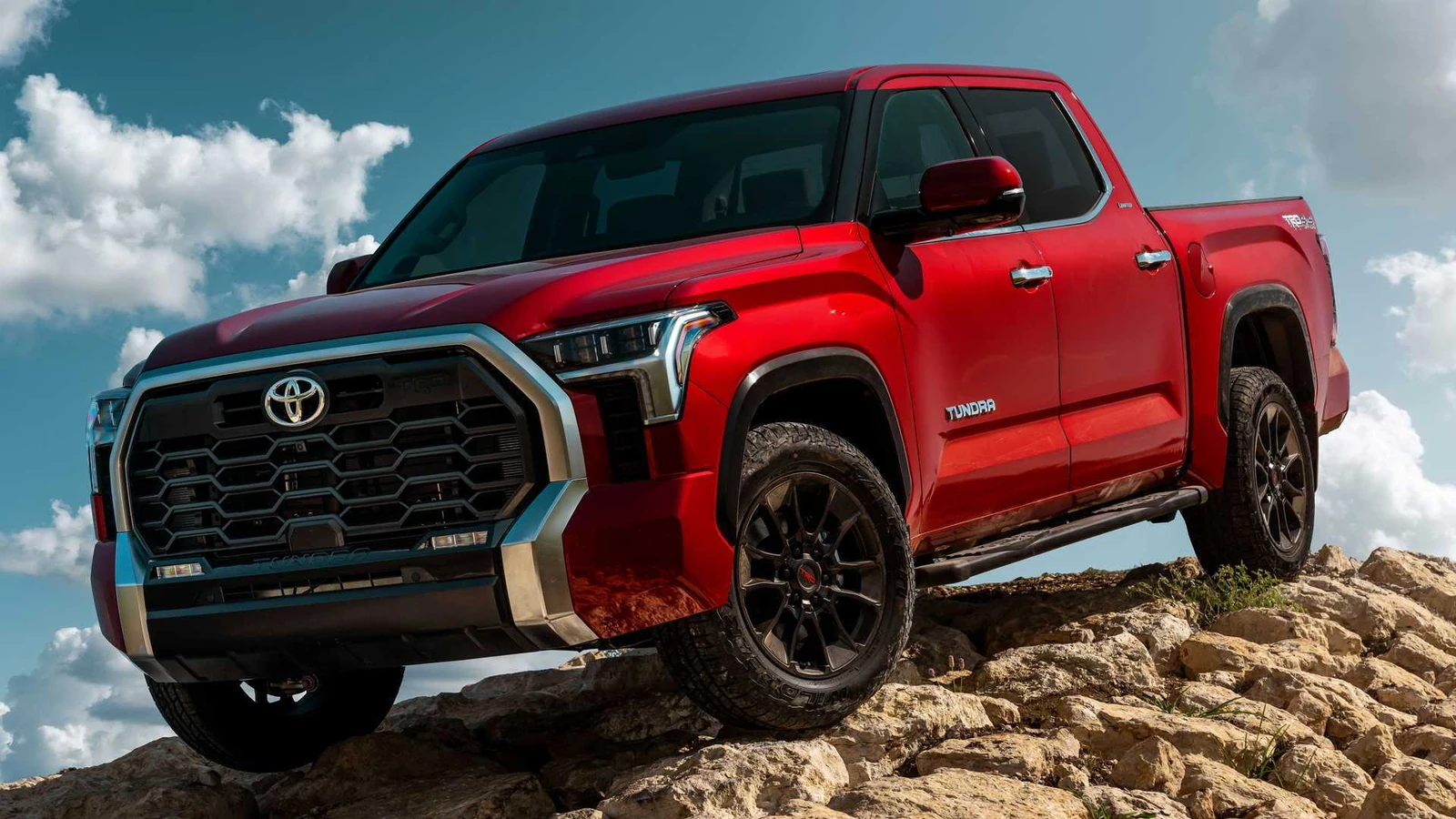
Toyota is recalling roughly 62,000 Tundra pickups in the United States because a camshaft in the twin-turbocharged 3.4-litre V6 can crack and break while the truck is being driven. A snapped camshaft can cut motive power suddenly, and losing drive at highway speed raises the risk of a crash.
Which trucks are covered, and which are not
The recall is limited to non-hybrid Tundras from the 2022, 2023, 2025 and 2026 model years, built with the 3.4-litre twin-turbo V6 during a production window when faulty camshafts entered the supply chain. Toyota's filing says 2024 model year Tundras, every i-Force Max hybrid Tundra and Sequoia SUVs that share the same engine are not affected by this particular camshaft batch.
Toyota traced the fault to an incorrectly manufactured camshaft. It estimates only about 300 of the bad parts may actually have made it into production trucks, out of the 62,000 vehicles pulled into the campaign as a precaution.
This is a separate problem from Toyota's earlier engine recall on the Tundra, which dealt with manufacturing debris left inside the block. Both trace back to engine assembly, but Toyota has handled them as distinct recalls with distinct remedies.
The dealer inspection and the wait for letters
Owners do not need to act yet. Toyota will notify every known owner of an affected truck and ask them to bring it to a dealer, where the camshaft is checked against the suspect production lot. If the part came from that lot, the dealer replaces it at no cost; trucks with a camshaft from outside the lot need no further work.
Owner notification letters are expected by mid-January 2027, so some owners may not hear from Toyota for about two months. Owners who want an answer sooner can check their vehicle identification number against Toyota's recall records, or call the Toyota Brand Engagement Center on 1-800-331-4331 to confirm whether a specific VIN is included.
Toyota has not tied the defect to any confirmed crashes or injuries in its filing. The risk was judged serious enough for a full inspection campaign rather than a software fix or a simple warning.
The recall as described covers the US market. Whether Tundras sold in other countries fall under the same campaign is a question the filing does not settle, so owners elsewhere have no confirmed answer yet.
Why an inspection campaign rather than a blanket replacement
Inspecting all 62,000 trucks to find roughly 300 suspect parts is a wide net, but it is the only way to identify which engines actually received a camshaft from the bad lot, since the defect is a manufacturing error rather than a design flaw across the whole engine family. For owners, the practical effect is a short dealer visit and, in most cases, no repair at all.
The exclusion of the i-Force Max hybrid and the Sequoia is the detail that matters most for buyers: sharing the 3.4-litre twin-turbo V6 does not put those vehicles in this campaign, because Toyota says the suspect batch did not reach them. The recall also skips the 2024 model year entirely.