INDEPENDENT AUTOMOTIVE NEWSGLOBAL PERSPECTIVE / AUSTRALIAN EDITION
TDCNTHE DAILY
CAR NEWS.

The road ahead.
Every day.

RSS ↗
Latest/New cars

621 original articles

New cars / TDCN ORIGINAL

Mercedes-Benz given December 1 deadline to answer US House China Committee questions

Lawmakers want documents and a meeting with Mercedes-Benz North America CEO Jason Hoff over Chinese shareholders, tech sharing and Chinese-made parts.

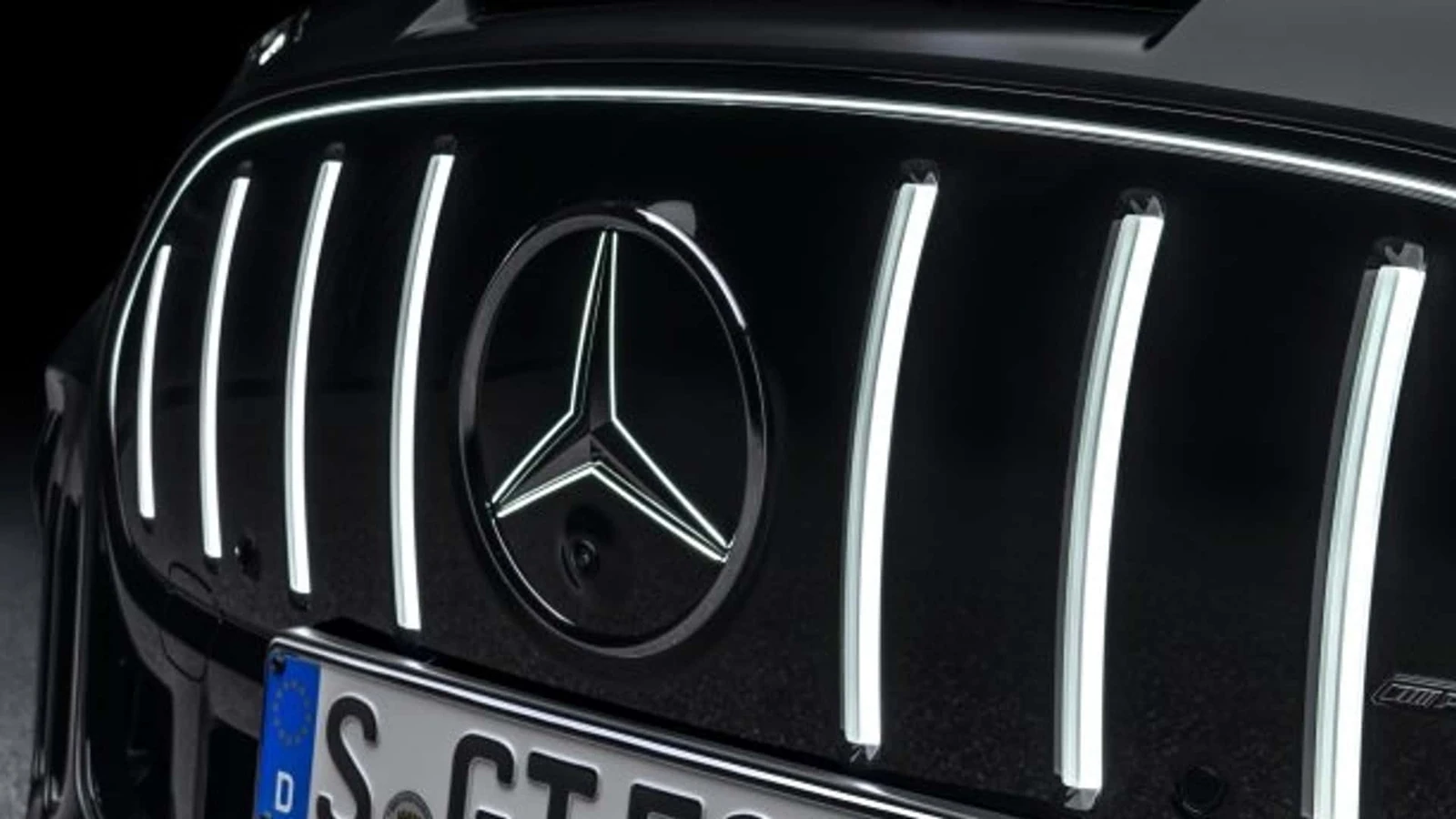
Image: Motor1

Mercedes-Benz has until December 1 to answer roughly two dozen questions from the US House Select Committee on China about its Chinese shareholders, technology partnerships and the Chinese-made components in vehicles sold in the United States. The bipartisan request was sent on November 17 by Republican chair John Moolenaar and top Democrat Ro Khanna, who also asked for documents and a meeting with Mercedes-Benz North America CEO Jason Hoff.

The automaker said it had received the letter and would cooperate, and maintained that it operates independently under its management board, noting that "our shareholders have no management board seats and no management authority".

What the committee is asking for

The letter sets out specific categories of information. Lawmakers want to know whether Beijing could influence strategic decisions, how technology sharing arrangements work, and how much access Chinese parties have to Mercedes-Benz research and development.

They also asked for details on Chinese-made components used in vehicles built or sold in the US, and on any dealings between the automaker and Chinese government officials. Mercedes-Benz was told to preserve relevant documents and electronic communications ahead of the deadline.

The committee framed the stakes bluntly, writing that "this ownership concern is compounded both by the specific nature of the shareholders, as well as the operational influence they appear to exert over your company".

The ownership behind the scrutiny

Chinese investors hold close to 10 percent of Mercedes-Benz through state-owned Beijing Automotive Group, while Geely chairman Li Shufu holds nearly 10 percent through his own stake. The committee treats those twin holdings as a significant national security concern.

That scrutiny feeds a wider legislative push. The Senate Commerce Committee approved a bill in July that would bar companies with more than 15 percent Chinese ownership from selling vehicles in the US, a threshold Mercedes-Benz currently crosses.

Mercedes-Benz looks likely to escape a ban under the Senate's current language. Republican Senator Bernie Moreno has said he expects the final bill to include an exemption, which is why the automaker keeps surfacing in this debate despite its dual ownership; Moreno said similar protection is being discussed for Volvo Cars, which Geely majority owns.

The December 1 deadline is the near-term pivot. If lawmakers are unsatisfied with the answers, they can tighten the draft ban, which would raise compliance costs for Mercedes-Benz and shape which Chinese-built parts end up in US-market cars and trucks.

A wider Washington backdrop

The request sits against a broader set of US restrictions. A Biden-era rule from early 2025 already bars Chinese automakers from selling or building passenger vehicles in the US over concerns about driver data reaching China, and Washington keeps tariffs above 100 percent on Chinese EVs.

The committee's questions cover Mercedes-Benz's Chinese shareholders, its technology partnerships and the Chinese-made parts in US-market vehicles. The sources do not name individual Mercedes-Benz models or variants as being affected, so which specific cars the inquiry touches has not been announced.
Open this article ↗
Safety / TDCN ORIGINAL

Waymo halts all US freeway robotaxi rides after California DMV ban

The regulator cited an imminent hazard to public safety after robotaxis entered active construction zones, and Waymo is now pausing highway service nationwide.

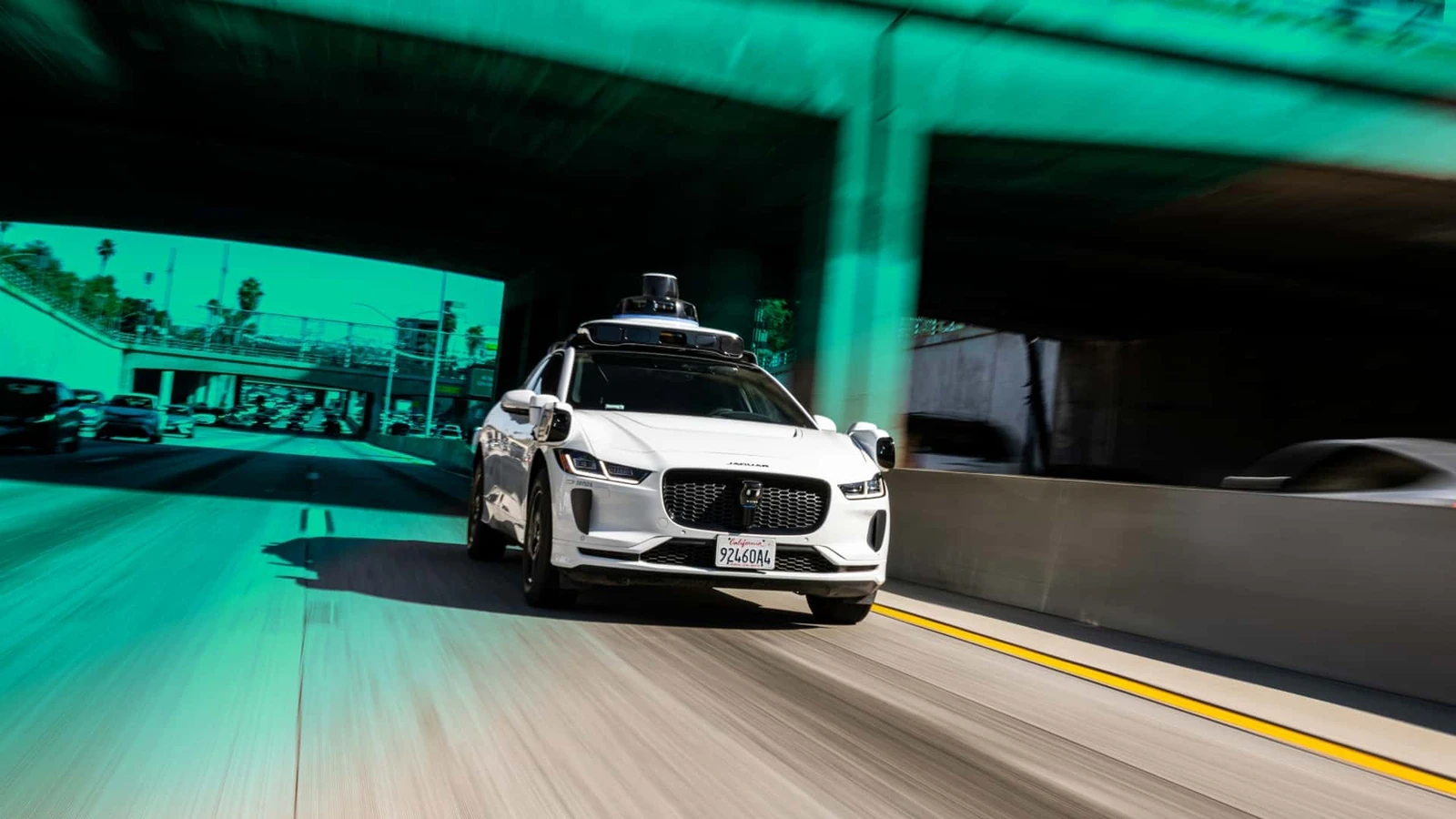
Waymo has paused robotaxi rides on freeways across the United States after the California Department of Motor Vehicles barred its driverless taxis from state highways. The California ban took effect last week and applies only within the state, but the Alphabet-owned company said it will pull its vehicles from freeways nationwide while it evaluates their performance.

City-street ride-hailing remains operational. The DMV said a series of incidents in which Waymo robotaxis entered active construction zones prompted the action, and that driverless freeway operations "pose an imminent hazard to public safety".

Why California acted

The DMV's statement points to repeated cases of robotaxis entering active construction zones as the trigger for the highway ban. It is the second time this year Waymo has withdrawn its robotaxis from American highways: in June the company recalled 3,871 electric taxis running its fifth-generation Automated Driving System over concerns they could travel at highway speeds into lanes closed for construction.

A separate incident last week, filmed on Interstate 280, showed a Waymo-branded Jaguar I-Pace trying to pass a California Highway Patrol traffic break, in which two patrol vehicles slowed traffic so debris could be cleared. Human-driven cars stayed behind the patrol cars while the Waymo moved into the passing lane and was stopped by an officer. The episode is unrelated to the California ban but does little for the company's reputation as it pushes to expand.

What is still running, and what is not

Waymo operates in 15 American cities and has offered driverless rides on California highways since last November. Those highway rides are the part now on hold, in California by order and elsewhere by the company's own choice.

The company said it is "working with the California DMV and other state officials diligently and responsibly to resume freeway operations". It has not given a date for when freeway rides will restart, so the timing of a resumption has not been announced.

The freeway pause lands as Waymo tries to scale quickly. Its fifth- and sixth-generation self-driving hardware relies on lidar, cameras and radar to navigate pre-mapped areas, and the company claims the system has redundancies built in and that its vehicles are 95% safer than human drivers in crashes causing serious injury or worse. Those are manufacturer claims rather than independently verified figures.

Regulatory scrutiny beyond California

Earlier this month the National Highway Traffic Safety Administration opened an investigation into one of Waymo's software fixes, introduced to stop its robotaxis passing stopped school buses. The California order and the federal probe are separate matters, but together they show the company's software decisions being examined by more than one regulator at once.

For riders, the practical effect is a split service map: city-street trips continue while airport runs and other routes that use freeways fall away. For Waymo, the pause removes the fastest roads from its network at the very moment it is trying to convince regulators and passengers that its cars handle unusual situations, construction zones among them, as well as people do.

Open this article ↗

Keep scrolling to read the next story.

Older articles →