Ford's trucks are heading back to Japan, but not through showrooms. Global Fleet Sales has appointed Japan-based Space Factory as its authorised channel partner to supply Ford pickups, SUVs and vans to government, defence and humanitarian fleets across the country.
The arrangement covers ministries, local governments, the Japan Self-Defense Forces and nongovernmental organisations, and it is a fleet-supply channel rather than a relaunch of Ford's retail dealer network in Japan.
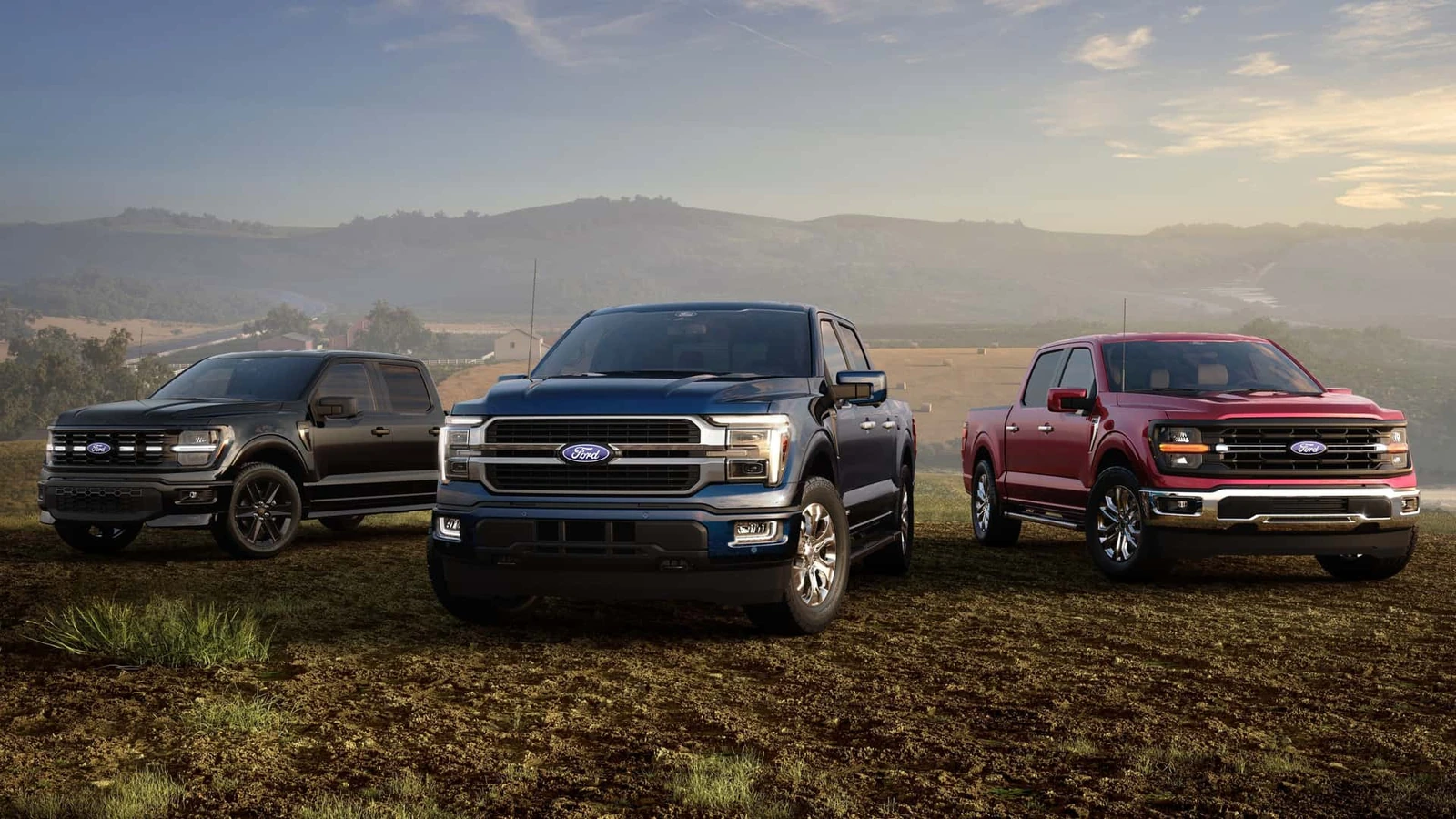
The proposed portfolio spans the Ranger, the Everest SUV, the Ranger Super Duty, the F-150, the F-250, F-350, F-450 and F-550, plus the Transit van. That is a broad spread of light commercial and heavy-duty hardware, from a mid-size ute to chassis-cab trucks well above the F-150 in size.
Three companies divide the work. Global Fleet Sales, a subsidiary of RMA Group, supplies the vehicles and the technical information behind them. Space Factory, whose staff have completed Ford service training, handles customer coordination, importation, Japanese registration, delivery and ongoing service once the trucks arrive.
RMA Special Vehicles, based in Thailand, is lined up to build mission-specific conversions: ambulances, emergency-response trucks and extreme off-road builds. Possible upgrades include communications, lighting, storage, suspension and electrical systems, on a build-to-order basis, project by project.
The Ranger Super Duty is the heaviest hitter being pitched to Japanese buyers. It is rated at up to 1,982 kilograms of payload (about 4,370 pounds) and a maximum braked towing capacity of 4,500 kilograms (roughly 9,921 pounds), depending on configuration.
Those figures are the point for humanitarian and defence work. A truck rated to tow close to 10,000 pounds can haul a trailer of relief supplies or equipment into terrain a standard pickup would struggle with.
Almost everything downstream of the spec sheet is unresolved. Vehicle availability and exact specifications are assessed project by project against Japanese registration and regulatory requirements, so a configuration approved for one ministry's fleet will not automatically clear for another buyer.
Production origin is also decided per project, meaning a Ranger built for one ministry could come from a different plant than one built for an NGO fleet. Early deliveries are intended to establish operating references before any talk of scaling up.
Pricing, order volumes and firm delivery dates have not been announced.
The fleet channel fits a pattern Ford has already applied elsewhere outside North America, where growth in light commercial trucks has come through fleet and commercial channels rather than retail expansion. For Japanese buyers, the practical effect is access to Ford's truck range without a conventional dealership network behind it, with specification and supply settled case by case.