INDEPENDENT AUTOMOTIVE NEWSGLOBAL PERSPECTIVE / AUSTRALIAN EDITION
TDCNTHE DAILY
CAR NEWS.

The road ahead.
Every day.

RSS ↗
Latest/Safety

621 original articles

Safety / TDCN ORIGINAL

California DMV restricts Waymo freeway permits after construction zone incidents

Waymo has paused driverless freeway rides in every market where it offers them, not just California, after the regulator cited an imminent safety hazard.

Image: Motor1

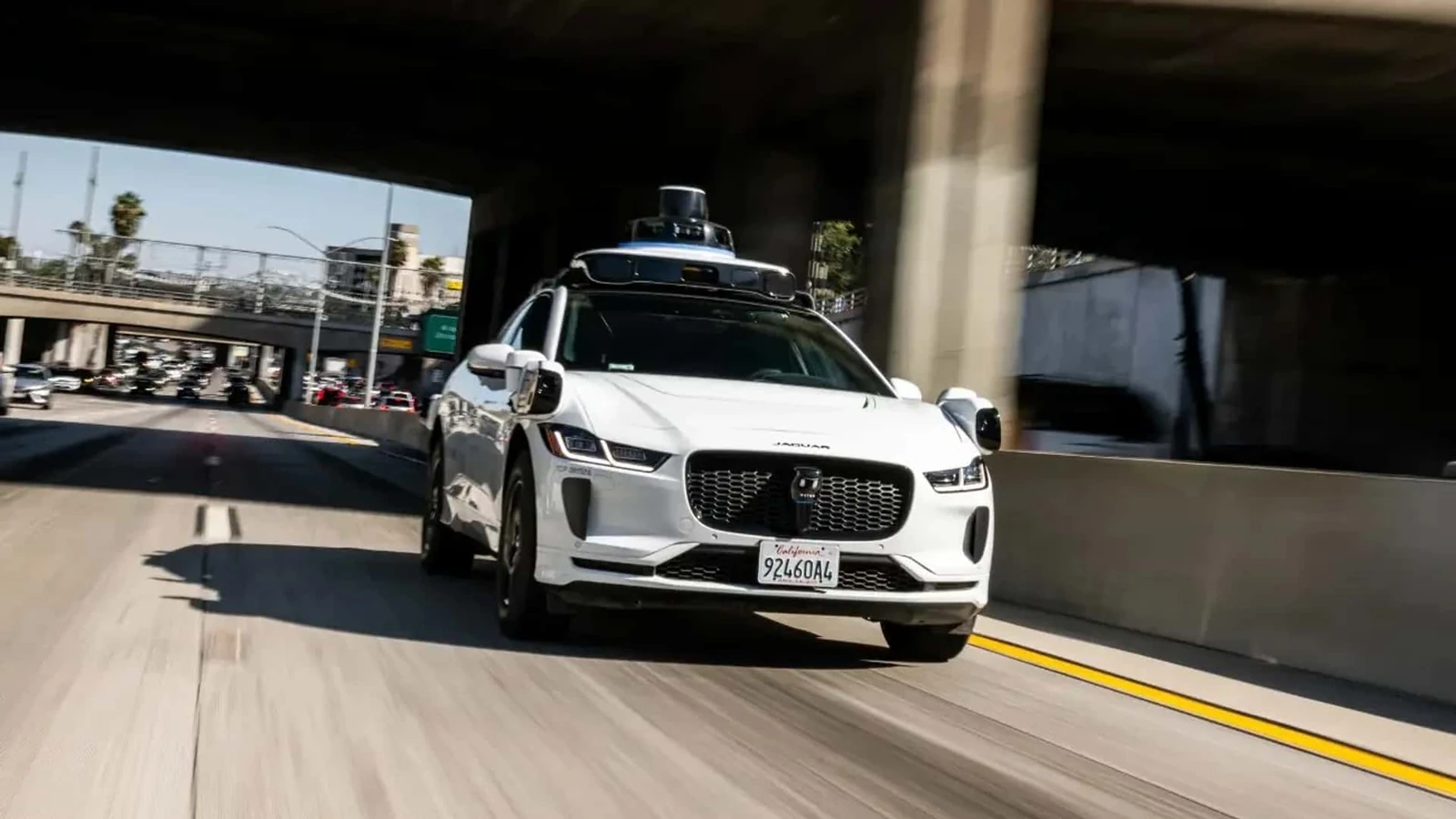
Waymo has taken its driverless cars off freeways in every market where it runs them, after the California Department of Motor Vehicles restricted its freeway operations over repeated incursions into construction zones. The DMV modified Waymo's deployment permit on November 11, 2026, adding a freeway operating restriction, and the order became public on November 17.

The pause reaches beyond California: freeway service had been available in the San Francisco Bay Area, Los Angeles County, Phoenix, Miami and Austin, and all of those corridors are now affected even though the DMV's authority stops at the state line.

A second freeway pause this year

The DMV said Waymo's driverless freeway operations posed "an imminent hazard to public safety". It pointed to two incidents in early November. On November 5, 2026, three Waymo vehicles entered an active closure on US Route 101 near Burlingame, which the agency described as part of a pattern of "recurrent incursions" into construction zones that earlier corrective measures had not fixed.

The next day, a Waymo vehicle tried to pass California Highway Patrol units running a traffic break on Interstate 280 in San Francisco, and footage showed an officer swerving in front of the car to slow it down. The clip circulated widely before the DMV's order became public. A Waymo spokesperson said the Route 101 incident "did not involve any injuries or collisions," and the company called the episodes "largely isolated incidents" while saying it took public feedback seriously.

Before freeways reopen, the DMV wants proof that Waymo's driverless freeway system can reliably detect and respond to construction zones, emergency vehicles and other roadway hazards, and it will review whatever corrective steps the company submits under the modified permit. The agency has not given a timeline for concluding that review.

This is not Waymo's first freeway timeout in 2026. The company paused highway rides in a recall tied to construction zone detection in May 2026, filed a federal recall report in June describing more than a dozen incursions into closed freeway work zones, and resumed service later in the year.

Waymo has leaned on its safety record in previous disputes, citing a claimed 95 percent reduction in serious crashes compared with human-driven vehicles and an 82 percent cut in injury-causing crashes across its rider-only miles. Those are the company's own figures, and they did not stop California from tightening the rules on freeway use.

Surface-street rides continue as normal, and Waymo says it is still testing on freeways with trained specialists behind the wheel. A spokesperson said the company is "working with the California DMV and other state officials diligently and responsibly to resume freeway operations".

The practical effect for riders is that freeway trips are off the table in all five highway markets for now, while city-street service carries on. Waymo runs driverless rides in 15 metro areas, so most of its footprint never had freeway service to lose.

The pattern matters more than the single order. A state regulator's finding has now halted freeway rides nationwide, which shows how much of Waymo's highway expansion depends on satisfying California, the state where it does the most driving and where its permit carries the most weight. Riders have flagged hesitation before, including an Austin rider's account of a Waymo veering into oncoming traffic, and the DMV's list of required fixes, construction zones and emergency vehicles, points at the edge cases that surface streets rarely produce.
Open this article ↗
New cars / TDCN ORIGINAL

Mercedes to auction its first-ever C 111, a four-rotor Wankel prototype, in Paris

The 1970 C 111-II known internally as Car 33 will cross the block at the Louvre in February 2027, and Mercedes has pledged not to sell another C 111 for 25 years.

Image: Motor1

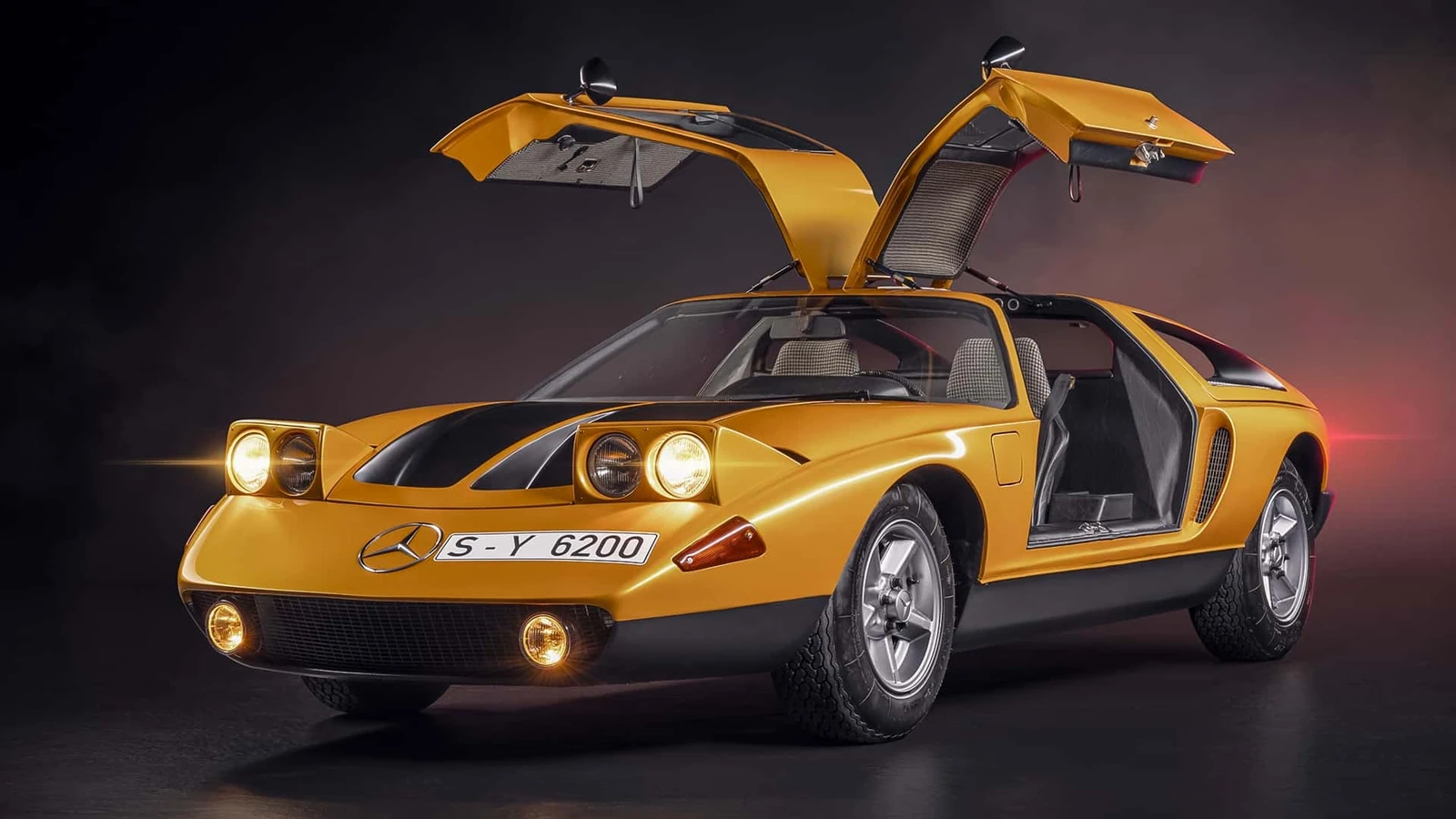
Mercedes-Benz will sell a C 111 for the first time in the model's history, auctioning a 1970 C 111-II with an original 2.4-litre four-rotor Wankel engine through RM Sotheby's at the Palais du Louvre in Paris on 3 February 2027. The sale coincides with the Rétromobile Paris classic car fair.

The car going under the hammer is the third C 111-II built, known internally as Car 33, finished in the colour Weißherbst. Mercedes has contractually committed not to sell another C 111 for 25 years, so for at least a quarter of a century this will be the only chance to buy one.

A prototype that never reached customers

The C 111 was unveiled at the International Motor Show in 1969 as a showcase for the design and technical ambition of the 300 SL era, but series production never happened. Durability, fuel consumption and reliability problems, the 1973 oil crisis and the loss of key backers ended Wankel development at Mercedes in 1976, and engineering resources were needed elsewhere.

Seventeen C 111s were built in total. One was used for crash tests and three were dismantled in the 1970s, leaving 13 examples of the various variants in the company's collection. One car was fitted with a 3.5-litre V8 for PR drives, and until now no C 111 had ever left Mercedes' possession.

Marcus Breitschwerdt, CEO of Mercedes-Benz Heritage GmbH, said interested parties reportedly sent blank cheques to Stuttgart in the past, but Mercedes never sold a car. "Now we are opening a new chapter by handing over one of these vehicles from our collection to other hands for the first time," he said.

What Car 33 is and how it was restored

Car 33 was built from March 1970 with sports seats in a grey-and-white houndstooth pattern, a four-spoke safety steering wheel and a vertically mounted Becker Europa radio. In August 1970 a 350 hp 2.4-litre four-rotor Wankel of the M 950 W 48 type was installed in the centre of the car, enough to push the 1,240 kg machine to 300 km/h (186 mph).

Registered S-Y 6200, it joined Mercedes' experimental fleet and was used to test a fluidic element for evenly emptying its two side tanks (116 litres in total), to measure temperatures in the rear boot, and for laps at the Hockenheimring. An anti-lock braking system was trialled in the car at the time, though it is no longer active.

The car appeared in the first German edition of Playboy in 1972 and was used a year earlier to present the C 111 project to conductor Herbert von Karajan on the Stuttgart test track. It entered the company collection in 1975 and has been displayed in the Mercedes-Benz Museum's "Fascination Design" section since the museum opened in 2006.

In 2024 the Mercedes-Benz Classic Center in Fellbach restored Car 33 to roadworthy condition, deliberately keeping the original patina of the exterior and interior while extensively overhauling the drivetrain and adding a fire extinguisher system in the engine bay. That year it was shown on the lawn at the Pebble Beach Concours d'Elegance, with the odometer reading 15,391 miles when photographed in October.

The sale includes the car's contemporary 8x15-inch alloy wheels and the wider 10x15 and 13x15-inch magnesium race wheels used on track in the 1970s, although the magnesium set is now suitable only for display because of its age and condition.

Where the money goes and what it might fetch

Proceeds will fund "Mercedes-Benz Museum 2.0", which aims to modernise the Stuttgart museum and expand its virtual offerings, including a digital twin built with The Classic Car Trust and its Roarington platform so the collection can be experienced beyond Germany.

Bidding takes place in the Salles du Carrousel on-site after prior registration or by phone, and the Mercedes-Benz Classic Center website now carries participation requirements, bidder registration details and pre-inspection opportunities. Mercedes has not disclosed an estimate. Motor1's own guess is that it will fall short of the €135 million paid in 2022 for the 300 SLR Uhlenhaut Coupé, another sale from the company collection, but that a high double-digit million figure is plausible.

That the first C 111 to be sold is a running, roadworthy car with known competition history and a single-owner paper trail from new gives the auction a different character from a typical classic sale. The 25-year no-sale pledge also means the result will set the reference point for the model for a generation, with no second chance for a buyer who misses out.

Open this article ↗

Keep scrolling to read the next story.

Older articles →