INDEPENDENT AUTOMOTIVE NEWSGLOBAL PERSPECTIVE / AUSTRALIAN EDITION
TDCNTHE DAILY
CAR NEWS.

The road ahead.
Every day.

RSS ↗
Latest/New cars

621 original articles

New cars / TDCN ORIGINAL

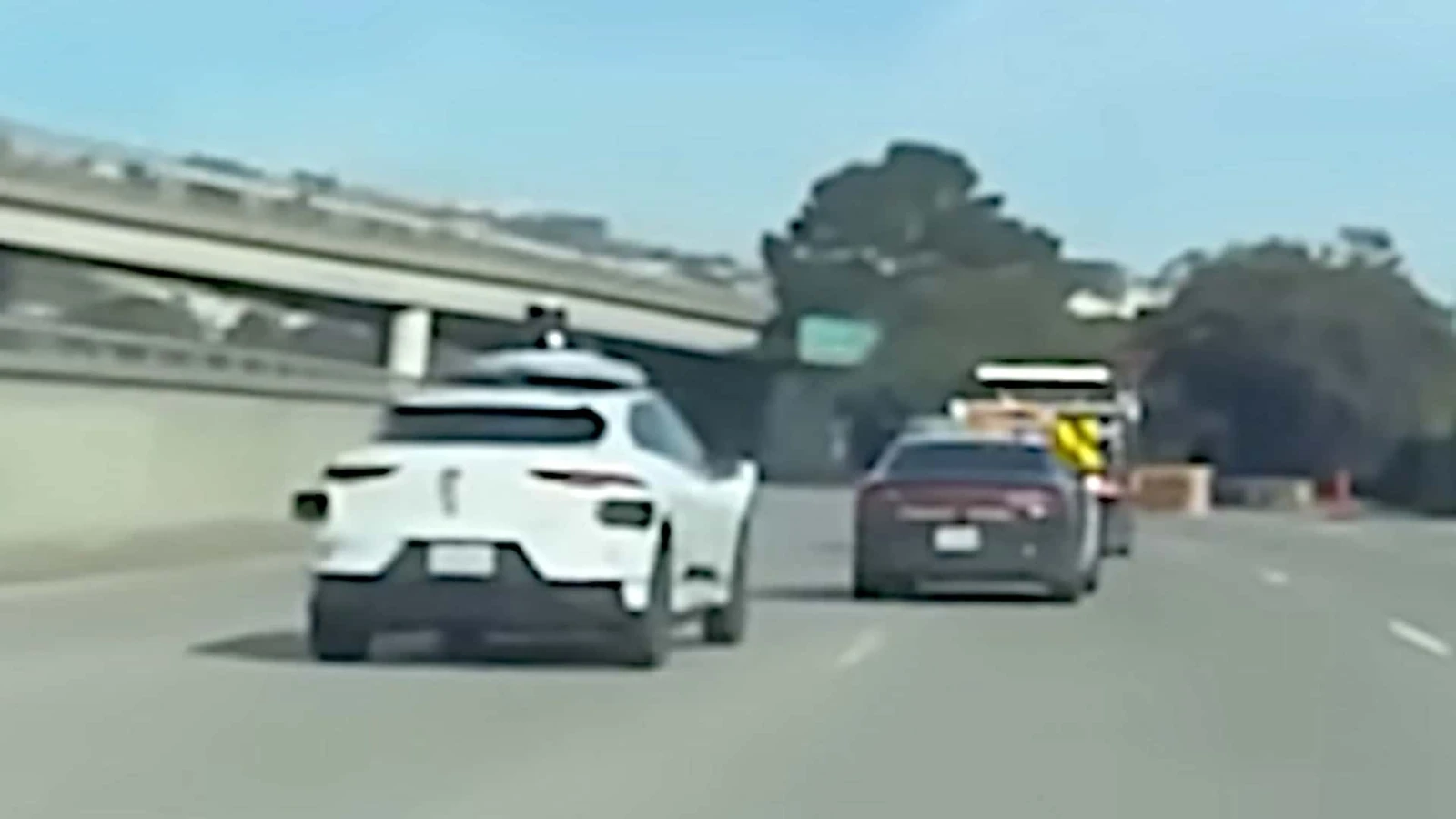
Waymo robotaxi tries to pass a CHP traffic break on I-280 and falls back in line

Video of the November 6 encounter drew over 3.3 million views, and CHP says officers steered cruisers into the gap the driverless car was aiming for.

Image: Motor1

A driverless Waymo tried to get around a California Highway Patrol traffic break on northbound Interstate 280 on Friday, November 6, and ended up slotting back in behind the patrol cars like everyone else. CHP confirmed the sequence to local media, and passenger video of the encounter has drawn more than 3.3 million views since it surfaced.

What happened at the traffic break

Officers had closed lanes near John Daly Boulevard to clear debris from the freeway, a routine traffic break in which patrol cars slow and hold traffic while a hazard is cleared. The Waymo approached the stopped line of cars and began looking for a way around it, edging toward an opening near the CHP units before hesitating.

CHP told NBC Bay Area that multiple officers maneuvered their cruisers to physically prevent the Waymo from passing, and footage shows one cruiser swerving into the gap the car was aiming for. The agency said it had no contact with Waymo before or after the incident, and that the blocking maneuver was improvised on the spot rather than coordinated with the vehicle's remote operators.

The Waymo eventually abandoned the attempt and settled back into the stopped lane. Instagram user @luluesque posted the clip with the caption "California Highway Patrol Blockade 1, Waymo 0". No citation was reported in connection with the incident, and CHP's public statement went no further than describing how the traffic break was enforced.

A pattern of unusual road moments

This is not the first time a Waymo has drawn scrutiny for how it reads an odd situation: the company's vehicles have previously been recorded veering into oncoming traffic and driving through a flooded street, each clip prompting its own round of attention. Riders have also reported being boxed in behind the company's own fleet, including one passenger who said they were stuck behind a cluster of Waymos for 50 minutes.

A Reddit user going by WeldAE framed the I-280 episode as a learning moment rather than a scandal, writing that "these are interesting corner cases" and that the clip shows "something that needs more improvement" rather than a failure.

That framing is the fair one. A traffic break is an improvised, human-directed maneuver with no fixed lane markings to follow, which is exactly the kind of edge case a driverless system has to learn by encountering. The car did not break a rule or ignore a signal; it read an ambiguous gap as an opening, and a human officer closed it. The useful takeaway for riders is that these encounters are being resolved by the people on the ground, not by coordination between CHP and Waymo, which the agency says did not happen here.

What has not been announced

Waymo has not said whether it will change how its cars handle traffic breaks, and CHP has not indicated any change to how officers run them around driverless vehicles. The sources describe the encounter and the agency's account of it, and nothing more.
Open this article ↗
New cars / TDCN ORIGINAL

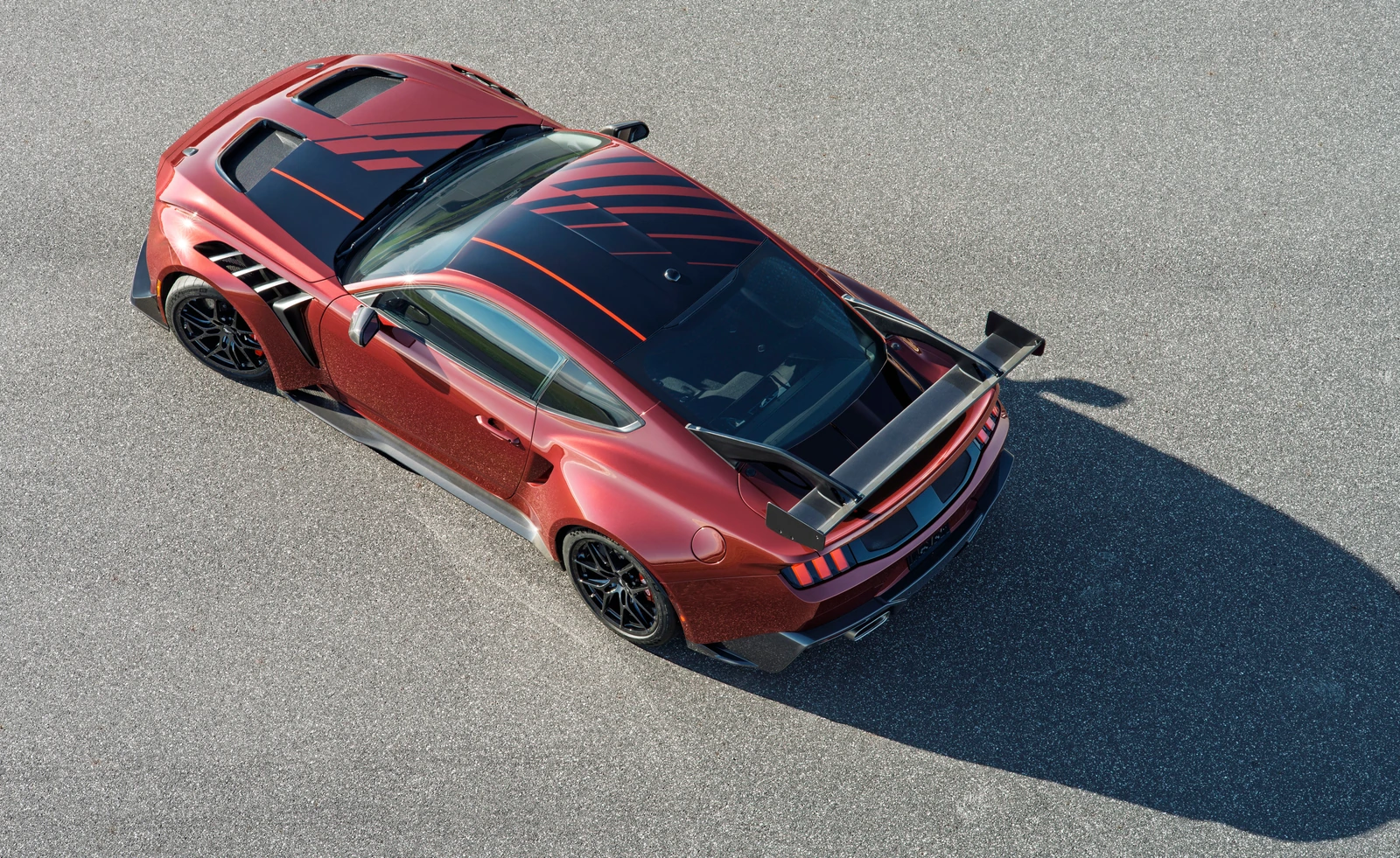
Ford Mustang GTD gains 1901 special edition and magnesium wheels for 2028

The 1901 edition honours Henry Ford's Sweepstakes racer and will make up roughly 20 percent of a 2028 GTD allocation reported at 60 to 140 cars.

Ford is adding a 1901 special edition to the 2028 Mustang GTD, a livery package that replaces the outgoing Spirit of America version and honours the Sweepstakes car Henry Ford raced 125 years ago. Order books for the 2028 GTD open in December, with first deliveries expected in the second quarter of 2027, and Ford has not yet confirmed pricing.

What the 1901 edition includes

The 1901 car is finished mainly in Royal Red paint with black diagonal accents across the roof, and the theme continues inside with Mahogany Red leather and Race Red stitching. Like the Spirit of America edition it replaces, production will be capped: Ford says the 1901 will account for around 20 percent of the 2028 allocation, which the company indicates could fall between 60 and 140 cars.

That is a tiny slice of an already low-volume programme, so the special edition is less a volume play than a collector's item. Buyers who want one will be competing for a build slot in a December order window rather than shopping from stock.

Magnesium wheels arrive after supplier delay

Ford is also finally offering magnesium wheels on the GTD, an option it originally intended to launch with the car before supplier constraints pushed it back. The magnesium set saves 50.3 pounds (about 22.8 kg) against the standard wheel setup.

The 2028 car also brings a redesigned version of Ford's 3-D-printed titanium paddle shifters and titanium shift ring, both of which were already offered. Full-grain leather now covers the door panels, centre console and instrument panel, and the exterior gains new livery options plus two new paint colours.

Beyond those items, the top Mustang carries over largely unchanged from the 2027 model year. For a car built in such small numbers, that is a modest update, but the wheel change is the one with a measurable effect: a 50.3-pound reduction in unsprung and overall mass is the kind of change engineers chase on a track-focused model.

Timing and price

Order books open in December, but buyers should not expect a car under the Christmas tree: deliveries are not expected to begin until the second quarter of 2027. Ford has not released exact pricing for the 2028 GTD.

The 2028 car will almost certainly start at $330,000 or more, following the starting price of its predecessors. That figure is an expectation rather than a confirmed number, so the final sticker for the 1901 edition in particular is still open.

Open this article ↗

Keep scrolling to read the next story.

Older articles →