INDEPENDENT AUTOMOTIVE NEWSGLOBAL PERSPECTIVE / AUSTRALIAN EDITION
TDCNTHE DAILY
CAR NEWS.

The road ahead.
Every day.

RSS ↗
Latest/Electric

621 original articles

Electric / TDCN ORIGINAL

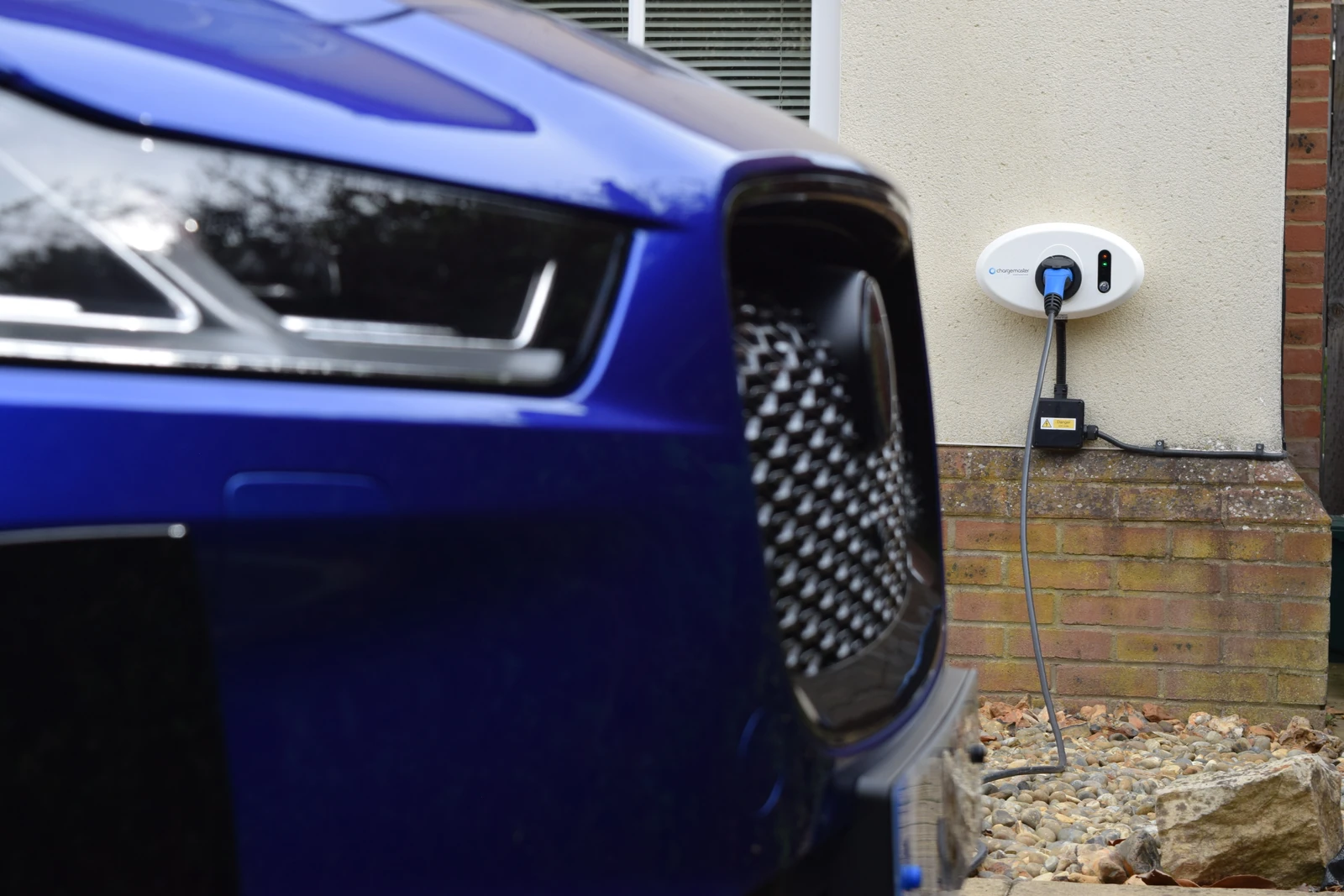
Private EV chargers going uninspected under UK rules, maintenance firm warns

Safer Charging says residential and workplace units fall outside the Public Charge Point Regulations, leaving owners to rely on warranties that can vanish when suppliers fold.

Thousands of residential and workplace electric vehicle chargers in the UK have gone years without inspection because no legislation requires it, according to the maintenance company Safer Charging. Public chargers must meet the Public Charge Point Regulations (PCPR), which require them to work 99% of the time, but private units sit outside that regime.

Where the rules stop

The PCPR is enforced by the government's Office for Product Safety and Standards, and it explicitly excludes workplace and residential charge points that are "not accessible to the general public at any time". Safer Charging founder Chris Cheetham said the only law covering such devices is the Electricity at Work Regulations, which require electrical appliances in a workplace to be safe and assessed through an Electrical Installation Condition Report.

For offices and public buildings an assessment is recommended every five years, and without an EICR a business could find itself uninsured. Cheetham called the prospect of a charger going uninspected for five years "staggering" given the current passing through the units, and said day-to-day care often falls to a facilities manager or managing agent with neither the knowledge nor the time.

A Department for Transport spokesman said the PCPR are designed to protect drivers using public networks and that the department is not currently considering extending them to private chargers. That leaves the gap intact for now: the rules that force public chargers to keep working simply have no private equivalent.

Warranties that outlive the supplier

Cheetham also warned that charger manufacturers and suppliers can go out of business, voiding warranties and ending aftersales support. Andersen EV, which went into administration in 2022, is the example: its new owner did not take on its liabilities, and its warranty terms state that chargers bought before 24 October 2022 no longer have "contractual warranty support".

A spokesperson for a major charger manufacturer said consumers should satisfy themselves as to the long-term viability of a supplier or installer, and that the industry would encourage businesses investing in charge points to do due diligence.

For drivers, the practical lesson is that the hardware in a home or office car park can outlast the company that sold it. A charger is a long-term fixture, so the strength of the company behind it matters as much as the specification on the box.

Why it matters for the switch to electric

Safer Charging says the inspection gap risks undermining users' faith in EV chargers generally and slowing the transition to electric mobility. Cheetham stressed that his aim is not to alarm private charger owners but to reassure them that his company can provide back-up, round-the-clock monitoring and inspection if their supplier or installer fails, so "they're not on their own".

The company's estimate of the scale is its own: it believes there are hundreds of thousands of ageing private chargers that are not being inspected or maintained because no legislation requires them to work. The DfT's position means that estimate is unlikely to be tested by regulation any time soon, which puts the burden on owners and facilities managers to schedule checks themselves.
Open this article ↗
Industry / TDCN ORIGINAL

Ken Miles' Flip-Top Shelby Cobra heads to auction with a $25 million estimate

Mecum will offer the 1964 Shelby 427 Prototype Factory Team Cobra, chassis CSX2196, at Kissimmee in January 2027 with a pre-sale estimate above $25 million.

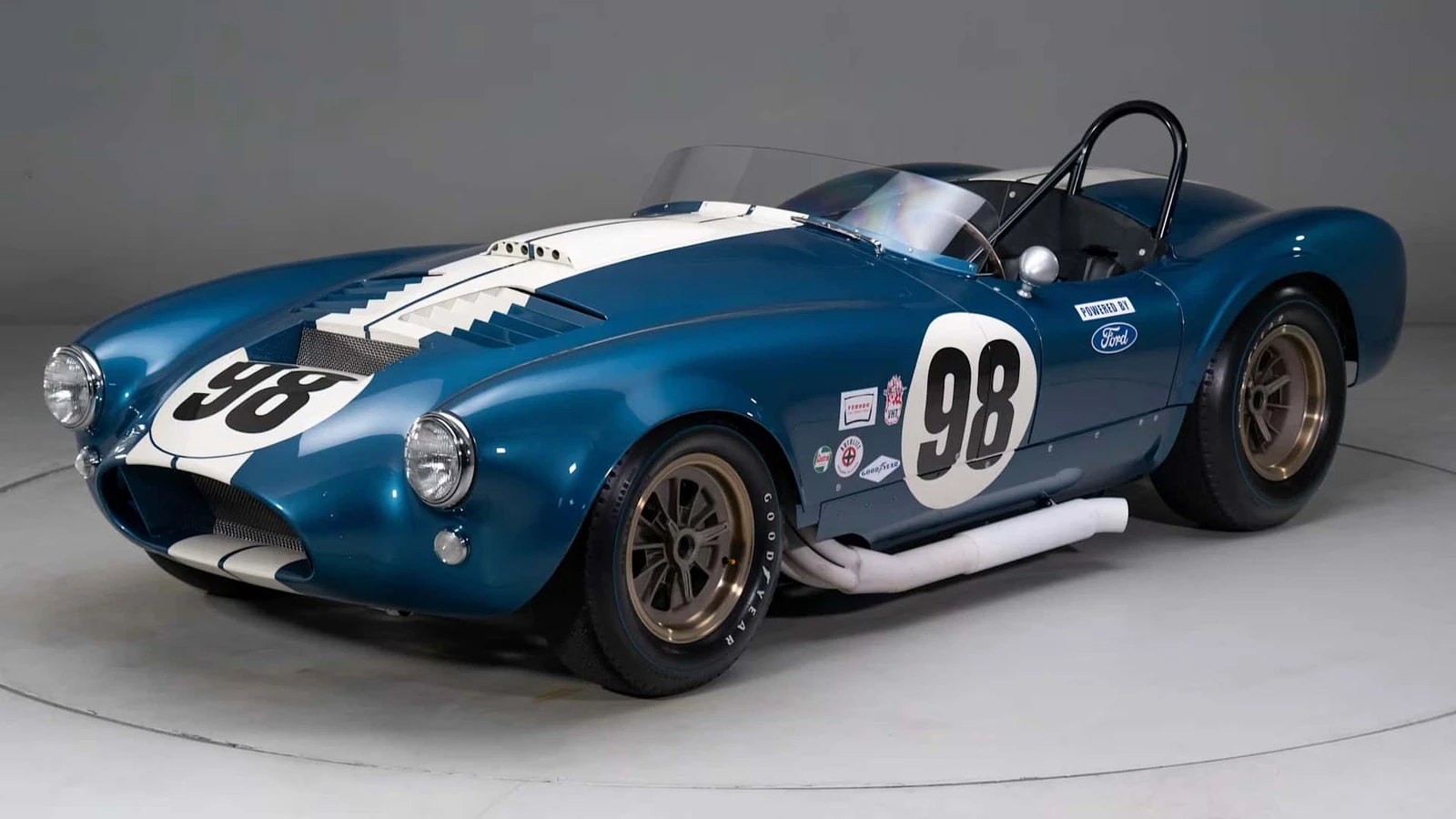
Image: Motor1

A Shelby Cobra that Ken Miles reworked into a one-off race prototype will cross the block at Mecum's Kissimmee auction in Florida with an estimate in excess of $25 million. The car, chassis CSX2196 and known among collectors as the Flip-Top, is scheduled to be sold on January 16, 2027, during an event running from January 5 to January 17.

What makes CSX2196 different from other Cobras

CSX2196 began as a standard 289-style roadster fitted with a 427 engine and raced as a factory Shelby American team car at the 1964 12 Hours of Sebring. After Sebring, Shelby American stripped the car to its frame rails and lengthened the chassis by three inches, adding Daytona Coupe style bracing and triangulation. That work makes it the only Cobra roadster built on a modified Daytona Coupe platform, and one of just two Cobras assembled at Shelby American in the US alongside the prototype Daytona Coupe itself.

Mecum points to documented originality to support the estimate: the car shows 4,096 original miles and retains its original chassis, body, engine, brakes, suspension, gauges and chassis tag, unusual for a car of this age that also raced hard. A four-year restoration by Legendary Motorcar used only original or new-old-stock parts to return it to its 1964 Nassau specification, including period-correct Goodyear Blue Streak tires. Peter Miles, Ken Miles' son, called it "the ultimate Cobra".

Flip-Top bodywork and the aluminum 427

The Flip-Top nickname comes from the car's one-off aluminum body, whose front and rear clips pivot open like a Daytona Coupe's, a detail Shelby designer Pete Brock confirmed. Underneath sits a lightweight aluminum 427 side-oiler built in period by Ford engine specialist Mose Nowland; larger cylinder sleeves needed for the aluminum casting brought actual displacement down to 390 cubic inches despite the 427 name.

With rare 58mm Weber carburetors, the engine produced over 500 horsepower in a car weighing around 1,800 pounds, an extreme power-to-weight ratio even by 1960s sports racer standards. At Nassau Speed Week, the CSX2196, built specifically to beat the Corvette Grand Sports, opened an eight-second lead over the field on the first lap alone, ahead of Ford GT40s and Ferrari's 275 Comp Speciale. Brock called it "the most sophisticated engineering car the Shelby operation ever produced".

The restored car has taken class honors at both Pebble Beach and Amelia Island, a history that runs alongside the Shelby Daytona Coupe's own auction record set earlier this year. For buyers, the estimate rests less on Cobra provenance in general than on a combination that exists nowhere else: a works-racing history, a chassis rebuilt on Daytona Coupe lines, and a body and engine that survived largely intact.

What the auction leaves open

Mecum has published an estimate rather than a reserve or a guaranteed result, so the $25 million figure is a pre-sale guide and the final price will be set by bidding in January 2027. The sources do not state whether the car has been offered at auction before, nor how the estimate compares with the Daytona Coupe record referenced in the listing.

Open this article ↗

Keep scrolling to read the next story.

Older articles →