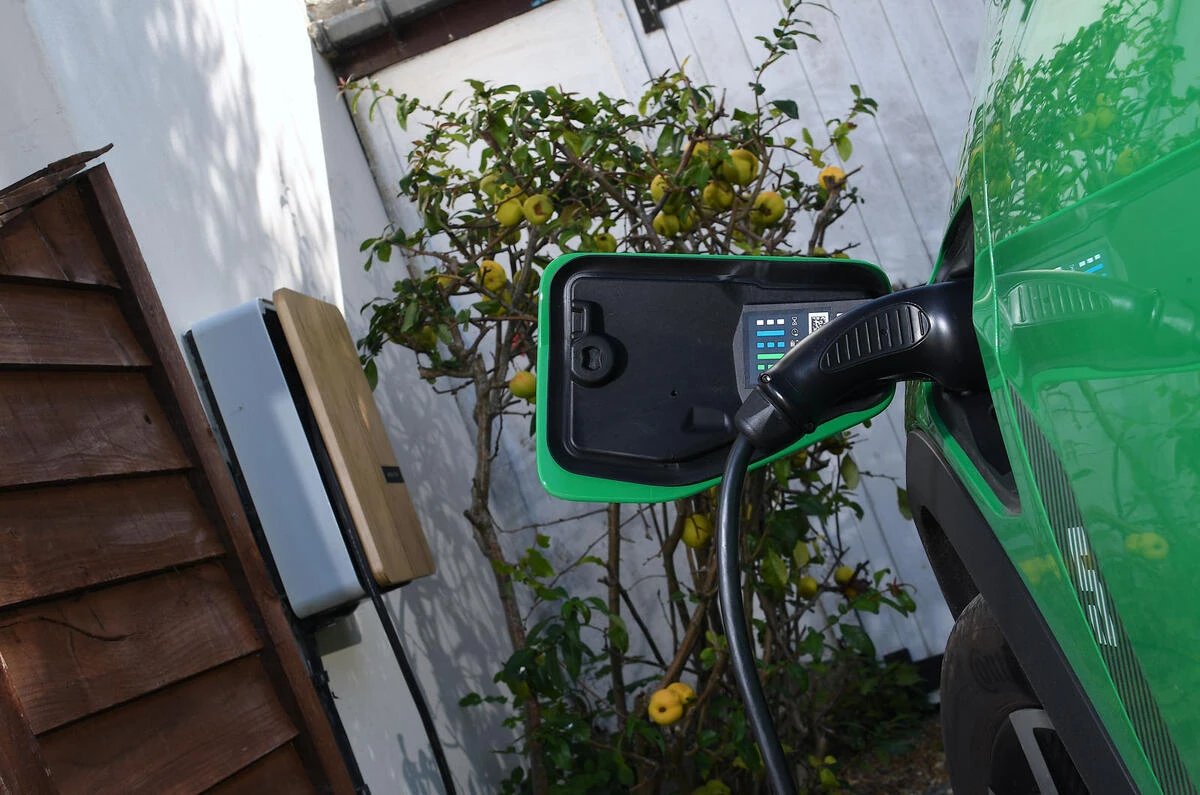
Almost half of electric vehicle fleets, 44%, rely on drivers to self-report how much they spend charging at home, a practice that is leaving operators exposed to rising expenses fraud, according to a survey commissioned by mobility software firm Cubic3. The survey of 250 fleet, finance and procurement leaders found that 30% had at least one suspected or confirmed case of fraud in the past 12 months.
The confidence gap in fleet spending
The survey paints a picture of managers who believe they have costs under control when they do not. While 93% of respondents said they could identify unauthorised or fraudulent spend and 64% believed they had full visibility of costs, only 41% said their expenses were actually under control. A third, 34%, said they had trouble tracking spend accurately across vehicles and drivers.
Over the same 12-month period, 48% of fleets had expenses claims they could not verify, 31% reported unauthorised transactions on company credit or fuel and charging cards, and 30% had at least one suspected or confirmed fraud case. The gap between confidence and control is the real finding, said Paul Foley, Cubic3's vice-president of in-vehicle payments, who argued fleets need to check a payment against company rules before it is made rather than reconcile it after the money has gone.
How much of the fraud comes from charging
The survey does not put a percentage figure on how much of the fraud is specifically caused by charging, so the precise share has not been announced. What it does show is that charging is making spend management harder: 54% of respondents said EV charging was complicating payment and spend management, a process that already consumes 171 hours per year on average.
That matters because the exposure grows with every EV added to a fleet. Respondents forecast an average 49% EV share of their fleets within three years, which Cubic3 warned will make the self-reporting oversight an increasingly large issue for operators. The fraud risk is not a fixed problem to be managed at current levels; it scales with electrification.
Why home charging is so hard to verify
Reimbursing home charging accurately has long been a challenge for fleets, which helps explain why self-reporting is the most popular method for claiming it back. HMRC publishes advisory electric rates (AERs) every quarter, with separate per-mile rates for home charging and public networks, designed as a no-quibble way to process claims where home energy costs are hard to separate from the rest of a household utility bill.
Those rates are approximate by nature. A driver on an Ofgem-capped electricity tariff of 26.3p per kWh would need to average 3.8 miles per kWh, including charging losses, just to break even with the 7p per-mile home charging AER. The same rate over-reimburses drivers on cheap overnight tariffs, where costs typically fall below 2p per mile. HMRC allows operators to set their own rates, but they must prove those rates reflect real-world costs or risk any excess being counted as untaxed income.
Only 20% of surveyed fleets said they use a tariff or meter to count the cost of home charging. The smarter move for operators is to meter home charging directly rather than lean on a flat advisory rate, because a fixed per-mile figure is simultaneously too generous for some drivers and too thin for others, and every mismatch is either an overpayment or a dispute waiting to happen.