INDEPENDENT AUTOMOTIVE NEWSGLOBAL PERSPECTIVE / AUSTRALIAN EDITION
TDCNTHE DAILY
CAR NEWS.

The road ahead.
Every day.

RSS ↗
Latest/Electric

162 original articles

Electric / TDCN ORIGINAL

Omoda X revealed in China with night vision and PHEV or EV power

The mid-size crossover slots below the Omoda 9 with thermal imaging, 200mm of ground clearance and a choice of plug-in hybrid or electric drivetrains.

Omoda has unveiled the Omoda X, a mid-size crossover with an infrared night vision system and a choice of plug-in hybrid or electric power, at an event in Wuhu, China, on October 20. The reveal took place during the Chery Group's International User Summit, and the brand has not announced Australian availability, pricing or launch timing.

A tougher look for Omoda

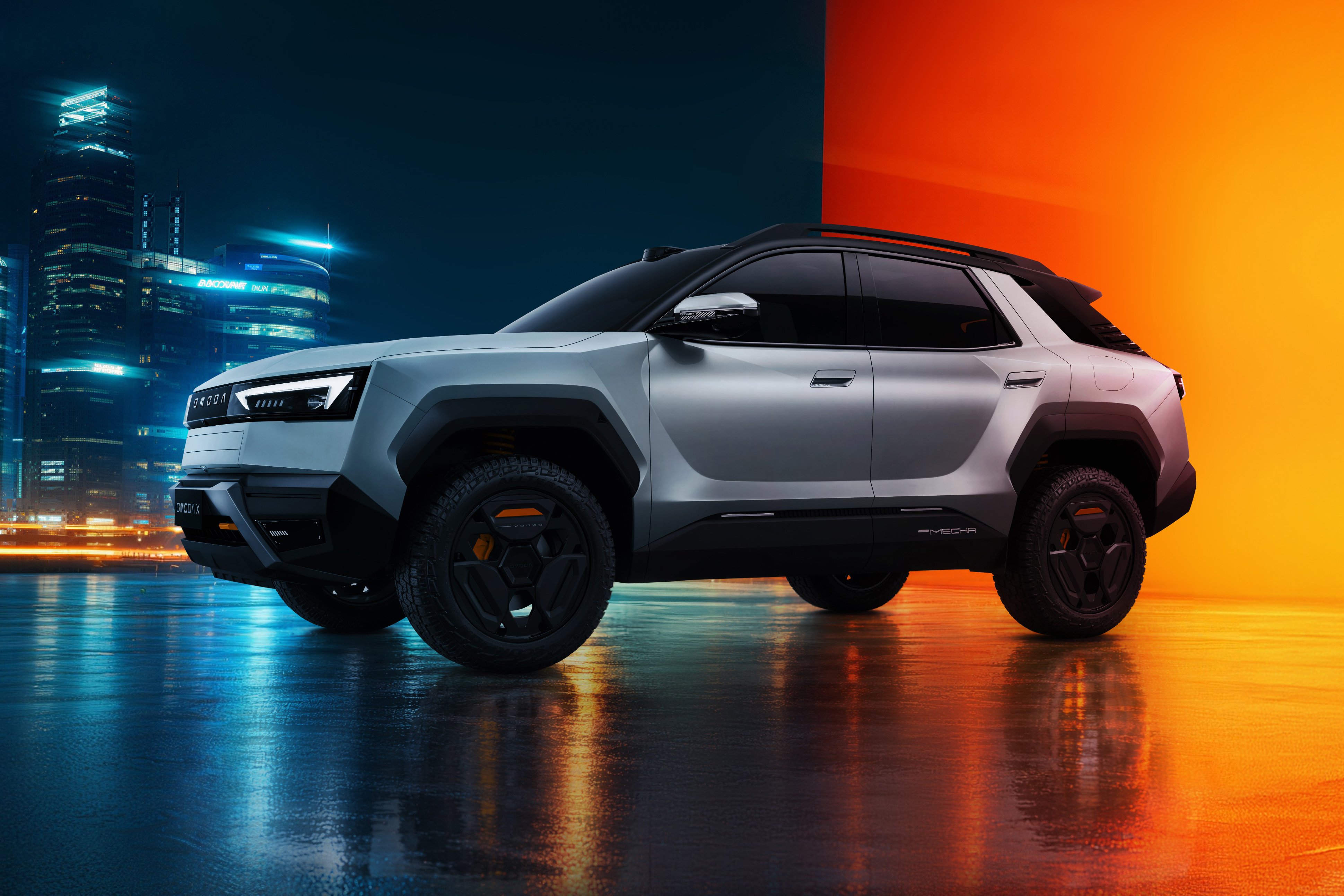
The Omoda X introduces what the brand calls its Crossvolution design direction, blending a more upright, rugged stance with the angular styling of its newer crossovers. Omoda describes the result as a meeting of the dynamic tension of a sports car with the raw strength of an off-road vehicle.

The look is backed by pronounced wheel arches, extensive lower-body cladding and sharply creased panels, with jagged daytime running lights and lightning-like graphics at the rear. The car shown in Wuhu wore 19-inch alloy wheels wrapped in all-terrain tyres.
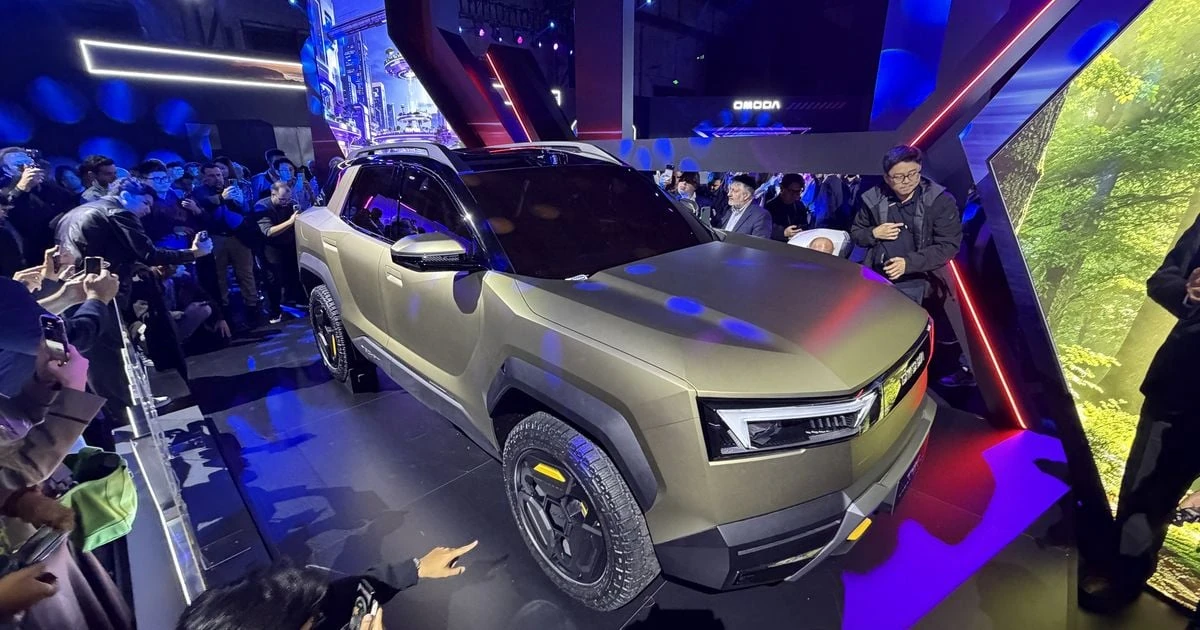
The Omoda X's chunky cladding and squared arches signal a more capable stance.
The Omoda X's chunky cladding and squared arches signal a more capable stance., Image: CarExpert

Size and capability

Slotting below the Omoda 9, the Omoda X measures 4650mm long, 1910mm wide and 1720mm tall, putting it roughly in the same bracket as a Toyota RAV4. It offers 200mm of ground clearance and a wading depth of more than 700mm.

Omoda claims a towing capacity of up to 1800kg and a roof load capacity of 75kg. Buyers will be able to choose between two-wheel drive and all-wheel drive.
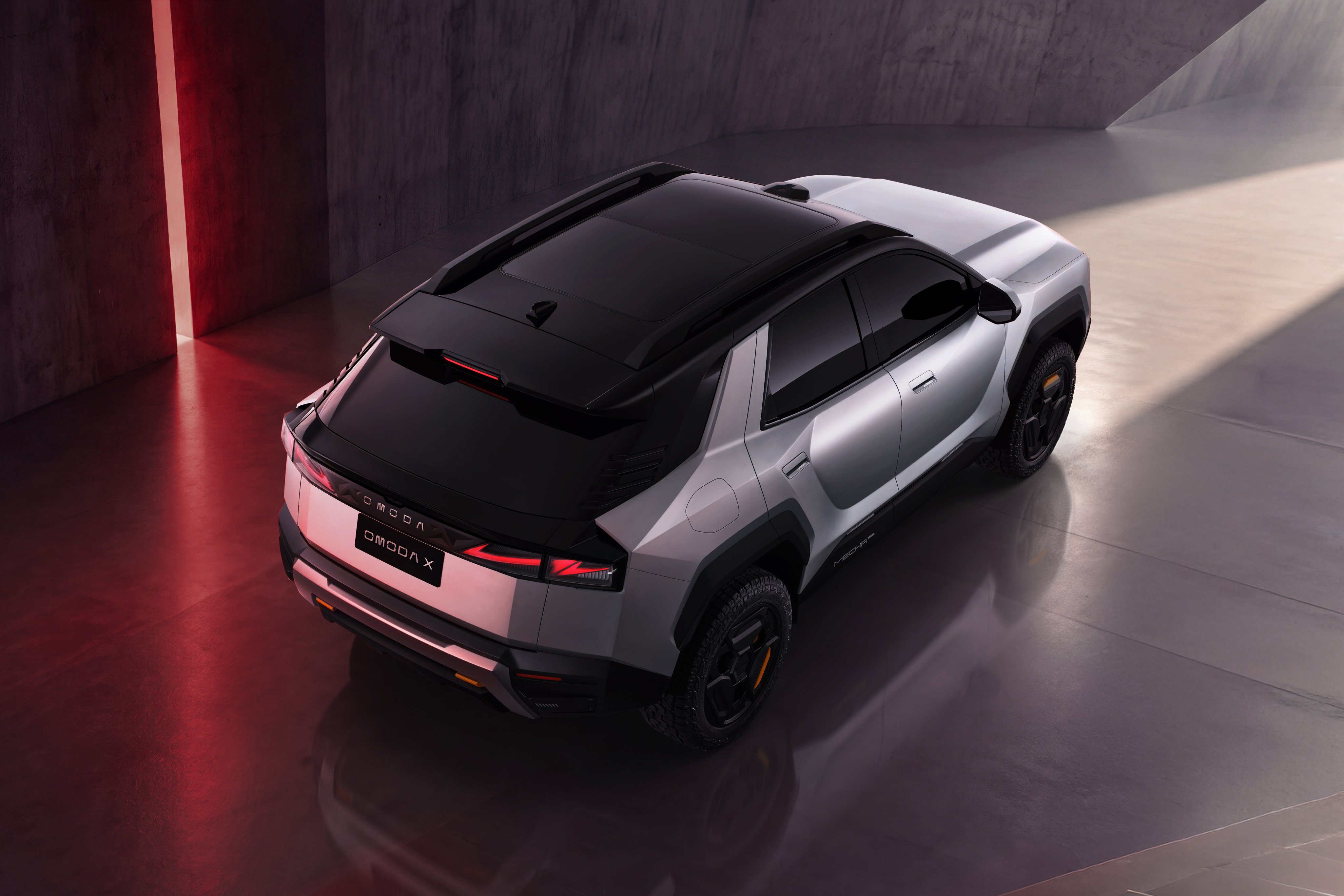
A studio view of the Omoda X highlights its sloping roofline and rear lighting signature.
A studio view of the Omoda X highlights its sloping roofline and rear lighting signature., Image: CarExpert

Night vision and cabin tech

The Omoda X marks a first for Omoda Jaecoo with an infrared thermal imaging system, which the brand says has a recognition range of up to 90 metres.

Inside, the Mecha Command Cockpit pairs a 10.25-inch digital instrument cluster with a 13.2-inch central touchscreen, and keeps physical toggle switches and rotary controls for functions such as air-conditioning and drive mode selection. Omoda claims 39 storage spaces throughout the cabin.

Full specifications have not been detailed, so battery size, charging rates, power and torque outputs and the range figures for both the PHEV and EV versions are still to be confirmed. The night vision feature is a genuine differentiator in this class, though its real-world usefulness will depend on how the system performs in traffic and poor weather rather than on the claimed recognition distance alone.
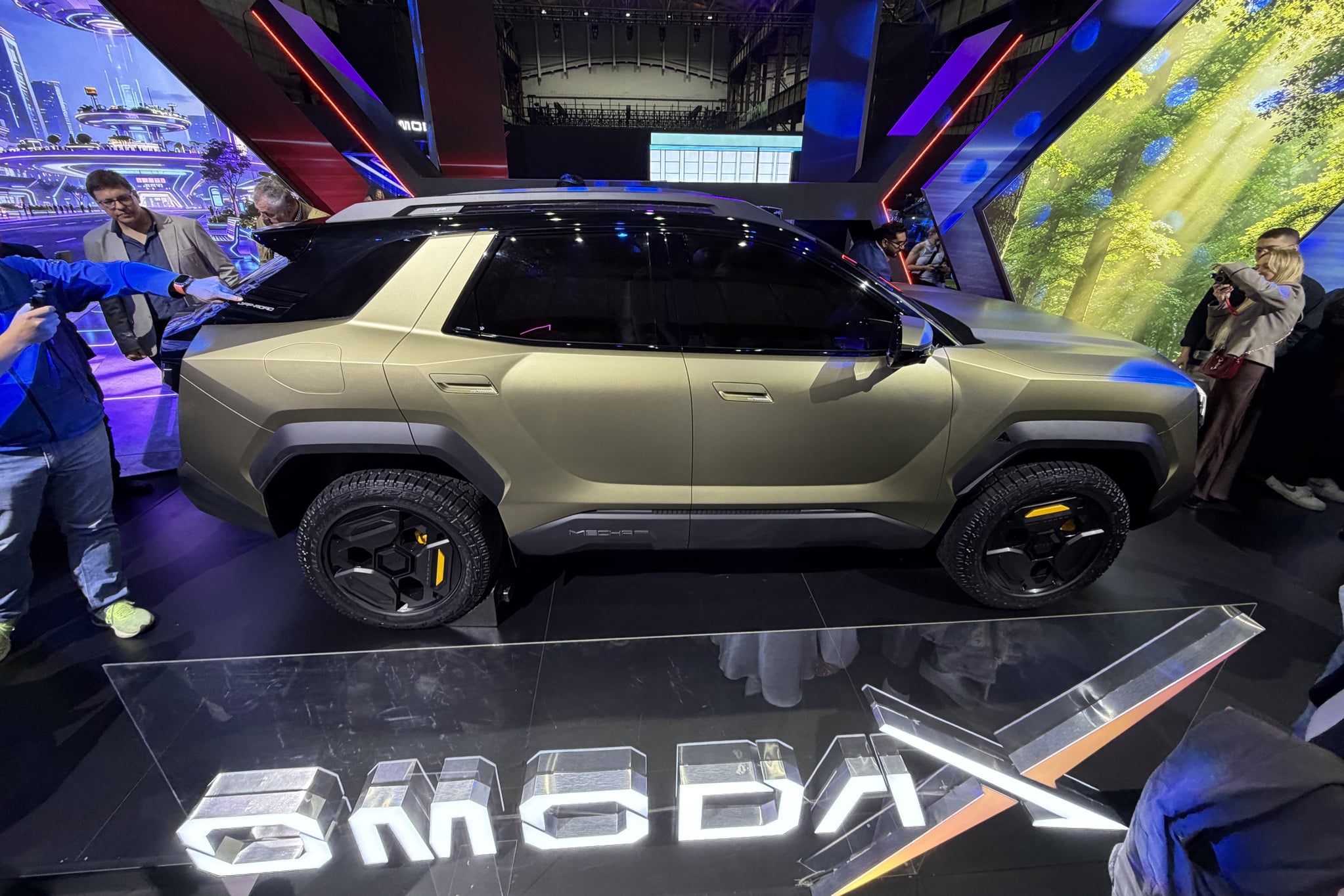
The Omoda X makes its Chinese debut with a boxier, tougher silhouette.
The Omoda X makes its Chinese debut with a boxier, tougher silhouette., Image: CarExpert

Where it fits in Australia

Omoda Jaecoo's local operation previewed the vehicle ahead of the Wuhu event without confirming it for sale in Australia. For Australian buyers, the brand's next confirmed additions are the Omoda 4 and Omoda 7, both due in the first half of 2027 after their local unveiling at Everything Electric Sydney in September.

The Omoda 4 is a small SUV aimed at models such as the Hyundai Kona and the Chery Group's own Jaecoo J5, while the Omoda 7 moves into the mid-size class occupied by the Toyota RAV4 and Jaecoo J7. That queue matters for anyone eyeing the X: the brand has a full pipeline of confirmed models to launch here first, so the X would likely sit behind them if it is eventually greenlit for Australia.
Open this article ↗
Electric / TDCN ORIGINAL

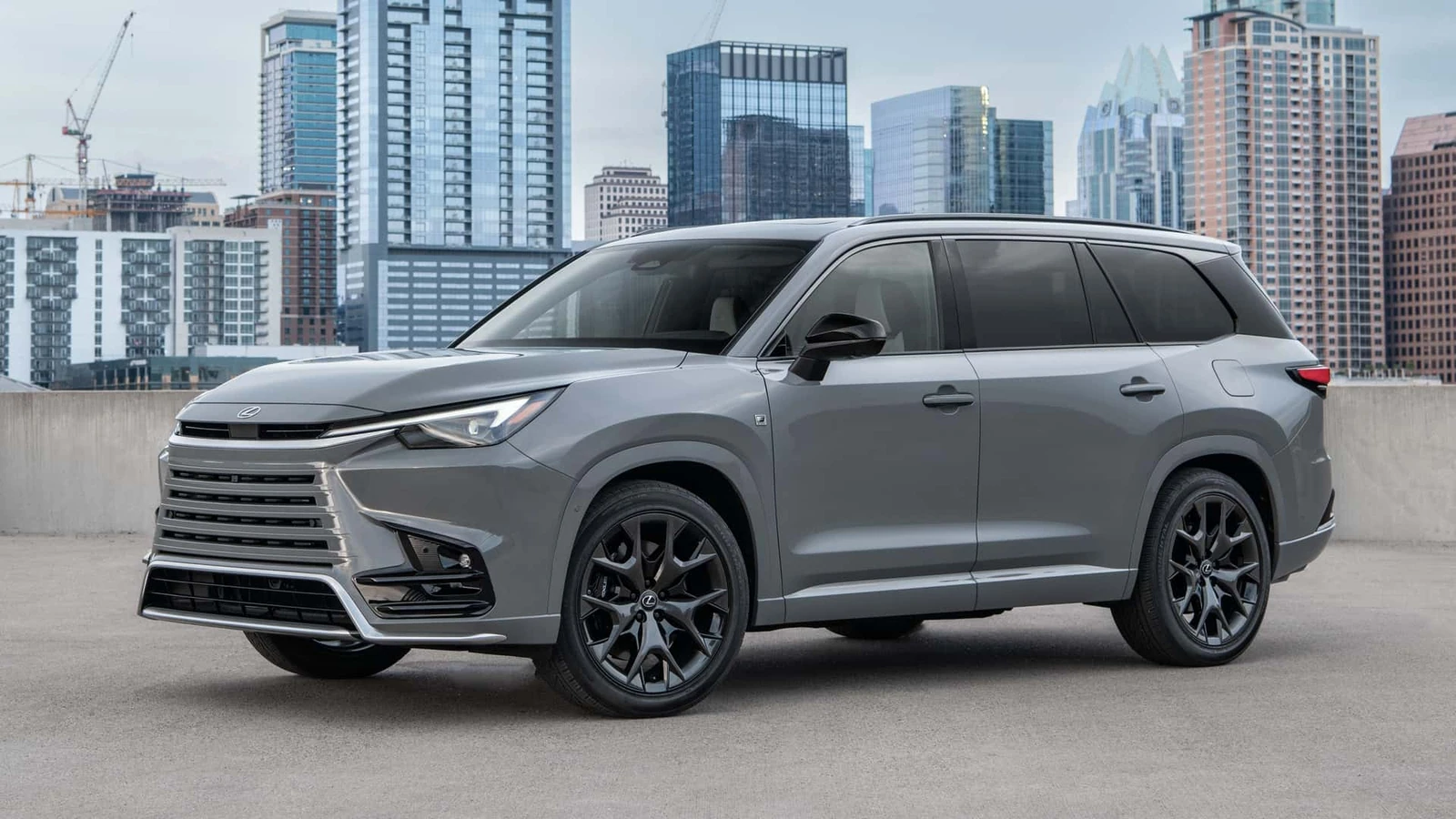
Lexus drops TX 550h+ plug-in hybrid for 2027, leaving two powertrains

The three-row SUV loses its only charge-port option after a single generation, as the new electric TZ arrives alongside the refreshed TX line.

Image: Motor1

Lexus has confirmed the TX 550h+ plug-in hybrid will not return for the 2027 model year, ending the three-row SUV's most electrified variant after a single generation on sale. The TX, launched for 2024, now offers just two powertrains for 2027: the TX 350 gasoline model and the TX 500h conventional hybrid.

Lexus has not publicly stated why the plug-in was dropped. The decision lands as the brand prepares to add the all-electric, three-row TZ SUV, which arrives for 2027 as an all-wheel-drive battery-electric alternative sitting alongside the gasoline and hybrid TX.

What replaces the plug-in

Buyers who want a three-row Lexus with a charge port are now pointed toward the upcoming TZ battery-electric model rather than a plug-in TX. Neither of the two remaining TX powertrains plugs in, so neither qualifies for the federal electric vehicle tax credit the 550h+ could claim.

The TZ's price, battery size and range have not been announced in the material available, so it is not yet possible to say how it compares with the TX 550h+ on cost or electric-only driving.

The two remaining TX powertrains

The TX 350 starts at $58,890 and uses a turbocharged 2.4-liter inline-four rated at 275 horsepower and 317 pound-feet of torque, paired with an eight-speed automatic. It is the only TX offered with front-wheel drive, though all-wheel drive is available across every trim; the optional AWD system shifts power from a 75:25 front-rear split to 50:50 depending on conditions. Fuel economy tops out at 23 miles per gallon combined.

The TX 500h is all-wheel drive only and starts at $72,410, $13,520 more than the base TX 350. Its hybrid system is built around the same 2.4-liter engine plus a 64-kilowatt front motor and a 76-kilowatt rear eAxle, for a combined 366 horsepower and 27 miles per gallon combined.

Lexus Safety System+ 3.0 is standard across the 2027 TX range, and the feature set carries over from 2026 at the same starting price, making the loss of the plug-in the main mechanical change this year.

Why the plug-in went

Public data confirm total TX sales volume in the United States each year but do not break out official powertrain splits for the TX 350, TX 500h and TX 550h+ in 2025 or 2026, so how many TX 550h+ models Lexus actually sold has not been disclosed.

The broader market pattern is clearer: conventional hybrid versions of three-row luxury crossovers outsell plug-in hybrids by a wide margin, particularly when the plug-in carries a higher sticker price and needs home charging to deliver its best fuel savings. That pattern fits the TX's position, where the plug-in sat above the conventional hybrid on price while depending on owners plugging in to realise its advantage. Dropping it simplifies the lineup for shoppers who never intended to charge at home, and hands the plug-in role to a dedicated EV instead of a compromised compromise.

Open this article ↗

Keep scrolling to read the next story.

Older articles →