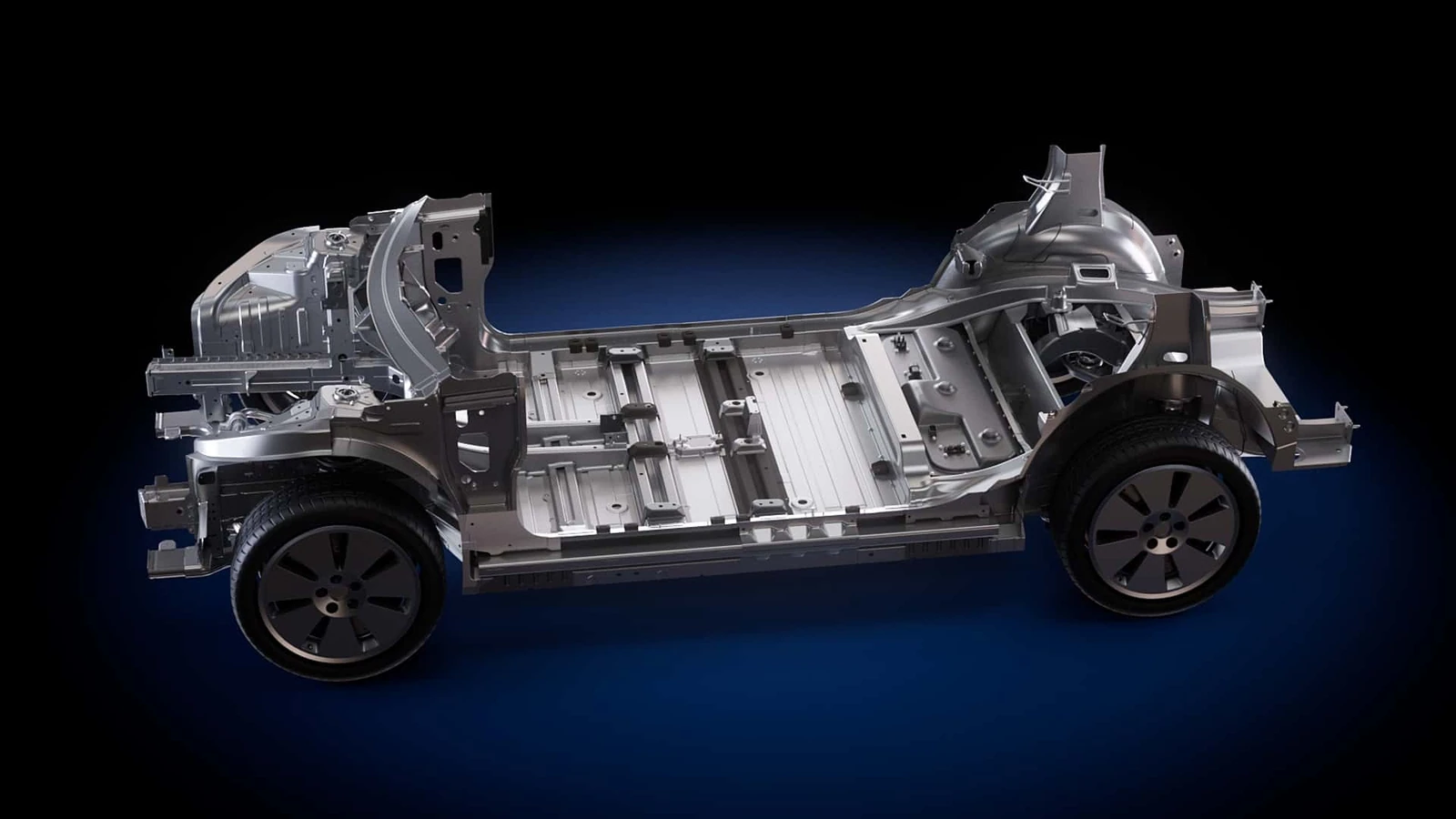
General Motors has confirmed that a fourth-generation electric vehicle platform is in development, built around lower-cost lithium manganese-rich (LMR) cells, company president Mark Reuss said at the GM Forward technology briefing in New York.
The announcement came as Reuss pushed back on suggestions that GM is retreating from electric cars, telling the event that the company is "not walking away" from EVs but "embracing" them.
A cheaper chemistry at the centre of the plan
GM says the new platform is designed for mainstream adoption and pairs the LMR cells with a new centralized computing platform. The company positions LMR as the key to cutting costs for both manufacturing and buyers, with the potential to undercut lithium-iron phosphate (LFP) batteries on price.
That cost claim is a manufacturer assertion, not an independently verified figure, and GM has not published energy density, range or charging numbers for the cells or the platform. The pitch matters because battery cost is the single biggest lever on whether an affordable EV can be sold at a profit, and LFP has become the default cheap chemistry for rivals. If LMR genuinely lands below LFP on cost, it would give GM a route to lower-priced cars without the packaging penalties of heavier packs.
What GM has not announced
No timeline was given at the briefing, and GM has not said when the fourth-generation platform will reach production or which models will use it. Range, charging speed and pricing for any vehicle on the architecture are also unannounced.
The only visual released was a rendering of the fourth-generation chassis sent to press, with GM describing further details as scarce. Readers should treat the platform as confirmed in principle but unscheduled in practice: there is no on-sale date to plan around and no confirmed first model.
Why GM is making the argument now
The context is a difficult stretch for GM's current Ultium architecture, which has not delivered the sales the company expected, with several electric products falling short of targets. Gas trucks have returned to the centre of the product plan, Bolt production is ending with fewer units built than anticipated, and Honda's variants of GM's Ultium cars have been discontinued.
Reuss framed the softer US market as temporary. "We're a global company; one of every four vehicles sold around the world is [an EV], and that number is only rising," he said, adding that GM continues to develop future EVs and work to reduce battery costs, and will be ready "when the U.S. market is ready for EVs in large numbers".
He also pointed to China, where electrified vehicles vastly outnumber pure combustion cars, and to European markets where new EV sales are already outpacing ICE. The strategic read inside GM is that slower US demand is a timing problem rather than a destination problem, and that a manufacturer without a competitive EV platform will be left behind.
What it changes for buyers
For now, nothing immediate: the cars GM sells today still ride on Ultium, and the fourth-generation platform has no confirmed production slot. The signal that matters is directional. GM is committing to a cheaper chemistry and a simplified electrical architecture rather than withdrawing, which suggests its next wave of mainstream EVs will be pitched at lower price points than the current Ultium lineup.
The catch is that a cost-focused platform only pays off if it arrives while rivals are still competing on price. GM has confirmed the engineering direction without committing to a date, so the competitive question is timing, not intent.