INDEPENDENT AUTOMOTIVE NEWSGLOBAL PERSPECTIVE / AUSTRALIAN EDITION
TDCNTHE DAILY
CAR NEWS.

The road ahead.
Every day.

RSS ↗
Latest/Safety

145 original articles

Safety / TDCN ORIGINAL

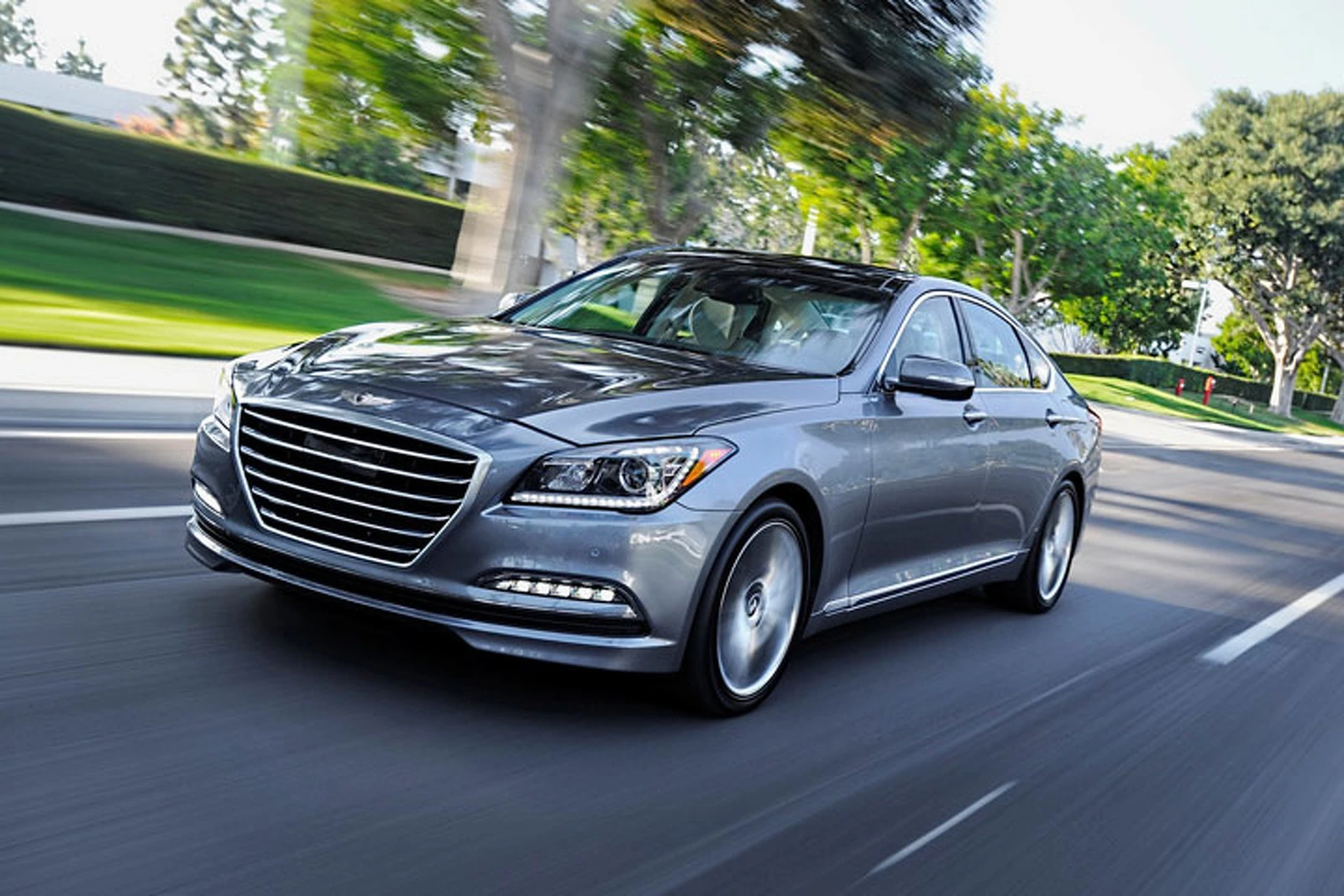
Hyundai tells owners of 94,622 Genesis sedans to park outside until seat-switch fix is ready

The US recall covers 2015-2016 Genesis and 2017-2020 G80 sedans with non-memory power seats, after two thermal events including one confirmed fire.

Image: Motor1

Hyundai Motor America has recalled 94,622 Genesis sedans in the United States and told owners to park them outdoors, away from buildings, garages and other vehicles, because a damaged power-seat switch can overheat and catch fire.

The campaign covers certain 2015-2016 Hyundai Genesis sedans and 2017-2020 Genesis G80 sedans built with non-memory power-seat assemblies, and the remedy is still being developed.

Which cars are affected

NHTSA recall number 26V664000 splits the population into 54,644 Hyundai Genesis sedans from model years 2015 and 2016, and 39,978 Genesis G80 sedans from 2017 through 2020. Hyundai filed the recall paperwork on October 8.

Owners can check whether their car is included by entering its 17-character vehicle identification number in NHTSA's online recall lookup, which went live on October 13.

The recall is the latest in a run of campaigns on this generation of Genesis sedan. Earlier recalls on the same cars addressed separate electrical faults linked to the anti-lock braking system and the starter.

How a stuck switch starts a fire

The fault lies in the front power-seat control switch. If the switch is dislodged or physically damaged, it can jam in an engaged position even with the ignition off and the driver out of the car.

A jammed switch keeps the seat-adjustment motor running instead of shutting it down, and that continuous electrical load can overheat the motor and create a fire risk.

Hyundai has recorded one confirmed fire and one further thermal event connected to the defect. No crashes or injuries have been reported.

The failure mode is similar to seat-motor fire recalls regulators have flagged elsewhere in the industry, and it lands in a wider wave of park-outside warnings issued for fire risk on millions of US vehicles this year.

What owners should do, and when the fix arrives

Hyundai is asking owners to watch for a burning smell from the seat area and to check that the seat-control switches still work normally. Either sign is a reason to move the car away from structures immediately and contact a Genesis or Hyundai dealer.

"Hyundai is advising affected owners to park their vehicles outdoors and away from buildings, garages, and other vehicles until repairs can be completed," the automaker said in its recall notice.

Hyundai has not announced when the fix will be available or when owners will be notified to schedule the work. The remedy remains under development, so the park-outside guidance stands until a repair is ready.

That gap is the part that matters most to owners. A recall with no repair date leaves drivers managing the risk themselves, and the practical advice is simple: treat the car as a fire hazard until a dealer has the parts and the procedure to fix it. Checking the VIN now is worth the few minutes, because a car that is not covered needs no change in routine, while a covered one should be moved away from the house tonight.
Open this article ↗
Australia / TDCN ORIGINAL

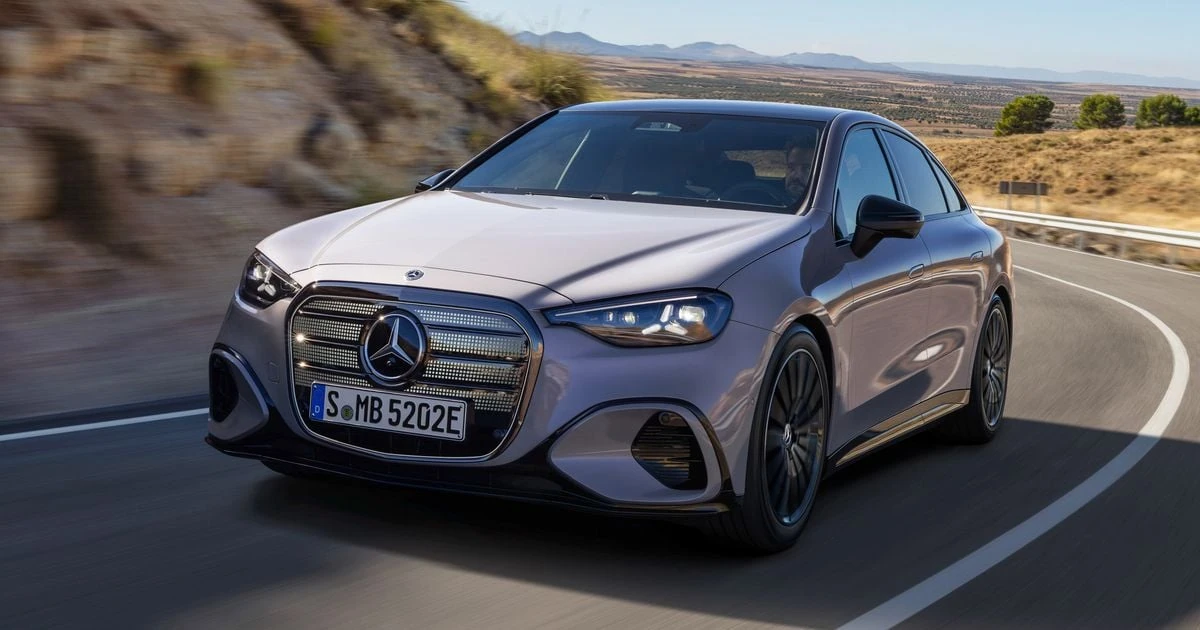
Mercedes-Benz C400 electric priced for Australia at $105,700, arrives early 2027

The single-variant C-Class EV undercuts the BMW i3 50 xDrive and offers 753km WLTP range from a 94kWh battery.

Mercedes-Benz will launch an electric version of its C-Class in Australian showrooms early in 2027, priced at $105,700 before on-road costs in a single variant called the C400 4Matic. The electric sedan sits almost exactly halfway between the BMW i3 40 xDrive and 50 xDrive on price, with those rivals listed at $96,900 and $112,900 plus on-roads respectively.

The C400 pairs a 94kWh nickel manganese cobalt battery with a dual-motor all-wheel drive powertrain producing 360kW and 800Nm, for a claimed 0-100km/h time of 4.0 seconds. Mercedes-Benz quotes 753km of WLTP range and 16.1kWh/100km energy consumption on the same cycle.

How it compares with the BMW i3

The range figure slots the C400 between its two BMW rivals: the i3 40 xDrive is rated at 566-710km WLTP from an 82.8kWh battery, while the i3 50 xDrive claims 912km from 108.7kWh. On power and torque the Mercedes has the edge, with the i3 40 xDrive making 275kW and 520Nm and the i3 50 xDrive 345kW and 645Nm, and claimed 0-100km/h times of 5.4 and 4.7 seconds.

That matters because the C400 is not the cheapest option in this comparison, nor the longest-legged. Mercedes is pitching it as the middle ground: more performance than the entry i3, a smaller battery and shorter range than the flagship i3, and a price that lands between the two. For buyers weighing a premium electric sedan, the decision comes down to whether they value the extra power and torque over the BMW's larger battery option.

Charging, drivetrain and dimensions

The C-Class electric uses an 800V electrical system, and Mercedes-Benz claims a 10-80 per cent DC fast charge takes 22 minutes. Maximum DC charging power is 330kW and maximum AC charging is 11kW. A two-speed transmission on the rear axle uses second gear at higher speeds to sustain power delivery and aid efficiency.

The car is offered only as a four-door sedan, measuring 4883mm long, 1892mm wide and 1503mm tall on a 2962mm wheelbase. Cargo capacity is 470L in the boot plus 101L under the bonnet.

Warranty and safety status

Mercedes-Benz backs its vehicles with a five-year, unlimited-kilometre warranty, and the battery carries a separate eight-year, 160,000km warranty. Service pricing for the C-Class electric has not been announced.

The car has not yet been assessed by independent safety authorities ANCAP or Euro NCAP. Standard equipment for the Australian-market C400 has also not been announced; the source material lists a 'Standard' heading but provides no details beneath it.

Open this article ↗

Keep scrolling to read the next story.

Older articles →