INDEPENDENT AUTOMOTIVE NEWSGLOBAL PERSPECTIVE / AUSTRALIAN EDITION
TDCNTHE DAILY
CAR NEWS.

The road ahead.
Every day.

RSS ↗
Latest/Electric

147 original articles

Electric / TDCN ORIGINAL

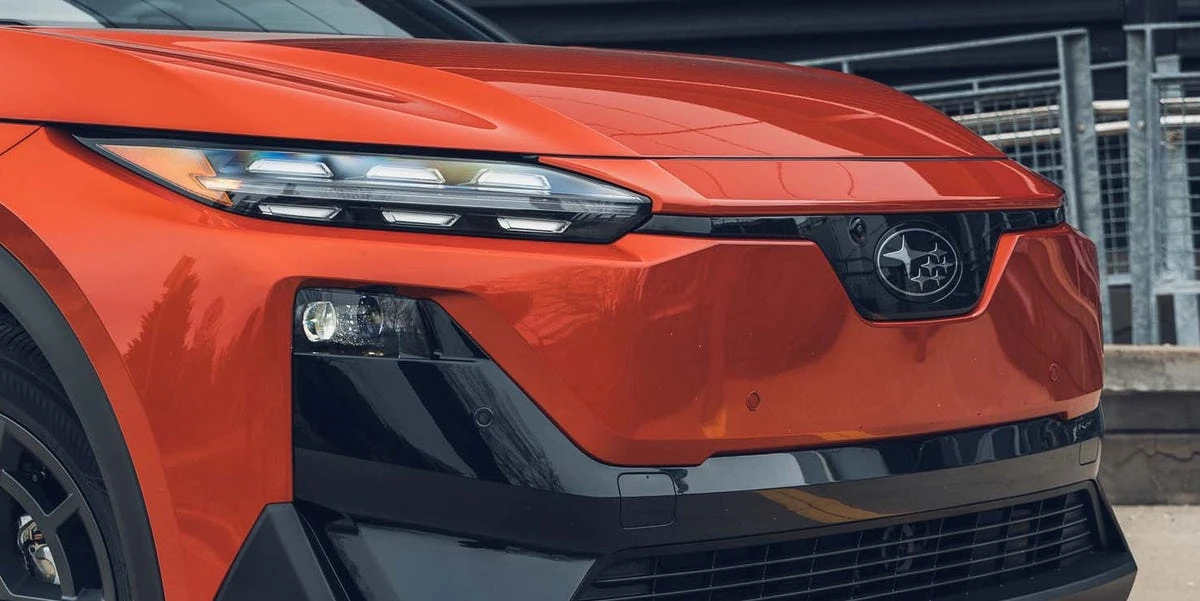
Subaru details in-house EV platform with 510 hp dual-motor test mule

The Outback-based prototype previews a dedicated electric architecture with a Panasonic cylindrical-cell battery, though Subaru has not named the first model or its price.

Subaru has revealed the first technical details of a dedicated electric vehicle platform developed in-house, shown in Japan in a test mule built on an Outback body with a longer wheelbase. The prototype uses two electric motors for all-wheel drive producing around 510 horsepower, with Subaru claiming a 0 to 62 mph time of under four seconds.

The architecture marks a shift away from the Toyota-led powertrains behind Subaru's current electric SUVs, the subcompact Uncharted, compact Solterra, wagon-like Trailseeker and the three-row Getaway due early next year. Subaru executives did not give a specific timeline for when the in-house EVs would arrive, but said some of the technologies would reach customers starting in 2029.

What the prototype packs

The front motor is rated at 201 horsepower and the rear at 308 horsepower, combining for the roughly 510 hp figure. The e-motors were developed with Aisin, a supplier within the Toyota Group, and are more compact and lighter than those in Subaru's current EV lineup. Engineers told Automotive News the motors are 30 percent more efficient than the industry average.

The battery was developed with Panasonic Energy under a joint programme that began in September 2024. It uses 4000 cylindrical cells and is claimed to be 25 percent lighter than Subaru's previous pack, with Subaru targeting energy density 20 percent above the industry average.

Subaru says the platform brings a new battery, new electric motors and a new integrated control unit, plus the capability for over-the-air updates. The whole platform is said to be around 220 pounds lighter than existing ones.

Safety changes and the wider plan

The front section has been reworked to absorb crash energy in a way that better shields passengers and the battery, and the front motor is designed to rotate in a crash to help soften the impact.

Alongside the EV work, Subaru said it is developing more efficient combustion engines for future petrol and hybrid models, and a next-generation Eyesight driver-assistance system that uses artificial intelligence and a new electronic control unit.

What Subaru has not announced

Several things a buyer would want to know remain open. Subaru has not named the first production model to use the platform, has not announced pricing in any market, and has not published range figures or the production battery capacity. The 2029 date covers when some of the technologies reach customers, not a launch date for a specific vehicle.

The test mule's 510 hp and sub-four-second acceleration are manufacturer claims for a prototype, not independently measured results, and the range question cannot be answered from the figures released so far.

The strategic logic is clear enough. Subaru is a small player that leaned on Toyota, its largest shareholder, to get a jumpstart on electrification, but an executive told Automotive News the company needs its own EV technology to preserve its identity, particularly around all-wheel drive and advanced safety systems. Owning the platform gives Subaru control over the two traits it sells on, rather than inheriting them from a partner's package.
Open this article ↗
Safety / TDCN ORIGINAL

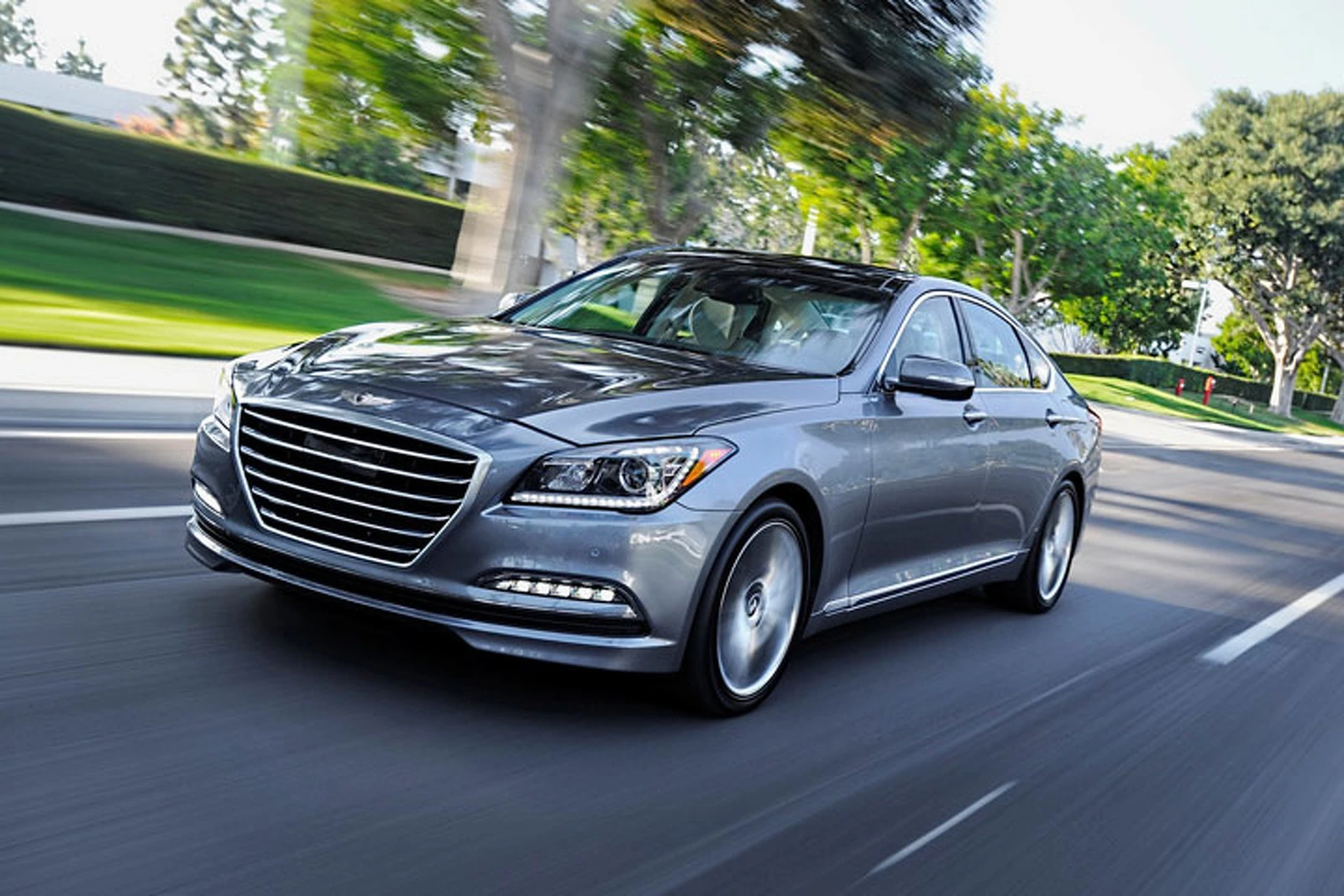
Hyundai tells owners of 94,622 Genesis sedans to park outside until seat-switch fix is ready

The US recall covers 2015-2016 Genesis and 2017-2020 G80 sedans with non-memory power seats, after two thermal events including one confirmed fire.

Image: Motor1

Hyundai Motor America has recalled 94,622 Genesis sedans in the United States and told owners to park them outdoors, away from buildings, garages and other vehicles, because a damaged power-seat switch can overheat and catch fire.

The campaign covers certain 2015-2016 Hyundai Genesis sedans and 2017-2020 Genesis G80 sedans built with non-memory power-seat assemblies, and the remedy is still being developed.

Which cars are affected

NHTSA recall number 26V664000 splits the population into 54,644 Hyundai Genesis sedans from model years 2015 and 2016, and 39,978 Genesis G80 sedans from 2017 through 2020. Hyundai filed the recall paperwork on October 8.

Owners can check whether their car is included by entering its 17-character vehicle identification number in NHTSA's online recall lookup, which went live on October 13.

The recall is the latest in a run of campaigns on this generation of Genesis sedan. Earlier recalls on the same cars addressed separate electrical faults linked to the anti-lock braking system and the starter.

How a stuck switch starts a fire

The fault lies in the front power-seat control switch. If the switch is dislodged or physically damaged, it can jam in an engaged position even with the ignition off and the driver out of the car.

A jammed switch keeps the seat-adjustment motor running instead of shutting it down, and that continuous electrical load can overheat the motor and create a fire risk.

Hyundai has recorded one confirmed fire and one further thermal event connected to the defect. No crashes or injuries have been reported.

The failure mode is similar to seat-motor fire recalls regulators have flagged elsewhere in the industry, and it lands in a wider wave of park-outside warnings issued for fire risk on millions of US vehicles this year.

What owners should do, and when the fix arrives

Hyundai is asking owners to watch for a burning smell from the seat area and to check that the seat-control switches still work normally. Either sign is a reason to move the car away from structures immediately and contact a Genesis or Hyundai dealer.

"Hyundai is advising affected owners to park their vehicles outdoors and away from buildings, garages, and other vehicles until repairs can be completed," the automaker said in its recall notice.

Hyundai has not announced when the fix will be available or when owners will be notified to schedule the work. The remedy remains under development, so the park-outside guidance stands until a repair is ready.

That gap is the part that matters most to owners. A recall with no repair date leaves drivers managing the risk themselves, and the practical advice is simple: treat the car as a fire hazard until a dealer has the parts and the procedure to fix it. Checking the VIN now is worth the few minutes, because a car that is not covered needs no change in routine, while a covered one should be moved away from the house tonight.

Open this article ↗

Keep scrolling to read the next story.

Older articles →