INDEPENDENT AUTOMOTIVE NEWSGLOBAL PERSPECTIVE / AUSTRALIAN EDITION
TDCNTHE DAILY
CAR NEWS.

The road ahead.
Every day.

RSS ↗
Latest/Australia

147 original articles

Australia / TDCN ORIGINAL

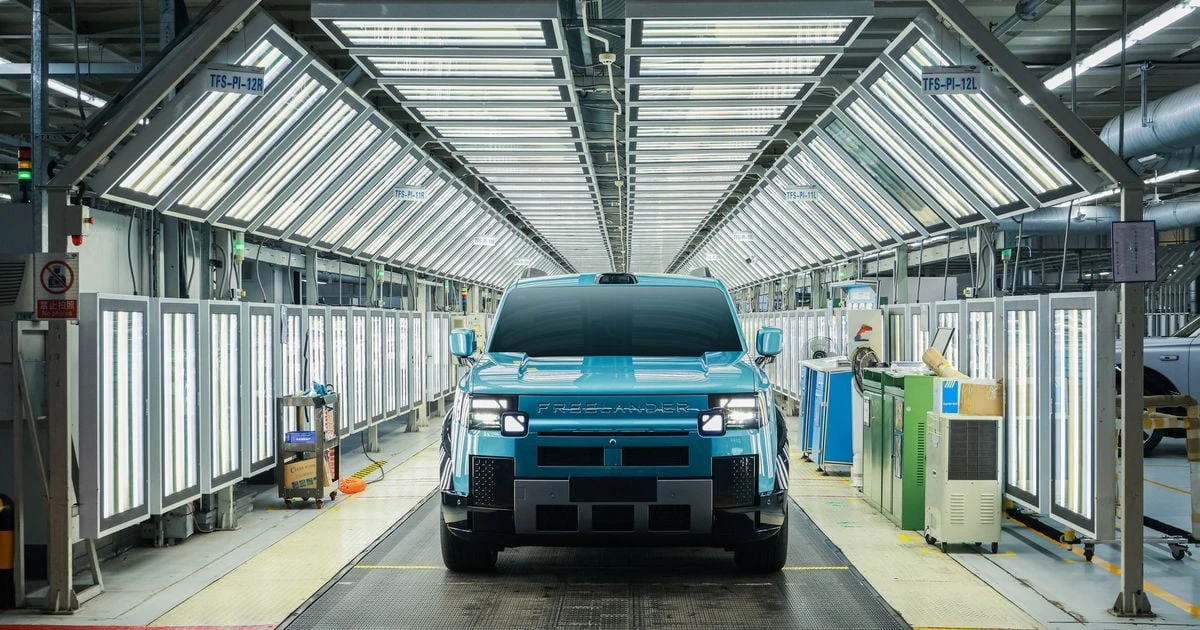
Freelander 8 enters production in China ahead of 2027 Australian launch

The revived Chery-JLR brand's first SUV has started rolling off the line at Changshu, backed by a US$440 million factory upgrade, but Australian pricing and powertrain details remain unannounced.

Freelander has begun building its first production model, the Freelander 8, at a factory in Changshu near Shanghai, with the large SUV due in Australian showrooms in 2027. The start of production was confirmed by JLR in its August financial update, which marked the July 30, 2026 milestone, while Chery said manufacturing for international markets was also underway.

The launch is backed by a US$440 million (about A$630 million) upgrade of the Changshu plant, which Freelander describes as a comprehensive overhaul of its intelligent manufacturing system for new energy vehicle production. That spending sits within a wider investment in the site that Freelander now puts at more than US$3.1 billion (about A$4.44 billion).

What the Changshu investment covers

Freelander confirmed the scale of the manufacturing upgrade in written answers supplied to media, saying the US$440 million had been dedicated to the new energy vehicle production system. An August manufacturing announcement explicitly included that upgrade within the larger US$3.1 billion total for the facility.

The previously disclosed factory upgrade supports the brand's international manufacturing program, and no separate Australian production allocation appears in the media material. Neither JLR's financial update nor Chery's announcement specified a production start for Australia or how many vehicles are earmarked for this market.

Changshu gives the new brand an established manufacturing base previously used to build Jaguar and Land Rover vehicles, including the Range Rover Evoque and Discovery Sport. The partners' original June 2024 announcement proposed licensing the Freelander name to the joint venture for vehicles using Chery's electric vehicle architecture, with the new models to be built alongside the factory's existing range. By May 2025 there were reports of plans to phase out the plant's Jaguar and Land Rover models to make room for Freelander.
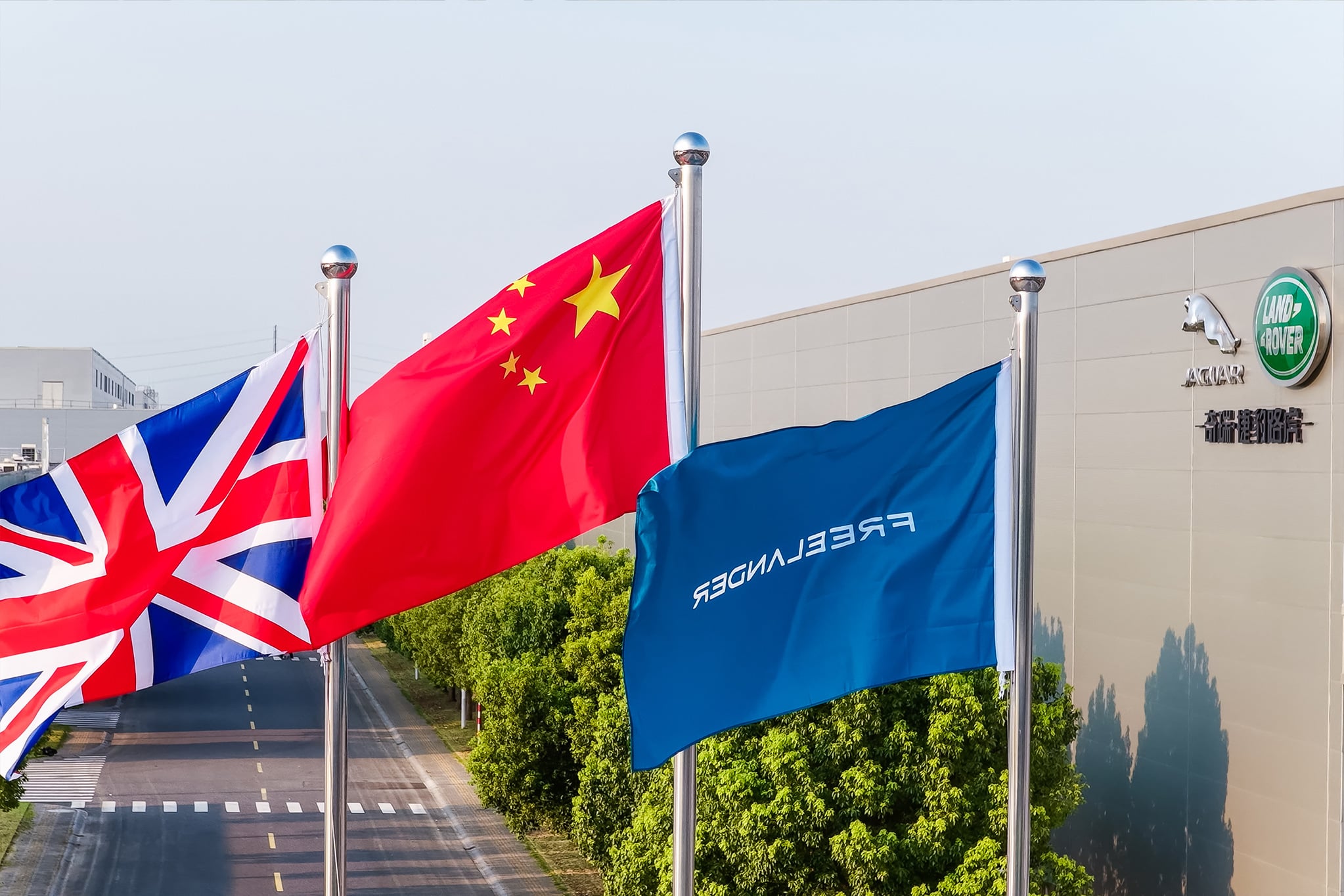
British heritage meets Chinese manufacturing at the Changshu plant
British heritage meets Chinese manufacturing at the Changshu plant, Image: CarExpert

Australian timing, pricing and powertrain still open

The Freelander 8 is due in Australia in 2027, but Australian pricing and the local model lineup remain unannounced. Readers asking what the SUV will cost here will not find an answer yet: no Australian pricing has been released, and the sources give no indication of when it might be.

The same applies to the powertrain. Freelander has not published details of the production 8's electric or electrified drivetrain in the material available, so power, torque, battery size and range figures for the Australian car cannot be stated. The factory investment is framed around new energy vehicle production, which points to an electrified line-up, but the specific specification has not been confirmed.

The brand's structure differs sharply from the original Land Rover Freelander. JLR owns the name and has set up a dedicated design hub to lead its design, while Chery provides technology and supply-chain support, and Freelander operates separately from JLR.
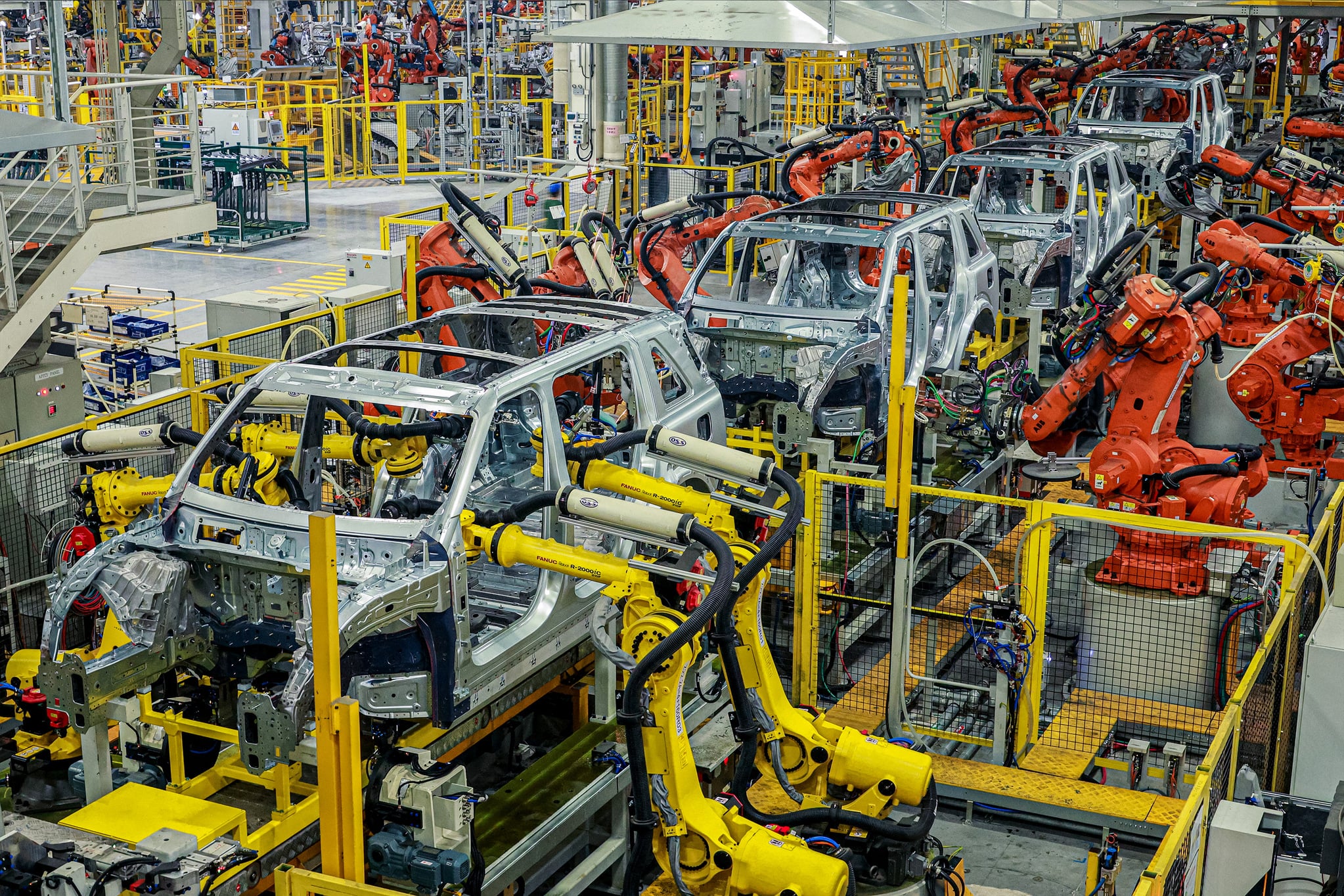
Robotic body assembly at the Changshu facility producing the Freelander 8
Robotic body assembly at the Changshu facility producing the Freelander 8, Image: CarExpert

A familiar name on unfamiliar foundations

Reviving a badge with the Freelander's history carries expectations, and the new operation is not a straightforward continuation of the old model line. The name is owned by JLR, the engineering and supply chain come from Chery, and the vehicles are built in China rather than in the UK.

For Australian buyers, the practical effect is that the Freelander 8 will arrive as a Chery-engineered, JLR-designed SUV built on a Chinese production line that once turned out Range Rover Evoque and Discovery Sport models. The Changshu upgrade suggests the joint venture is treating the brand as a long-term electrified play rather than a short experiment, though the Australian allocation remains the open question.
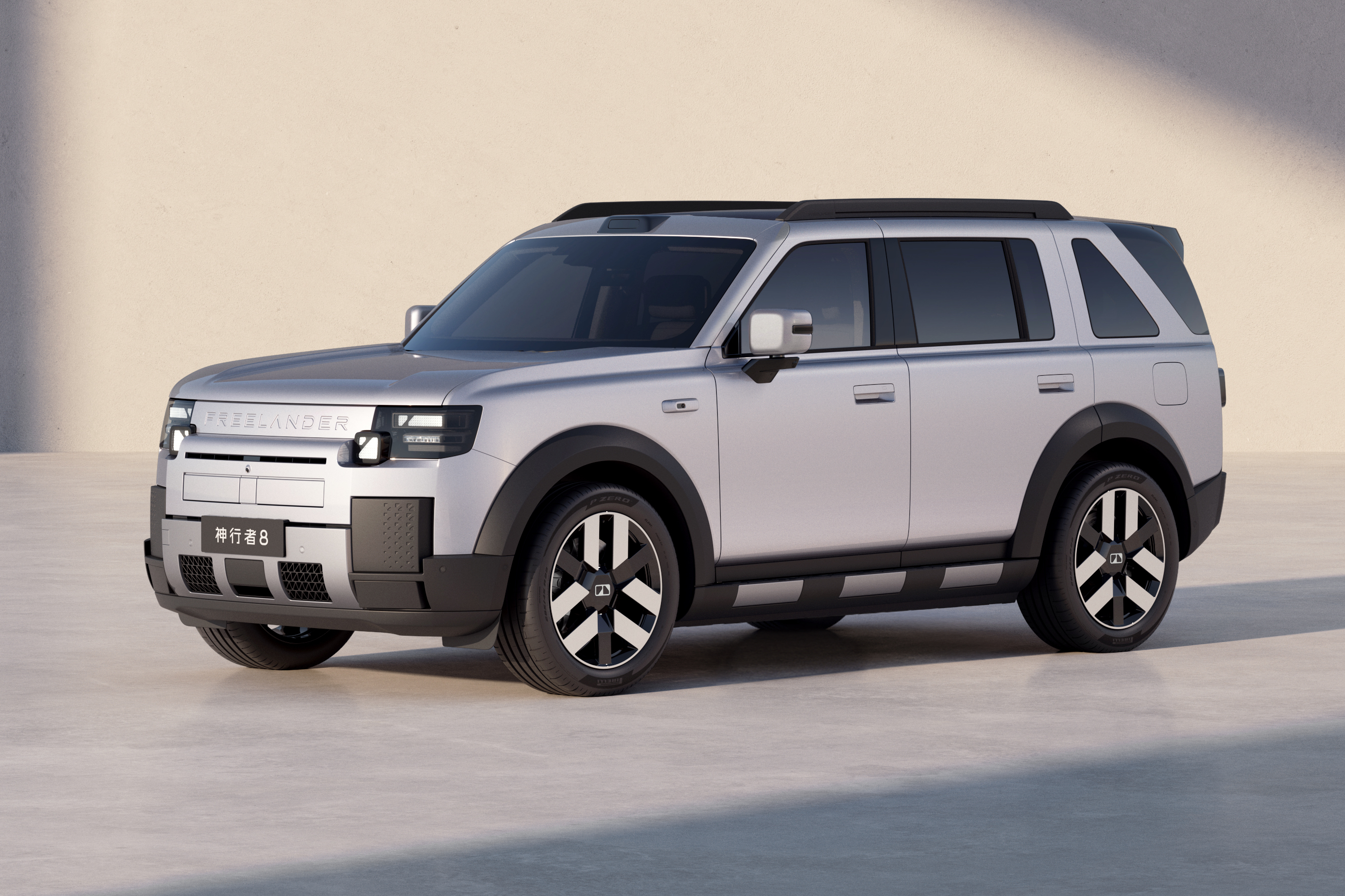
The Freelander 8, now rolling off the line in Changshu, China
The Freelander 8, now rolling off the line in Changshu, China, Image: CarExpert
Open this article ↗
Electric / TDCN ORIGINAL

Subaru details in-house EV platform with 510 hp dual-motor test mule

The Outback-based prototype previews a dedicated electric architecture with a Panasonic cylindrical-cell battery, though Subaru has not named the first model or its price.

Subaru has revealed the first technical details of a dedicated electric vehicle platform developed in-house, shown in Japan in a test mule built on an Outback body with a longer wheelbase. The prototype uses two electric motors for all-wheel drive producing around 510 horsepower, with Subaru claiming a 0 to 62 mph time of under four seconds.

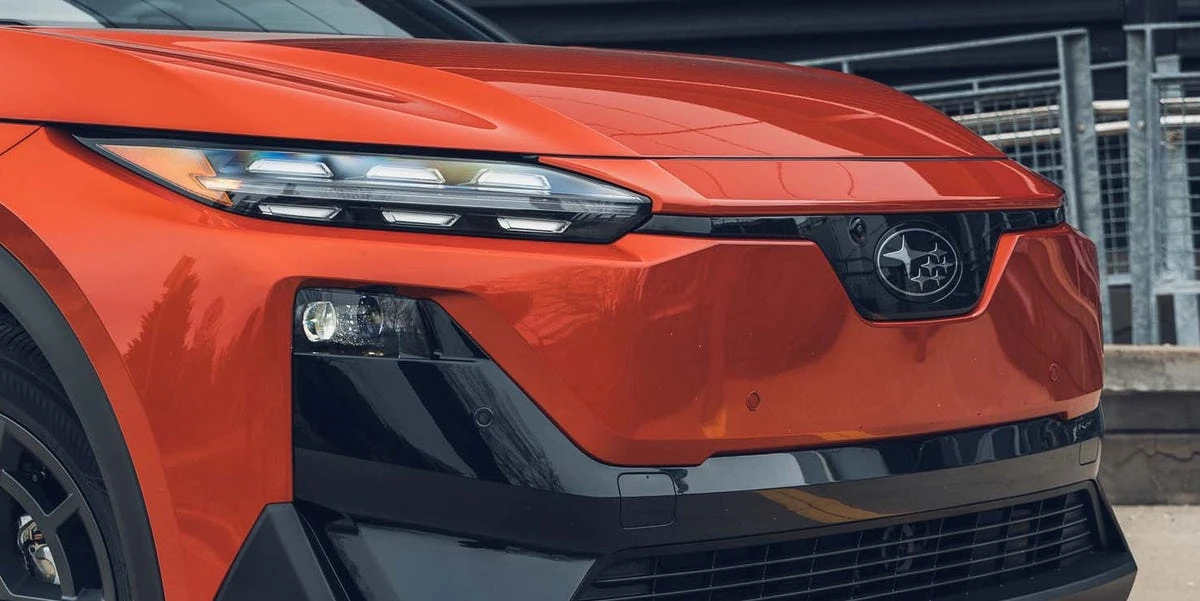
The architecture marks a shift away from the Toyota-led powertrains behind Subaru's current electric SUVs, the subcompact Uncharted, compact Solterra, wagon-like Trailseeker and the three-row Getaway due early next year. Subaru executives did not give a specific timeline for when the in-house EVs would arrive, but said some of the technologies would reach customers starting in 2029.

What the prototype packs

The front motor is rated at 201 horsepower and the rear at 308 horsepower, combining for the roughly 510 hp figure. The e-motors were developed with Aisin, a supplier within the Toyota Group, and are more compact and lighter than those in Subaru's current EV lineup. Engineers told Automotive News the motors are 30 percent more efficient than the industry average.

The battery was developed with Panasonic Energy under a joint programme that began in September 2024. It uses 4000 cylindrical cells and is claimed to be 25 percent lighter than Subaru's previous pack, with Subaru targeting energy density 20 percent above the industry average.

Subaru says the platform brings a new battery, new electric motors and a new integrated control unit, plus the capability for over-the-air updates. The whole platform is said to be around 220 pounds lighter than existing ones.

Safety changes and the wider plan

The front section has been reworked to absorb crash energy in a way that better shields passengers and the battery, and the front motor is designed to rotate in a crash to help soften the impact.

Alongside the EV work, Subaru said it is developing more efficient combustion engines for future petrol and hybrid models, and a next-generation Eyesight driver-assistance system that uses artificial intelligence and a new electronic control unit.

What Subaru has not announced

Several things a buyer would want to know remain open. Subaru has not named the first production model to use the platform, has not announced pricing in any market, and has not published range figures or the production battery capacity. The 2029 date covers when some of the technologies reach customers, not a launch date for a specific vehicle.

The test mule's 510 hp and sub-four-second acceleration are manufacturer claims for a prototype, not independently measured results, and the range question cannot be answered from the figures released so far.

The strategic logic is clear enough. Subaru is a small player that leaned on Toyota, its largest shareholder, to get a jumpstart on electrification, but an executive told Automotive News the company needs its own EV technology to preserve its identity, particularly around all-wheel drive and advanced safety systems. Owning the platform gives Subaru control over the two traits it sells on, rather than inheriting them from a partner's package.

Open this article ↗

Keep scrolling to read the next story.

Older articles →