INDEPENDENT AUTOMOTIVE NEWSGLOBAL PERSPECTIVE / AUSTRALIAN EDITION
TDCNTHE DAILY
CAR NEWS.

The road ahead.
Every day.

RSS ↗
Latest/Electric

117 original articles

Electric / TDCN ORIGINAL

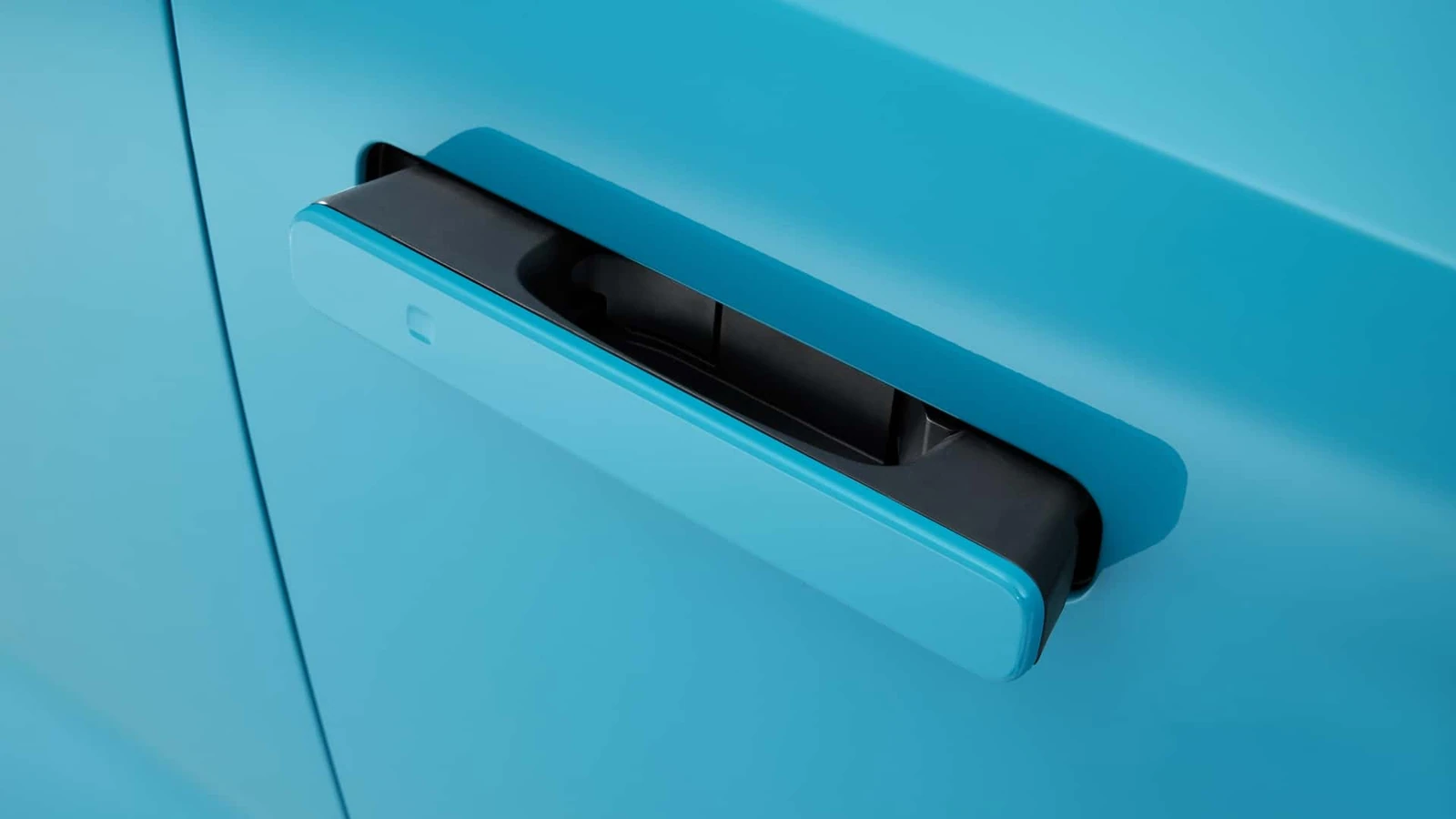
China drafts rules to ban fully electric pop-out door handles from 2027

The draft also forces mechanical releases, 2.4 by 0.8 inch grab spaces, physical controls for wipers and lights, and 18,600 miles of durability testing.

Image: Motor1

China's market regulator has drafted safety rules that would ban fully electric, power-retracting door handles on new cars from January 1, 2027, requiring doors to open even when the power fails.

The draft also sets a July 1, 2027 paperwork deadline for models already on sale, and spells out when a hidden-handle design could trigger a production halt.

The rules target the flush, power-retracting handles that sit level with the body and pop out electronically, a design popularised by cars like the Tesla Model S. Under the draft, any external handle that depends on power to present and release would be banned outright. Semi-hidden or recessed designs could stay, but only if the handle can be operated mechanically and offers a grab space of at least 2.4 inches by 0.8 inch for a hand to pull.

The draft goes beyond handles. It would require physical controls for safety-critical functions like exterior lights, windshield wipers and defogging, pulling those tasks out of touchscreen-only menus.

Paperwork, testing and 51 extra parameters

From January 1, 2027, any manufacturer applying to register a new vehicle design in China would have to submit extra technical data and safety-validation material if the design uses what regulators call an "innovative" feature, with hidden door handles high on that list. Reports on the draft describe 51 additional parameters regulators want documented for new vehicle registrations, covering structural and software reliability, environmental adaptability, heating and cooling performance, and sealing against water and dust.

Innovative designs would also face real-world durability testing covering at least 18,600 miles.

Vehicles already approved for sale are not exempt. Automakers have until July 1, 2027 to submit extra technical and validation materials for any already certified model, including the China-market BMW iX3, which does without pop-out handles. A separate door-handle safety standard gives in-market vehicles a longer transition period to complete any hardware changes.

What happens if an automaker misses the deadline

Missing the paperwork does not automatically pull a car from the road. The production-halt and recall rules apply only to vehicles that miss the documentation deadline and are later found to carry a genuine safety risk.

The real exposure sits with automakers that let the July 2027 deadline lapse on a model with an undocumented or weakly tested design. In that case the draft calls for an immediate production stop and a recall plan filed with the regulator, similar to the Tesla door handle recall in China.

The direction of travel is clear: China wants a mechanical fallback for anything that matters in an emergency, and it wants the engineering evidence on file before cars reach customers. For brands selling flush-handled EVs in China, the choice is to add a lever and a grab space, or revert to conventional handles, and both routes cost engineering time against a fixed 2027 clock. The draft status matters here, none of this is final regulation yet, so the details could still move before it is finalised.
Open this article ↗
Electric / TDCN ORIGINAL

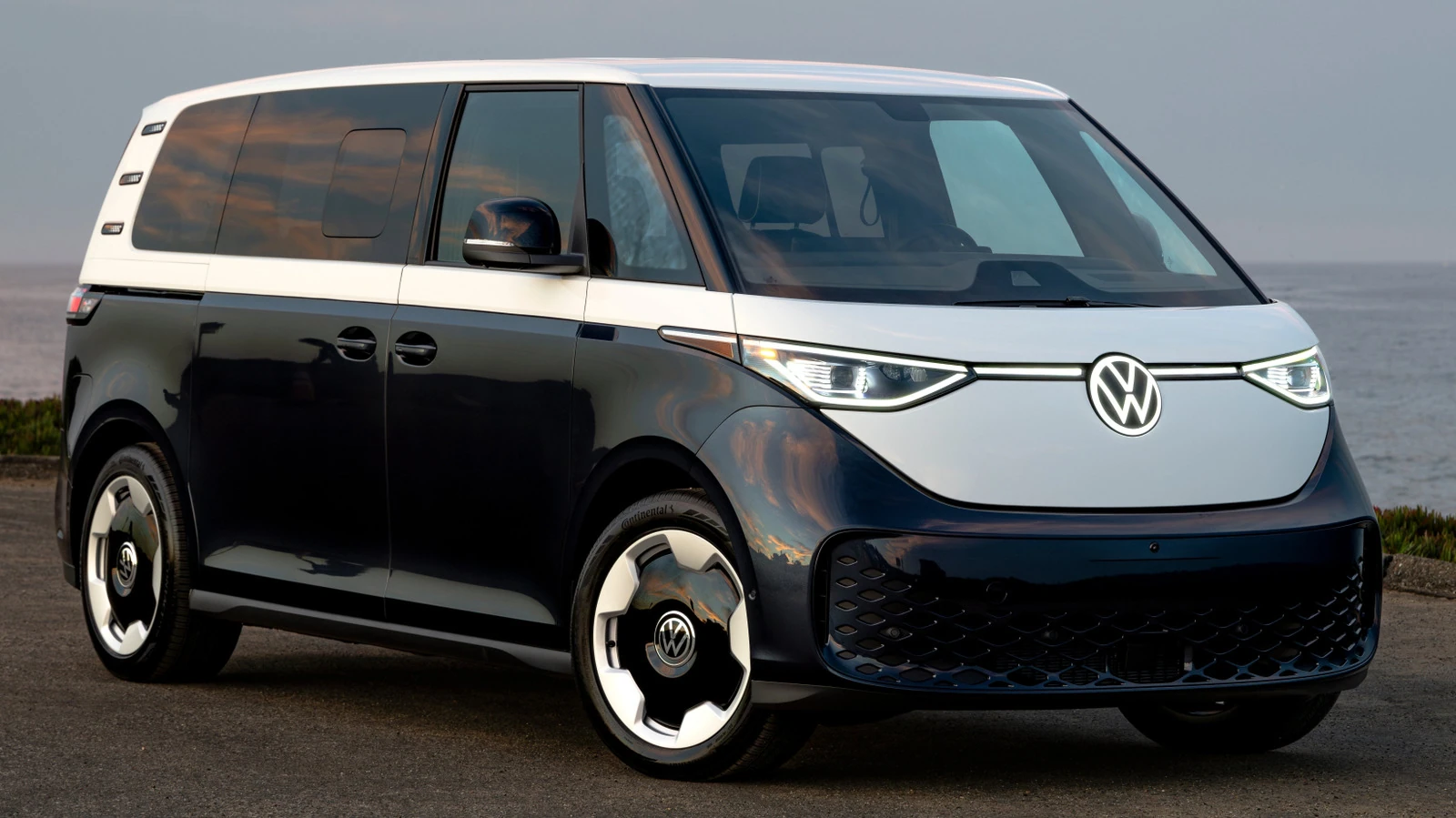
VW confirms a second-generation ID Buzz on the SSP platform, aimed at cutting costs

CEO Thomas Schäfer says the next electric van will get cheaper lithium iron phosphate batteries and longer range, with a debut likely after 2030.

Image: Carscoops

Volkswagen has confirmed that a second-generation ID Buzz is in development, with the next electric van set to move from the current MEB architecture to the group's Scalable Systems Platform. VW CEO Thomas Schäfer revealed the plan in an interview with Auto Express at the 2026 Paris Motor Show, adding that cutting the price will be a priority because the current model sits on what he called the wrong cost base.

The admission matters because the ID Buzz has struggled to meet VW's initial sales expectations, particularly in the United States, even though Schäfer says Americans love the retro-styled van.

Schäfer was blunt about the commercial problem. He said the electric minivan's current pricing makes it "difficult to really be successful and get into volume in the market". The fix, he indicated, starts with the battery: lithium iron phosphate packs and other cost-saving measures would be gradually applied to bring the price down.

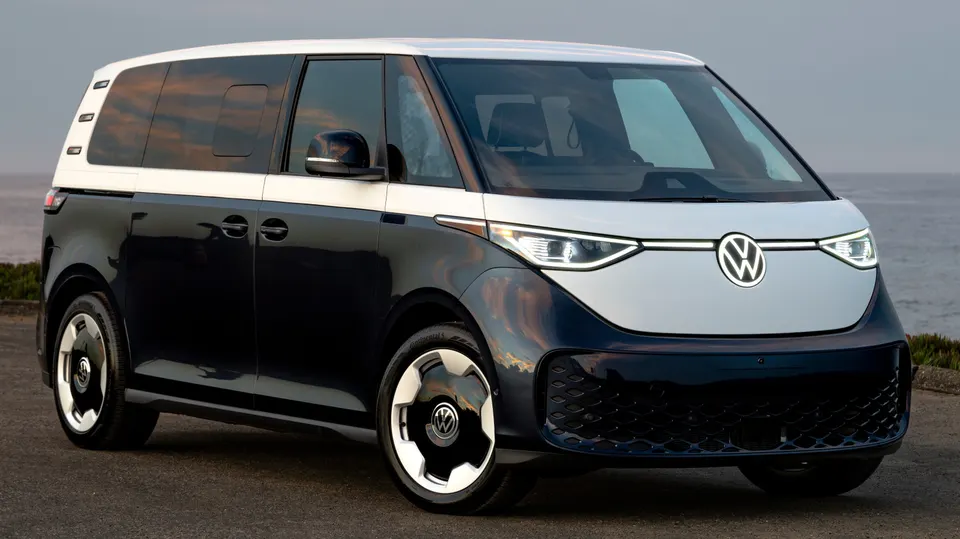
The current ID Buzz: the model VW will carry into a second generation on the SSP platform
The current ID Buzz: the model VW will carry into a second generation on the SSP platform, Image: Carscoops

SSP platform brings longer range and faster charging

The switch to the Scalable Systems Platform is the technical heart of the next generation. The modular SSP underpinnings are expected to debut in the ID Touareg before the end of the decade and are set to deliver longer range and faster charging across the VW lineup. For the Buzz, that would address one of the current van's clearest weaknesses: the long-wheelbase variant manages up to 234 miles of EPA range from its 86-kWh battery.

A cheaper battery chemistry plus a more efficient platform is the combination that could finally make the Buzz a volume seller rather than a niche halo car. The catch is timing, because a debut is likely to come after 2030.

A new look, but not another retro rerun

VW Group design chief Andreas Mindt hinted the next Buzz may not simply evolve the current retro theme. "I don't want to repeat a design over and over again, I think there's a dead end to it," he said, citing the new Beetle as a cautionary tale about iterating a nostalgic shape until audiences tire of it.

That said, Mindt promised any future van bearing the Buzz name would keep its character. "The ID Buzz is one of the interesting ones and when I do a van, I want to make an interesting one," he said.

What happens to the current car meanwhile

The existing ID Buzz arrived in production form in 2022, following the 2017 concept, and reached North America in mid-2023 as a 2025 model year vehicle. VW then skipped the 2026 and 2027 model years in North America, promising a comeback for 2028 with the European updates and a NACS charging port.

Those European updates, announced in April 2026, brought a new infotainment system, vehicle-to-load functionality and physical buttons on the steering wheel, though the divisive touch sliders survived. VW also unveiled the ID Buzz California camper in August 2026.

The current GTX flagship, with dual motors making 335 horsepower, could be replaced by a GTI-badged version, and VW's recent naming push, seen in the ID Polo, ID Cross, ID Tiguan and upcoming ID Golf, suggests the next van will lean on familiar monikers too. Schäfer said VW needs to lean on its icons, a pointed contrast with new brands that have no history.

No pricing for the next-generation ID Buzz has been announced, and VW has not given a confirmed on-sale date beyond indicating it is several years away.

Open this article ↗

Keep scrolling to read the next story.

Older articles →