INDEPENDENT AUTOMOTIVE NEWSGLOBAL PERSPECTIVE / AUSTRALIAN EDITION
TDCNTHE DAILY
CAR NEWS.

The road ahead.
Every day.

RSS ↗
Latest/New cars

122 original articles

New cars / TDCN ORIGINAL

Fire destroys six Cadillac Escalade IQ EVs at Texas dealership in 18-hour blaze

Crews used water and fire blankets to contain the Fort Worth inferno, which also damaged two other vehicles but injured no one.

Image: Motor1

A fire at Frank Kent Cadillac in Fort Worth, Texas, destroyed six electric SUVs that appear to be the $127,000-plus Cadillac Escalade IQ, along with damaging two other vehicles. The blaze took 17 hours and 33 minutes to control, starting during the day and continuing into the evening.

The Fort Worth Fire Department has not said what caused the fire, but it described the challenge of containing an EV blaze, which can burn hotter than a typical fire and is exceptionally difficult to extinguish partly because battery packs are so well sealed.

The fire broke out earlier this week at the dealership lot, where dozens of other cars were parked nearby. Crews used large volumes of water and placed special blankets over the vehicles to limit the flames while moving nearby cars away from the scene. Had the fire spread to the rest of the lot or the dealership building, the damage could have been far worse.

No one was injured. Frank Kent Cadillac thanked local firefighters on Facebook, writing that their quick response brought the fire under control before it could reach neighbouring businesses or surrounding grassland.
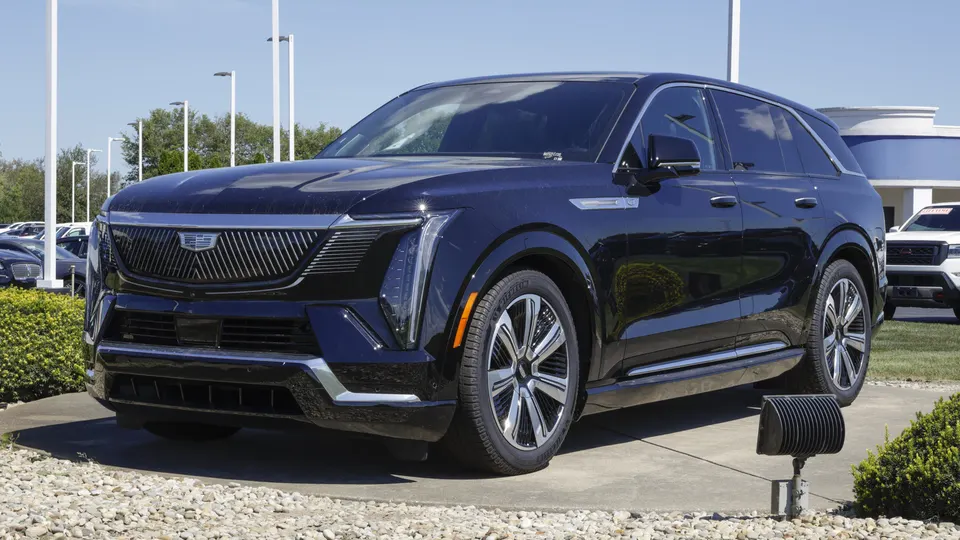
The Cadillac Escalade IQ, six of which were destroyed in the Texas dealership fire
The Cadillac Escalade IQ, six of which were destroyed in the Texas dealership fire, Image: Carscoops

EV fires burn hot and resist extinguishing

The local fire department notes that EV fires can burn much hotter than the average fire, and that the sealed construction of battery packs makes them exceptionally hard to put out. That difficulty is why the response ran to nearly 18 hours rather than the hour or so a conventional car fire might demand.

The episode is a reminder of a trade-off buyers rarely see in showroom brochures. EV fires occur far less often than fires in combustion-powered cars, but when one starts, the sealed battery pack that protects the cells in a crash also slows the crews fighting the fire.

Patents point to faster battery rescue

Stellantis has recently filed a patent showing a way to quickly separate a damaged battery from the vehicle, a sign manufacturers are working on the containment problem the Fort Worth crews faced. A patent is no guarantee of production hardware, but it shows where the industry's thinking is heading.

For dealership operators, the practical lesson is spacing and preparation. The Fort Worth fire stayed contained to eight vehicles because crews could isolate it; a denser lot or a hotter day could have told a different story.
Open this article ↗
Electric / TDCN ORIGINAL

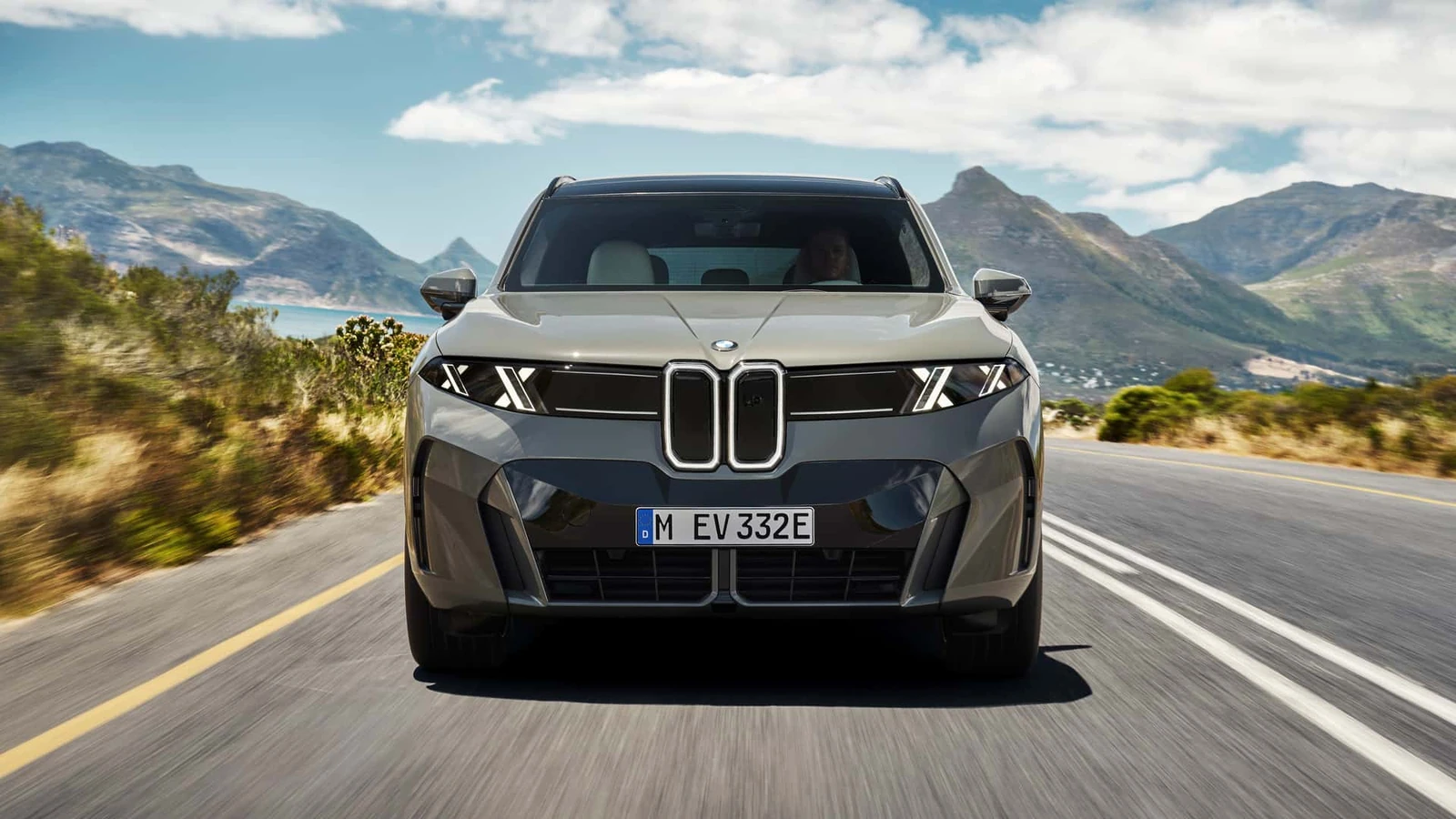
BMW iX5's EPA range estimate climbs to 450 miles ahead of US launch

BMW's product chief says the official EPA figure is still weeks away, but the electric X5's 144 kWh battery is already the largest the company has fitted to a production car.

BMW now expects its first electric X5 to be rated at 450 miles on the EPA cycle, up from the 435-mile target quoted when the iX5 60 xDrive was announced this summer. The figure is not yet official: BMW product manager John Kelly said the certified EPA estimate will arrive in the coming weeks.

Kelly shared the updated number at the press launch of the new X5 line in Newport Beach, California on Tuesday, calling 450 miles 'really fantastic for a vehicle like this'. The iX5 goes on sale in the first quarter of 2027.

Why BMW chased 450 miles

Michael Ahlers, head of the X5 project, told InsideEVs that BMW concluded 400 miles is the threshold beyond which customers stop worrying about range. The extra margin to around 450 miles is meant to cover real-world energy drains like highway speeds and air conditioning.

That logic tracks with where the market has gone. EVs with more than 400 miles of EPA range were a rarity until Tesla's Model S cracked the barrier in 2020, and the club is now growing quickly on the back of BMW's Neue Klasse models: the iX3 is rated at 435 miles and the i3 landed a 468-mile rating last month. The iX5 would slot in between them, and comfortably above the 400-mile psychological line the company itself identified.

The battery doing the work

The range comes from a 144-kilowatt-hour pack, the largest ever fitted to a BMW production vehicle and one of the largest seen in any SUV. The iX5 uses the same number and basic arrangement of cells as the iX3 and i3, but its 46120 cylindrical cells are 25 millimeters taller than the 4695 units in its siblings, which lifts total capacity.

Charging is rated at up to 460 kW, with a 10 to 80 percent charge taking 22 minutes according to BMW. Pricing for the iX5 has not been announced.

Open this article ↗

Keep scrolling to read the next story.

Older articles →