INDEPENDENT AUTOMOTIVE NEWSGLOBAL PERSPECTIVE / AUSTRALIAN EDITION
TDCNTHE DAILY
CAR NEWS.

The road ahead.
Every day.

RSS ↗
Latest/Electric

117 original articles

Electric / TDCN ORIGINAL

Porsche's next combustion Macan arrives in 2028 with a lower, wider body than the Audi Q5

The petrol SUV returns under the Sportswagenschmeide 35 plan and will be sold alongside the Macan Electric, with a design chief promising torpedo fenders.

Porsche has confirmed that a combustion-engined replacement for the Macan will arrive in 2028, sold in parallel with the Macan Electric as part of its new Sportswagenschmeide 35 strategy.

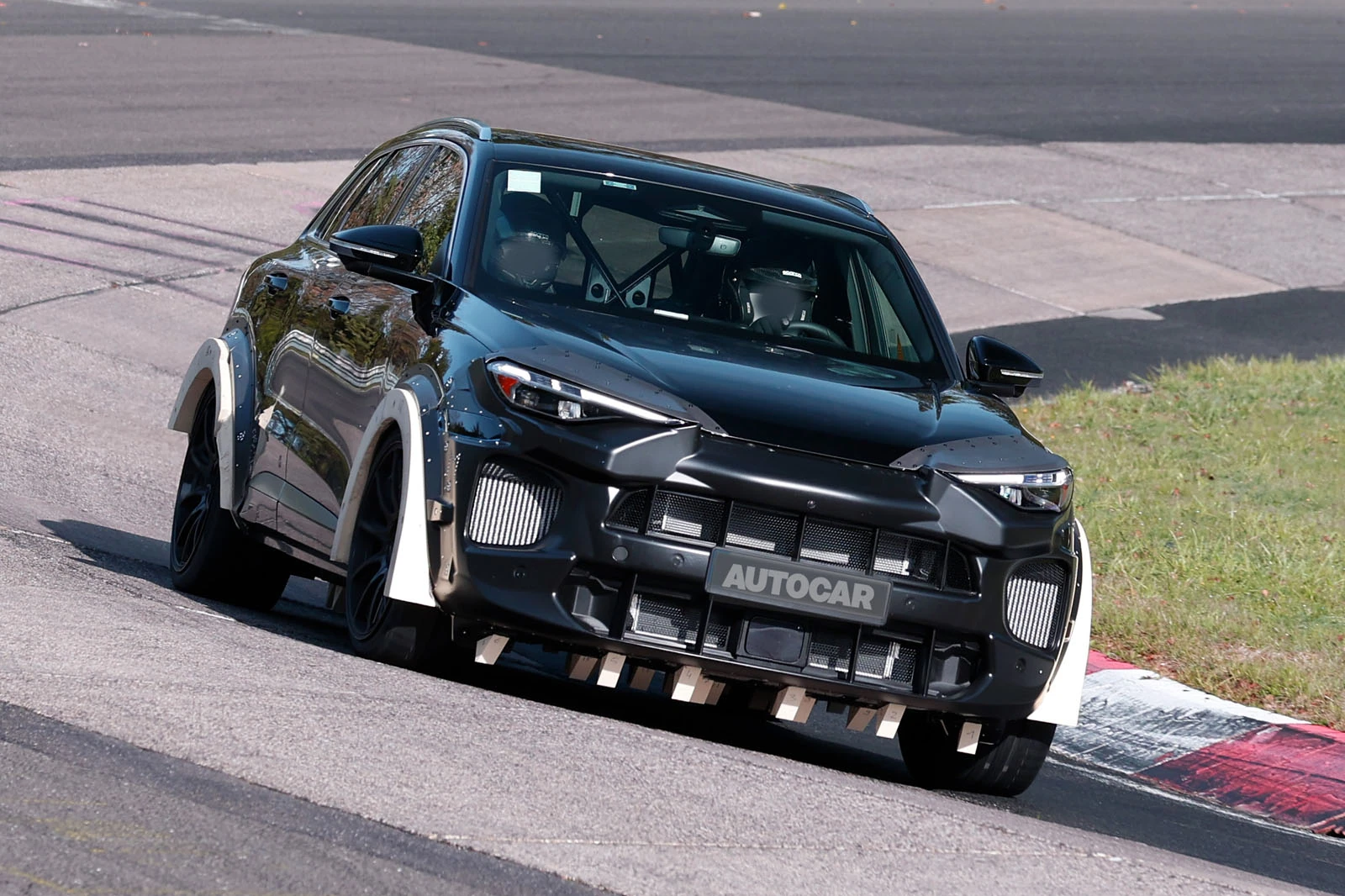
A test mule photographed wearing Porsche's usual black prototype paint shows the new SUV will share the Audi Q5's Premium Platform Combustion underpinnings but sit lower and wider, with wider wheel arches and a larger front grille than the Q5.

A Porsche shape on Q5 bones

The mule's wider arches and bigger grille mark it out from previous prototypes of new Q5 derivatives, and foam blocks around the arches and undertray are used to check ground clearance in real-world conditions. Those blocks are what suggest the production car will sit significantly lower and wider than the Q5, which should give it greater dynamic ability than its Audi sibling.

Porsche declined to comment on the images, but the brand's black prototype paint is a reliable tell: the company uses it on all its test cars, including the 718 Boxster Electric, Cayenne Electric and current Macan Electric.

Design chief: it must look like a Porsche

Little is known about the final styling, but new design chief Tobias Suhlmann has hinted it will look distinct from the Macan Electric.

"First of all, it should look like a Porsche. That is for me the overall target," Suhlmann said. "We've talked about torpedo fenders; you should see them also in an SUV. There are technical needs that are different in an EV and ICE, so you always need to design it in comparison to the technical bits that sit underneath the shape".

That last point matters for buyers weighing the two Macans: because the petrol car rides on a combustion platform rather than the EV's dedicated architecture, its proportions and details will necessarily differ, not just its grille.

Why Porsche is bringing petrol back

CEO Michael Leiters has called the new combustion Macan one of the company's "immediate priorities". The commercial logic is visible in the sales figures: production of the old petrol Macan ended in July, yet it still outsold the EV in the third quarter of this year, with 27,996 examples against 23,029.

Combined Macan sales of 51,025 were down 21% against the third quarter of 2025. Against that backdrop, a parallel-run petrol and electric pair gives Porsche two shots at the segment rather than one, at the cost of running two architectures side by side.

Value over volume

The new Macan forms part of a broader strategic overhaul in which Porsche is targeting profit over volume, making more money from fewer cars. Greater personalisation is central to that, lifting the average transaction price of each sale, a tactic that has paid off for luxury brands such as Bentley and Rolls-Royce.

Porsche is also evaluating the business case for a new mid-engined halo car on the "super-sports car platform" confirmed by Leiters, with the Mission S concept, unveiled tonight, expected to preview that model.

Pricing, engines and specifications for the 2028 Macan have not been announced.
Open this article ↗
Electric / TDCN ORIGINAL

China drafts rules to ban fully electric pop-out door handles from 2027

The draft also forces mechanical releases, 2.4 by 0.8 inch grab spaces, physical controls for wipers and lights, and 18,600 miles of durability testing.

Image: Motor1

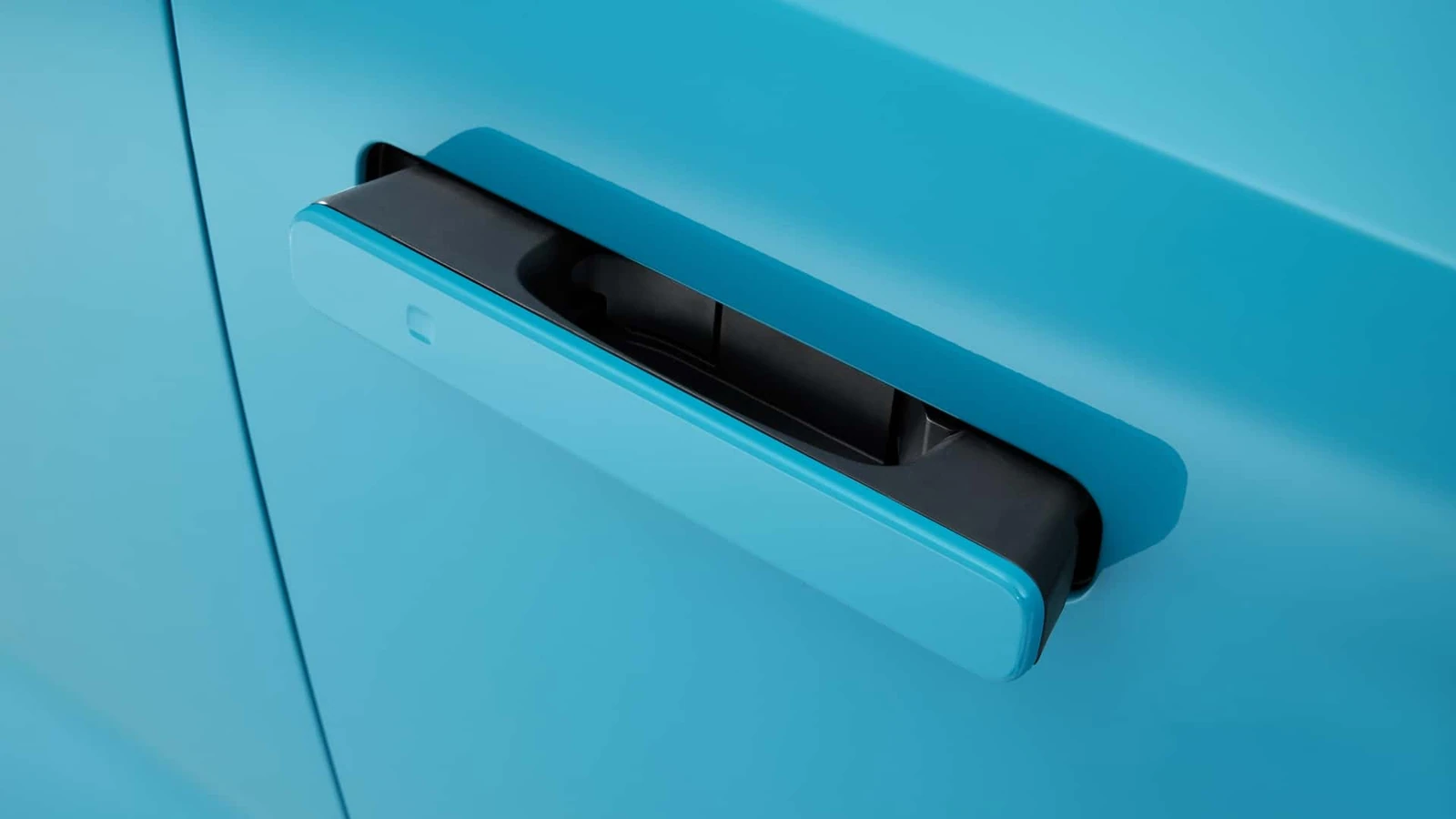
China's market regulator has drafted safety rules that would ban fully electric, power-retracting door handles on new cars from January 1, 2027, requiring doors to open even when the power fails.

The draft also sets a July 1, 2027 paperwork deadline for models already on sale, and spells out when a hidden-handle design could trigger a production halt.

The rules target the flush, power-retracting handles that sit level with the body and pop out electronically, a design popularised by cars like the Tesla Model S. Under the draft, any external handle that depends on power to present and release would be banned outright. Semi-hidden or recessed designs could stay, but only if the handle can be operated mechanically and offers a grab space of at least 2.4 inches by 0.8 inch for a hand to pull.

The draft goes beyond handles. It would require physical controls for safety-critical functions like exterior lights, windshield wipers and defogging, pulling those tasks out of touchscreen-only menus.

Paperwork, testing and 51 extra parameters

From January 1, 2027, any manufacturer applying to register a new vehicle design in China would have to submit extra technical data and safety-validation material if the design uses what regulators call an "innovative" feature, with hidden door handles high on that list. Reports on the draft describe 51 additional parameters regulators want documented for new vehicle registrations, covering structural and software reliability, environmental adaptability, heating and cooling performance, and sealing against water and dust.

Innovative designs would also face real-world durability testing covering at least 18,600 miles.

Vehicles already approved for sale are not exempt. Automakers have until July 1, 2027 to submit extra technical and validation materials for any already certified model, including the China-market BMW iX3, which does without pop-out handles. A separate door-handle safety standard gives in-market vehicles a longer transition period to complete any hardware changes.

What happens if an automaker misses the deadline

Missing the paperwork does not automatically pull a car from the road. The production-halt and recall rules apply only to vehicles that miss the documentation deadline and are later found to carry a genuine safety risk.

The real exposure sits with automakers that let the July 2027 deadline lapse on a model with an undocumented or weakly tested design. In that case the draft calls for an immediate production stop and a recall plan filed with the regulator, similar to the Tesla door handle recall in China.

The direction of travel is clear: China wants a mechanical fallback for anything that matters in an emergency, and it wants the engineering evidence on file before cars reach customers. For brands selling flush-handled EVs in China, the choice is to add a lever and a grab space, or revert to conventional handles, and both routes cost engineering time against a fixed 2027 clock. The draft status matters here, none of this is final regulation yet, so the details could still move before it is finalised.

Open this article ↗

Keep scrolling to read the next story.

Older articles →