INDEPENDENT AUTOMOTIVE NEWSGLOBAL PERSPECTIVE / AUSTRALIAN EDITION
TDCNTHE DAILY
CAR NEWS.

The road ahead.
Every day.

RSS ↗
Latest/New cars

133 original articles

New cars / TDCN ORIGINAL

Holden Dealer Team owner Kenny Habul confirms three prototypes for a new HDT road car

The Bathurst 12 Hour winner says an HDT-reimagined car is still a long way off, but the recipe is already taking shape.

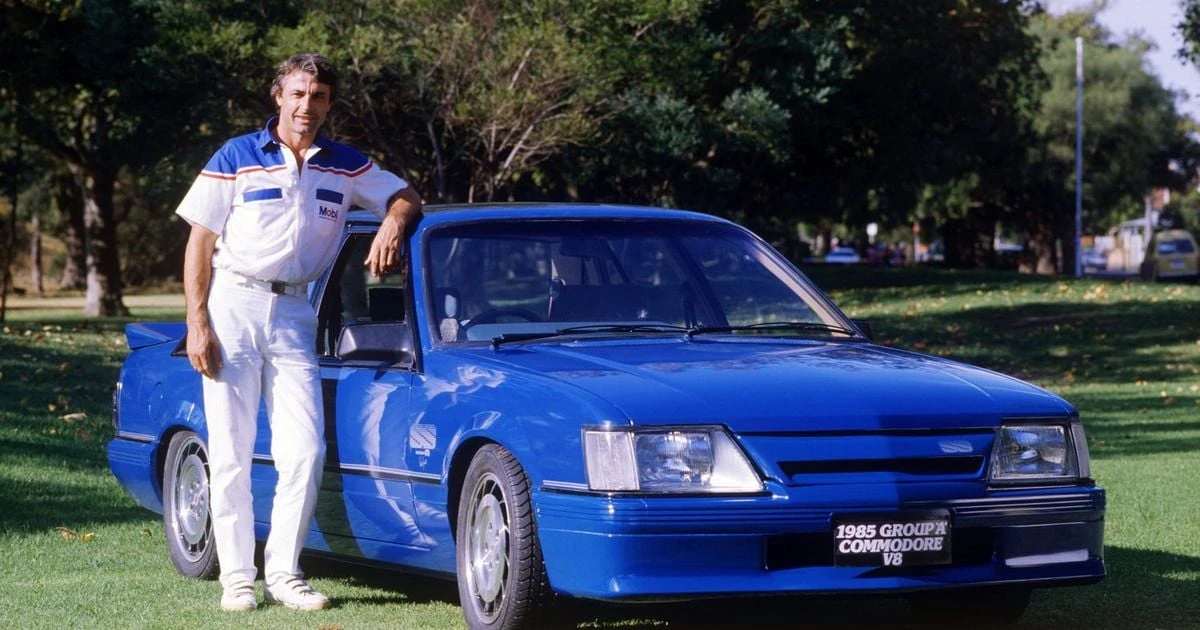
The revived Holden Dealer Team is working on three prototypes of a new road car, according to owner Kenny Habul, who says the project is still in its early stages. The HDT name is best known for the Brock Commodores of the 1980s, the street-legal production cars that funded Peter Brock's purchase of the race team at the end of 1979.

Habul, a two-times Bathurst 12 Hour winner and friend of Brock, told media this week that a team is in place and the prototypes are under way, while cautioning that much work remains before an HDT-reimagined car can be shown publicly.

"It's early days but we have a team. We're working on three prototypes at the moment," Habul said. "There is a lot of work to do before we have an HDT-reimagined car to present, but there is a fundamental recipe that I think will be very impressive".

No details of the car itself have been released: no base vehicle, powertrain, timing or price has been confirmed, and Habul has not said when the prototypes will be shown.
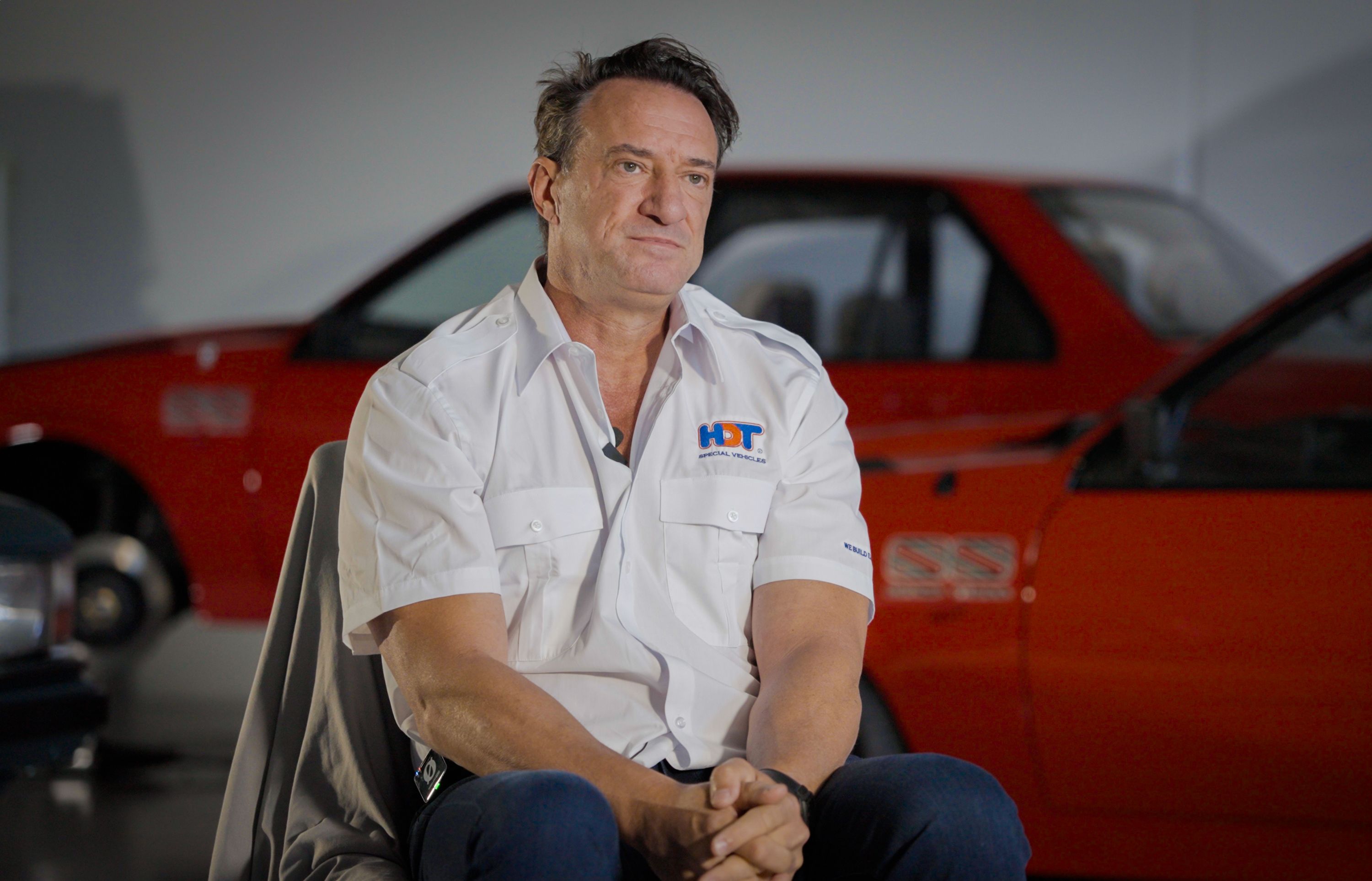
HDT owner Kenny Habul in the workshop where the new prototypes are being developed
HDT owner Kenny Habul in the workshop where the new prototypes are being developed, Image: CarExpert

What the HDT name carries

The road car business grew out of HDT's roots as a Bathurst 1000-winning motorsport operation, with sales of street-legal production cars created to fund Brock's purchase of the race team at the end of 1979. HDT Special Vehicles road cars were built under the ownership of Brock, the nine-times Bathurst winner widely regarded as Australia's most celebrated driver, who was killed in a tarmac rally accident in 2006.

That history is exactly why the new project carries risk. The brand's followers are famously devoted, and any new car will be judged against machines that have taken on near-sacred status among enthusiasts. Habul's comments suggest he understands the scale of the task.
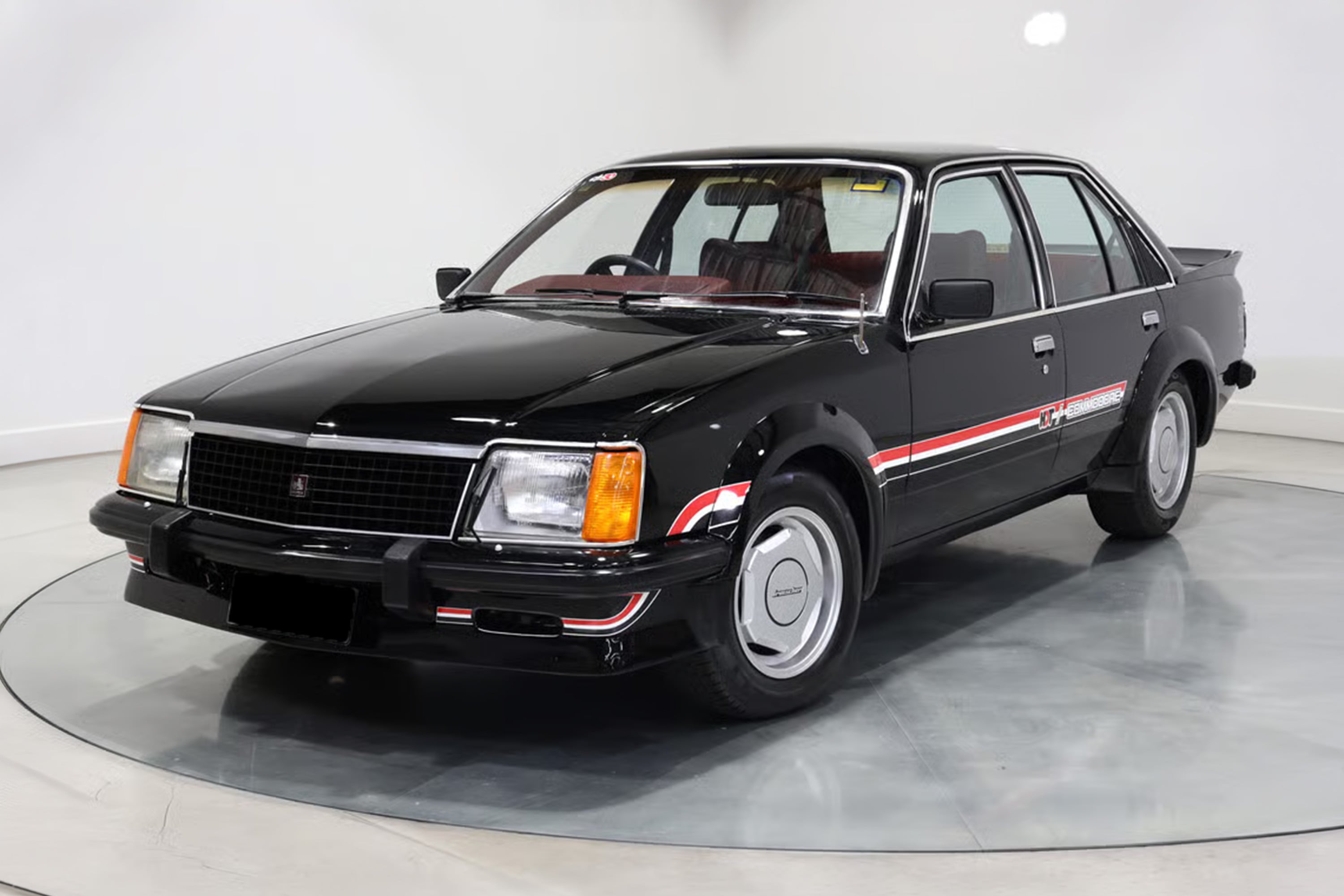
An early HDT-tuned Commodore, forebear of the planned modern HDT road car
An early HDT-tuned Commodore, forebear of the planned modern HDT road car, Image: CarExpert

A precedent in Premcar's Falcon

The closest recent template is the Ford Falcon FG X, the last Aussie-made production hot rod, completed in 2018 by Melbourne engineering firm Premcar, whose staff previously helped create FPV muscle cars for Ford.

Premcar boss Bernie Quinn said he had followed news of Habul's purchase with curiosity and optimism, and offered a warning about speculation. "It's tempting to try and second guess what the car looks like and start imagining a specification, however, that is the most dangerous thing to be doing," he said. In his view, the people who succeed in this space are the ones who understand what the customer wants.

The comparison is instructive rather than predictive: Premcar's Falcon worked because it was an engineering exercise with a clear donor car and a defined era to honour. A new HDT model has no confirmed donor vehicle, and Holden itself no longer builds cars in Australia, so the mechanical starting point is the first big unknown. Until Habul names a base and a timeframe, the three prototypes are a promise rather than a product.
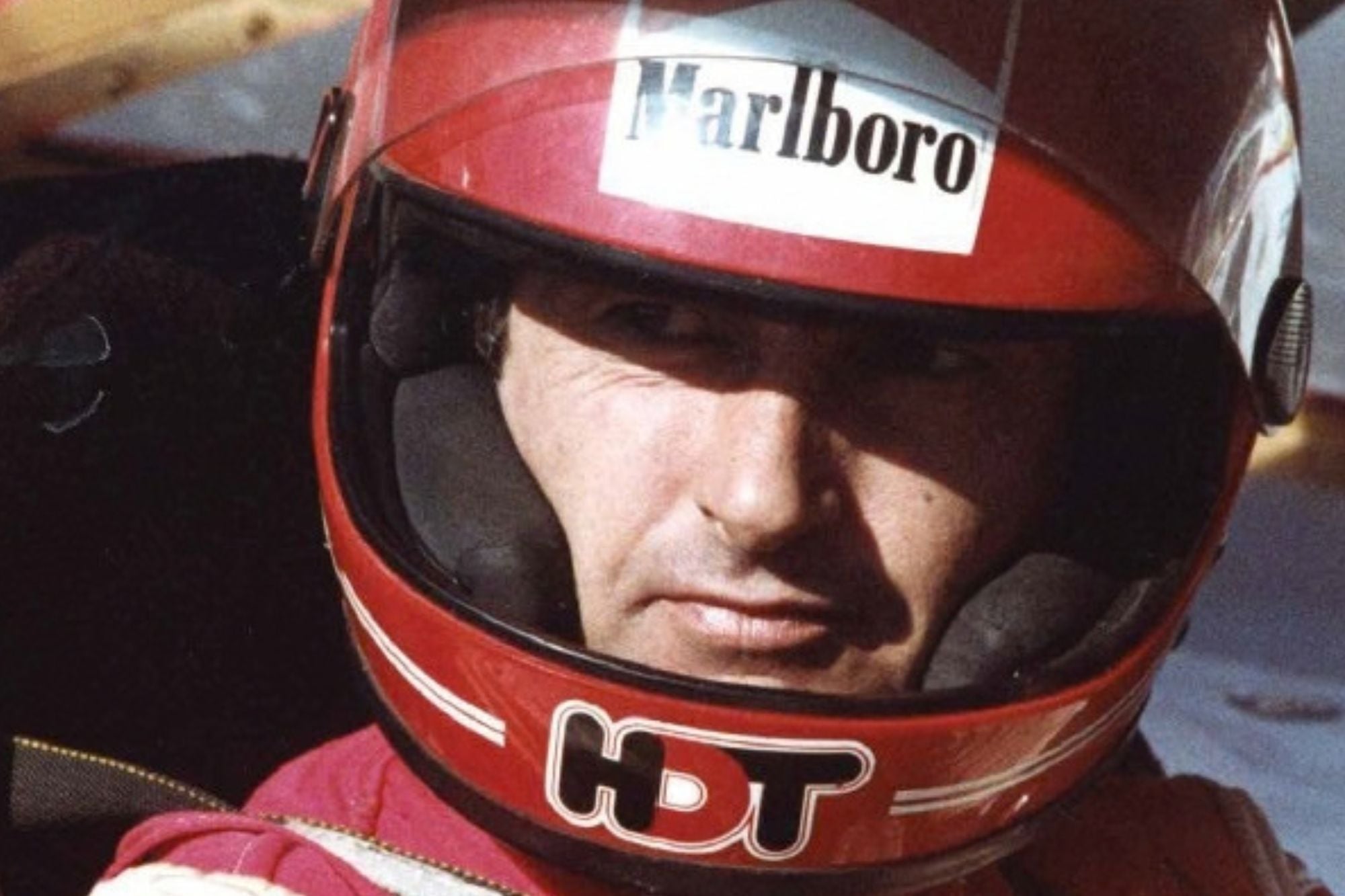
HDT's racing heritage lives on in the badge the new road car must carry
HDT's racing heritage lives on in the badge the new road car must carry, Image: CarExpert
Open this article ↗
Australia / TDCN ORIGINAL

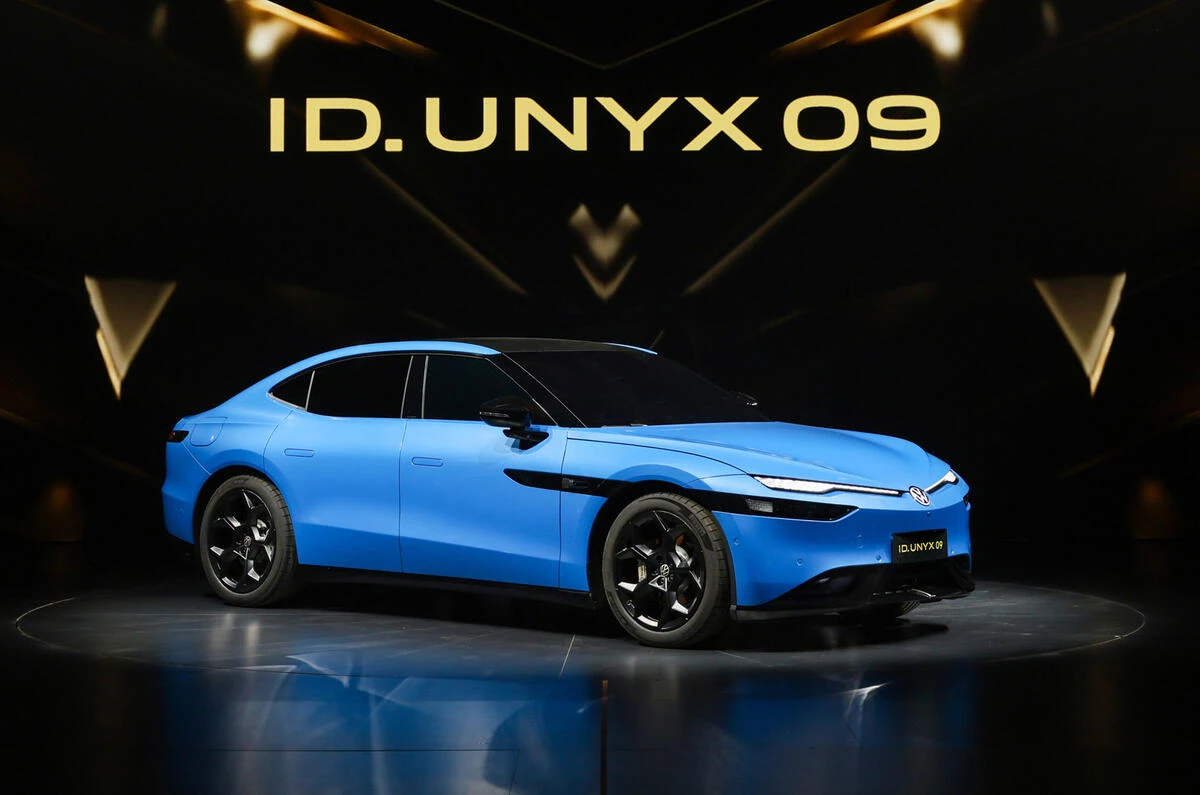
Volkswagen weighs European imports of China-only EVs such as the ID Unyx 09

Boss Thomas Schäfer says selected models would join the line-up rather than replace existing cars, with exports to Australia and the Middle East already starting.

Volkswagen is preparing to bring one or more of its China-developed electric cars to Europe, with boss Thomas Schäfer confirming the plan at the Paris motor show.

The models, developed in China for that market on a bespoke architecture, would be additions to the European range rather than replacements for existing cars. Schäfer named the ID Unyx 09 saloon and the 4.8-metre ID Aura T6 SUV as potential candidates, though no dates, prices or final decisions were given.

Schäfer told Autocar that Volkswagen has spent two years cutting material and engineering costs on its Chinese-market vehicles, working with partners in both Europe and China to make them cost-competitive there. Technical chief Kai Grünitz and his team have worked in parallel with the Chinese operation, he said, but the group has not yet used that work for exports or technology transfer to Europe.

The first step is already under way elsewhere: Volkswagen has begun exporting Chinese-built cars to markets with easier access from China than Europe has, naming Australia and the Middle East.

Which cars could come to Europe

Schäfer pointed to the ID Unyx 09, an electric saloon co-developed with Volkswagen's Chinese partner Xpeng, as one possibility.

Another is the ID Aura T6, a 4.8-metre SUV that would sit above the smaller ID Tiguan in the European range and, in Autocar's framing, take on the Volvo EX60.

He also flagged the ID Era, a 5.2-metre SUV, as a car Volkswagen would not necessarily develop for Europe because it is technically too big, though it could still be part of a trial run of selected imports.

Why the imports matter

The China-built models sit on a bespoke architecture tailored to that region, and Volkswagen has previously said some could be sold and potentially manufactured in Europe.

The significance for buyers is cost. Schäfer's account of the two-year cost-down exercise, covering both materials and engineering, suggests the imported cars would arrive with a cost base honed in the world's most price-competitive EV market. That matters as European brands fight to match Chinese rivals on value without compromising their own line-ups.

The catch is scale and fit. Schäfer was explicit that any imports would be a limited experiment, 'to see how it works', and that none of the China models would replace existing European products. Cars like the 5.2-metre ID Era may simply be too large for European expectations, which is why Volkswagen is talking about selected models rather than a wholesale shift.

What has not been announced is any timeline, European pricing, or confirmation of which models, if any, will actually make the trip.

Open this article ↗

Keep scrolling to read the next story.

Older articles →