INDEPENDENT AUTOMOTIVE NEWSGLOBAL PERSPECTIVE / AUSTRALIAN EDITION
TDCNTHE DAILY
CAR NEWS.

The road ahead.
Every day.

RSS ↗
Latest/Electric

122 original articles

Electric / TDCN ORIGINAL

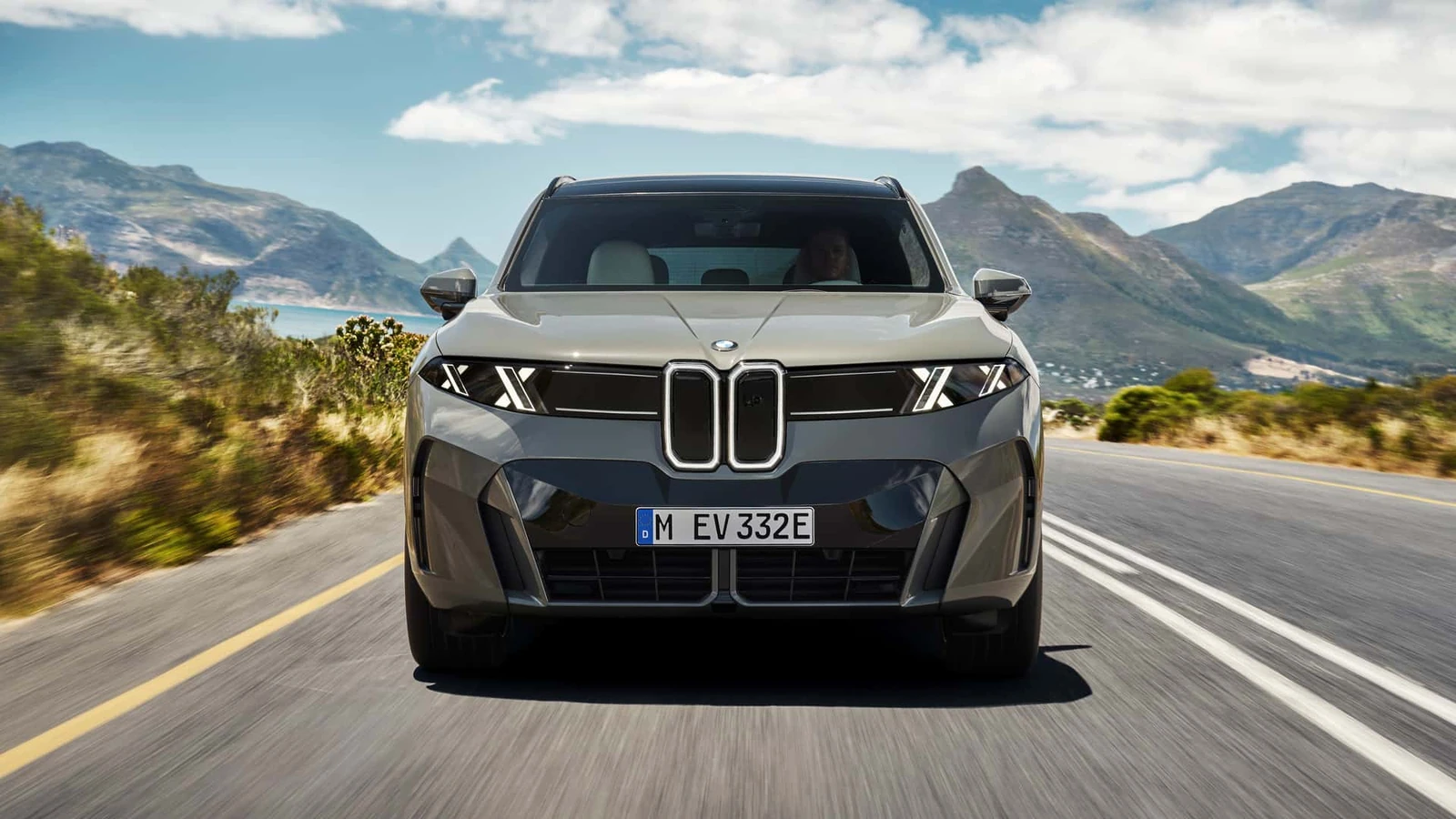
BMW iX5's EPA range estimate climbs to 450 miles ahead of US launch

BMW's product chief says the official EPA figure is still weeks away, but the electric X5's 144 kWh battery is already the largest the company has fitted to a production car.

BMW now expects its first electric X5 to be rated at 450 miles on the EPA cycle, up from the 435-mile target quoted when the iX5 60 xDrive was announced this summer. The figure is not yet official: BMW product manager John Kelly said the certified EPA estimate will arrive in the coming weeks.

Kelly shared the updated number at the press launch of the new X5 line in Newport Beach, California on Tuesday, calling 450 miles 'really fantastic for a vehicle like this'. The iX5 goes on sale in the first quarter of 2027.

Why BMW chased 450 miles

Michael Ahlers, head of the X5 project, told InsideEVs that BMW concluded 400 miles is the threshold beyond which customers stop worrying about range. The extra margin to around 450 miles is meant to cover real-world energy drains like highway speeds and air conditioning.

That logic tracks with where the market has gone. EVs with more than 400 miles of EPA range were a rarity until Tesla's Model S cracked the barrier in 2020, and the club is now growing quickly on the back of BMW's Neue Klasse models: the iX3 is rated at 435 miles and the i3 landed a 468-mile rating last month. The iX5 would slot in between them, and comfortably above the 400-mile psychological line the company itself identified.

The battery doing the work

The range comes from a 144-kilowatt-hour pack, the largest ever fitted to a BMW production vehicle and one of the largest seen in any SUV. The iX5 uses the same number and basic arrangement of cells as the iX3 and i3, but its 46120 cylindrical cells are 25 millimeters taller than the 4695 units in its siblings, which lifts total capacity.

Charging is rated at up to 460 kW, with a 10 to 80 percent charge taking 22 minutes according to BMW. Pricing for the iX5 has not been announced.
Open this article ↗
Electric / TDCN ORIGINAL

2028 Chrysler Airflow SUV arrives late 2027 from about $31,000

Chrysler's first SUV since the Aspen died in 2009 will launch with gas and hybrid power on a new Stellantis platform, with an electric version held back.

Chrysler will return to the SUV market in late 2027 with the Airflow, a compact crossover arriving for the 2028 model year with a starting price targeted below $40,000 and a base model that could open as low as $31,000, according to Car and Driver's outlook on the model.

It will be the brand's first SUV since the full-size Aspen was discontinued after 2009, and it lands in a segment crowded with the Toyota RAV4, Honda CR-V and Nissan Rogue.

A boxier take on the 2022 concept

The production Airflow abandons the sleek, seaglass-smooth styling of the Airflow concept shown in 2022 in favour of a boxier body with pronounced creases.

Chrysler's lineup has shrunk to the Pacifica minivan alone since the 300 sedan ended after the 2023 model year, so the Airflow carries the weight of rebuilding a brand that has been largely dormant for over a decade.

Two smaller crossovers, the Arrow and Arrow Cross, will follow with starting prices under $30,000. Both are essentially rebadged versions of the Fiat Grizzly that launches soon in Europe.

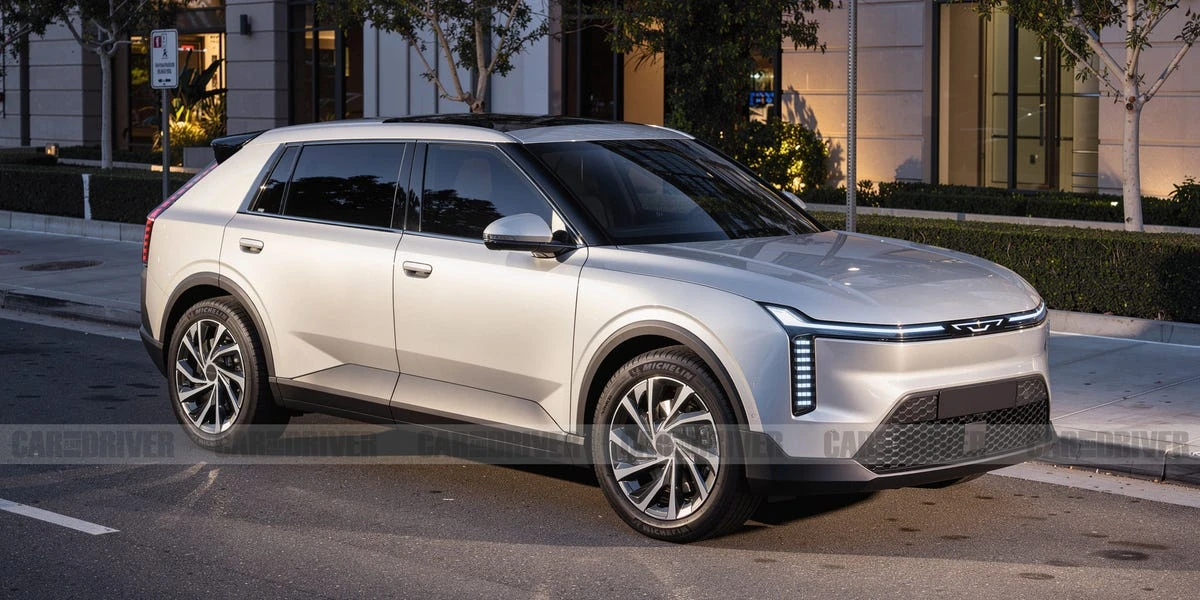
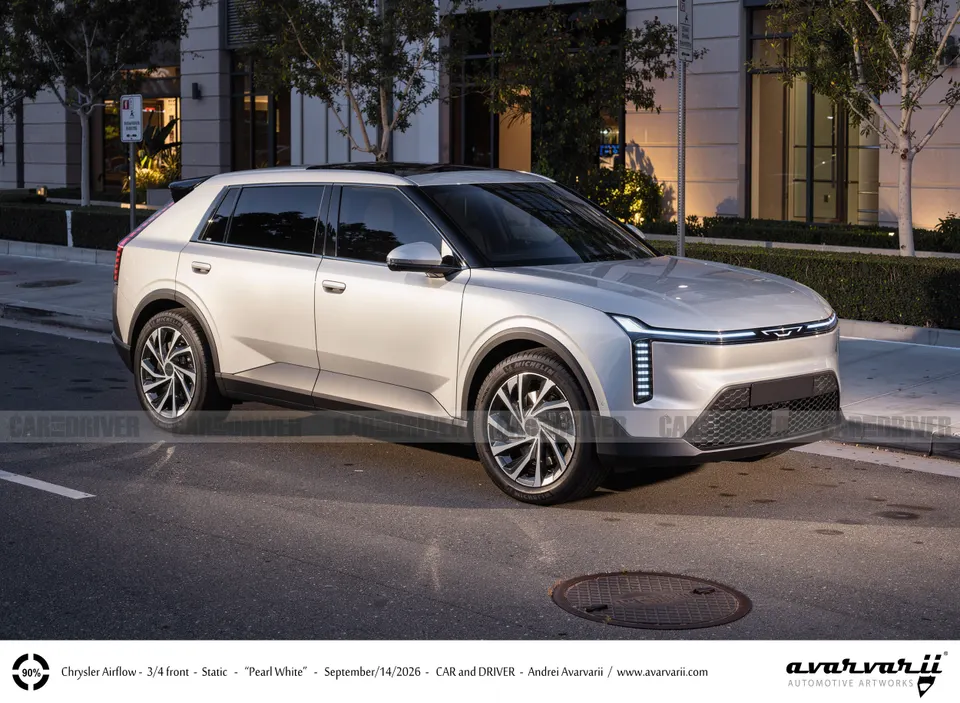
The production Airflow keeps the concept's lighting signature in a boxier package
The production Airflow keeps the concept's lighting signature in a boxier package, Image: Car and Driver

STLA One platform with gas, hybrid and eventual EV capability

The Airflow rides on the new STLA One platform, a modular architecture also set to underpin the Dodge GLH and a range of vehicles in Europe.

STLA One accommodates pure petrol powertrains, hybrids, plug-in hybrids and EVs with 800-volt architecture, and it incorporates the STLA Brain central compute and software stack plus a new STLA SmartCockpit infotainment setup.

Electric versions will use lithium-iron-phosphate batteries to keep costs down, though an electric Airflow is not expected until well after the petrol and hybrid versions launch.

Chunky rear haunches and vertical tail lamps define the Airflow's boxy stance
Chunky rear haunches and vertical tail lamps define the Airflow's boxy stance, Image: Car and Driver

Hybrid first, with the Jeep Cherokee's powertrain the likely pick

The Airflow will almost certainly debut as a hybrid, and the most likely candidate is the setup from the Jeep Cherokee: a turbocharged 1.6-litre four-cylinder paired with two electric motors for a combined 210 hp.

A gas-only version is also probable. The same 1.6-litre on its own makes 177 hp, which would place the Airflow among the least powerful non-hybrid compact SUVs on sale.

Both hybrid and non-hybrid versions would likely drive the front wheels as standard, with all-wheel drive optional.

Stellantis could fit the 324-hp Hurricane 4 turbo, but the expectation is that engine stays exclusive to the performance-focused Dodge GLH, or arrives detuned and possibly paired with electric motors. A plug-in hybrid is possible too, though those have proven less popular than conventional hybrids in this class.

Taking on the RAV4, CR-V and Rogue

The Airflow will be tuned for road comfort to set it apart from the off-road-leaning Jeep Cherokee, and it will face established bestsellers including the hybrid-only Toyota RAV4, the Honda CR-V and the Nissan Rogue.

The challenge is real: years of neglect have made the brand easy to forget, and winning buyers back will take a committed marketing push plus competitive pricing and comfort features.

For shoppers, the realistic pitch is a comfort-focused compact SUV from about $31,000 to the low-$40,000 range, which would undercut or match most established rivals on price if Chrysler delivers.

Open this article ↗

Keep scrolling to read the next story.

Older articles →