INDEPENDENT AUTOMOTIVE NEWSGLOBAL PERSPECTIVE / AUSTRALIAN EDITION
TDCNTHE DAILY
CAR NEWS.

The road ahead.
Every day.

RSS ↗
Latest/New cars

113 original articles

New cars / TDCN ORIGINAL

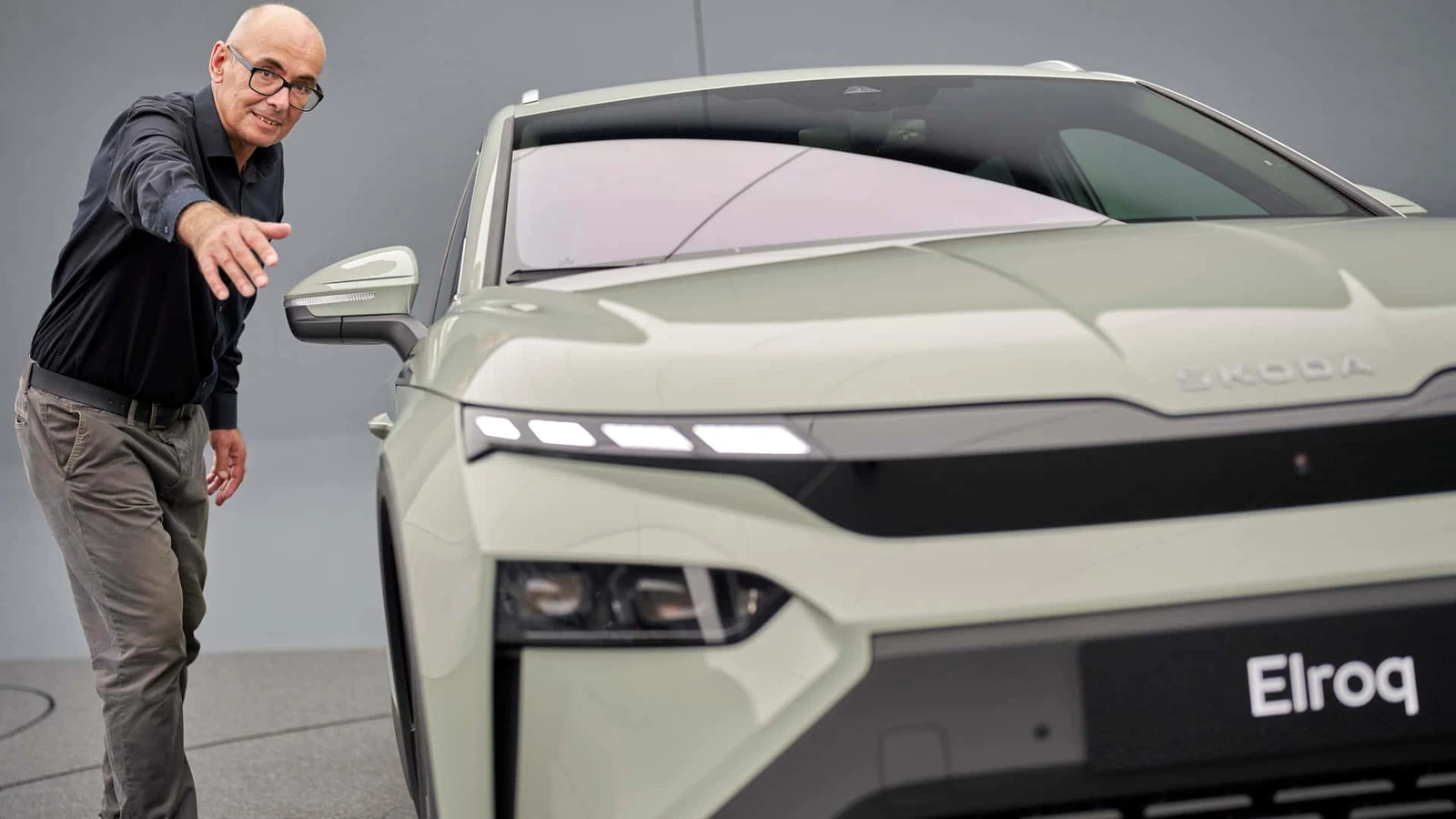
Skoda design chief says AI sketches now rival human renderings, warns entry-level jobs are at risk

Karl Neuhold told Autoweek he was shocked by AI's speed but still wants applicants to bring hand-drawn sketches to interviews.

Image: Motor1

Skoda's head of exterior design, Karl Neuhold, says AI image generators have reached a quality that left him genuinely surprised, and he is warning that the technology could shrink entry-level opportunities in car design studios. Speaking to Dutch publication Autoweek, Neuhold described producing polished renderings from a rough sketch in seconds.

His concern is not that AI will replace senior designers outright. It is that if small teams can generate professional-quality images almost instantly, junior staff may never get the chance to learn the craft on the job.

Neuhold has experimented with the tools himself and came away impressed by how little input they need. "I'm shocked by how good it is. I use it myself, and I'm so surprised by a simple sketch that, in seconds, gives you versions you couldn't have rendered better yourself," he told Autoweek.

His message to fellow designers is blunt: adapt or fall behind. In his view, sketching alone will no longer be enough to stay competitive, and designers need to build AI into their workflows rather than ignore it.

The productivity gain, and the catch

The upside is speed. A rough sketch can now spawn several finished renderings within seconds, letting teams visualise and communicate ideas that would once have taken far longer to produce.

The catch is headcount. Neuhold acknowledges that if a smaller team can produce more designs in less time, automakers may eventually need fewer people in their studios. "Do we even need that many people anymore? Unfortunately, yes. That's really tough for young designers right now; how are they supposed to become professionals? The quality [of AI] is astonishing, unbelievable," he said.

The risk is a talent pipeline problem: experienced designers become more productive, but if junior designers never get hired, the industry could struggle to develop its next generation of seniors.

Hand sketches still matter at interview

Despite his enthusiasm, Neuhold has not told aspiring designers to abandon traditional skills. When he evaluates job applicants, he still encourages them to bring hand-drawn sketches that demonstrate their creativity.

That distinction matters because generating a convincing image is not the same as originating one. Automotive design involves far more than an attractive picture: proportions, sensors, lighting systems and a multitude of technical regulations all shape what a car can look like.

Neuhold's position is that someone still has to decide what the car should be in the first place. AI may collapse the time between sketch and rendering, but designers must still understand what customers want from a car and find ways to surprise them.

The identity question

There is also a commercial wrinkle. If every studio can generate dozens of concepts from a few prompts, and rival brands have access to the same tools, protecting intellectual property and keeping a distinctive design language could get harder. Neuhold's warning points to a market where cars risk looking increasingly alike.

For now, his advice splits by seniority: designers who learn to use AI gain a real advantage over those who don't, while the harder challenge for newcomers is simply finding a studio willing to give them their first job.

Skoda has not announced any changes to its design process, staffing or hiring approach as a result of AI; Neuhold's comments describe his personal outlook rather than a company policy.


Open this article ↗
New cars / TDCN ORIGINAL

Flock has yet to drop a police department over camera misuse, CEO says, but would if the law was broken

Garrett Langley told TechCrunch no customer has been terminated for misusing its plate readers, even as documented cases show officers stalking exes and rivals with the data.

Image: Carscoops

Flock has never terminated a police department for misusing its automated license plate reader cameras, but the company says it would if a customer knowingly broke the law. Chief executive Garrett Langley made the comments to TechCrunch, and the company's own website acknowledges officers can abuse its systems and should face consequences.

The company is the largest of a handful of ALPR camera firms in the United States, and its technology has come under scrutiny because officers have used the data unlawfully, including to stalk former partners, love interests and rival business owners. Several officers nationwide have been fired or arrested over such misuse.

Langley framed the debate as one of proportion. "If a customer knowingly broke the law, we would fire them immediately. That's very easy," he said, adding that most of the argument comes down to what happens when two officers out of fifty are caught. "Today, we haven't fired any customers, but it's not off the table in the case of some pretty drastic law-abiding issue," he continued.

His broader point is that misconduct by a small number of people should not overshadow legitimate police work. Flock points to investigations involving missing people, violent crimes and theft as the reason its camera network matters.

Flock CEO explains the company's camera policies during a TC Disrupt fireside chat
Flock CEO explains the company's camera policies during a TC Disrupt fireside chat, Image: Carscoops

Who is actually catching the mistakes?

The harder question is what counts as widespread abuse, and whether a department can be trusted to police its own use of the data. Two documented cases suggest the answer is mixed. In Jefferson Parish, Louisiana, an employee searched his former fiancée's license plate several thousand times over several years. The sheriff's office investigated, but only after receiving questions from the media, and it ultimately fired him.

In Stow, Massachusetts, police said a victim's complaint alerted them to another officer's alleged misuse. In both instances the department was not catching the problem quickly; people outside the agency were doing the legwork long after the fact.

That pattern matters for Flock's argument. A network that helps recover stolen cars and locate missing people can still need meaningful restrictions, and the two are not in conflict. The tougher question is what happens when the organisation entrusted with enforcing those restrictions fails to do so.

What it means for departments on Flock's network

For police agencies, the practical takeaway is that Flock's willingness to terminate a customer is a promise, not a track record. Langley's own framing, that two officers out of fifty being caught is a nuance rather than a failure, leaves open how bad things would need to get before the company acted.

For drivers, the cases in Jefferson Parish and Stow suggest that if an officer misuses plate data, the discovery is more likely to come from a complaint or a media enquiry than from routine oversight. Verifiable accounts show departments across the country are not following the laws governing ALPR data.

Open this article ↗

Keep scrolling to read the next story.

Older articles →