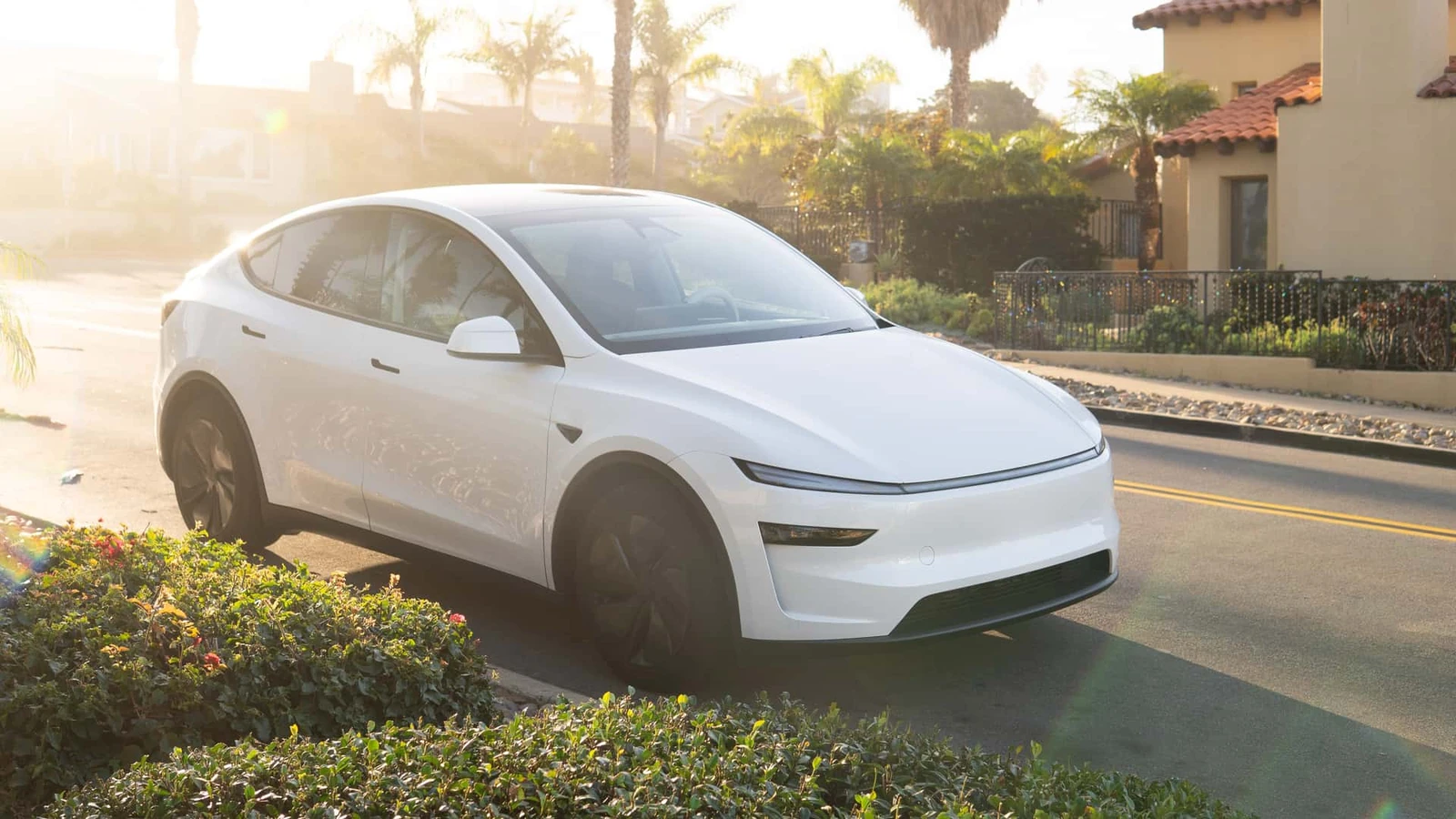
Americans bought an estimated 48,678 used electric vehicles in October, up 73.2% from a year earlier, according to Cox Automotive's EV Market Monitor. Chevrolet moved ahead of Ford into second place behind Tesla in the used EV rankings, with Hyundai and BMW completing the top five.
Used Tesla sales fell 5.4% month on month, with the Model 3, Model Y and Model X all losing ground, while the Chevrolet Equinox EV, Kia EV6, Nissan Leaf and Volkswagen ID.4 each found more buyers than in September. Cox attributes the broader growth to a rising supply of cars coming off lease, which is widening choice across brands and price points.
Chevrolet gains as used Tesla demand cools
The shift is sharpest among the electric crossovers that were climbing in September. A month earlier the Model Y, Ford Mustang Mach-E and Equinox EV had all posted monthly gains, with the Equinox EV up nearly 42%. By October only the Chevrolet was still adding buyers, and the Equinox EV and Blazer EV built on their September increases.
Tesla still led the used market overall, but its average asking price rose 1.8% to $34,109, the second consecutive monthly increase. Even so, the average used Tesla was listed about $2,500 below the average used EV. At October's sales pace, traditional dealers held enough used Teslas to last 32 days, the shortest supply of any major brand Cox tracked, though Cox's count excludes Tesla's own stores.
The growing off-lease supply matters because it gives shoppers alternatives that did not exist in volume a year ago. For buyers who want a used EV without Tesla's pricing trends attached, the Equinox EV and its rivals are now realistic options rather than niche picks.
Prices ease but used EVs still cost more than petrol cars
The average used EV asking price was $36,582 in October, down from $36,767 in September and 1.9% lower than a year earlier. The Equinox EV, Volkswagen ID.4, Ford Mustang Mach-E and Nissan Ariya all got cheaper over the month.
Used EVs still carried a $2,236 premium over petrol cars and hybrids, slightly above September's $2,137 gap. Dealers had 38 days' worth of used EVs on hand at October's sales pace, against 47 days for petrol cars and hybrids.
Cox's own figures contain a discrepancy worth flagging: it describes October's total as a 4.7% rise over September, but its September report put sales at 47,862, which makes the October figure a 1.7% gain. Cox does not explain the difference.
A 73% jump measured against a very different market
The year-on-year comparison needs context. October 2025 was the first full month after the federal EV tax credit ended, when Americans bought about 30,000 used EVs. Sales hit a record of nearly 43,000 in March. EVs accounted for 3.3% of US used car sales in October, matching September's record and up from 2% a year earlier.
On the new-car side, Americans bought 83,262 EVs in October, down 3.9% from September but up 3% year on year, the first year-on-year gain of 2026. EVs' share of new sales slipped from 6.5% to 6.2%, and the average buyer paid $56,221 even with incentives averaging $6,375 per vehicle. Dealers held 85 days' supply of new EVs, more than double their used inventory.
Tesla's new-car performance ran against the used trend: Americans bought 36,366 brand-new Model Ys in October, up 9.4% from September, and the model accounted for nearly 44% of all new EVs sold in the country.
Which used EVs move fastest
Cox's October data ranks brands by volume, not by how quickly individual models sell off dealer lots, so it does not name the fastest-selling used EV for the month. A separate study covering September found the Audi Q4 E-Tron Sportback sold fastest, and no Tesla made that top ten.
That distinction is useful for anyone shopping: a model that tops the sales chart is not necessarily the one that turns over quickest at a given dealership, and the two measures come from different periods here.