INDEPENDENT AUTOMOTIVE NEWSGLOBAL PERSPECTIVE / AUSTRALIAN EDITION
TDCNTHE DAILY
CAR NEWS.

The road ahead.
Every day.

RSS ↗
Latest/New cars

109 original articles

New cars / TDCN ORIGINAL

Stellantis floods Paris with concepts as DS, Fiat and Opel preview new directions

The DS F3VER, Fiat Multiplay and Opel STX appeared alongside Alfa Romeo, Peugeot and Citroen concepts as Chinese brands including BYD and Changan pressed their European expansion.

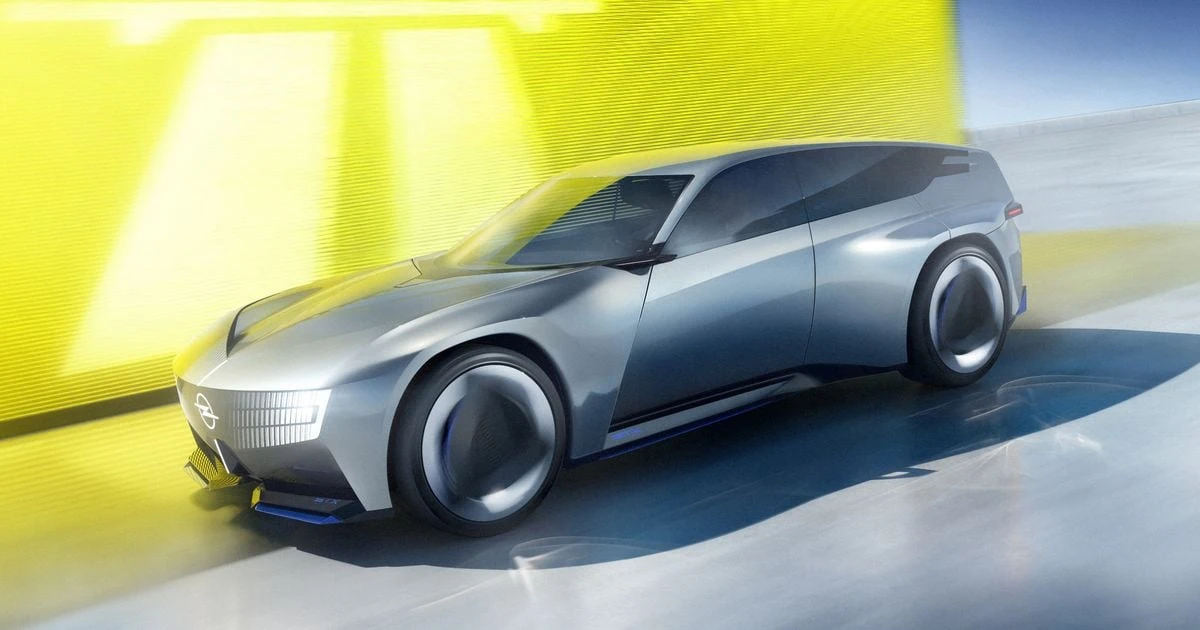
Stellantis used this week's Paris motor show to roll out a wave of concept vehicles across its European brands, including a new design direction for DS Automobiles, an unusual new body style wearing a familiar Fiat name and a wagon study from Opel.

The concepts arrived as Chinese manufacturers including BYD and Changan used the same show to preview their plans for European expansion, adding pressure to Stellantis's crowded brand portfolio.

A crowded show floor

Stellantis showed concepts for six of its European brands in Paris. Alongside the new DS, Fiat and Opel studies, the display included the Alfa Romeo Cuorerosso, the throwback Peugeot RCZ Vision and E-T16, and a retro-styled Citroen 2CV concept.

Lancia had no fresh reveal but displayed members of its recently unveiled Gamma mid-size SUV lineup, only its second new model in two years after more than a decade without new product.

The Chinese presence gave the show a competitive edge. BYD and Changan were among the brands previewing European expansion plans, and the source material frames Stellantis's concept flood as a response to that onslaught.
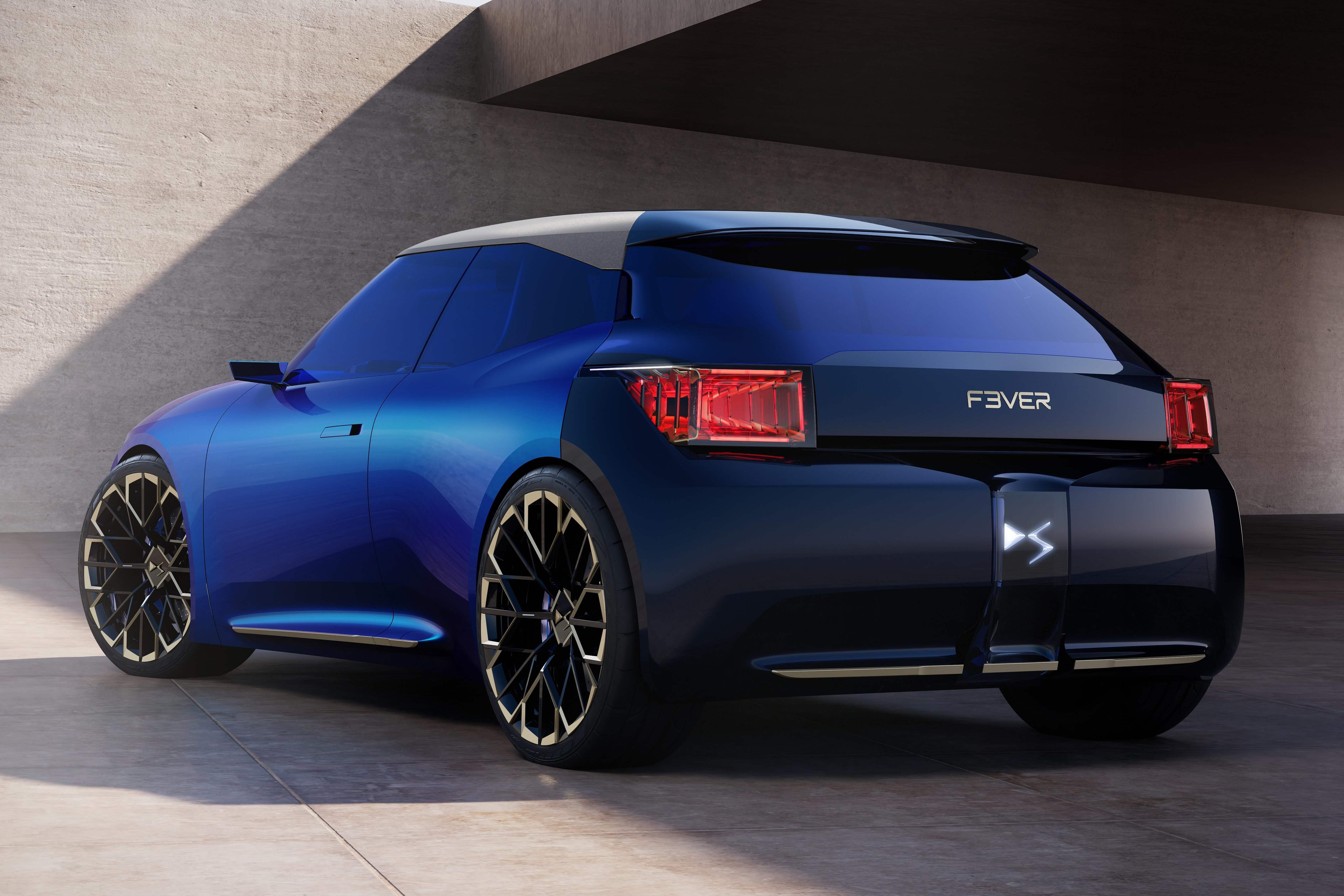
F3VER badging on the rear of DS's Paris show concept
F3VER badging on the rear of DS's Paris show concept, Image: CarExpert

DS F3VER points to a small hatchback

DS Automobiles, the premium brand spun off from Citroen, revealed the F3VER as an exploratory concept opening a new chapter in its design story.

The styling nods to one of the brand's first vehicles, the original DS 3, which was sold as a Citroen before DS Automobiles was formed. Like that car, the F3VER is a small hatchback with a two-tone exterior.

It measures 4.19m long, 1.84m wide and 1.46m tall on a 2.7m wheelbase. That makes it about 200mm longer than the Citroen DS 3, all of it in the wheelbase, and 130mm wider, with tight front and rear overhangs.

Design details include angular lighting up front, tail-lights shaped like the first DS 3's but with a 'light tunnel' effect that makes them appear to extend infinitely, and a vertical 'totem' housing the DS logo in both the front fascia and rear bumper. Sharp angular elements sit against curvaceous, muscular sheetmetal on the fenders and bonnet, and the car is finished in Cosmic Blue dichroic paint with champagne-coloured accents on the roof and wheels.

DS claims an electric powertrain with class-leading range but has released no powertrain or battery specifications.

The brand context matters here. DS is often viewed as being on the bubble as Stellantis juggles more than a dozen brands, so a design-direction concept reads as much as a statement of intent as a preview of product.
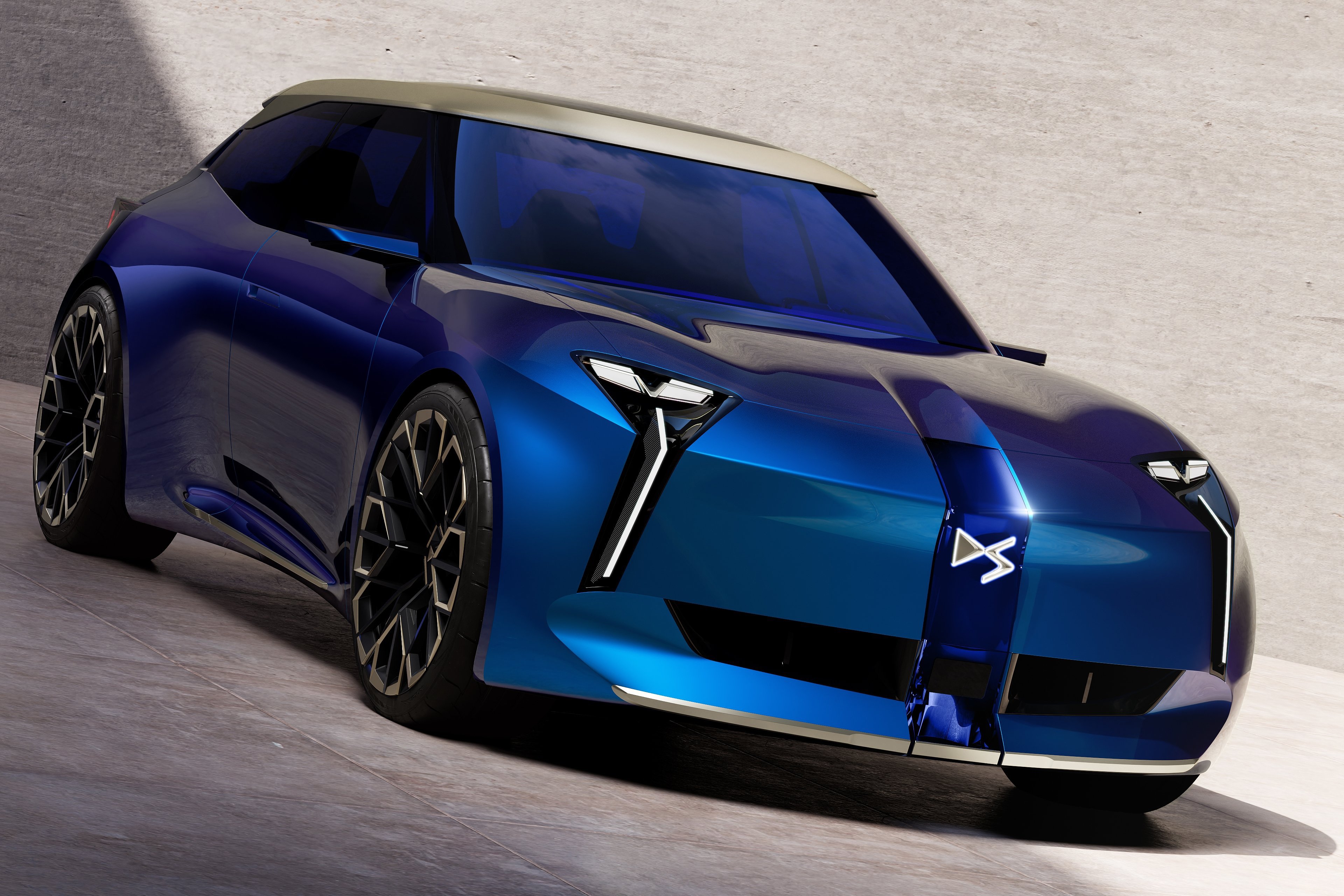
DS F3VER concept previews the brand's new design direction in Paris
DS F3VER concept previews the brand's new design direction in Paris, Image: CarExpert

Fiat Multiplay and Opel STX

Fiat revived the Multipla name, now spelled Multiplay, on an unusual new body style. The original Multipla was an innovative but polarisingly styled people mover, and the source material cuts off before describing the new vehicle in detail.

Opel's STX concept shows what future wagons could look like from the German brand.

Neither concept has confirmed production plans, specifications or on-sale timing in the source material.
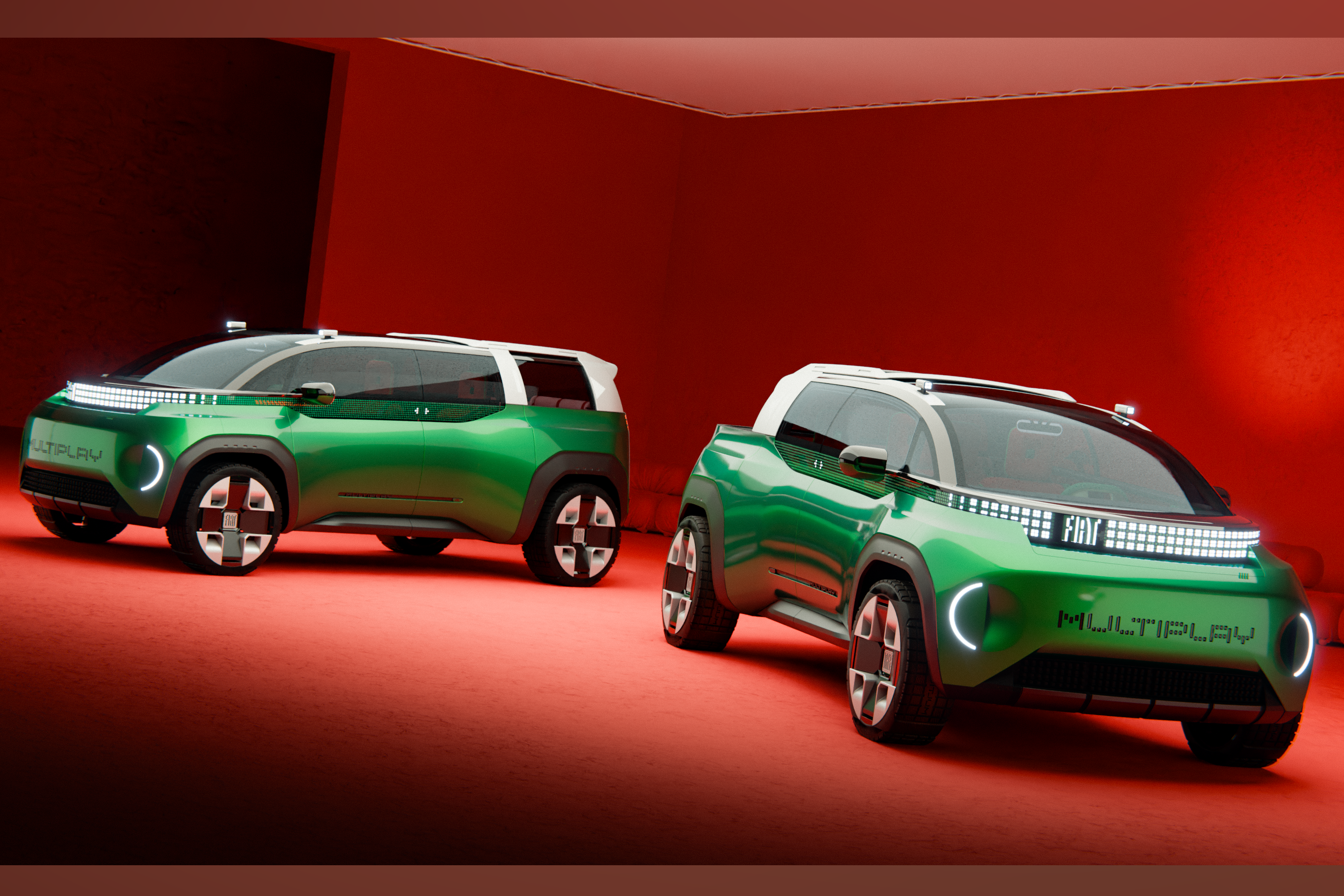
Fiat Multiplay concepts preview a modular family EV
Fiat Multiplay concepts preview a modular family EV, Image: CarExpert
Open this article ↗
New cars / TDCN ORIGINAL

Tesla reveals second-generation Roadster with thrusters, suction fans and 0.81-second 0-60 claim

Musk says the 2028 sports car will be the last Tesla you can actually drive yourself, but price, range and street-legality of its party tricks are still unknown.

Image: Motor1

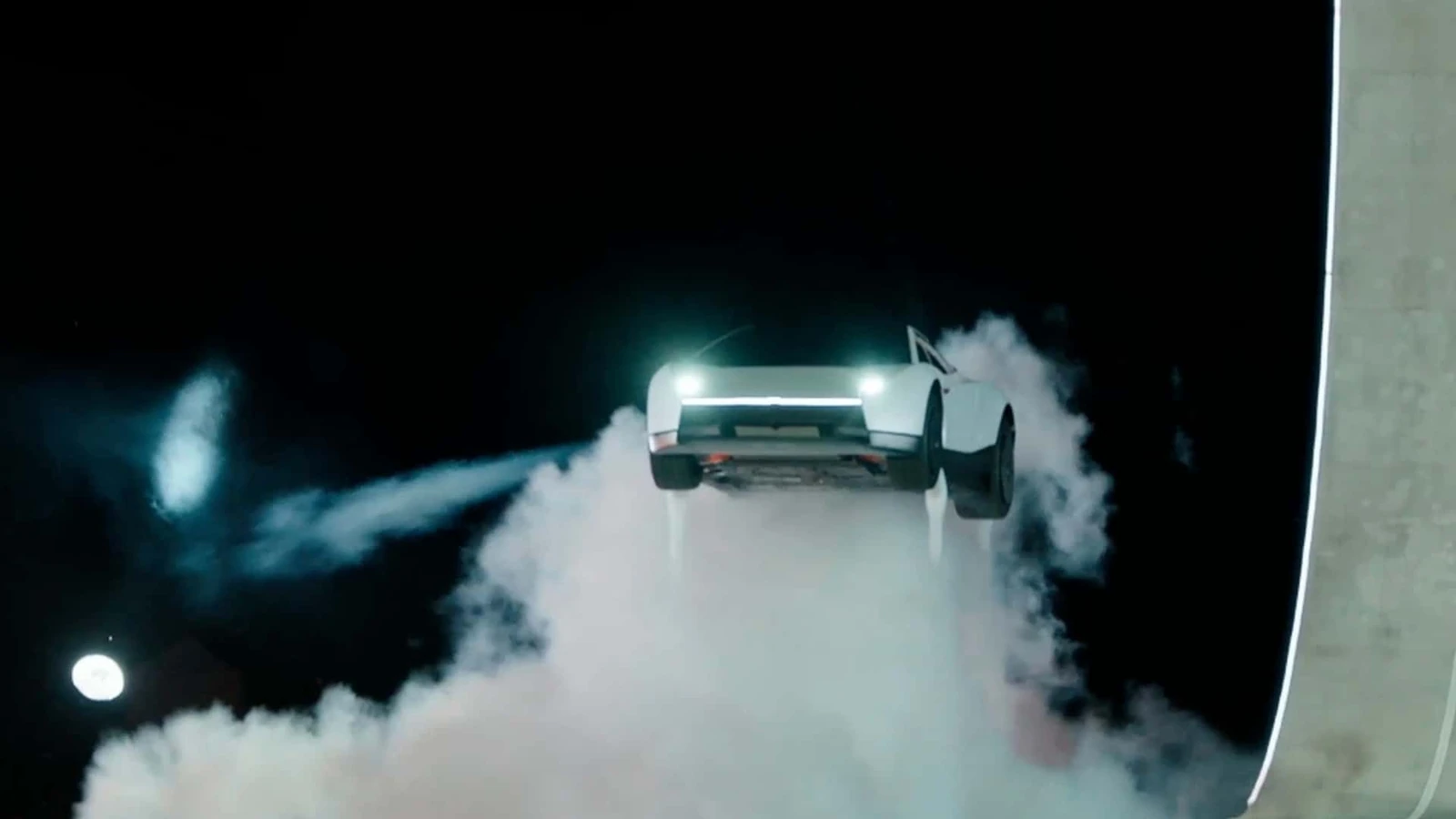
Tesla has revealed the second-generation Roadster at an event in McGregor, Texas, showing a car that can drive upside down, barrel roll in mid-air and hop over a parked Semi truck. The company claims a measured 0-60 mph time of 0.81 seconds, with production scheduled for 2028.

CEO Elon Musk also framed the Roadster as the end of an era: it will be the only manually driven car in Tesla's lineup long term, as every future model is designed around autonomy.

The reveal closes out a saga that has run since 2017, when the Roadster was first shown as a 2020 model and then delayed repeatedly. The car shown in Texas wears an all-new design compared with the version displayed in 2017, and Tesla has indicated that earlier iteration will never reach production.

Musk was candid about the risk before the demonstration. "By the way, success is not guaranteed," he said. "It'll probably work." It did: the Roadster drove along a massive ramp upside down using its suction fans, then flipped off the end and rotated a full barrel roll mid-air using cold gas thrusters, landing wheels-first.

Fans, thrusters and a 0.81-second launch

The party tricks rest on two systems. The first is a fan-based suction setup under the floor that pulls the car into the pavement. Tesla's vice president of engineering, Lars Moravy, said it can generate up to 2 g of suction, cornering force the company claims no existing car can match, and which Musk says will let the Roadster shatter track records.

The second is a cold gas thruster system drawing on work associated with SpaceX. It uses 10 nozzles and 250 kg of compressed gas as propellant, and Musk says it can refill its own tanks with compressed air. That is what powered the barrel roll and the hop over a line of Tesla vehicles.

On straight-line pace, the target was a sub-one-second 0-60 mph run. Tesla says it has already measured 0.81 seconds, and Musk claims the production car will go quicker still. Top speed has reached more than 230 mph in testing, with a longer-term ambition of half the speed of sound, roughly 383 mph.

The last Tesla with a steering wheel worth using

Musk was explicit about the Roadster's place in the lineup: "This will actually be long term the only manually driven car that Tesla makes." With the Model S and Model X on their way out, the sports car becomes the sole exception to an autonomous-first strategy.

That framing explains the performance obsession. "So if it's going to be the only manually driven car, let's take it to the limits and beyond the limits," Musk said, adding that the Roadster will "crush every track record that has ever existed".

The catch: 2028, and a lot of unanswered questions

Production is scheduled to begin sometime in 2028, and Musk says it will go on sale that year "for real".

What Tesla has not clarified is just about everything a buyer would need to know: pricing, range, battery details and the legal status of the thruster and fan systems. Musk noted the features may not be legal in all jurisdictions and stopped short of calling them street legal, and regulators seem unlikely to let drivers hop over traffic or vent compressed gas at supersonic speeds.

Skepticism is fair. This is a company that has blown past Roadster delivery dates repeatedly over nine years, and the previous reveal came with its own list of impossible-sounding specs. The deposit program, reportedly $50,000 for a car nobody had seen, predates even this reveal.

The smarter read for buyers is that the Roadster is now a real, demonstrated machine rather than a slide deck, but the gap between a staged demo in Texas and a delivered, homologated car in a driveway is where Tesla's promises have historically stretched. The challenge, as ever with this car, is actually building it.

Open this article ↗

Keep scrolling to read the next story.

Older articles →