INDEPENDENT AUTOMOTIVE NEWSGLOBAL PERSPECTIVE / AUSTRALIAN EDITION
TDCNTHE DAILY
CAR NEWS.

The road ahead.
Every day.

RSS ↗
Latest/Performance

105 original articles

Performance / TDCN ORIGINAL

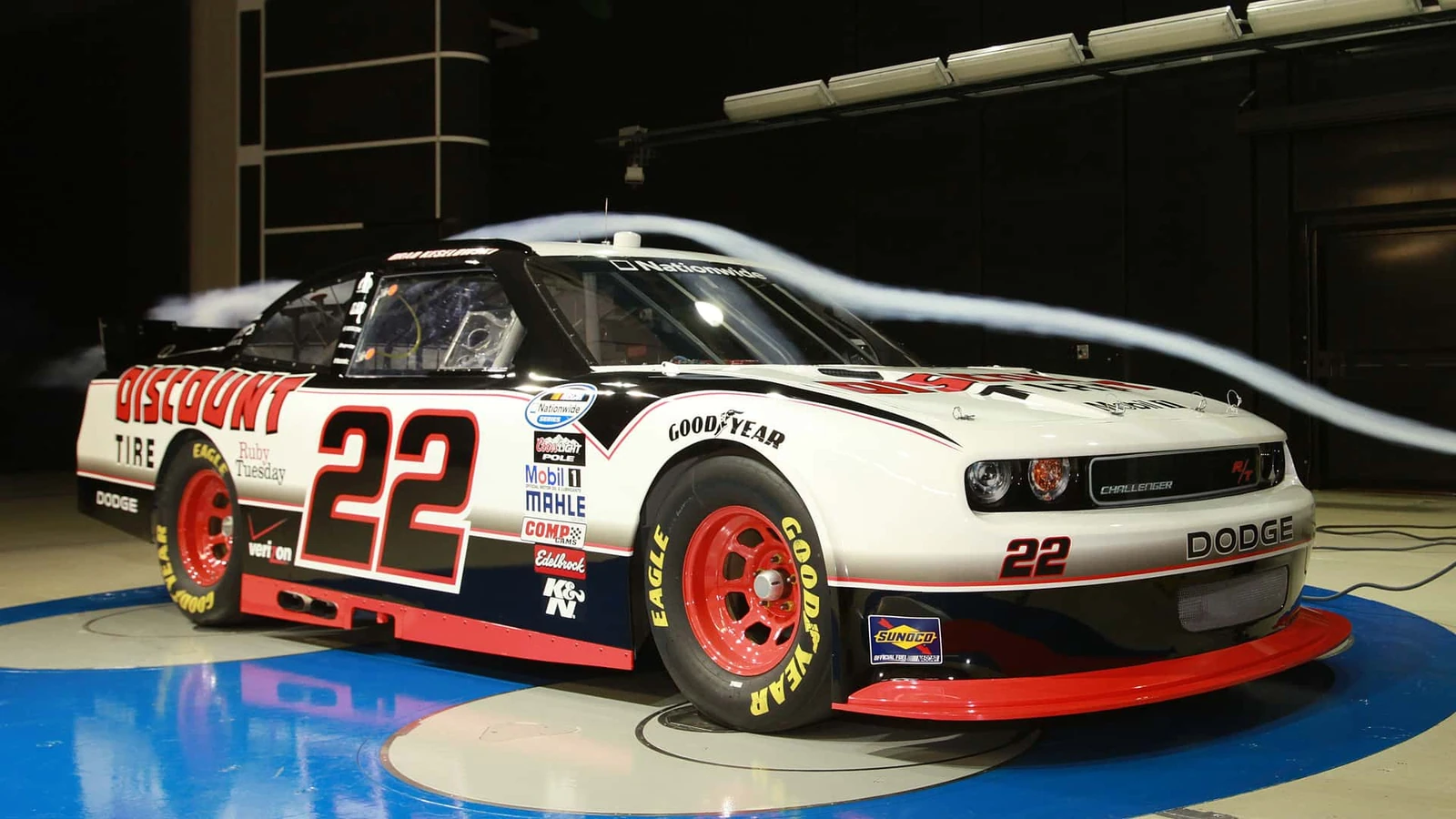
Dodge reportedly on track for a NASCAR Cup Series return at the 2027 Daytona 500

A deal with ECR Engines would give Dodge a technically distinct Cup engine, with Kaulig Racing fielding the cars from February 21.

Image: Motor1

Dodge is reportedly on track to return to the NASCAR Cup Series at next February's Daytona 500, which would put the brand back in the sport for the first time since 2012. The Athletic cites multiple people briefed on the situation in reporting that the parties involved expect Dodge to race in the season opener on February 21, though nothing is confirmed and negotiations to resolve remaining challenges are ongoing.

The return would take the Cup Series roster back to four manufacturers, with Dodge joining Ford, Chevrolet and Toyota.

The timeline is tight. The 2027 season begins in February with the Daytona 500, roughly four months away, and the report suggests four teams could be on the grid if everything goes right.

The engine deal that makes it possible

Dodge is reportedly working on an engine supply deal with ECR Engines, the operation owned by Richard Childress Racing, which runs Chevrolets in the series. The catch is that ECR cannot simply drop a Chevy engine under a Dodge body: it would have to build a new, technically distinct engine for the brand.

That engine question has shaped the whole timeline. According to the report, if Dodge had to build its own race engine in-house, the return would likely have slipped to the 2028 season. Securing ECR as a supplier is what keeps the 2027 debut alive, and the brand had already completed initial wind tunnel testing before summer after an unspecified breakthrough accelerated the schedule.

Kaulig Racing runs the cars

Kaulig Racing, the team Ram partnered with for its Craftsman Truck Series entry, would race Dodges in the Cup Series. That link matters because when Tim Kuniskis, now head of Stellantis' American brands and formerly Ram CEO, announced the Truck Series program in June 2025, Ram did not even have a team locked in.

The pieces have come together quickly since then. Kuniskis flagged a desire to return to the Cup Series at that June announcement, and the wind tunnel work and engine supplier followed within months.

Why the brand needs a win

Dodge's recent record under Stellantis has been rough. The Hornet crossover was axed after only a few years, and sales of the new Charger sit far below its predecessor, while the brand's bet on a battery-electric variant first and a shift to twin-turbocharged inline-six engines has not landed with the loyalists.

A Cup Series return puts the brand back in front of the sport's largest audience at exactly the moment it is rebuilding its performance credentials. Dodge is developing a new Charger SRT Hellcat with a supercharged 6.2-liter V8 that could enter production by the end of next year and make well over 700 horsepower; the same 6.2-liter V8 makes 777 hp in the Ram TRX and the Rumble Bee SRT. Loud, high-powered V8s are what built the fan base, and a NASCAR presence would reinforce that message on track and in the showroom.
Open this article ↗
Electric / TDCN ORIGINAL

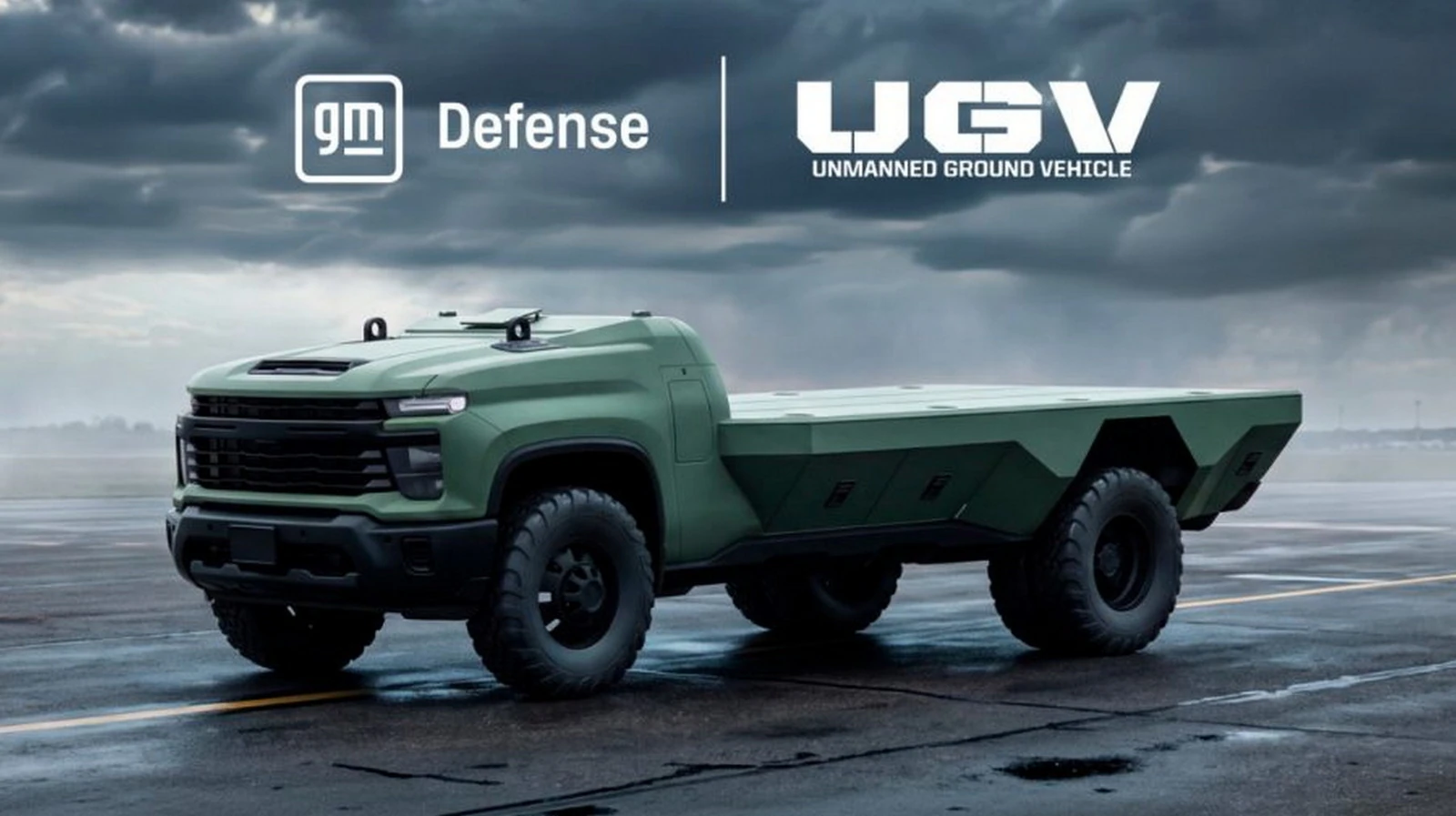
GM Defense readies driverless Silverado 3500HD concept for Army trials next year

The cab-less Unmanned Ground Vehicle carries 8,000 lb of payload and pairs a combustion engine with a 102 kWh battery for silent export power.

Image: Carscoops

GM Defense has unveiled an unmanned truck concept based on the Chevrolet Silverado 3500HD, with functional trials targeted for next year. The vehicle, called the Unmanned Ground Vehicle or UGV, appeared at the Association of the United States Army's annual meeting in Washington, D.C.

The concept strips out the cab entirely, which GM frames as a weight saving, and is designed to haul supplies, evacuate casualties or, per the company, even engage drones. It runs on the Silverado 3500HD dual-rear-wheel skateboard architecture.

Combustion engine, battery backup

Despite the battery capacity and the emphasis on quiet operation, this is not an electric truck. General Motors told Carscoops the drivetrain is an internal combustion engine connected to a power take-off unit, which charges the rechargeable energy storage system. That battery is used for export power, meaning it can run external equipment without the engine.

The arrangement is aimed at military theatres where silence matters: the battery can support quiet logistics and casualty evacuation, while the engine keeps the truck moving and topped up. The catch, as the source notes, is that the truck still has to reach its position without being heard in the first place.

DefenseDaily figures cited by Carscoops put payload at 8,000 pounds with 102 kWh of onboard energy. Skipping the cab is what makes those numbers work, since a cabin would cut both carrying capacity and range.

GM Defense's unmanned ground vehicle concept pairs a driverless Silverado 3500HD platform with Army-ready hardware
GM Defense's unmanned ground vehicle concept pairs a driverless Silverado 3500HD platform with Army-ready hardware, Image: Carscoops

Existing military work gives GM a head start

GM Defense is not starting from scratch. The company already builds vehicles for the military, and president Steve DuMont said the division does not begin with a blank sheet of paper. That matters because the Army reportedly changed one requirement from 649 units to around 12,000, a scale only an established supply chain could absorb.

Under what GM described as close collaboration with the customer, the company developed the Infantry Squad Vehicle Utility Prototype, delivered seven units and engineered a five-soldier variant expected to serve about 39 active-duty brigades.

What happens next

GM Defense hopes to test the UGV next year. Whether the hardware can realistically take on the anti-drone role the company floats is, as the source puts it, debatable. No production timeline, contract award or unit price has been announced.

For GM, the UGV is another sign the defense arm is scaling up fast, leaning on civilian Silverado components to move at the speed the Army's shifting requirements demand.

Open this article ↗

Keep scrolling to read the next story.

Older articles →