INDEPENDENT AUTOMOTIVE NEWSGLOBAL PERSPECTIVE / AUSTRALIAN EDITION
TDCNTHE DAILY
CAR NEWS.

The road ahead.
Every day.

RSS ↗
Latest/Electric

53 original articles

Electric / TDCN ORIGINAL

Alfa Romeo's next Giulietta will be a raised hatch, not a conventional family car

CEO Santo Ficili has outlined a 2028 launch for a crossover-styled C-segment model built in Melfi on Stellantis' new multi-energy platform, with hybrid, electric and Quadrifoglio versions planned.

Image: Motor1

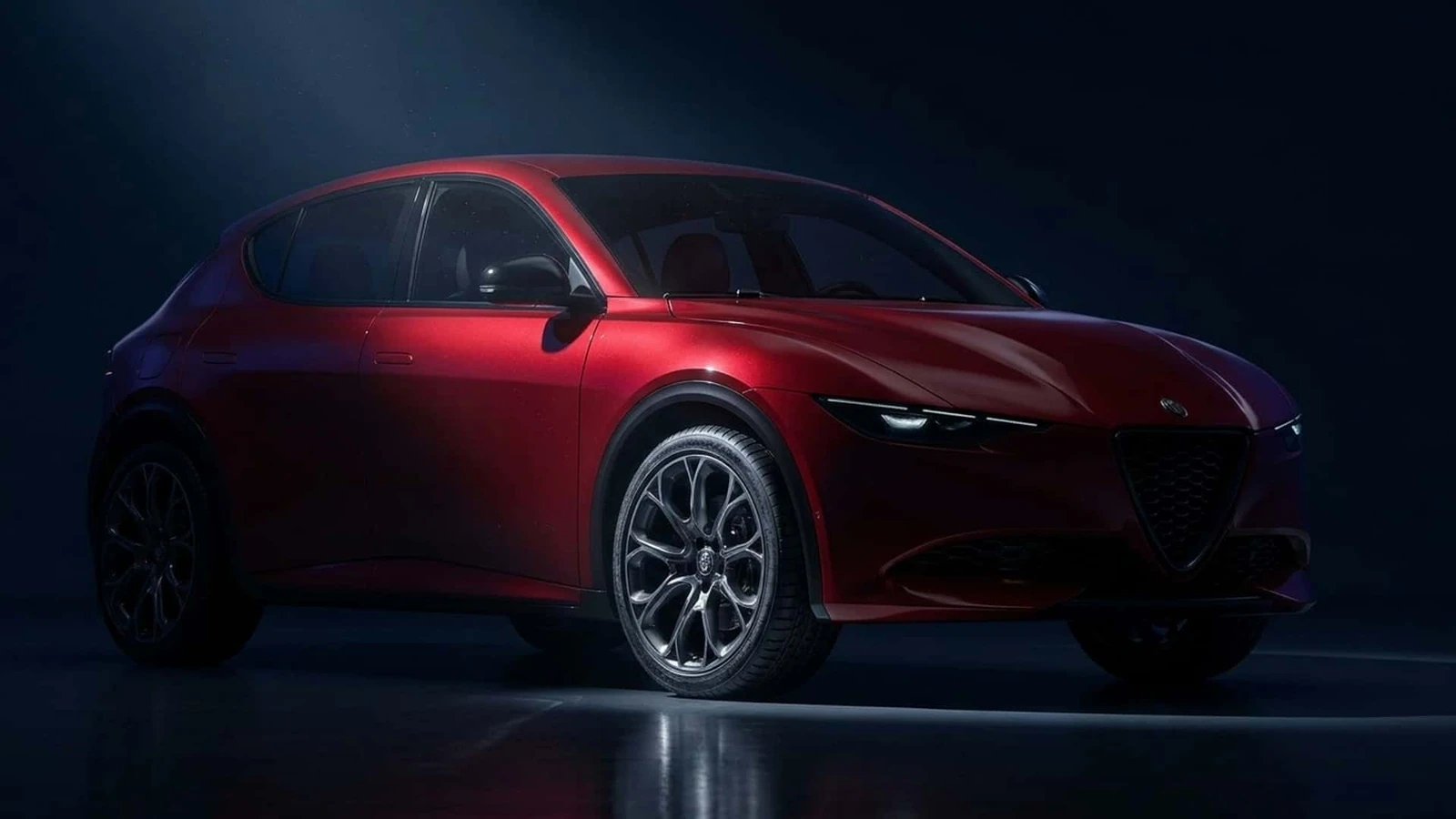
Alfa Romeo's next Giulietta will be a raised hatchback with crossover proportions rather than a conventional compact car, according to plans laid out by CEO Santo Ficili at the 2026 Paris Motor Show. The model is due after a new compact SUV arrives in early 2028, and will sit in the C segment above the Junior.

The Cuorerosso concept previews the styling, but the production car will not be as low as the show car created under design chief Alejandro Mesonero. Instead it will be slightly taller than a sedan without reaching SUV height, an approach the brand compares to the 2003 Kamal concept, which stood 63.8 inches tall and stretched 171.3 inches long.

One platform, petrol and electric

The raised body is expected to free up more passenger and cargo space than the previous Giulietta offered, and to accommodate Stellantis' new multi-energy platform, which is to be derived from the STLA One architecture announced in May by Stellantis CEO Antonio Filosa.

That flexibility means the Giulietta should be offered both as a hybrid, with electrification assisting combustion engines, and as a battery-electric version driven entirely by motors. Performance-focused Quadrifoglio variants are also expected, which Alfa Romeo says would demonstrate the development independence it retains within the Stellantis group.

Dynamically, the brand says suspension, steering and braking calibration will be carried out at the Balocco Proving Ground to preserve the driving character expected of an Alfa Romeo.

Where it sits in the range

The new Giulietta is scheduled to follow the compact SUV that Alfa Romeo will build at Melfi and position between Europe's C and D segments, with the SUV debuting first. The Giulietta would then fill the space above the Junior with a more premium character than the Tonale, while the next-generation Giulia and Stelvio remain the flagships.

The current Giulia and Stelvio will have their life cycles extended through the end of 2027 while their successors are prepared, a stopgap that underlines how much of the range now depends on the two new models arriving on schedule.

Cabin direction

Inside, the Cuorerosso is again the guide: the 2028 Giulietta is expected to adopt a driver-oriented instrument cluster and interface layout, with stronger emphasis on Alfa Romeo's history and Italian identity.

No technical specifications, pricing or exact on-sale date for the Giulietta have been announced.
Open this article ↗
Performance / TDCN ORIGINAL

Formula 1 signs 10-year deal to race in Rwanda from the early 2030s

The Bugesera circuit near Kigali is designed by Tilke and Alex Wurz's firm, but construction has not started and no race year is confirmed.

Image: Motor1

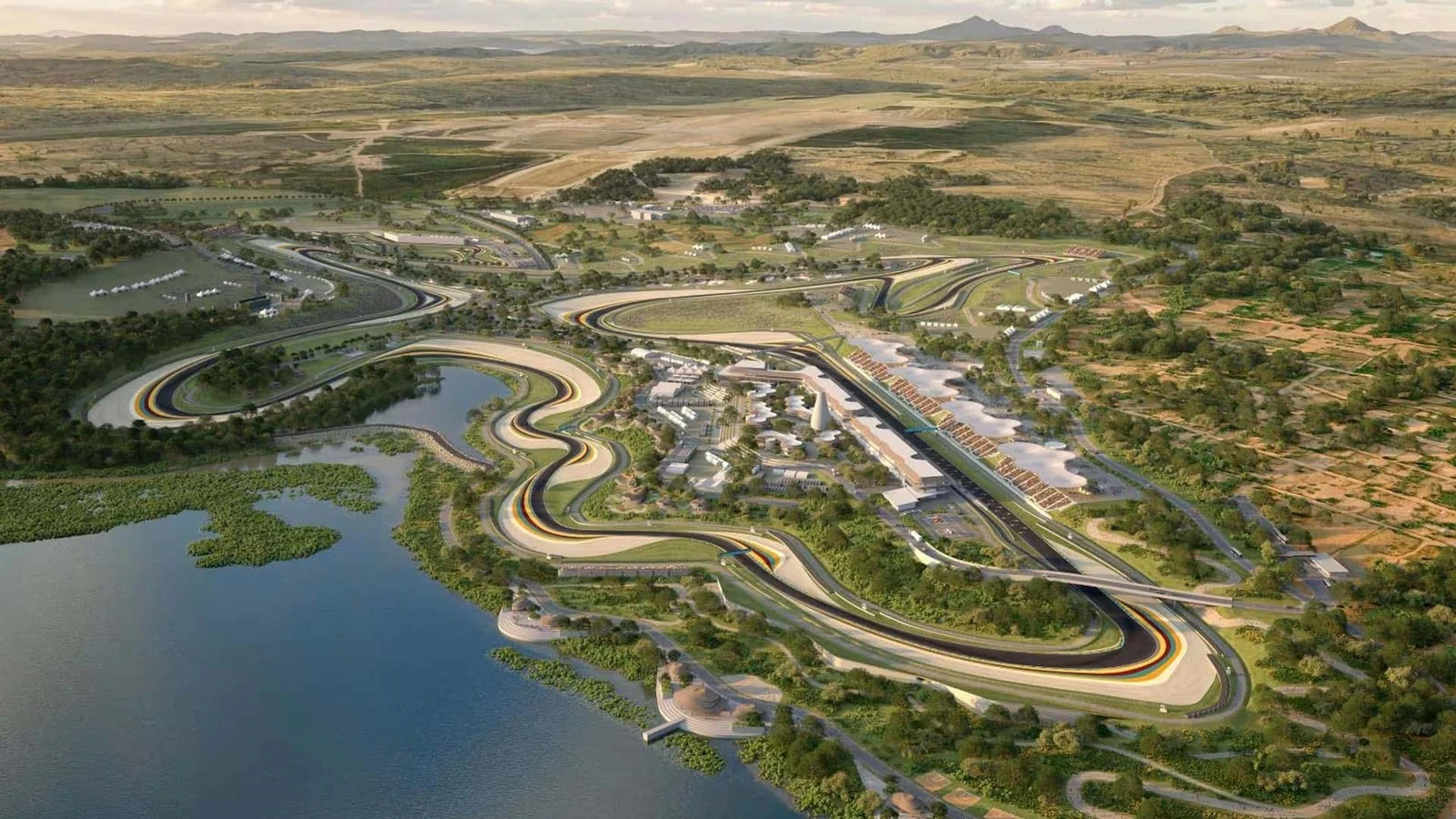
Formula 1 will return to Africa for the first time since 1993 after the series and the FIA signed a 10-year agreement on October 13 for a grand prix at a new circuit near Kigali, Rwanda. The catch is that the Bugesera track does not exist yet: construction has not begun, and the race can only join the calendar once the circuit is built to FIA Grade 1 standard.

No specific year has been attached to the first African Grand Prix, with the target window given only as the early 2030s. That leaves a long runway for a project whose physical work is yet to start, and the timeline will depend entirely on how quickly Rwanda can deliver a finished, homologated circuit.

The agreement was announced in Rwanda, where F1 president and CEO Stefano Domenicali called it "a landmark moment for Formula 1". FIA President Mohammed Ben Sulayem described the return as "a historic moment for our sport", while Rwandan President Paul Kagame kept his shorter: "Today belongs to Africa".

A track built into the hills

The circuit is planned for Bugesera, a district roughly 25 miles south of Kigali and next to the new Kigali International Airport, a link that matters for a championship that moves its entire operation to a new country roughly every other week.

Design work is being handled by Tilke Engineers and Architects together with WurzDesign, the firm led by former F1 driver Alex Wurz. Early concepts describe a 3.7-mile, 17-corner anti-clockwise layout with about 646 feet of elevation change per lap, drawn from Bugesera's hills and terrain near a lake. Cambered turns and banking are part of the plan, intended to give the track a roller-coaster character rather than sitting flat on open land, though the full layout has not been released.

Why Rwanda, and what else the venue is for

The commercial case rests on audience: organizers point to more than 100 million Formula 1 fans across Africa and describe that fanbase as young and fast growing. For a series that has had no African round since Kyalami in 1993, a decade-long deal also gives promoters and teams certainty that the date is meant to last rather than serve as a one-off experiment.

The circuit is one piece of a broader sports, tourism and infrastructure campaign led by the Rwanda Development Board, following the country's hosting of the UCI Road World Championships and the ICC Women's Challenge Trophy. That suggests the venue is intended to host far more than a single grand prix weekend, which would help spread the cost of building a Grade 1 facility in a country with no existing top-tier circuit.

Open this article ↗

Keep scrolling to read the next story.

Older articles →