BMW Group delivered 110,257 fully electric vehicles in the third quarter, up 7.2 percent year over year, but the growth is almost entirely a European story. Strip Europe out and the group's EV deliveries collapse to 28,316 units, roughly 34.5 percent below the same quarter last year, while plug-in hybrid deliveries fell about 16.2 percent to 40,538.
The combined electrified total of 150,795 deliveries was down 0.3 percent, and it covers Mini and Rolls-Royce as well as BMW-branded cars. One in five vehicles the group delivered in Q3 was fully electric, a bright spot in a quarter where overall sales fell 6.3 percent.
Europe accounted for 81,941 of the group's EV deliveries in the quarter, up 37.5 percent, and now represents close to three-quarters of all electric sales. Fully electric models made up 34.7 percent of the group's regional deliveries there, following 38 percent growth in Q2.
That concentration cuts both ways. The European surge is large enough to mask a steep decline in markets like China and the U.S., which means BMW's electric recovery currently rests on a single region rather than a broad, global shift. The group's year-to-date EV total of 314,552 deliveries is still 2.7 percent below the same nine months of 2025.
A recovery that started in Q1
The quarter extends a turnaround from earlier in the year. BMW Group's first-quarter financial report recorded 87,488 BEV deliveries, down 20.1 percent, before the second quarter recovered to 116,807 units, up 5.2 percent year over year. Q3's growth is therefore the second consecutive positive quarter, even though total deliveries were lower than in Q2.
Plug-in hybrids moved the other way. Subtracting EVs from the group's combined plug-in total leaves 40,538 PHEV deliveries for the quarter, down approximately 16.2 percent. The sources do not explain why plug-in hybrids are falling, and BMW has not given a reason; the decline is most plausibly buyers moving straight to fully electric models, but that is inference rather than a stated fact.
The iX3 is doing the heavy lifting
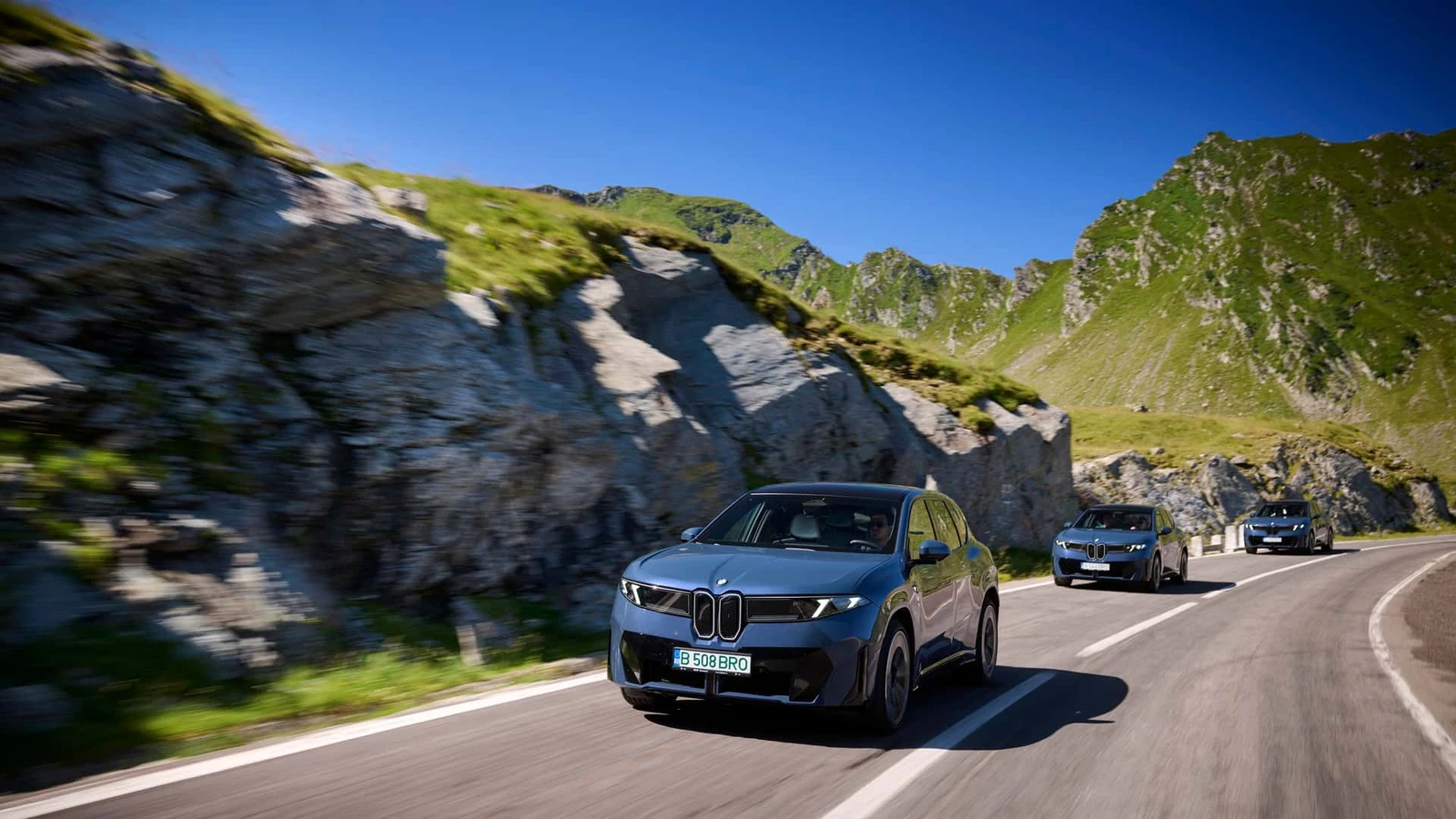
The Neue Klasse iX3, which debuted in March, is the standout. BMW had built 50,000 examples by July and now reports more than 100,000 European orders within a year, which it calls its most successful model launch. Those are production and order figures, not global delivery totals, so the gap between orders booked and cars actually handed over remains unclear.
More electric models are queued up behind it. The i3 saloon should reach U.S. dealerships early next year, and BMW has confirmed an i3 Touring wagon. The newly unveiled iX4 brings a coupe-like crossover body to the same formula with an American launch set for March 2027, and the larger iX5 follows in the first quarter of 2027. The refreshed i7, with improved range and charging, is already reaching American customers. The iX3 itself is still not on sale in the U.S. and several other markets.
A cheaper Neue Klasse is coming, price unknown
BMW also plans an entry-level Neue Klasse EV in 2028, positioned below the i3 to give buyers a more affordable way into the new electric range. Pricing has not been announced, so what the cheapest new-generation BMW will actually cost remains an open question.
That car may prove decisive. The iX3 has given BMW an encouraging start, but the group's next test is whether a broader, cheaper electric lineup can convert European momentum into recovery in China, the U.S. and beyond.