INDEPENDENT AUTOMOTIVE NEWSGLOBAL PERSPECTIVE / AUSTRALIAN EDITION
TDCNTHE DAILY
CAR NEWS.

The road ahead.
Every day.

RSS ↗
Latest/Australia

42 original articles

Australia / TDCN ORIGINAL

Avatr and Nevo hybrids flagged for Australia as Changan weighs PHEV and EREV launches

The local arm of Changan says plug-in and range-extender options are under consideration for its incoming brands, which have so far been confirmed EV-only here.

Image from the source coverage.

Changan's factory-backed Australian distribution operation is considering plug-in hybrid and range-extender vehicles for the local market, in a sign its Avatr and Nevo brands may not be EV-only for long.

Andrew Haurissa, head of brand and marketing at Avatr Australia, said the company has PHEV and EREV options under consideration for entry into Australia "sooner rather than later", with more to be shared in local communications in the coming months.

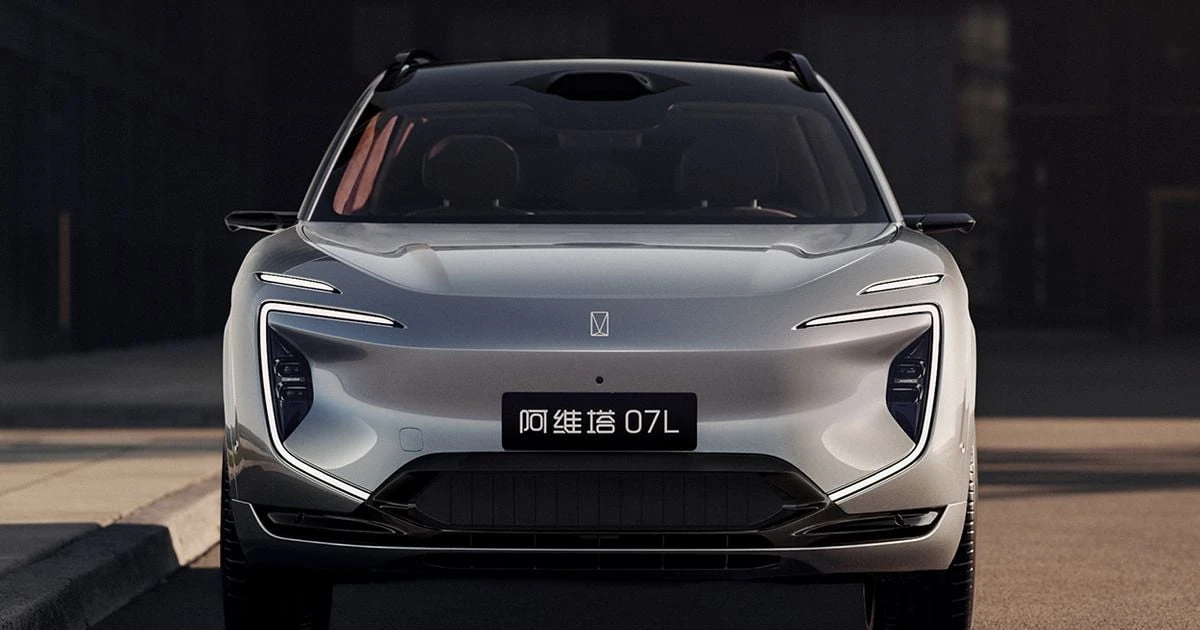
The comments mark the first confirmation of non-EV powertrains being weighed for Australia by Changan's local operation. Until now, the Avatr 07L and 06T have only been confirmed with all-electric drivetrains locally, and the related Deepal brand, distributed separately by Inchcape, sells just one model here, the S07, as a pure EV.

The hybrid picture overseas is different. The Avatr 07L and 06T are both offered with EREV powertrains in markets including China, and the Chinese-market version of the Concept T09 flagship SUV that debuted in Paris this week is EREV-only.
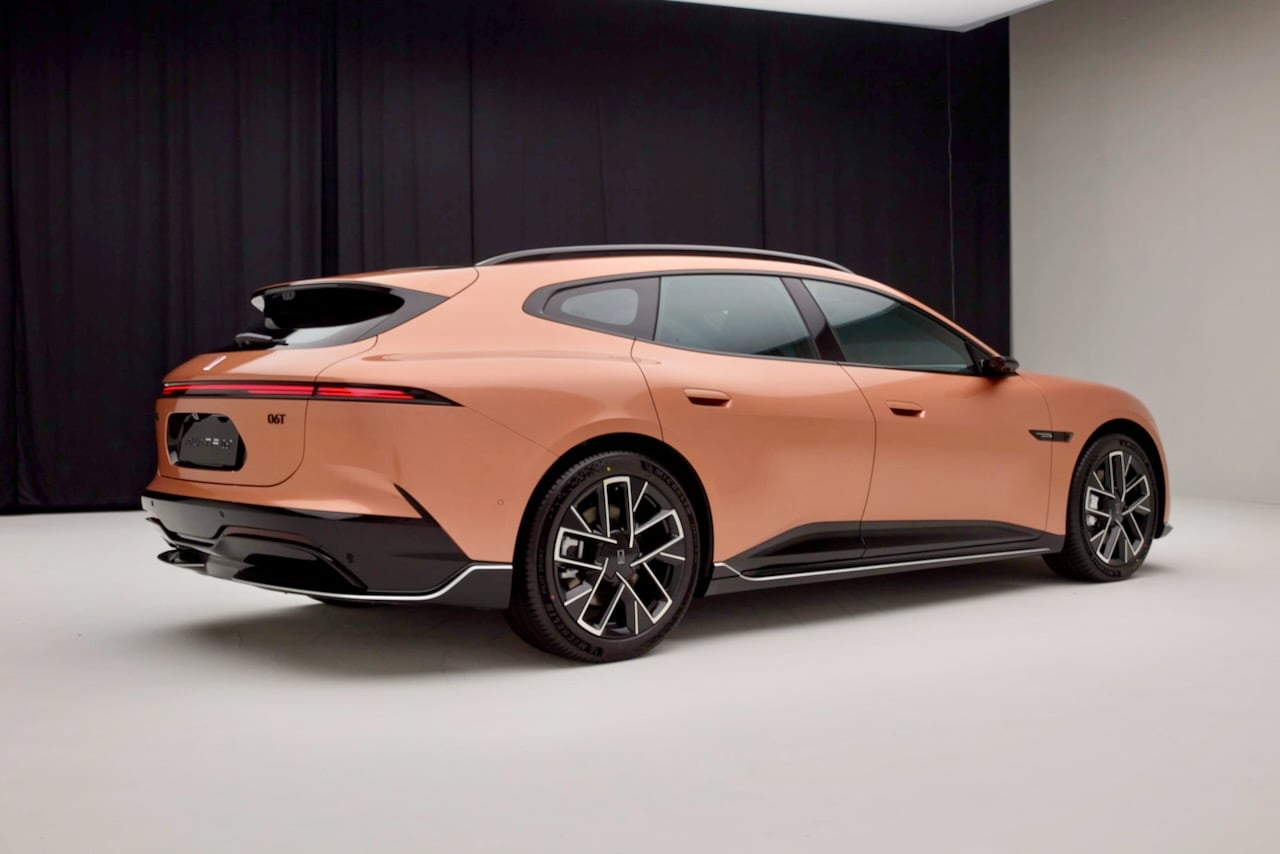
The Avatr 12 is one of the flagship models Changan could bring to Australia.
The Avatr 12 is one of the flagship models Changan could bring to Australia., Image: CarExpert

What the EREV hardware looks like

In the 06T, the range-extender setup pairs a 1.5-litre turbo-petrol engine with two electric motors and a 45.1kWh battery, for a combined system output of 370kW and total driving range of 1200km on the NEDC cycle.

Changan's Nevo brand, which launches in Spain in early 2027 before arriving in Australia later next year, also offers PHEV and EREV variants across its model lines. Deepal, meanwhile, sells the S05 and S07 SUVs with long-range PHEV powertrains, both of which have just been confirmed for imminent launches in Europe, including in right-hand drive.

Long-range 'Super Hybrid' technology of this kind is popular in China, where many models quote electric-only ranges of 150 to 300km thanks to batteries larger than those in conventional PHEVs, plus combined ranges beyond 1000km.
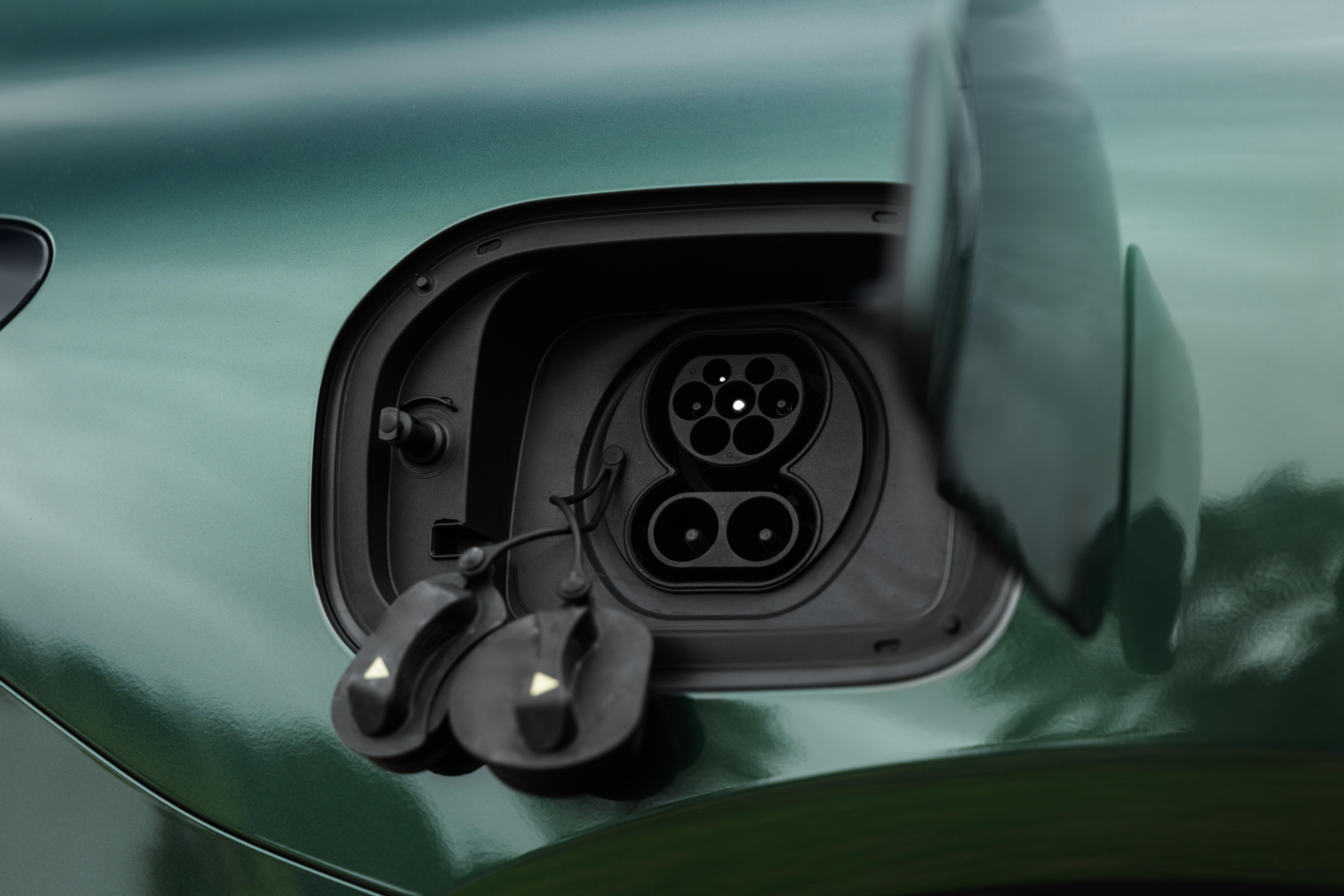
Charge port detail on a plug-in hybrid, key to the EREV hardware story.
Charge port detail on a plug-in hybrid, key to the EREV hardware story., Image: CarExpert

Why hybrids matter for the local line-up

The timing is no accident. PHEV sales, including EREVs, grew 122.7 per cent in September 2026 to 10,072 units, and their year-to-date market share has reached 8.9 per cent.

The catch is that plug-in hybrids still trail the rest of the market: their 85,278 year-to-date sales sit well behind conventional hybrids on 160,053 and battery-electric vehicles on 180,591. Even so, a segment growing at that pace is hard for a new entrant to ignore, particularly one whose Chinese parent already builds the hardware.

For buyers, the open question is which models would carry the hybrid drivetrains. Neither pricing nor launch timing for any Australian hybrid variant has been announced, and Changan has not confirmed which of its brands would get them first.
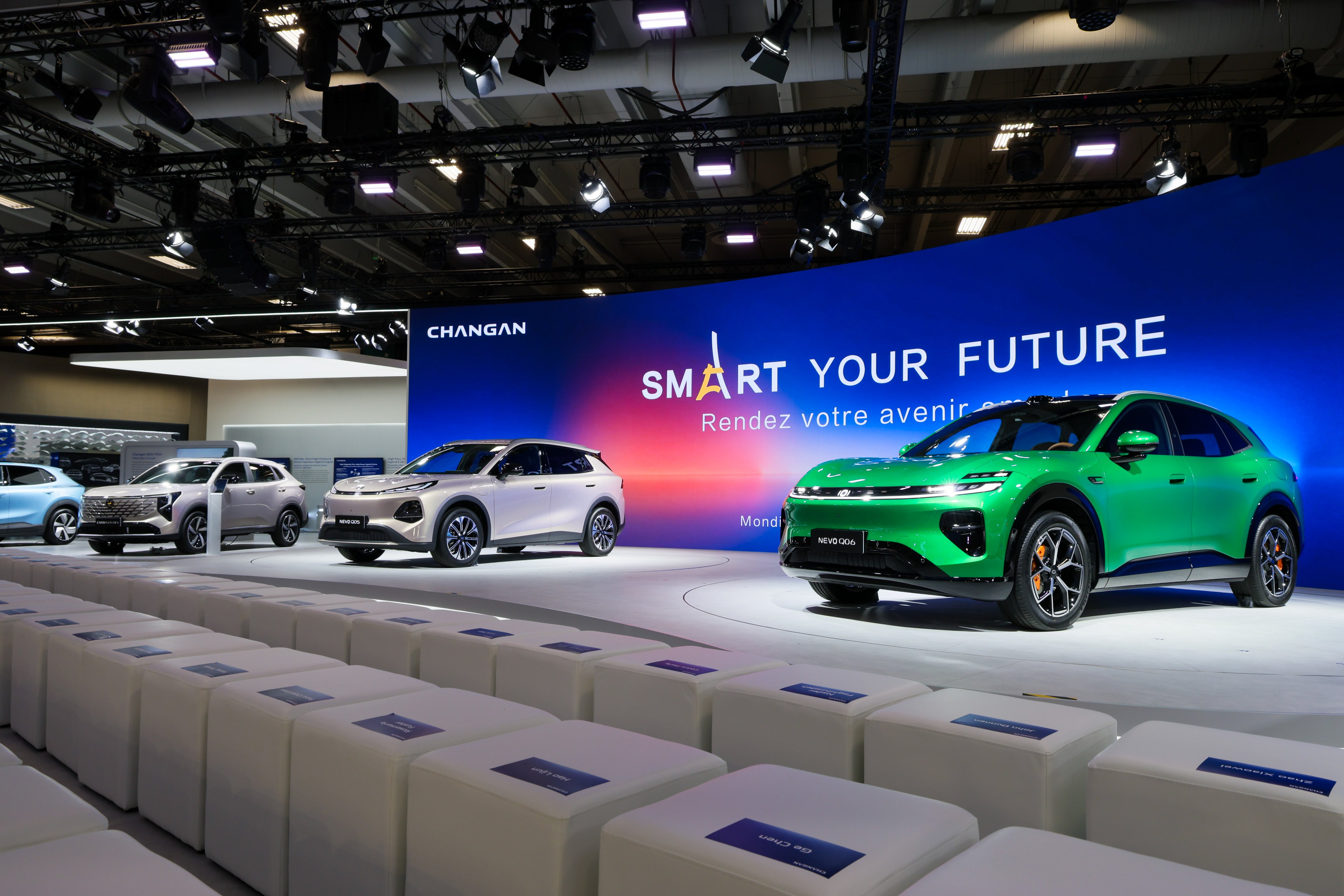
Changan's global line-up on a motor show stand, including the Deepal S07.
Changan's global line-up on a motor show stand, including the Deepal S07., Image: CarExpert

Deepal's position

Deepal's local range is currently limited to the S07 EV, sold through independent distributor Inchcape rather than Changan's own operation. Its PHEV versions of the S05 and S07 are headed to Europe, but no Australian launch for those hybrids has been confirmed.

That leaves the hybrid door open for Avatr and Nevo, the two brands Changan itself will distribute here. Whether Deepal follows with plug-in hybrids in Australia hasn't been announced.
Sources & reporting notes +

Written with AI assistance and checked against the source material. Our editorial standards.

Open this article ↗
Performance / TDCN ORIGINAL

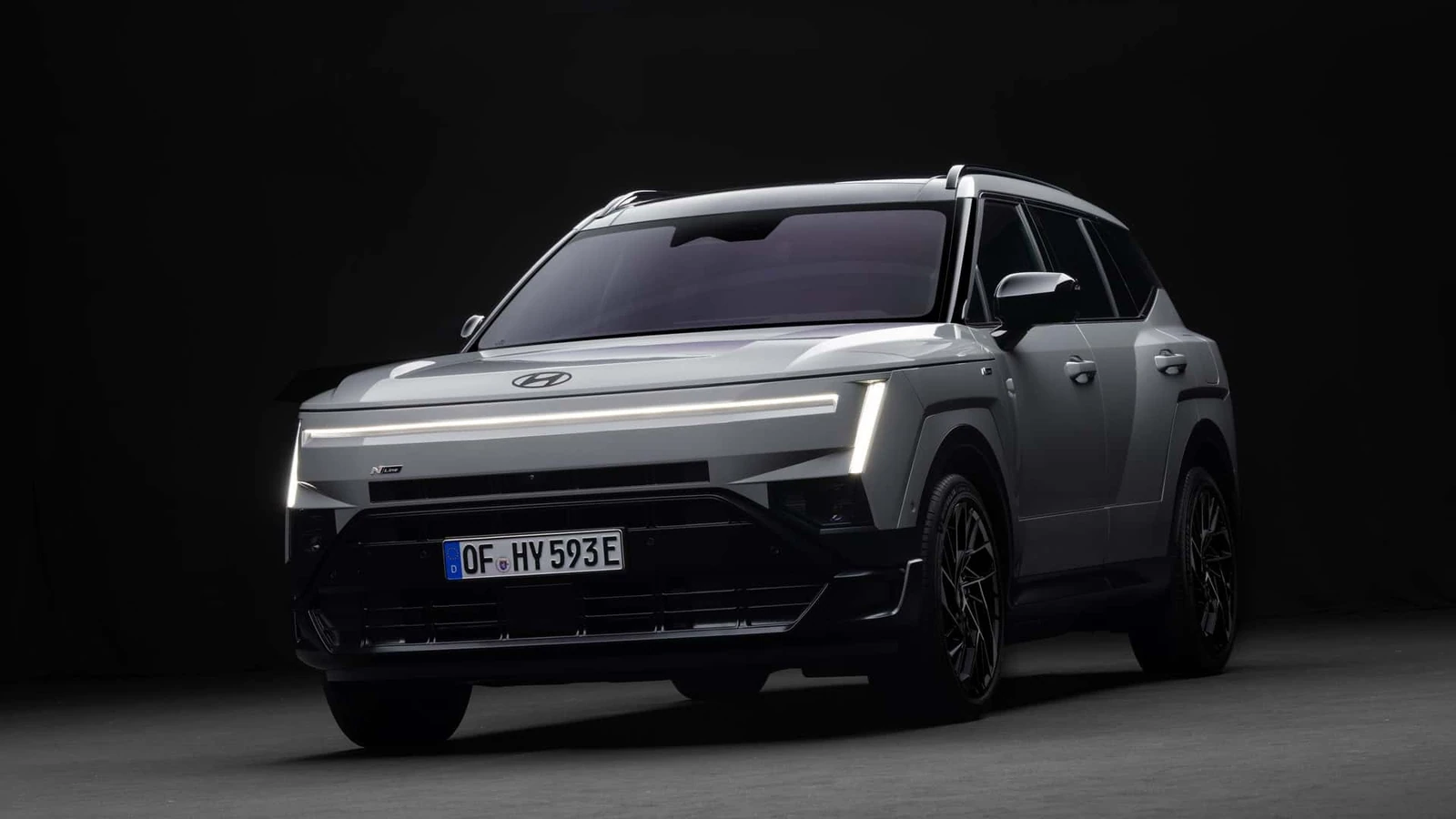
2027 Hyundai Tucson N Line debuts as a styling trim with up to 288 hp but no N performance upgrades

The sporty trim brings 20-inch wheels, red accents and exposed dual exhaust tips, yet Hyundai has confirmed no chassis or power changes over the standard SUV.

Image from the source coverage.

Hyundai has revealed the 2027 Tucson N Line at the 2026 Paris Motor Show, a sportier take on the new-generation SUV that keeps the regular model's mechanicals untouched. It joins the recently shown XRT Pro in fleshing out the fourth-generation Tucson range, and Hyundai has confirmed no dedicated performance upgrades for the trim.

The N Line treatment is cosmetic and equipment based: 20-inch alloy wheels, red accents, suede seats and, unusually for a modern SUV, exposed dual exhaust tips rather than hidden ones. Underneath, it runs the same gasoline, hybrid and plug-in hybrid drivetrains as the standard Tucson.

What the N Line actually gets

The visual package is the story. Beyond the 20-inch wheels and red interior accents, the N Line wears a more aggressive front and rear treatment, with the dual exhaust tips deliberately displayed even though they serve no performance purpose.

Inside, the sporty trim adds suede upholstery while retaining the Tucson's practical family layout. Hyundai has not announced any sharper suspension, brake or powertrain tuning for the N Line, so buyers are paying for looks and equipment, not lap times.

That distinction matters in Hyundai's hierarchy. N Line sits below the full-fat N badge used on the brand's performance models, and the company has not confirmed whether a true Tucson N will ever exist.

Engines: 148 hp to 288 hp, no diesel

In Europe the N Line carries the standard Tucson's full powertrain lineup. The entry point is a 1.6-liter T-GDI turbocharged gasoline engine with 148 hp, offered with front-wheel drive and a choice of six-speed manual or seven-speed dual-clutch gearbox.

The self-charging hybrid pairs the turbo 1.6 with an electric motor and a 1.49-kWh battery for a combined 242 hp, in front- or all-wheel-drive form with a six-speed automatic. Hyundai quotes 8.3 seconds from 0 to 62 mph (100 km/h).

The plug-in hybrid arrives later with a larger 17.1-kWh battery and 288 hp combined, again with a choice of front- or all-wheel drive. The all-wheel-drive PHEV is the quickest Tucson on offer at 7.9 seconds to 62 mph, and Hyundai quotes up to 42 miles (67 km) of electric range for versions on the 20-inch wheels. A 7.2-kW onboard charger handles charging, and certain Tucson variants are rated to tow 1,910 kg (4,211 lb).

There is no diesel in the lineup. Stricter emissions regulations are squeezing conventional oil burners out of Europe, and Hyundai has not announced one for the new Tucson.

Pleos Connect and the tech inside

The N Line inherits the next-generation Tucson's new Pleos Connect infotainment, built on Android Automotive OS and offered with a 12.9-inch or 17-inch central touchscreen.

The system runs Gleo AI voice recognition with access to live internet data, and selected functions update over the air. Hyundai has also kept physical buttons for frequently used controls rather than burying everything in the screen.

A Tucson N is still an open question

Hyundai has confirmed a new family of affordable performance models positioned between N Line and full N, due by 2030, using carry-over parts from N cars and promising what the company calls value features for daily high-performance experience. Whether the Tucson joins that plan has not been announced.

The N Line appears in Paris alongside the second-generation Bayon, which gets an N Line version for the first time. Both follow a playbook the German brands have run for decades: all the show, without the extra go.

The catch for buyers is that the N Line premium buys appearance and equipment, not driving hardware. Anyone wanting a genuinely quicker Tucson will have to rely on the 288 hp plug-in hybrid, which is the fastest version on offer and arrives later in the range.

Sources & reporting notes +

Written with AI assistance and checked against the source material. Our editorial standards.

Open this article ↗

Keep scrolling to read the next story.

Older articles →