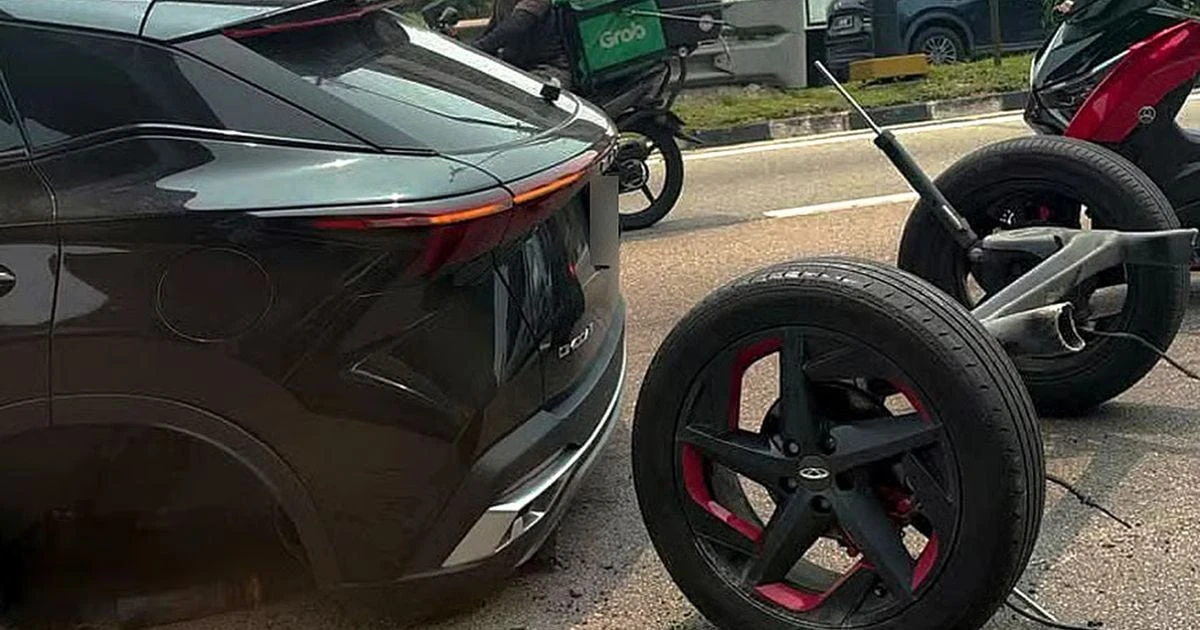
Malaysia's road transport department has suspended new registrations of the Chery Omoda 5 as a safety precaution, after images circulated of one example with its rear axle and wheels separated from the body. The suspension took effect when the JPJ announced on October 11 that the model's vehicle type approval would be temporarily halted pending a technical investigation.
The incident that prompted the action occurred on October 6 in Johor Bahru, southern Malaysia, where an Omoda 5 was photographed and filmed with its rear axle assembly and wheels detached from the vehicle's body.
The JPJ's director-general, Aedy Fadly Ramli, said the department would also conduct a technical audit of the Omoda 5's production and assembly line and its related axle component suppliers. That audit covers compliance with Good Manufacturing Practice, quality control systems, weld joint inspection procedures and the safety level of the components used.
What happens next
The suspension will be lifted only once corrective and preventive measures have been implemented and the JPJ has verified that the safety risks have been addressed. No timeline for that process has been given, and no cause for the axle separation has been identified in anything the department has said publicly. Whether anyone was hurt in the October 6 incident has not been announced either; the widely shared images and videos show the detached axle and wheels, but no injury details have been released.
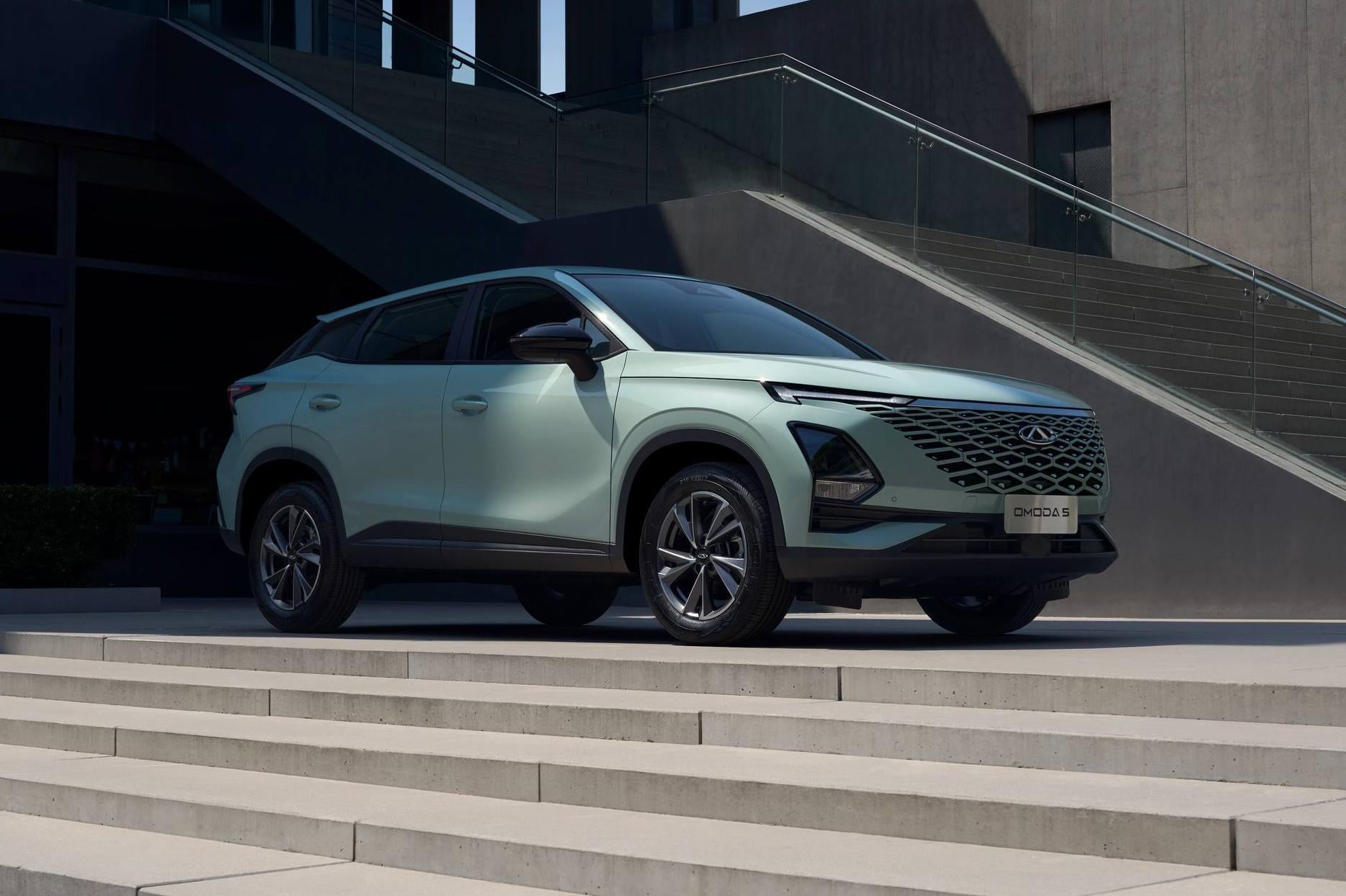
The suspension applies to remaining stock of the Omoda 5, which launched in Malaysia in 2023 and was rebranded as the Chery O5 in a September 2025 update. The model no longer appears among the new vehicles listed on Omoda's Malaysian website.
Where the cars are built
Malaysian-market Omoda 5 examples are locally assembled from complete knock-down kits by Inokom Corporation at its 200-acre Kulim plant in Kedah. Inokom, majority-owned by Sime Motors, also assembles vehicles for BMW, Mini, Porsche, Hyundai, Kia and Mazda.
That local assembly is precisely what the JPJ's audit targets: the investigation spans the production and assembly line as well as the axle component suppliers, suggesting regulators want to trace whether the fault lies in the build process or in a supplied part.
What it means for Australia
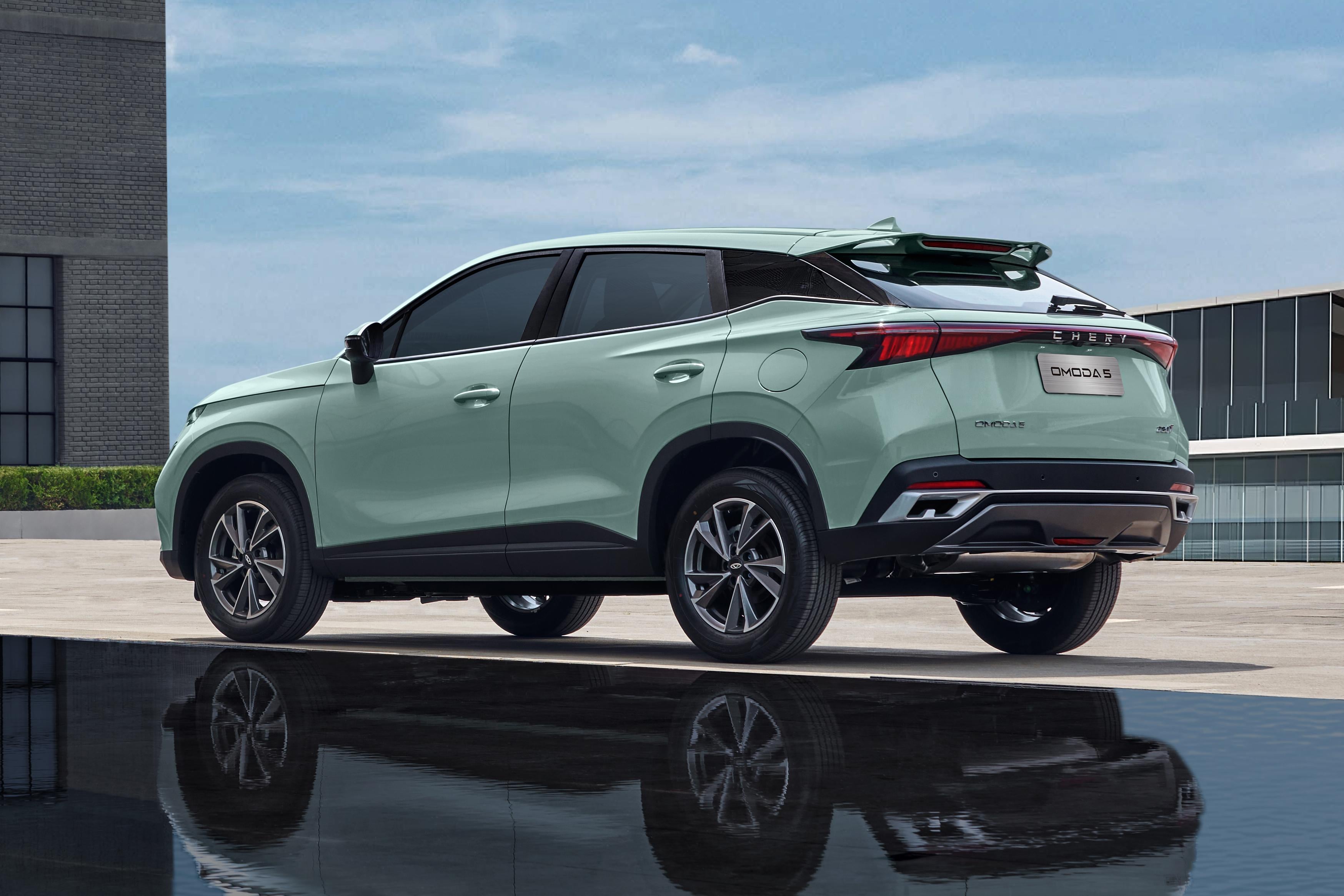
Australian examples are a different proposition. The Omoda 5 is sold here as the Chery C5, positioned against the MG ZS, GWM Haval Jolion and Hyundai Kona, and the cars are manufactured in China rather than assembled at Inokom's Kulim plant.
Chery Australia has confirmed no similar issues have been experienced locally. In a statement, the brand said it was aware of the Malaysian incident and that there have been no reported incidents in Australia, adding that it is committed to providing vehicles that meet the highest standards of quality and safety.
For Australian C5 owners, the practical takeaway is that the Malaysian suspension does not apply to locally sold cars, and no local action has been flagged. The separation between the two supply chains, Chinese-built for Australia versus CKD-assembled for Malaysia, is the clearest structural difference between the markets, though Chery has not attributed the Malaysian fault to the assembly route.
Scale of the brand in Malaysia
Omoda sits under the Omoda Jaecoo sub-brand owned by Chery, and was the sixth-best selling brand in Malaysia in September 2026, one place behind Jetour, another Chery brand bound for Australia. A registration freeze on one of its volume models is therefore more than a footnote for the company's Malaysian operation, since it stops sales of the affected stock entirely until the JPJ is satisfied.