INDEPENDENT AUTOMOTIVE NEWSGLOBAL PERSPECTIVE / AUSTRALIAN EDITION
TDCNTHE DAILY
CAR NEWS.

The road ahead.
Every day.

RSS ↗
Latest/Electric

61 original articles

Electric / TDCN ORIGINAL

Rivian hires ex-Tesla and Ford EV chief Doug Field to lead its Mind Robotics venture

Field left Ford in April and now takes over day-to-day running of the robotics startup, with Rivian's factories set to be its first customer.

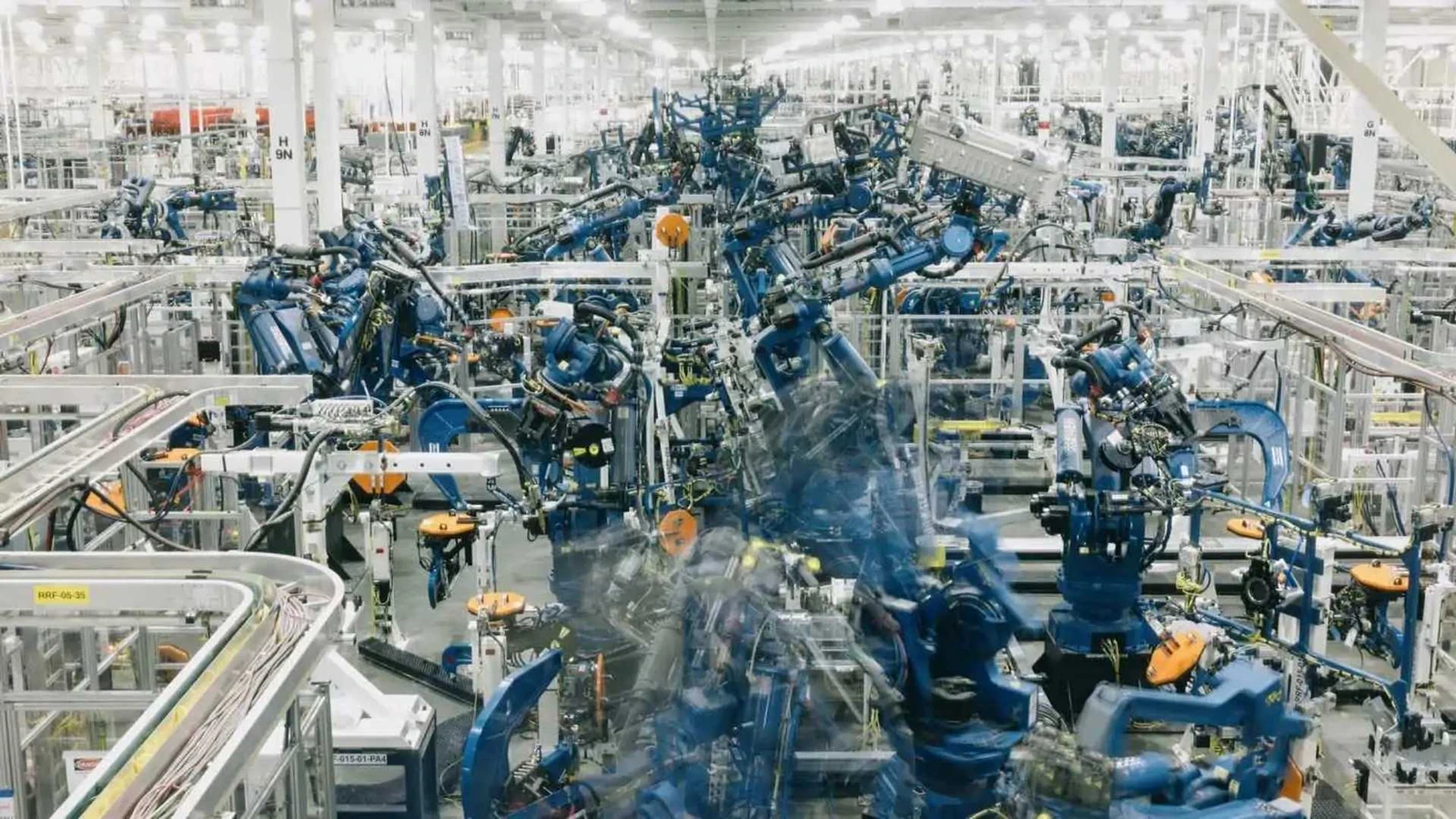
Rivian has hired Doug Field, the veteran engineer behind the Tesla Model 3 and Ford's Universal EV platform, as president of Mind Robotics, the robotics and AI venture it launched last year.

Rivian CEO RJ Scaringe confirmed the appointment at the TechCrunch Disrupt 2026 conference on Tuesday, saying the two found deep alignment on the mission and how they build teams. Field takes over day-to-day leadership of the venture, though Scaringe remains involved.

A résumé built across Tesla, Apple and Ford

Field's automotive credentials span the industry's biggest electrification projects. He was senior vice president of engineering at Tesla, where he helped get the Model 3 into production, and earlier worked at Apple on Project Titan, the car program the company later cancelled.

Most recently he spent five years at Ford, where he assembled the skunkworks team that created the Universal Electric Vehicle platform. He left the company this April amid a reshuffling of Ford's EV business.

In a statement, Field called integrating AI and robotics one of the most important and difficult engineering challenges of our time, and pointed to Mind's ability to deploy and learn inside a real, high-volume factory from day one.

Semi-humanoid robots for the factory floor

Mind Robotics is not chasing a general-purpose humanoid in the mould of Tesla's Optimus. Its machines will be kind of humanoid, built solely for manufacturing assistance.

Rivian will be the venture's first customer, deploying the robots in its own high-volume factories once they are ready for prime time. That gives Mind a captive proving ground for its technology, and it is the advantage Field singled out in his statement.

The smarter move here is the captive-customer model: rather than selling robots into a crowded market, Mind can iterate inside Rivian's plants before facing outside buyers. The catch is that Rivian has not said when the robots will actually be ready, and no timeline has been announced.

What it means for Rivian's car business

For drivers and buyers, nothing changes at Rivian's EV operation on the back of this appointment. Field's role sits at Mind Robotics, not the vehicle line-up, and the sources point to no change in how Rivian builds or sells its cars.

If anything, the hire is a signal about where Rivian thinks its manufacturing edge will come from. Scaringe's comments about deploying robotics into the economy, paired with Field's record of scaling production at Tesla and Ford, suggest the venture exists to harden Rivian's own factories first. Whether that translates into cheaper or better-built Rivians is a question the companies have not addressed.
Open this article ↗
Electric / TDCN ORIGINAL

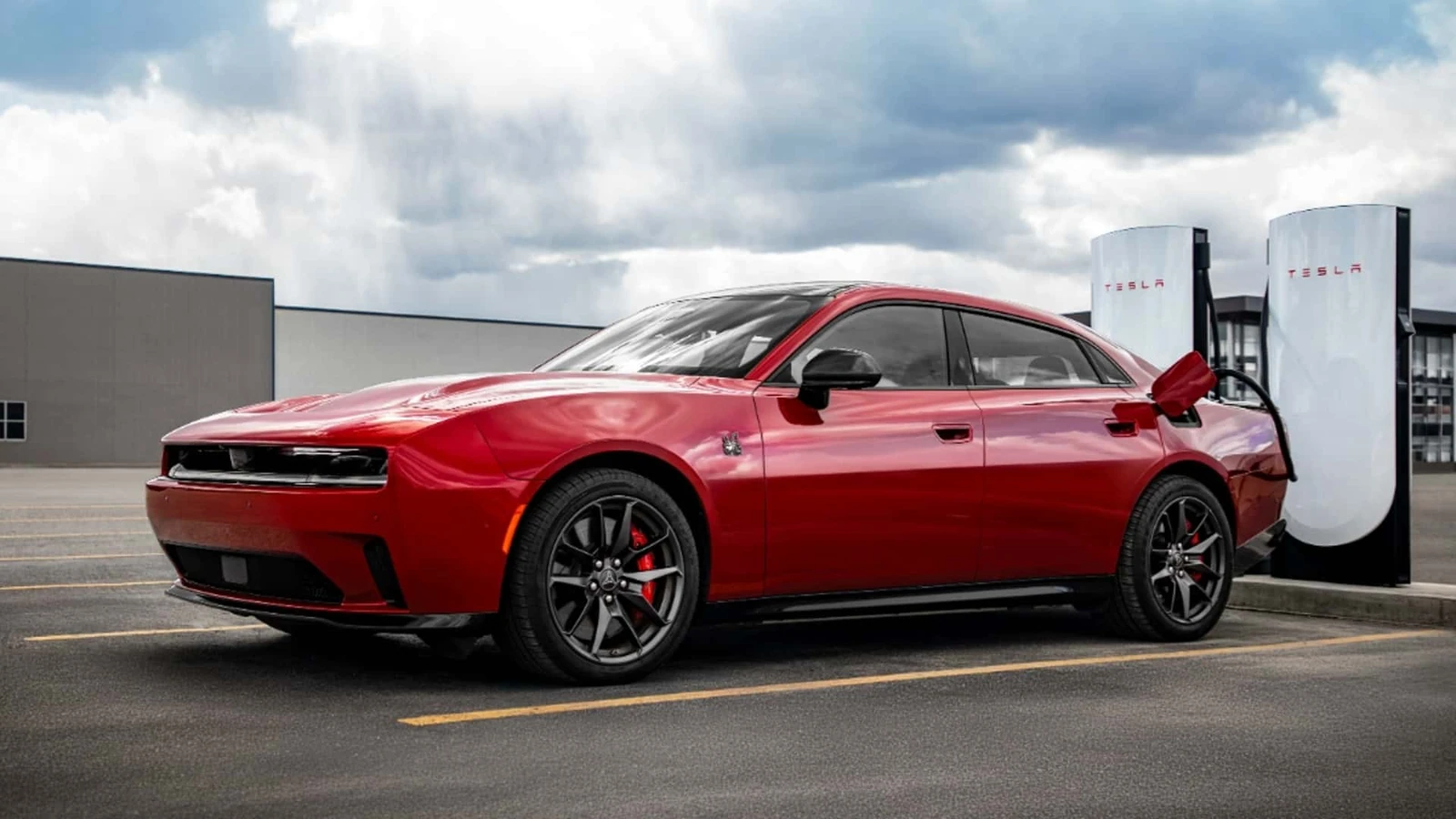
Tesla Supercharger prices are up 15% in a year, pushing the US fast-charging average higher

Non-members now pay an average of $0.569 per kWh, though the national average for rival networks has sat still for five straight quarters.

Tesla has raised its average non-member Supercharging price by 15% over the past year, according to data from analytics firm Paren's Q3 US EV Fast Charging report. Drivers without a Tesla subscription now pay an average of $0.569 per kWh, while members pay $0.396 per kWh, a tier that climbed about 9% in the same period.

The increase is large in percentage terms but modest at the plug: a hypothetical 60 kWh session has risen about $4.50, from $29.70 to $34.14. Because roughly 80% of EV charging happens at home, the change works out to about $66 a year in extra cost for the average non-Tesla driver who relies on public fast chargers.

The price rise has had a knock-on effect across the industry. Tesla's increase pushed the overall US fast-charging average up around 2%, from $0.533 to $0.540 per kWh. The national average for non-Tesla networks, by contrast, has been static for five consecutive quarters.

That framing matters. Tesla's pricing is not unusually high for the market; if anything, the increase brings it closer into line with other charging providers, since the non-Tesla average has sat around $0.533 per kWh for more than a year. The catch for drivers is that the cheapest way into a Supercharger is now the membership tier, which still undercuts the non-member rate by a wide margin at $0.396 per kWh.

Where the money is going

Tesla is ploughing charging revenue back into expansion. The company added 1,287 ports in the last quarter, more than any other fast-charging operator in the US, though that accounted for only 31.3% of all new ports. Ionna was the closest competitor with 378 new ports, followed by Walmart with 344.

Over the past year Tesla installed about 5,700 plugs, yet its share of the charging market still fell from 54.3% to 49.3%. Rivals collectively grew almost twice as fast as the Supercharger network over the same period.

Why the pricing shift matters

The Supercharger network remains one of Tesla's most valuable assets. It generates steady revenue and its plug-and-charge experience helped convince other automakers to adopt Tesla's connector across virtually every new EV sold in North America.

But the competitive picture is changing. Speed and scale matter more than ever now that rivals are adding ports quickly, and Tesla's dominance of the charging market has slipped below half. For non-Tesla EV owners who adopted the North American Charging Standard, the practical consequence is a pricier fallback and road-trip option, with membership the clear lever for anyone charging at Superchargers regularly.

Open this article ↗

Keep scrolling to read the next story.

Older articles →