INDEPENDENT AUTOMOTIVE NEWSGLOBAL PERSPECTIVE / AUSTRALIAN EDITION
TDCNTHE DAILY
CAR NEWS.

The road ahead.
Every day.

RSS ↗
Latest/Industry

64 original articles

Industry / TDCN ORIGINAL

Dodge Charger SRT Hellcat reportedly returns in late 2027 with 527kW supercharged V8

A planning document seen by Automotive News points to around 12,000 Hellcats a year, which would double current Charger sales, but a cheaper V8 looks unlikely.

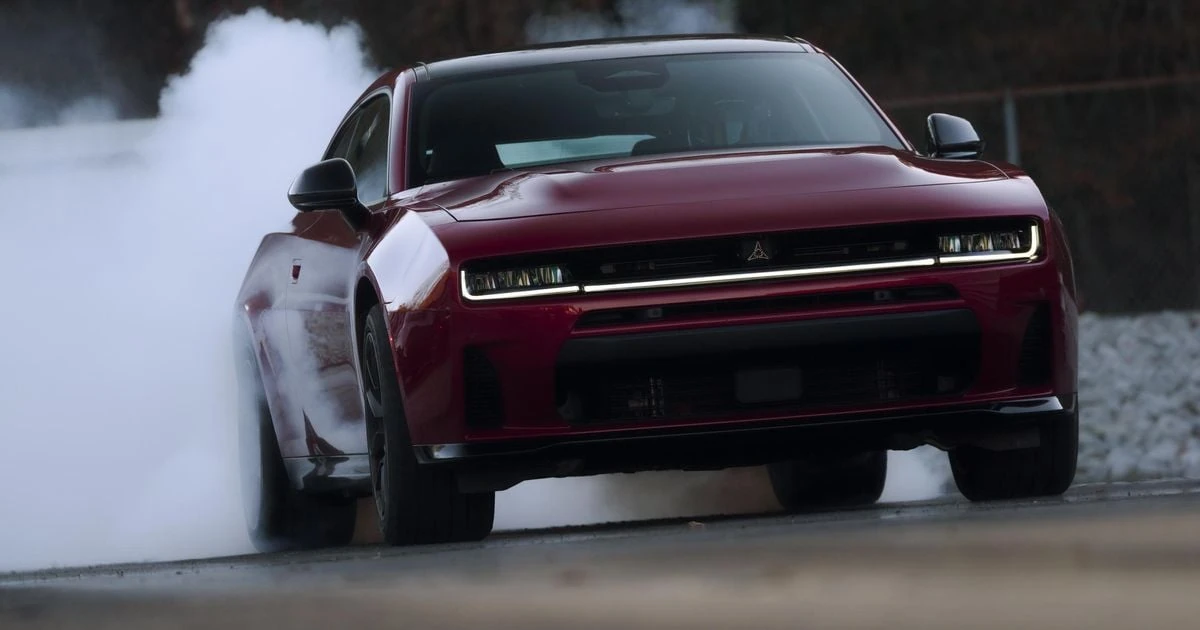
Dodge will reportedly begin production of a new Charger SRT Hellcat in late 2027, bringing the 6.2-litre supercharged V8 back to the nameplate after the current generation launched without it.

The claim comes from a planning document seen by Automotive News. Stellantis has downplayed the report as speculation, though it confirmed at its 2026 Investor Day in May that an SRT variant of the Charger is under development.

The document suggests the new Hellcat will use a version of the 6.2-litre supercharged V8 from the previous-generation Charger sedan and Challenger coupe. In standard trim that engine made 527kW and 881Nm. Neither the on-sale date nor the first customer deliveries have been confirmed, and Dodge has not published output figures for the new car.
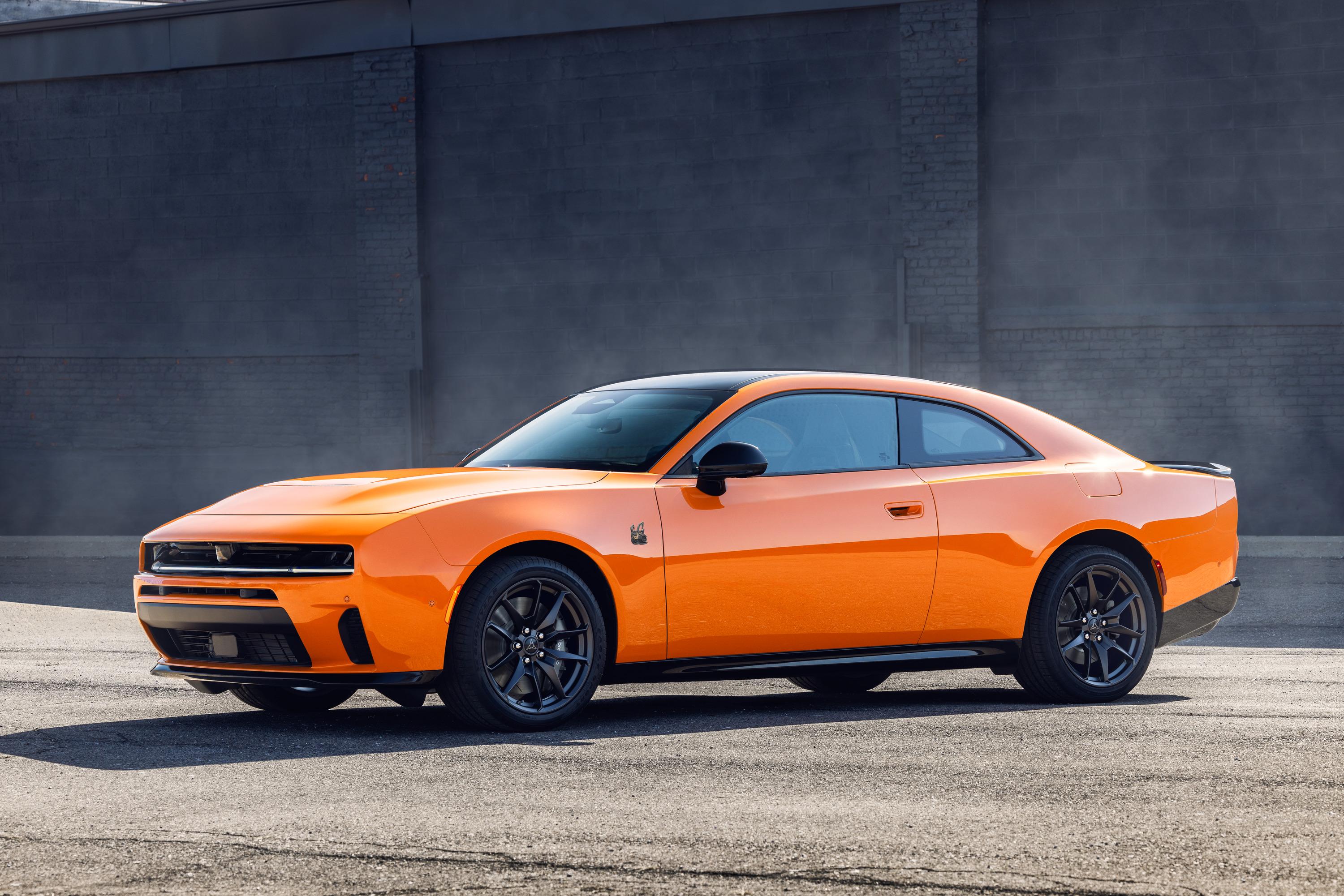
The new-generation Charger that the Hellcat V8 would rejoin in late 2027
The new-generation Charger that the Hellcat V8 would rejoin in late 2027, Image: CarExpert

How many, and why it matters

Dodge is reportedly planning about 12,000 Charger Hellcats a year. That sounds modest, but it would roughly double Charger sales: the company shifted just 5165 Chargers in 2025, according to Good Car Bad Car, most of them electric Daytona variants. With petrol Sixpack models in production this year, sales have climbed to 8029 in the first nine months of 2026, while Automotive News reports just 767 electric Chargers have found homes in that period.

The volume target also signals something about how Dodge sees the car: a low-run halo model rather than a mass seller. Even at 12,000 a year, the Hellcat would not restore the nameplate's peak. Charger sales topped out at 96,936 in 2019, and the related Challenger coupe's best year was 66,716 in 2018.

No cheap V8, it seems

Enthusiasts hoping for an affordable eight-cylinder Charger may be out of luck. Tim Kuniskis, head of SRT, told Motor Trend at the start of the year that if the company "were to put a V8 in the [Charger we] would probably go to Hellcat instead of 5.7".

In other words, the V8 story looks likely to be a single flagship rather than a ladder of trims. Buyers wanting eight cylinders without Hellcat money may need to settle for the six-cylinder Sixpack, or wait for Dodge to say more.
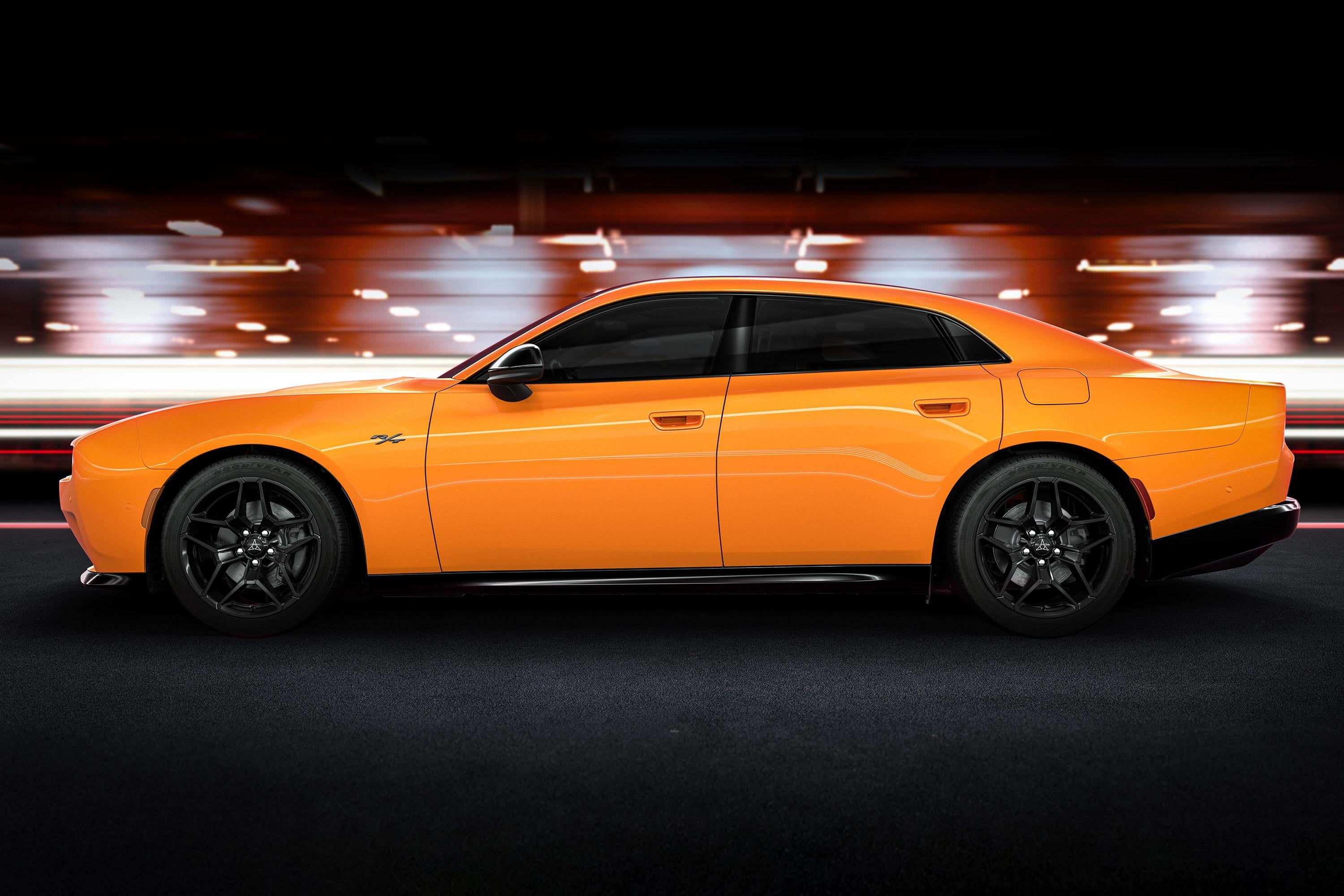
The current Charger body style that Dodge's V8 range has been built around
The current Charger body style that Dodge's V8 range has been built around, Image: CarExpert

Where the Charger stands

The current 'LB' Charger went on sale in early 2025 as a sedan and a coupe, the latter effectively replacing the long-lived Challenger. For most of 2025 it was sold exclusively as the electric Daytona, with 370kW/548Nm or 500kW/850Nm drivetrains. Late last year, two Sixpack variants joined the range with a 3.0-litre twin-turbo Hurricane straight-six.

When approached about the Hellcat report, Stellantis told Automotive News the details were "purely speculation/rumour" and that it "will not comment on future product strategy".

Pricing for the new Hellcat has not been announced, and neither has any confirmation of Australian availability or local pricing.
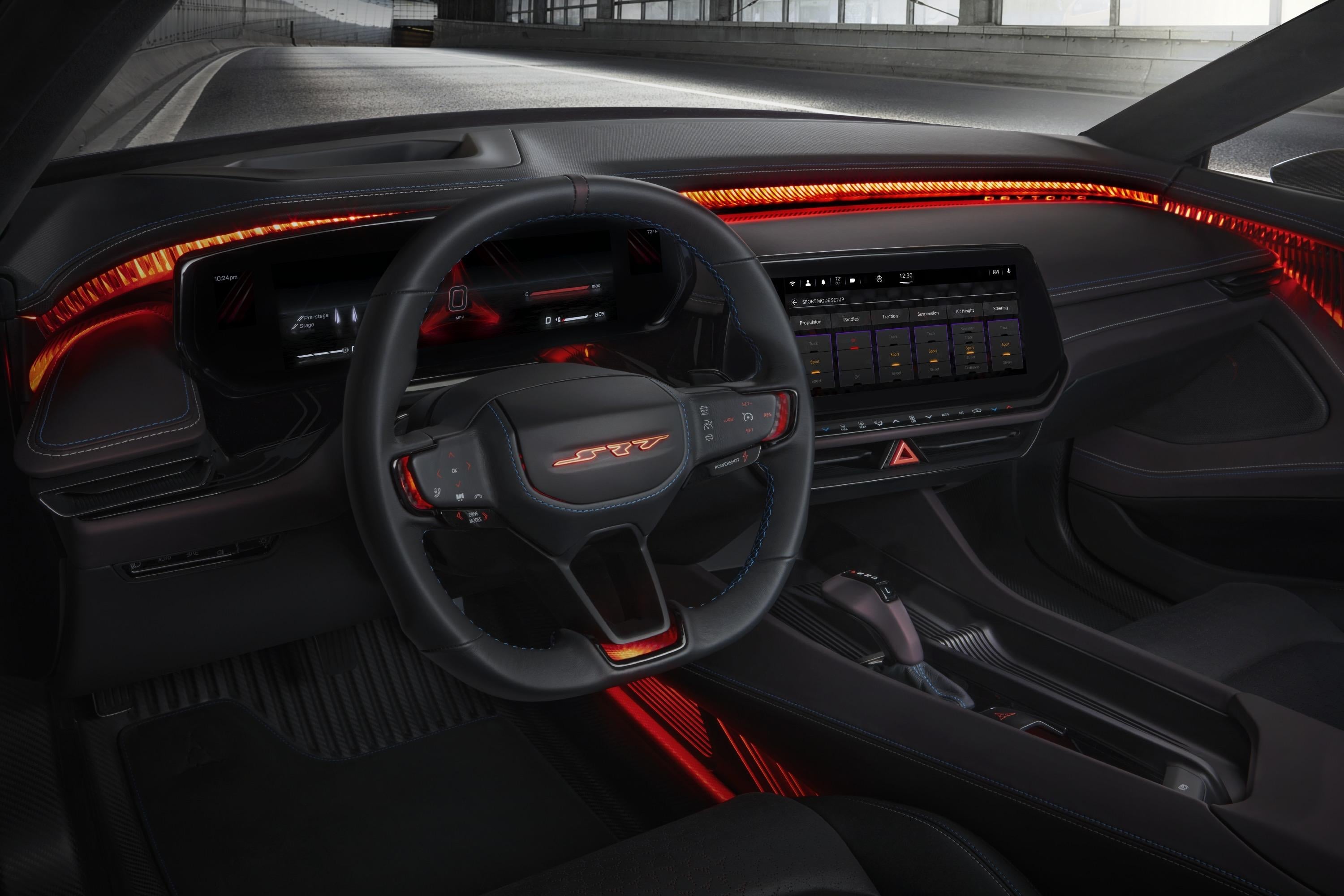
SRT badging inside the new Charger's cabin hints at the performance flagship's return
SRT badging inside the new Charger's cabin hints at the performance flagship's return, Image: CarExpert
Open this article ↗
Electric / TDCN ORIGINAL

Volvo EX60 output falls to a tenth of target, delaying most US deliveries to late 2027

The electric XC60 twin was meant to hit 2000 cars a week in Torslanda, but new megacasting and cell-to-body construction has slowed the line to a fraction of that.

Most Volvo EX60 shipments to the United States have slipped to late 2027, after production troubles at the company's Torslanda plant in Sweden cut output to roughly a tenth of its target, according to a report from Automotive News.

The electric SUV, revealed in January as the EV counterpart to the XC60, was meant to underpin a global sales target of about 40,000 units this year. Instead, Volvo has pared distribution back to the bare essentials and will prioritise Europe over the US for the rest of this year and the first half of 2027.

A manufacturing problem, not a software one

The bottleneck is not software or quality, issues that have dogged earlier Volvo EV launches. It lies in the car's brand-new construction: the EX60 is the first Volvo built with megacasting and cell-to-body architecture, where the battery cells form part of the vehicle structure. Joining the battery system to the cast structure has proved difficult, and the process has held output to about one-tenth of the 2000-per-week rate Volvo reportedly targeted at Torslanda.

That construction method is the point of the car, though. Cell-to-body design improves handling while cutting weight and cost, which is why Volvo persisted with it rather than falling back on conventional assembly.

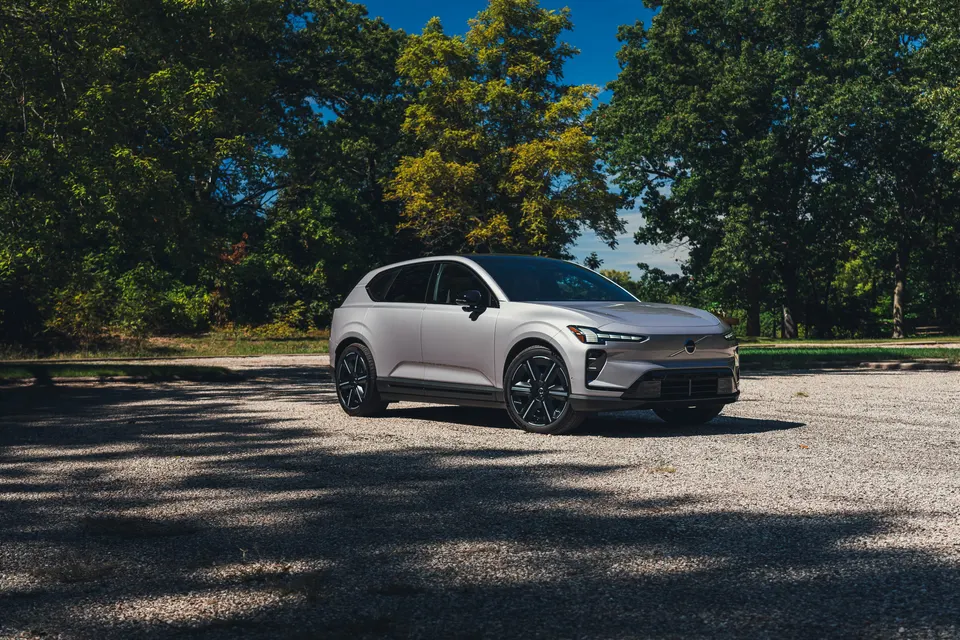
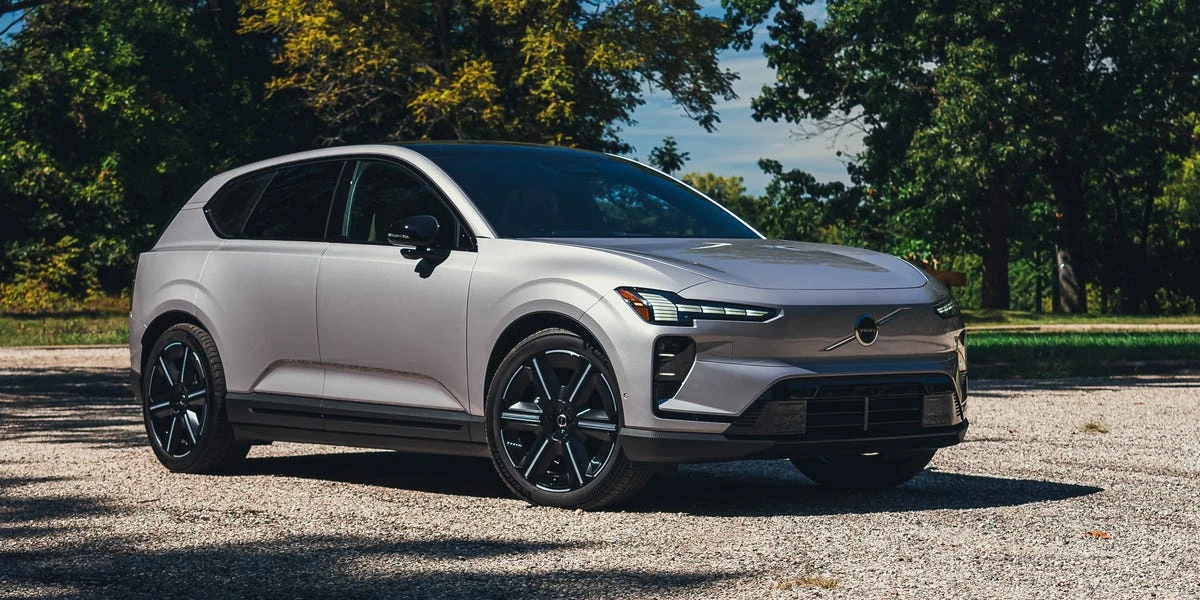
The EX60's larger sibling, the Volvo EX90, whose production ramp has been slow
The EX60's larger sibling, the Volvo EX90, whose production ramp has been slow, Image: Car and Driver

What has reached the US so far

A very limited number of EX60s have already landed in America, and dealers were told that a significant number of already allocated cars will arrive early next year. Beyond that, no further US shipments are expected for the rest of this year, with substantial supply not arriving until the second half of 2027.

For buyers, that means acting quickly on existing stock or waiting well over a year. The EX60 starts at around $60,000 in the US.

Deliveries trickling in: the EX90 on American roads
Deliveries trickling in: the EX90 on American roads, Image: Car and Driver

The stakes for Volvo's US plans

Volvo has set a goal of 200,000 annual US retail sales by 2030, and the EX60 was expected to be one of its strongest performers in the crowded luxury electric SUV segment. Volvo projected about 7000 US sales this year, a figure well above what the EX30 and EX90 managed combined last year.

The XC60, on which the EX60 is modelled, became Volvo's bestselling vehicle of all time in 2025, so the electric version carries real weight in the lineup. The risk is that Volvo has form here: it killed the smaller EX40 in the US due to weak demand, so a slow EX60 ramp-up leaves the brand leaning heavily on its combustion range.

Inside the EX90: Google-powered interface built on the same software stack
Inside the EX90: Google-powered interface built on the same software stack, Image: Car and Driver
Open this article ↗

Keep scrolling to read the next story.

Older articles →