INDEPENDENT AUTOMOTIVE NEWSGLOBAL PERSPECTIVE / AUSTRALIAN EDITION
TDCNTHE DAILY
CAR NEWS.

The road ahead.
Every day.

RSS ↗
Latest/Electric

84 original articles

Electric / TDCN ORIGINAL

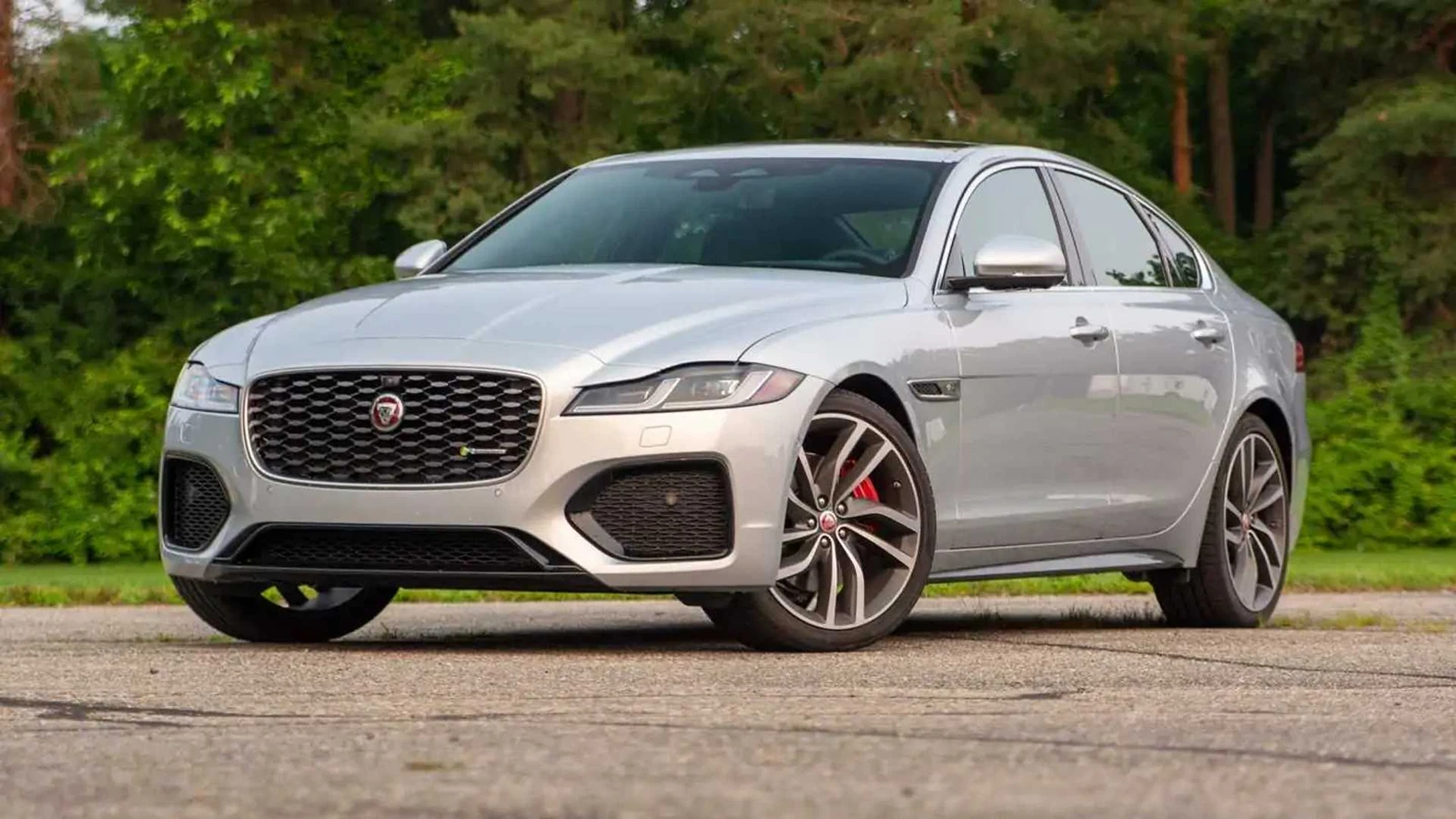
Jaguar says killing every petrol model was the only way to survive

Managing director Rawdon Glover says the old premium-volume business was neither profitable nor growing, so the brand reset completely around a single electric GT.

Image: Motor1

Jaguar has defended its decision to scrap every car it makes, including the already electric I-Pace, arguing the old business model was neither profitable nor growing. Managing director Rawdon Glover told Evo and Drive that competing with BMW, Mercedes and Audi in the premium-volume segment had become unsustainable, leaving a full reset as the only option.

The brand has now cleared out the XE, XF and XJ saloons, the F-Type sports car and the E-Pace and F-Pace SUVs to make way for the Type 01, an electric grand tourer aimed at a much wealthier clientele. Jaguar says more than 50,000 people have registered interest in the car, and that 80 percent of them would be first-time Jaguar buyers.

Glover framed the cull as a survival decision rather than a stylistic one. "We had created some brilliant products, some were best in class, but the competitiveness in that sector was too much for Jaguar to cut through," he told Evo. "The former was never an option if Jaguar was to survive." In a separate conversation with Drive, he added that incremental brand management was no longer enough: "It really needed to be a big... step."

Good cars, bad numbers

The core problem, as Jaguar presents it, is that quality alone does not pay the bills. The brand built cars that won praise but never reached the volumes needed to sustain the business against the German trifecta's scale. Glover's argument is that a refresh of the existing range would have left Jaguar stuck in a segment where it could not compete on either scale or profitability.

That logic explains why even the I-Pace, the brand's first electric car, was retired alongside the combustion models. The new-era cars are intended to bear little resemblance to the old guard, in design as well as in positioning.

Fewer sales, higher prices

The replacement strategy is deliberately narrow: sell fewer vehicles at significantly higher prices, using distinctive design and exclusivity to stand out. The Type 01 grand tourer is the first evidence of that approach, and Jaguar has billed it as its most powerful road car ever.

The gamble is obvious. A smaller pool of buyers means every sale matters more, and the unconventional styling has already divided opinion. The Type 00 concept and the subsequent production car both attracted controversy, and the brand's rebranding campaign triggered a fierce online backlash. Jaguar is charging substantially more for cars aimed at a narrower audience, and it has not yet published pricing for the Type 01 or confirmed when it goes on sale.

A new audience, on paper

The interest figures are the strongest evidence Jaguar has that the bet can work. More than 50,000 people have expressed interest in the electric GT, and the company says 80 percent of potential buyers are new to the brand. That tracks with a projection Glover made last year, when he estimated around 85 percent of customers would be buying a Jaguar for the first time.

The catch is that interest is not a commitment, and Jaguar itself concedes it is too early to say how many of those registrations will become orders. The Type 01 has to do more than turn heads if the death of the petrol range is to look justified in hindsight.
Open this article ↗
New cars / TDCN ORIGINAL

Porsche's facelifted Panamera caught undisguised at the Nürburgring

The prototype's uncovered bumpers reveal sharper nose styling and a reworked rear, and the electrified stickers point to the flagship Turbo S E-Hybrid.

Image: Carscoops

Porsche has been caught testing an undisguised prototype of the facelifted Panamera at the Nürburgring, effectively showing the styling updates for the mid-lifecycle refresh well ahead of any official debut.

The car is instantly recognisable as a Panamera because the changes are deliberately subtle: reshaped bumper intakes, a new rear bumper and a tweaked diffuser, with the only camouflage left being tape over the Porsche lettering on the tail.

The current, third-generation Panamera arrived in 2023 with more mature styling, a plusher interior, heavier electrification and a sophisticated air suspension setup, so a mid-cycle refresh three years in is right on schedule. What the spy shots show is a sharper nose: the redesigned front bumper intakes now sit level with the upper grille, while diagonal wings in the lower bumper add a slightly sportier stance.

Along the sides nothing much changes, though fresh colours and new alloy wheels remain possible given Porsche's extensive Sonderwunsch personalisation programme. The real news is at the back, where a new bumper carries extra outlets on the sides and a slightly reshaped diffuser sits between carry-over quad exhausts, all beneath the full-width LED taillights and active spoiler.

Which version is this?

The aggressive bumpers, electrified stickers and alloy wheels suggest the prototype is the flagship Panamera Turbo S E-Hybrid, since the sporty GTS runs a non-hybrid V8 and the base, 4 and 4S trims wear more discreet styling. The longer-wheelbase Executive body, aimed at markets like China, is expected to survive the facelift.

The prototype carries a roll cage and our spies could not see inside, but covered centre console shots from earlier sightings point to interior changes: possibly a curved touchscreen like the Cayenne Electric's, an updated digital instrument cluster and new trim options.

Powertrains and the Nürburgring record

Under the skin, the expectation is a greater push towards plug-in hybrid powertrains. The most potent Turbo S E-Hybrid currently makes up to 771 hp (575 kW / 782 PS) and holds the fastest Panamera lap of the Nürburgring at 7:24.17, a time the facelifted car is expected to improve on.

The signature Porsche Active Ride suspension could also be developed further, keeping its place among the most sophisticated systems in the segment. The open question is whether Porsche keeps non-electrified six-cylinder and V8 options at all, which hinges on those engines meeting future emissions rules in Europe.

That decision matters more than any bumper tweak. If Porsche trims the combustion range, the Panamera's identity shifts further towards plug-in hybrid, following the direction the third generation already took.

When does it arrive?

Porsche has not announced a launch date. Prototypes of the updated car have been spotted since early 2026, suggesting final-stage development, with a debut expected within the next few months. Pricing, detailed specifications and market availability have not been announced.

Open this article ↗

Keep scrolling to read the next story.

Older articles →