Polestar is down to roughly 150 unsold model-year 2026 cars across the United States, the last of its current lineup that can be sold before the Commerce Department's Connected Vehicle Rule cuts off new sales from the 2027 model year.
The brand won't fight the ban. Instead it has spent the quarter clearing stock, and CEO Michael Lohscheller says the sell-down has been good for business: US deliveries hit 2,160 vehicles in the third quarter, more than double the 966 units sold a year earlier.
The clearance is nearly complete. Reports tracking dealer listings put the nationwide count at about 150 vehicles at the time of publication, a thin remnant of the stock Polestar once carried, and Lohscheller confirmed US sales were strong in the quarter "as we are now selling the last model year 26 cars".
What's driving the deadline is the Connected Vehicle Rule, which targets vehicle software and hardware tied to China or Russia. Polestar is majority owned by Geely and built on Volvo underpinnings with Chinese manufacturing ties, which puts it squarely in the rule's scope.
What happens to owners after the last sale
Polestar says it will keep its US service network and certified pre-owned program running once most new-car sales stop, so existing owners aren't left without support. The company has also reiterated that it won't contest the ban, even as it presses regulators for clarity on enforcement.
There is a possible reprieve. Regulators are still weighing compliance options, including a Polestar 2 that uses updated connectivity hardware, which could let at least one model stay on sale.
Globally, the picture is flatter
Worldwide third-quarter volume reached 14,371 units, up just 1 percent from 14,222 a year earlier, and the company credits the US clearance run with American buyers driving demand ahead of the coming limits.
The softer international demand has consequences. Polestar lowered its full-year volume growth target in September after demand outside the US came in below earlier expectations.
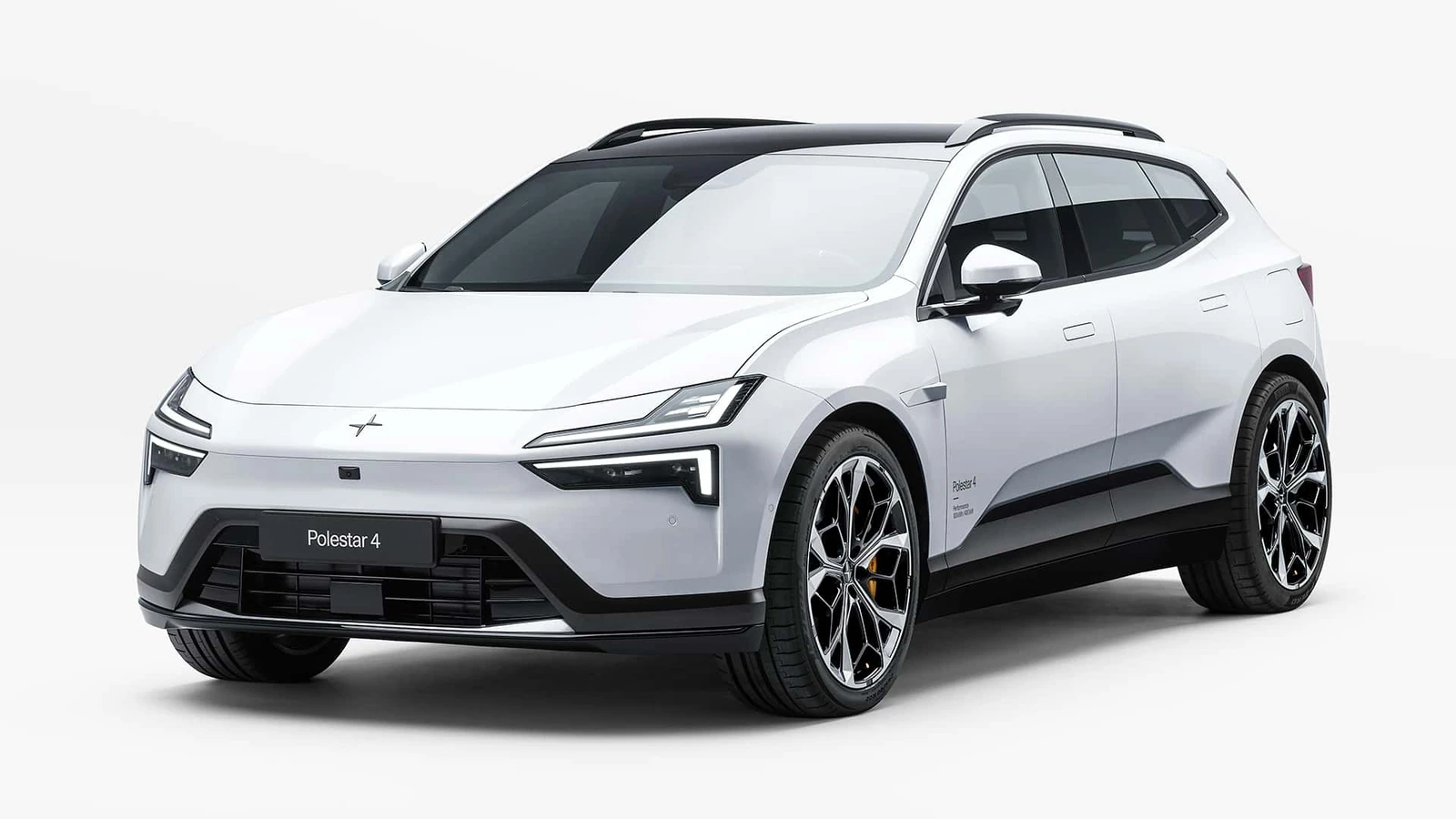
Lohscheller pointed to brighter spots abroad, saying the Polestar 5 "is seeing strong interest in the UK, with Germany and Scandinavia also showing demand." First customer deliveries of that car began earlier this year, while Polestar 4 SUVs have been arriving in European markets for months.
What comes next
Production plans continue regardless of the US situation: Volvo and Polestar intend to build the upcoming Polestar 7 compact SUV at Volvo's future plant in Slovakia once that facility comes online.
The company reports full third-quarter financial results on November 5, which should clarify how the clearance affected margins against that softer international backdrop. Until then, the profitability question is open: the sources confirm the clearance lifted volumes but don't yet say what it did to Polestar's margins, and the company hasn't published those figures ahead of the November 5 report.
For now, the end of most new-car sales doesn't end Polestar's US presence entirely, just its ability to put another new Polestar 3 or 4 in a driveway.