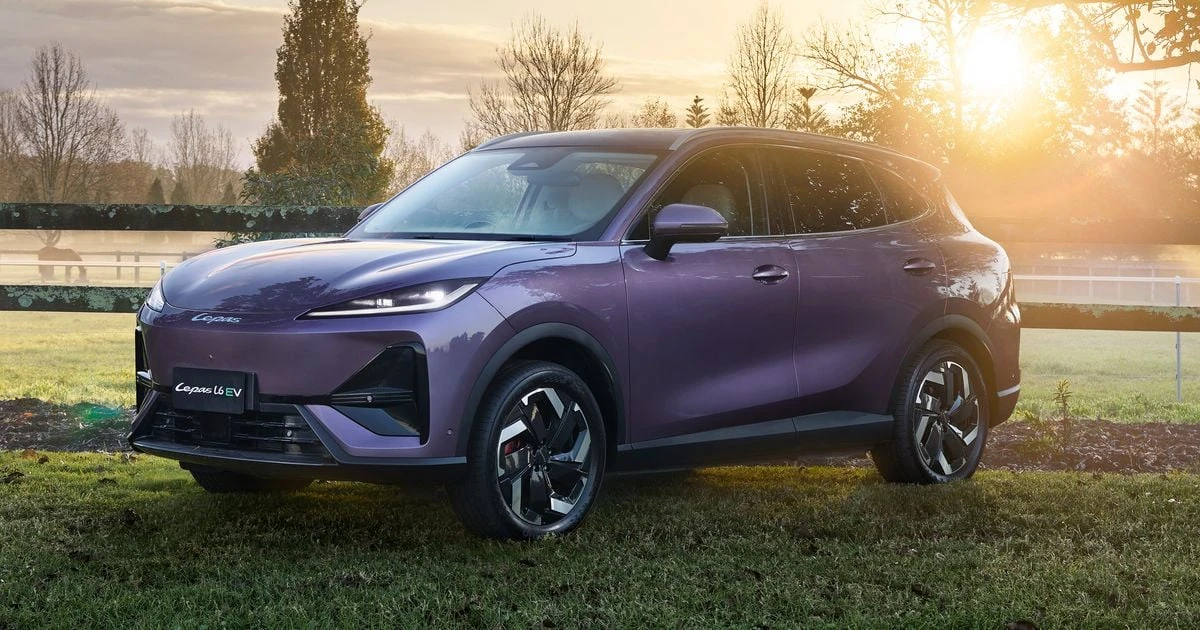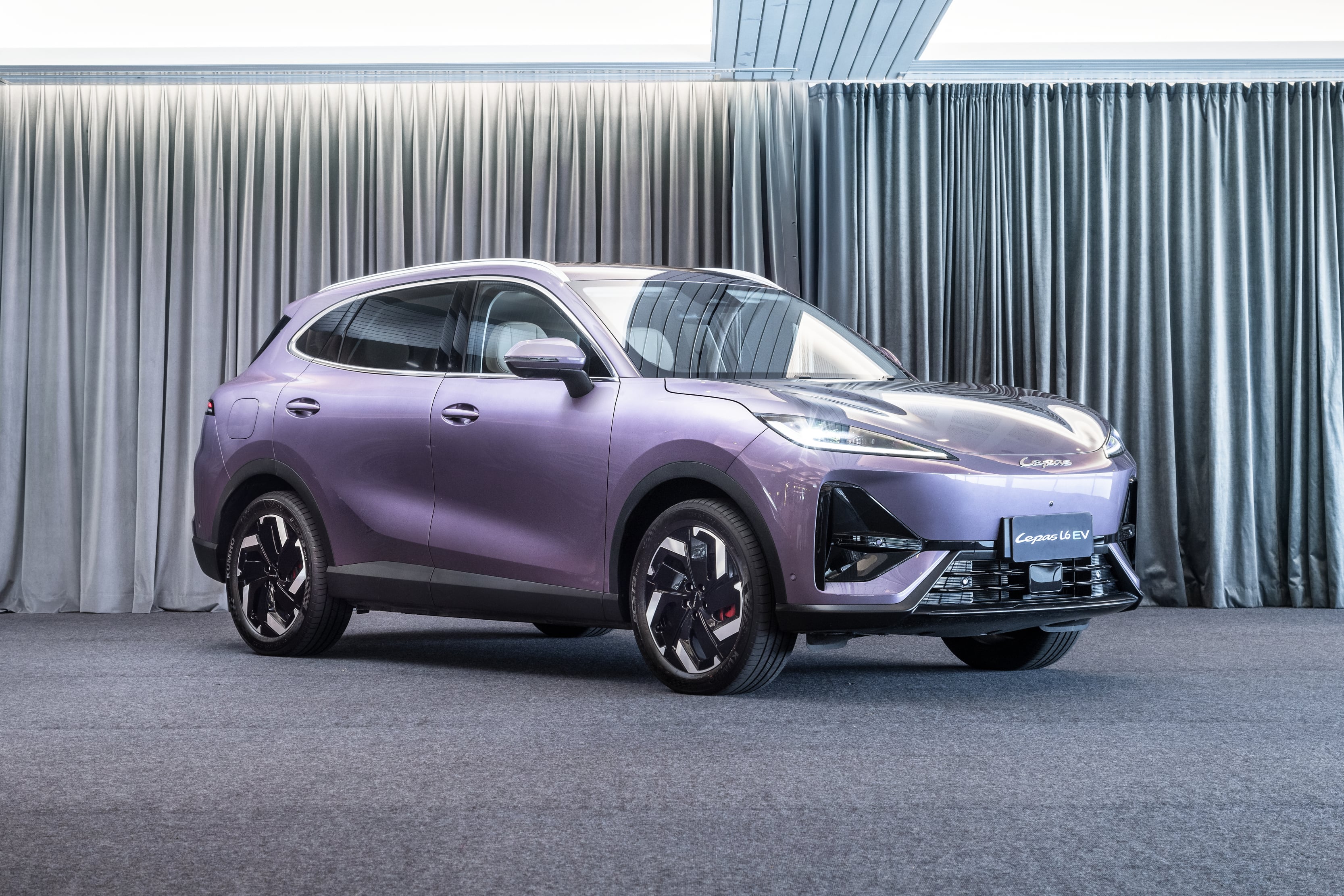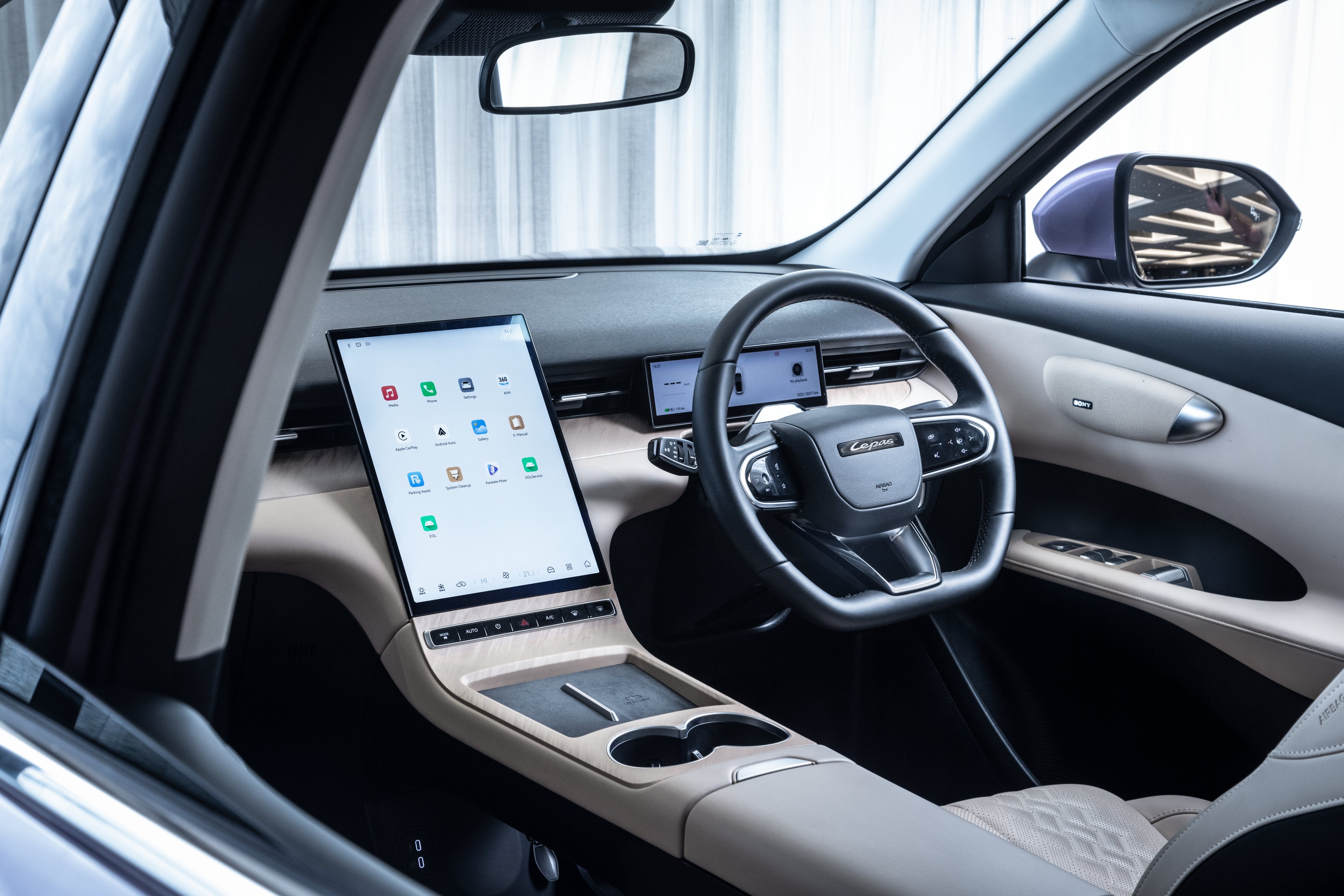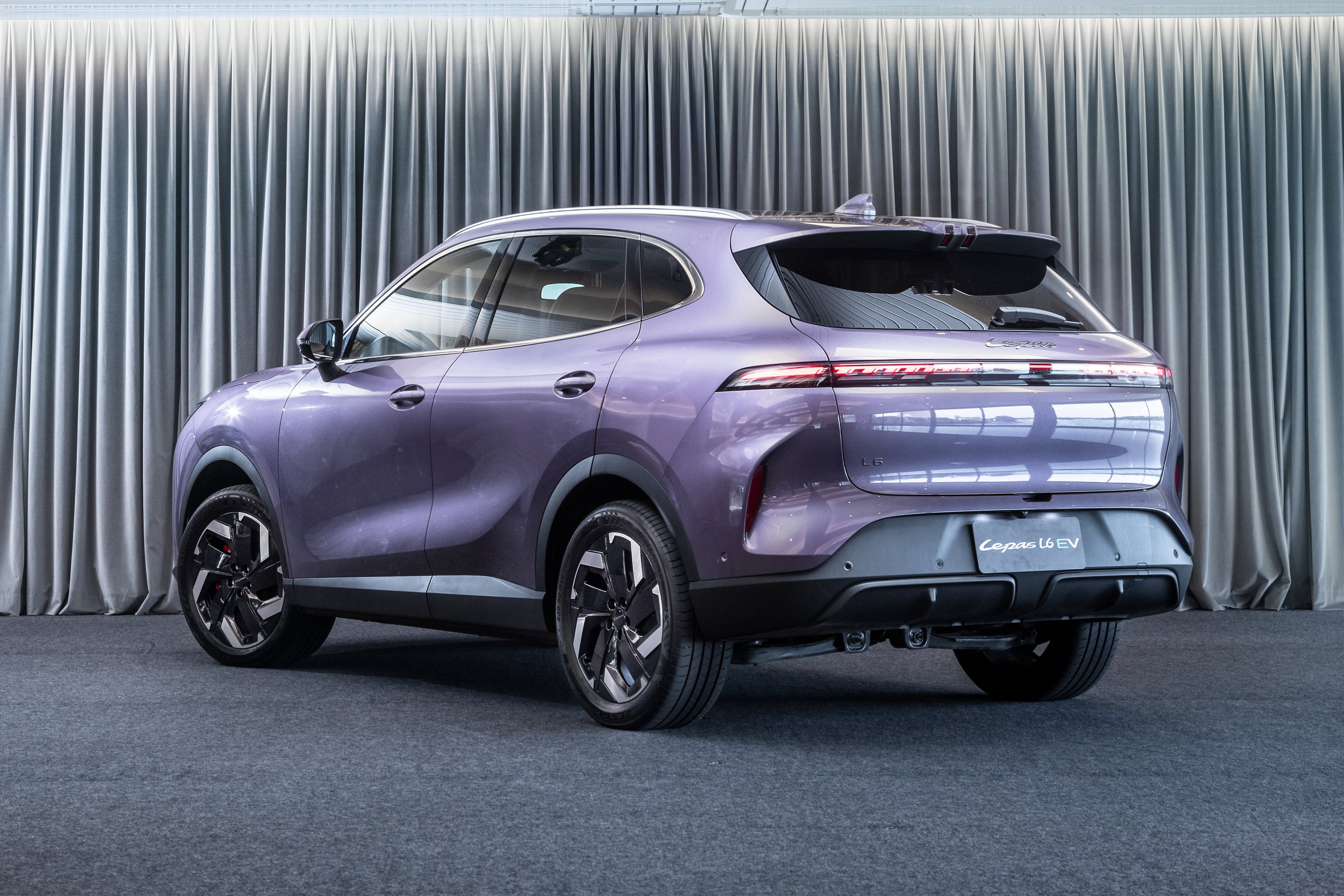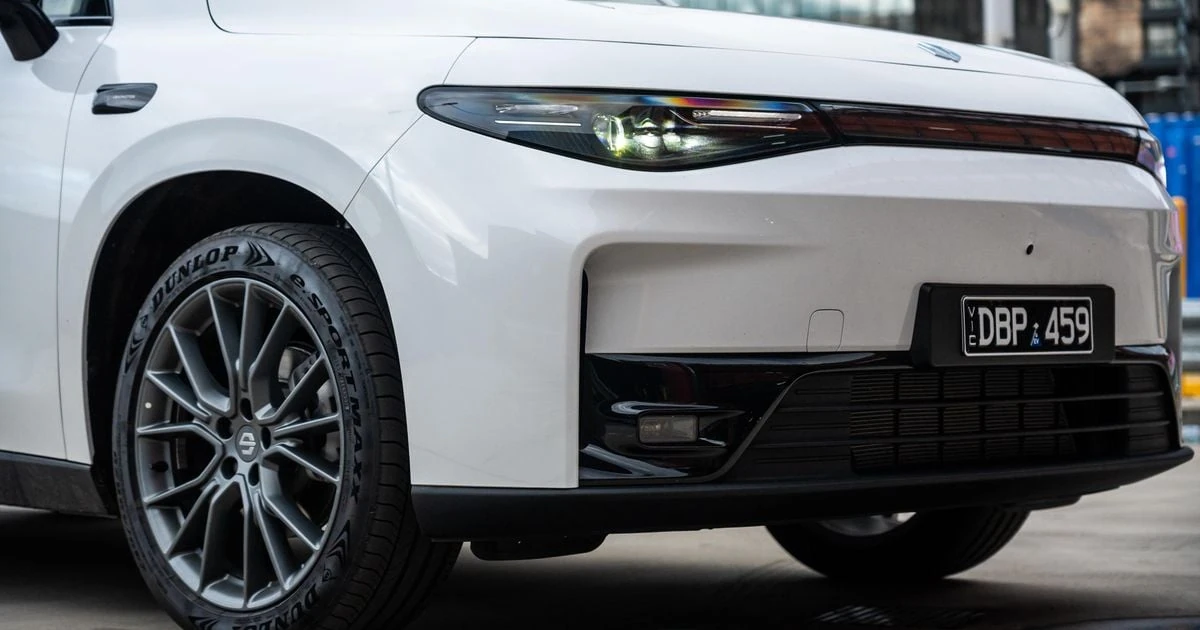
Leapmotor will keep using cameras supplied by Dahua in its vehicles, despite the Chinese hardware company's equipment being removed from Australian government buildings.
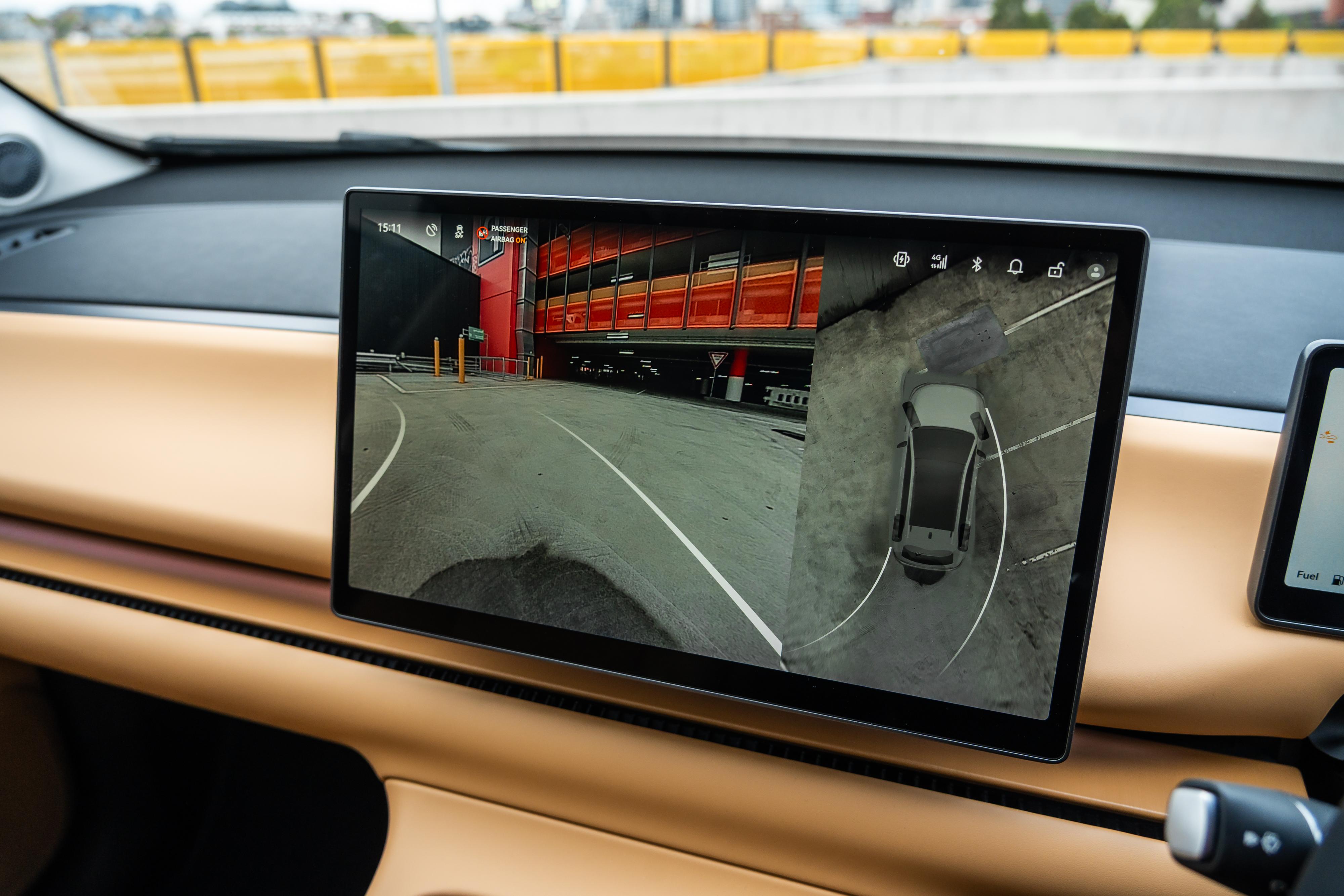
The brand's local chief, Andy Hoang, told Australian media the cameras are used only for safety functions, and that footage is captured solely by the dashcam, which exports via USB. He also said the vehicles have been independently tested and certified for privacy.
Why Dahua is in the spotlight
Dahua cameras were banned from federal government buildings in 2023, following similar bans in the US and UK over spyware fears. Shadow Minister for Defence James Paterson told Four Corners it is extraordinary that vehicles with these cameras are allowed to drive around government buildings and installations.
The senator also said Dahua has been directly implicated in human rights abuses and mass surveillance of Uyghur people in China. Leapmotor was one of several automotive brands named in the ABC's Four Corners report on customer data security and privacy, specifically for its use of Dahua cameras.
What Leapmotor says about its cameras
Hoang confirmed the cameras are from Dahua, but argued the vehicles themselves have been independently tested for privacy certification. In his telling, the cameras exist to support driver safety functions, and the only place footage is captured is the dashcam, which exports data by USB only.
The privacy certification point matters here: it is the strongest card Leapmotor can play, because an independent test carries more weight than a manufacturer's own assurance. Whether that satisfies buyers who have read the Four Corners report is another matter, but the company clearly believes the hardware itself is not the risk.
How customers have reacted
Leapmotor Australia says only a small number of customers have raised concerns about data security since the Four Corners report aired. Hoang put a figure on it: of 100 customers, about two raised it as something they questioned or wanted to know more about.
He added that owner feedback has instead questioned why phones, built in China and constantly filming, would not be scrutinised first, and noted that every car on the market carries similar camera hardware.
The Stellantis connection
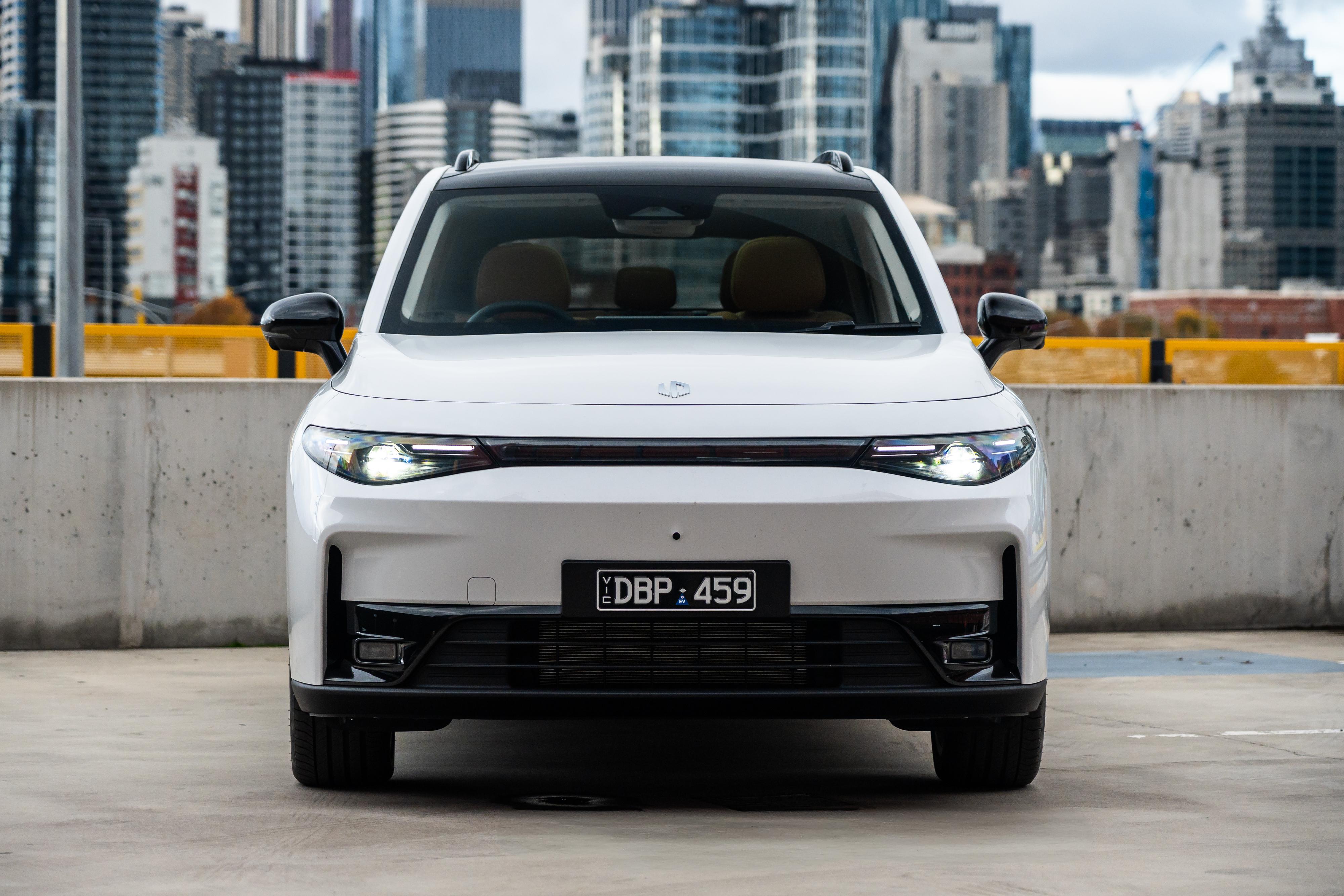
Leapmotor says its joint venture with Stellantis, which distributes the Chinese brand's vehicles in export markets, means it must comply with tougher privacy regulations. Hoang said the company takes the matter seriously and is confident in its position.
That Stellantis link is more than a footnote. A joint venture with a major global carmaker brings established compliance processes with it, and for a newer entrant trying to build trust in a foreign market, that structure is doing quiet work in Leapmotor's favour.
Will the cameras change?
No supplier switch has been announced. Hoang's comments indicate Leapmotor intends to keep the Dahua hardware as is, and neither the company nor the report flagged any plan to move to another camera supplier.
For buyers, the practical takeaway is that the cameras serve the driver assistance systems and the dashcam, nothing more, if Leapmotor's description is accurate. The broader political debate over Dahua hardware in Australia continues separately from whatever sits in the front windscreen of a Leapmotor.
The wider context is a federal policy setting that treats Dahua equipment as a security consideration in government buildings while the same hardware ships in consumer vehicles across the market. Senator Paterson's criticism was aimed at that gap, and it is unlikely to be the last word on Chinese supplied technology in cars sold here.