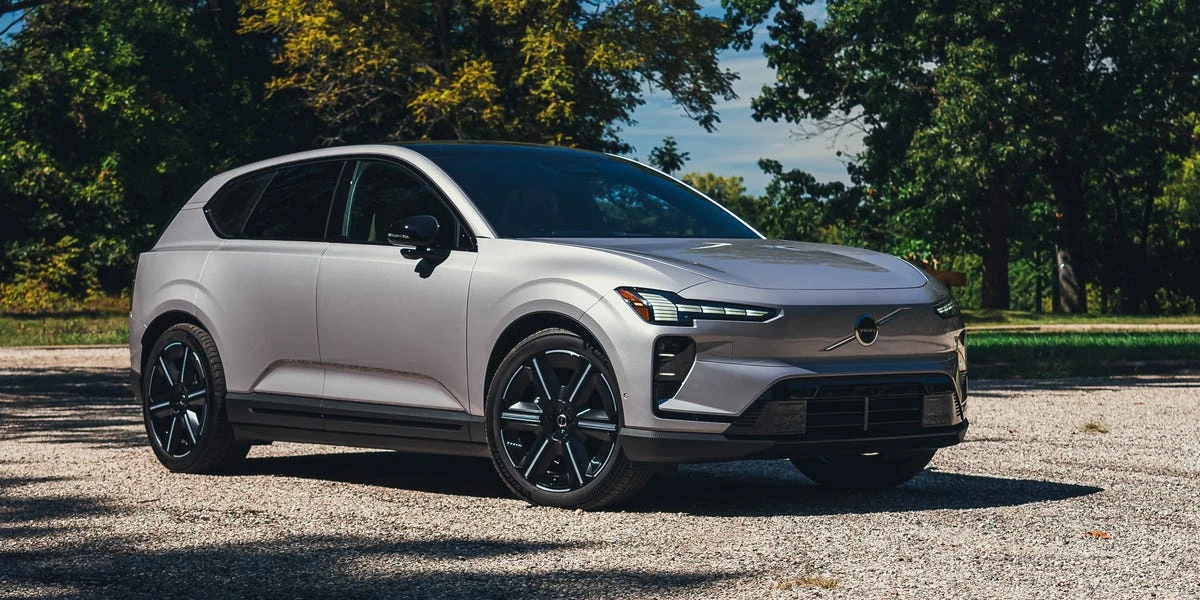
Most Volvo EX60 shipments to the United States have slipped to late 2027, after production troubles at the company's Torslanda plant in Sweden cut output to roughly a tenth of its target, according to a report from Automotive News.
The electric SUV, revealed in January as the EV counterpart to the XC60, was meant to underpin a global sales target of about 40,000 units this year. Instead, Volvo has pared distribution back to the bare essentials and will prioritise Europe over the US for the rest of this year and the first half of 2027.
A manufacturing problem, not a software one
The bottleneck is not software or quality, issues that have dogged earlier Volvo EV launches. It lies in the car's brand-new construction: the EX60 is the first Volvo built with megacasting and cell-to-body architecture, where the battery cells form part of the vehicle structure. Joining the battery system to the cast structure has proved difficult, and the process has held output to about one-tenth of the 2000-per-week rate Volvo reportedly targeted at Torslanda.
That construction method is the point of the car, though. Cell-to-body design improves handling while cutting weight and cost, which is why Volvo persisted with it rather than falling back on conventional assembly.
What has reached the US so far
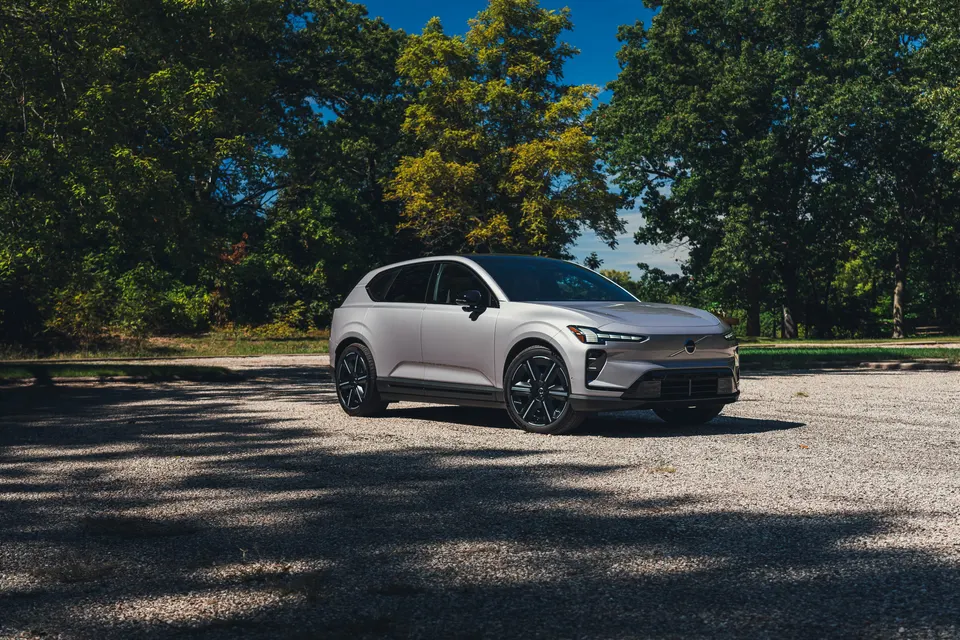
A very limited number of EX60s have already landed in America, and dealers were told that a significant number of already allocated cars will arrive early next year. Beyond that, no further US shipments are expected for the rest of this year, with substantial supply not arriving until the second half of 2027.
For buyers, that means acting quickly on existing stock or waiting well over a year. The EX60 starts at around $60,000 in the US.

The stakes for Volvo's US plans
Volvo has set a goal of 200,000 annual US retail sales by 2030, and the EX60 was expected to be one of its strongest performers in the crowded luxury electric SUV segment. Volvo projected about 7000 US sales this year, a figure well above what the EX30 and EX90 managed combined last year.
The XC60, on which the EX60 is modelled, became Volvo's bestselling vehicle of all time in 2025, so the electric version carries real weight in the lineup. The risk is that Volvo has form here: it killed the smaller EX40 in the US due to weak demand, so a slow EX60 ramp-up leaves the brand leaning heavily on its combustion range.