INDEPENDENT AUTOMOTIVE NEWSGLOBAL PERSPECTIVE / AUSTRALIAN EDITION
TDCNTHE DAILY
CAR NEWS.

The road ahead.
Every day.

RSS ↗
Latest/New cars

57 original articles

New cars / TDCN ORIGINAL

Renault boss says future partner cars must look distinct after near-identical Nissan Micra

François Provost has tightened the platform-sharing rules his predecessor set, citing the Twingo-based Dacia Spring as the model for how shared cars should differ.

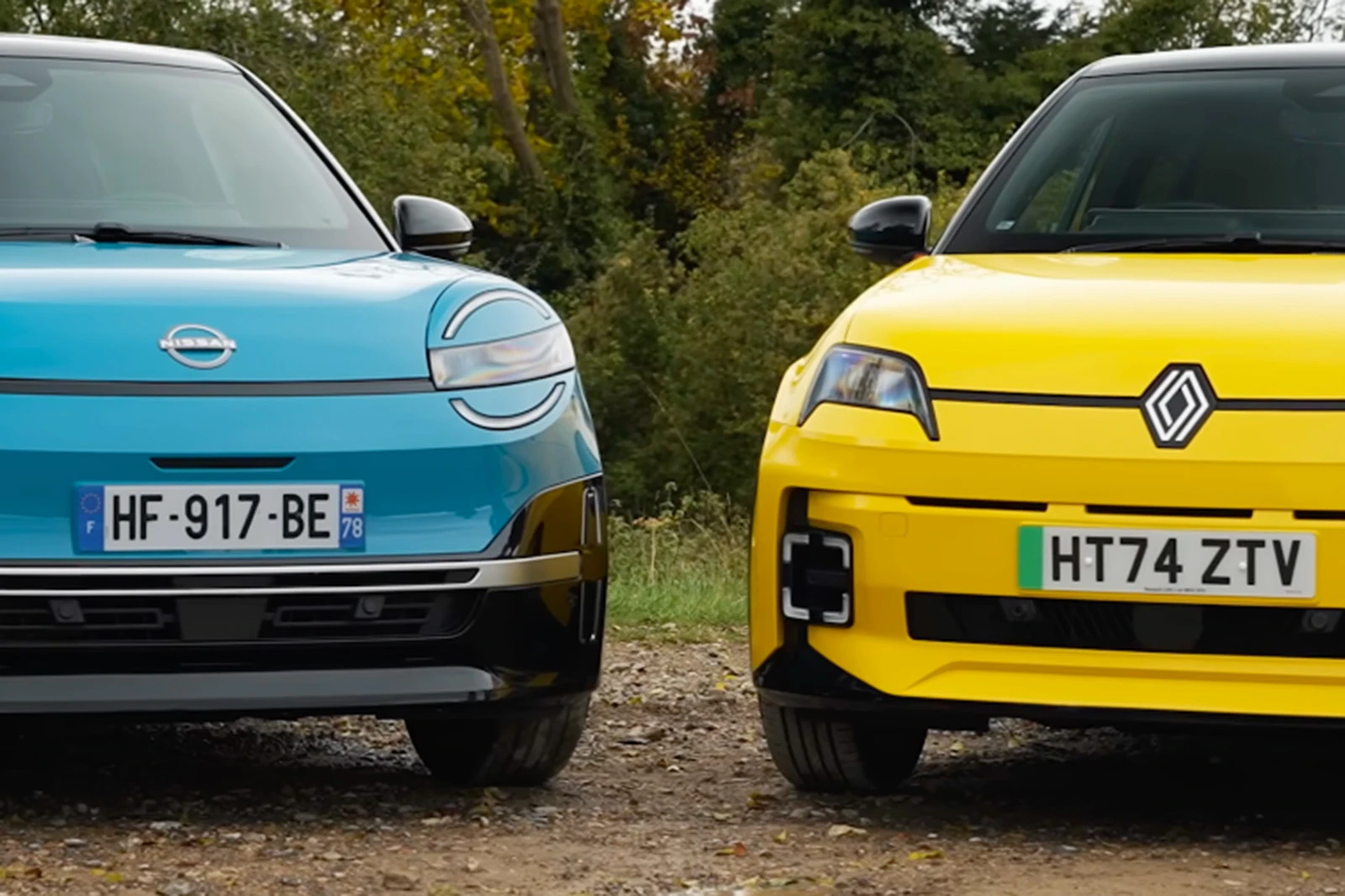
Renault will demand far stronger visual differentiation from the carmakers that use its platforms, chief executive François Provost has said, a policy change made after the Nissan Micra emerged as a near-identical twin of the Renault 5.

Provost told the Paris motor show that "we did not request enough differentiation" under the partnership scheme inherited from his predecessor Luca de Meo, and that he will "never do partnerships without enough differentiation" going forward.

The French firm builds cars for several rival brands, most notably on its AmpR Small platform (referred to by Autocar as RGMP Small), which underpins the Renault 5, Renault 4 and the upcoming Twingo. From that base it already produces the 5-based Micra for Nissan and will soon start building a Twingo-based Nissan Pixo, with agreements in place to build future models for Ford and Mitsubishi too.

The Micra that annoyed Renault

The current Micra is strikingly close to the Renault 5: the interior is virtually identical and the main external differences are limited to the front and rear light designs. Senior sources told Autocar there was some consternation inside Renault at how little design alteration the Micra received, not least because confidentiality agreements mean Renault executives have no prior oversight of the cars it builds for rivals.

Provost pointed to the Dacia Spring as the template instead. "The Twingo and Spring look like different cars but the platform is the same," he said.

Fewer, deeper partnerships

The policy shift also favours depth over volume. Provost said he would rather do fewer partnerships with long-term strategic partners than many one-shot tactical deals.

He added that Ford chief executive Jim Farley shares the view, quoting him as saying that if Ford chose to partner with Renault, "the car must be a Ford". Provost cannot legally see the Ford design, so the two companies will discover the result together.

What it means for buyers

For buyers, the practical effect should be fewer badge-engineered twins and more genuinely distinct cars sharing Renault underpinnings, in the mould of the Twingo and Spring rather than the 5 and Micra.

The trade-off is cost: Renault has previously offered partners varying levels of differentiation up to bespoke body panels, but that pushes up the price of manufacturing.

When the first of these more heavily differentiated partner models will arrive has not been announced.
Open this article ↗
New cars / TDCN ORIGINAL

Porsche's next combustion Macan arrives in 2028 as a wider, plug-in hybrid SUV

Prototypes spied at the Nürburgring are Audi Q5 mules with makeshift flares, and Porsche's CEO has confirmed the replacement lands in 2028.

Image: Carscoops

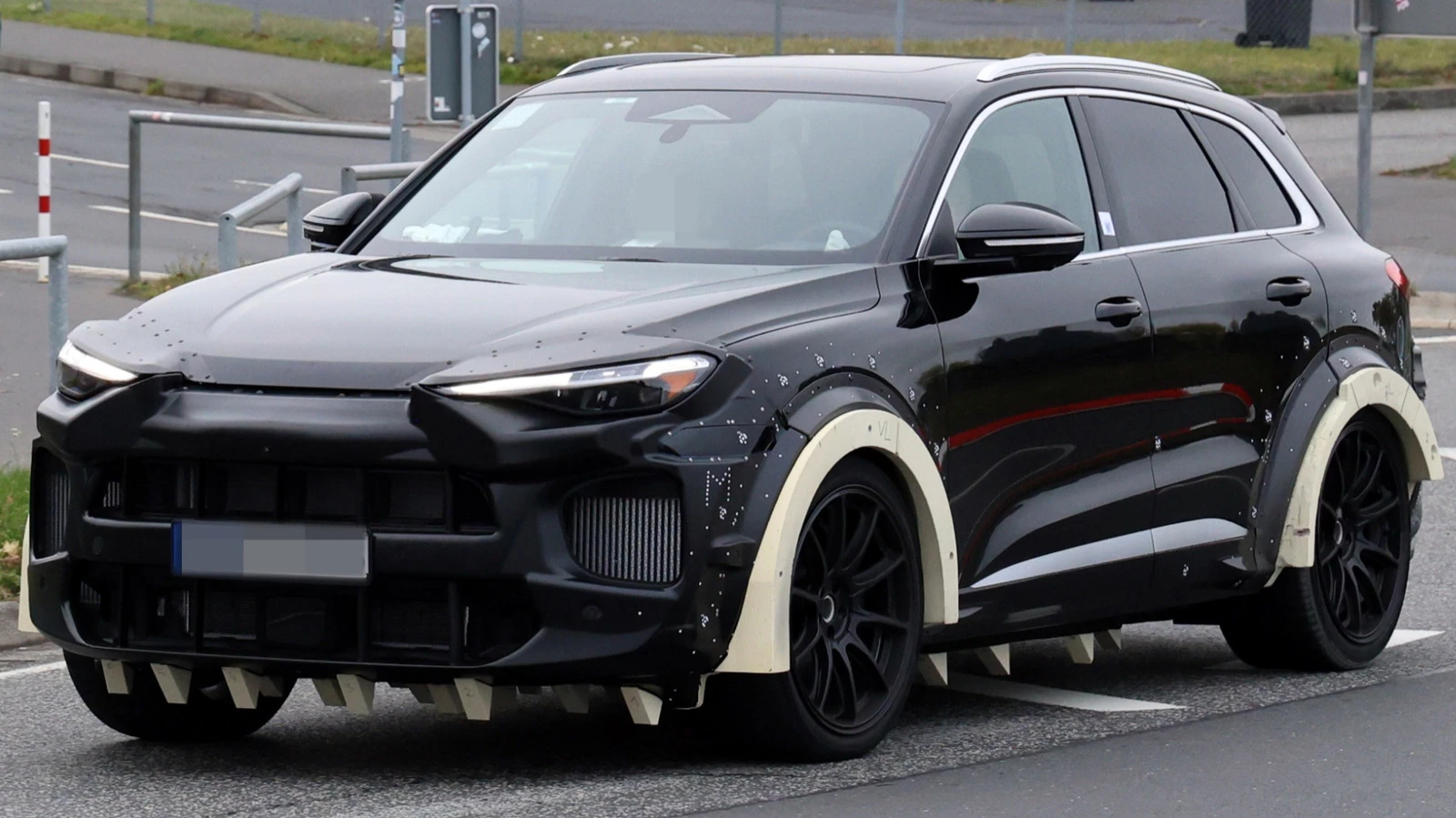
Porsche will put a new combustion Macan on sale in 2028, the brand's CEO confirmed last week, filling a gap left when the petrol version was killed off this year. Prototypes spied at the Nürburgring are early mules built from the Audi Q5, wearing foam blocks and makeshift fender flares rather than final bodywork.

The car is believed to carry the internal project name Octan and will share its VW Group platform with the updated Q5 that went on sale in 2025. Porsche says the bodywork will be its own, with a dramatically wider track hinted at by the huge temporary arches fitted to the test car.

A mule, not a finished Macan

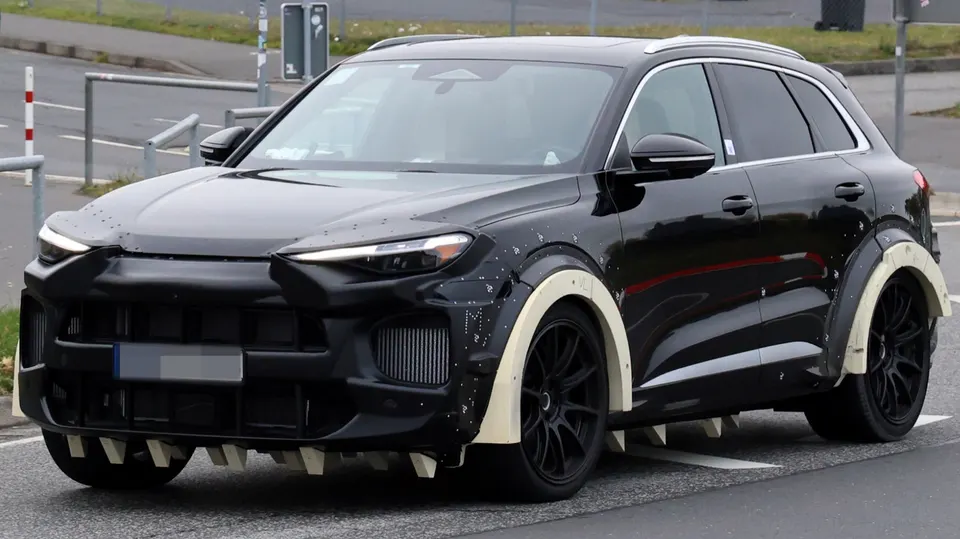
The triangular foam blocks under the nose, along the sills and at the rear of the test car are not a design statement. They are most likely there to check ground clearance in place of real bodywork, because the vehicle is an early prototype built from an Audi Q5 compact SUV rather than a Porsche.

The Q5 underpinnings make sense: the combustion Macan replacement will share its platform with the updated Q5, which reached showrooms in 2025. Sharing a platform does not mean a rebadge, though. The protruding headlights on the mule suggest a more aggressive look for the Porsche, possibly with a squared-off hood line.

The next combustion Macan remains a heavily camouflaged mule, not a finished show car
The next combustion Macan remains a heavily camouflaged mule, not a finished show car, Image: Carscoops

Wider track and a first-ever plug-in hybrid

The huge makeshift fender flares point to a much wider track than the old car, which should make the new Macan more stable on the road and quicker around the Nürburgring. Wider axles are the most visible change over previous prototypes.

Under the skin, the new Macan is expected to offer a mix of inline-four and V6 engines, much like the model it replaces. A plug-in hybrid is also on the cards, a powertrain never previously offered on a Macan.

Porsche has not published power figures for the new car, but the outgoing combustion Macan ranged from 261 to 434 hp and the incoming model is expected to push higher. For reference, Audi's hottest Q5, the SQ5, makes 362 hp from a turbocharged 3.0-litre V6 sent to all four wheels through a seven-speed dual-clutch gearbox. A first-ever RSQ5 Sportback is also due and could share technology with the punchier Porsche.

Why Porsche reversed course on petrol

The original Macan was a huge hit and stayed in production for a decade with few major changes. Porsche had assumed the Macan Electric, added to the range in 2024, would be enough to keep buyers satisfied, much as it once believed the front-engined V8 928 could replace the 911. Instead the combustion car kept selling.

The Macan Electric enjoyed a strong start, but the petrol version went on to outsell it, and with US demand for EVs cooling Porsche moved to reinstate a combustion successor.

What happens to the electric Macan

Nothing in the confirmation suggests the battery model is going away. The Macan Electric arrived in 2024 and remains on sale; the new petrol car is an addition to the line-up rather than a replacement for it, which is why Porsche is able to run both.

Porsche has not announced any changes to the electric Macan's line-up, pricing or production plans alongside the combustion return, so buyers should treat its future settings as unconfirmed until the company says otherwise.

A two-year hole in the showroom

The timing creates an awkward gap. When the new combustion Macan appears, probably in late 2028, the old car will have been out of production for two years, a long wait for dealers given that the Macan was Porsche's best-selling model in 2025. Porsche dealers still hold unsold stock of the outgoing version to carry them through.

For buyers, the practical reading is that petrol Macan availability depends on dealer stock until the 2028 car lands, and anyone wanting the plug-in hybrid or the hotter variants will be waiting for the new generation rather than a facelift.

Open this article ↗

Keep scrolling to read the next story.

Older articles →