INDEPENDENT AUTOMOTIVE NEWSGLOBAL PERSPECTIVE / AUSTRALIAN EDITION
TDCNTHE DAILY
CAR NEWS.

The road ahead.
Every day.

RSS ↗
Latest/Electric

61 original articles

Electric / TDCN ORIGINAL

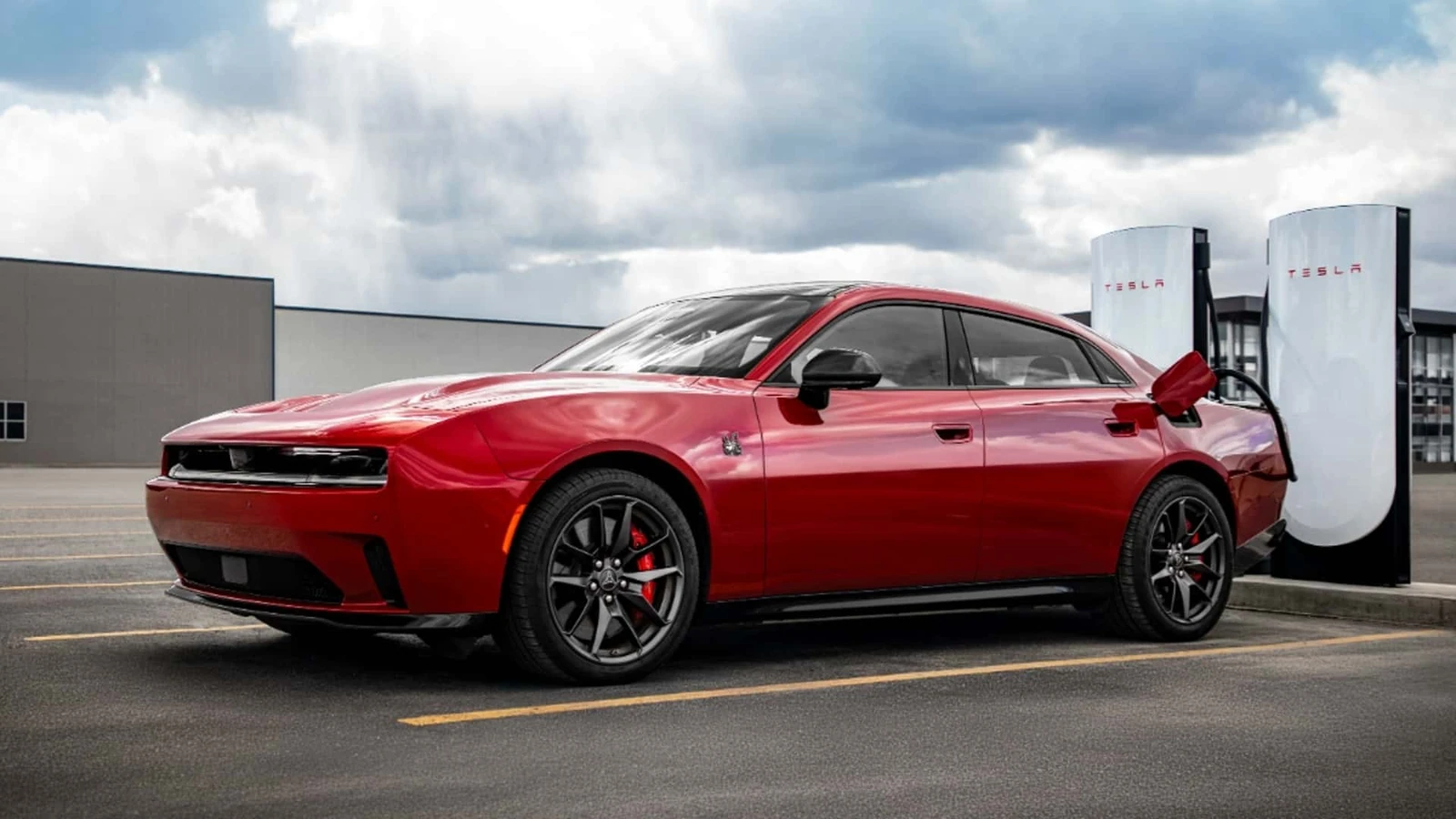
Tesla Supercharger prices are up 15% in a year, pushing the US fast-charging average higher

Non-members now pay an average of $0.569 per kWh, though the national average for rival networks has sat still for five straight quarters.

Tesla has raised its average non-member Supercharging price by 15% over the past year, according to data from analytics firm Paren's Q3 US EV Fast Charging report. Drivers without a Tesla subscription now pay an average of $0.569 per kWh, while members pay $0.396 per kWh, a tier that climbed about 9% in the same period.

The increase is large in percentage terms but modest at the plug: a hypothetical 60 kWh session has risen about $4.50, from $29.70 to $34.14. Because roughly 80% of EV charging happens at home, the change works out to about $66 a year in extra cost for the average non-Tesla driver who relies on public fast chargers.

The price rise has had a knock-on effect across the industry. Tesla's increase pushed the overall US fast-charging average up around 2%, from $0.533 to $0.540 per kWh. The national average for non-Tesla networks, by contrast, has been static for five consecutive quarters.

That framing matters. Tesla's pricing is not unusually high for the market; if anything, the increase brings it closer into line with other charging providers, since the non-Tesla average has sat around $0.533 per kWh for more than a year. The catch for drivers is that the cheapest way into a Supercharger is now the membership tier, which still undercuts the non-member rate by a wide margin at $0.396 per kWh.

Where the money is going

Tesla is ploughing charging revenue back into expansion. The company added 1,287 ports in the last quarter, more than any other fast-charging operator in the US, though that accounted for only 31.3% of all new ports. Ionna was the closest competitor with 378 new ports, followed by Walmart with 344.

Over the past year Tesla installed about 5,700 plugs, yet its share of the charging market still fell from 54.3% to 49.3%. Rivals collectively grew almost twice as fast as the Supercharger network over the same period.

Why the pricing shift matters

The Supercharger network remains one of Tesla's most valuable assets. It generates steady revenue and its plug-and-charge experience helped convince other automakers to adopt Tesla's connector across virtually every new EV sold in North America.

But the competitive picture is changing. Speed and scale matter more than ever now that rivals are adding ports quickly, and Tesla's dominance of the charging market has slipped below half. For non-Tesla EV owners who adopted the North American Charging Standard, the practical consequence is a pricier fallback and road-trip option, with membership the clear lever for anyone charging at Superchargers regularly.
Open this article ↗
New cars / TDCN ORIGINAL

Renault boss says future partner cars must look distinct after near-identical Nissan Micra

François Provost has tightened the platform-sharing rules his predecessor set, citing the Twingo-based Dacia Spring as the model for how shared cars should differ.

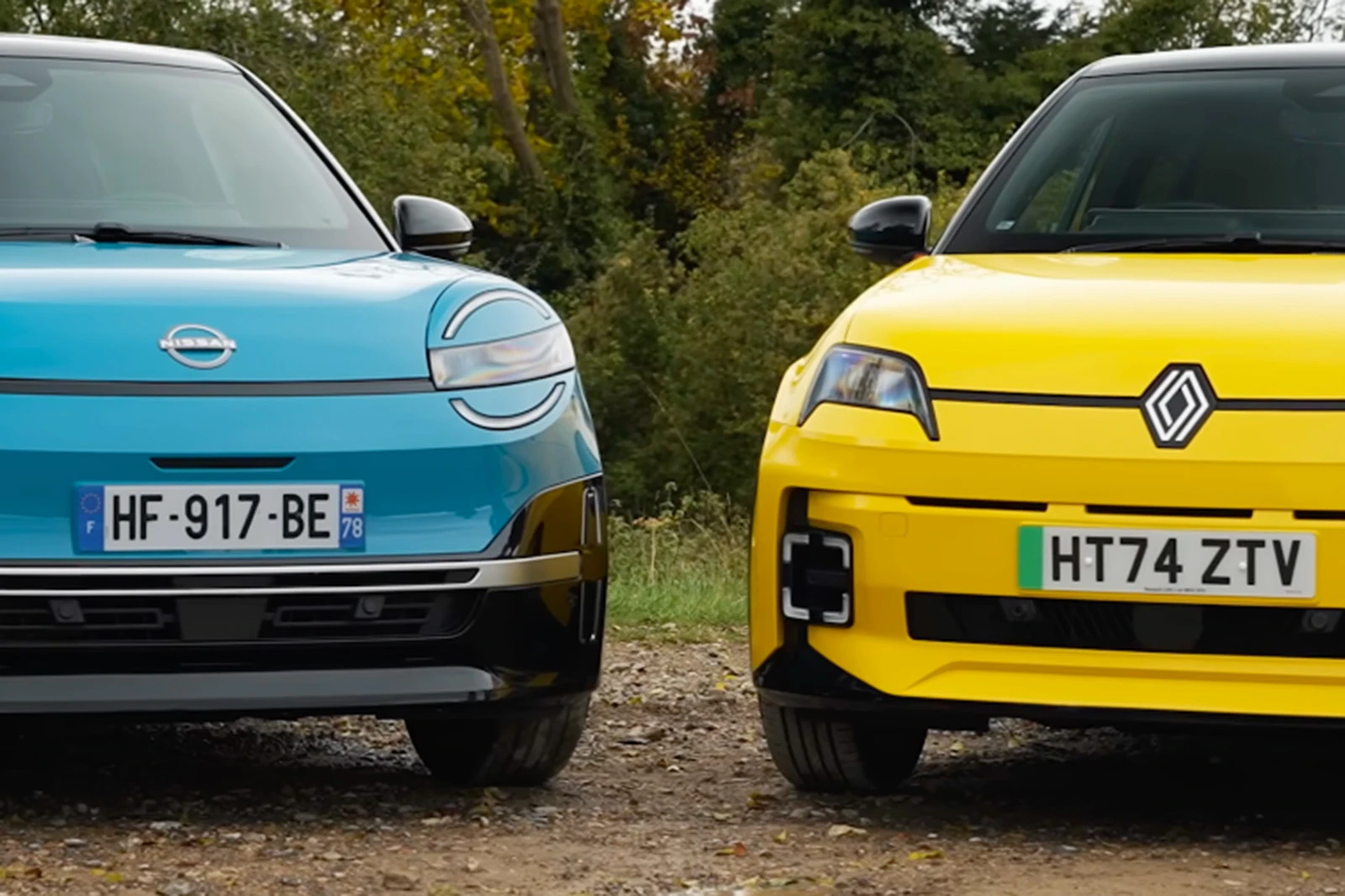
Renault will demand far stronger visual differentiation from the carmakers that use its platforms, chief executive François Provost has said, a policy change made after the Nissan Micra emerged as a near-identical twin of the Renault 5.

Provost told the Paris motor show that "we did not request enough differentiation" under the partnership scheme inherited from his predecessor Luca de Meo, and that he will "never do partnerships without enough differentiation" going forward.

The French firm builds cars for several rival brands, most notably on its AmpR Small platform (referred to by Autocar as RGMP Small), which underpins the Renault 5, Renault 4 and the upcoming Twingo. From that base it already produces the 5-based Micra for Nissan and will soon start building a Twingo-based Nissan Pixo, with agreements in place to build future models for Ford and Mitsubishi too.

The Micra that annoyed Renault

The current Micra is strikingly close to the Renault 5: the interior is virtually identical and the main external differences are limited to the front and rear light designs. Senior sources told Autocar there was some consternation inside Renault at how little design alteration the Micra received, not least because confidentiality agreements mean Renault executives have no prior oversight of the cars it builds for rivals.

Provost pointed to the Dacia Spring as the template instead. "The Twingo and Spring look like different cars but the platform is the same," he said.

Fewer, deeper partnerships

The policy shift also favours depth over volume. Provost said he would rather do fewer partnerships with long-term strategic partners than many one-shot tactical deals.

He added that Ford chief executive Jim Farley shares the view, quoting him as saying that if Ford chose to partner with Renault, "the car must be a Ford". Provost cannot legally see the Ford design, so the two companies will discover the result together.

What it means for buyers

For buyers, the practical effect should be fewer badge-engineered twins and more genuinely distinct cars sharing Renault underpinnings, in the mould of the Twingo and Spring rather than the 5 and Micra.

The trade-off is cost: Renault has previously offered partners varying levels of differentiation up to bespoke body panels, but that pushes up the price of manufacturing.

When the first of these more heavily differentiated partner models will arrive has not been announced.

Open this article ↗

Keep scrolling to read the next story.

Older articles →