INDEPENDENT AUTOMOTIVE NEWSGLOBAL PERSPECTIVE / AUSTRALIAN EDITION
TDCNTHE DAILY
CAR NEWS.

The road ahead.
Every day.

RSS ↗
Latest/Electric

51 original articles

Electric / TDCN ORIGINAL

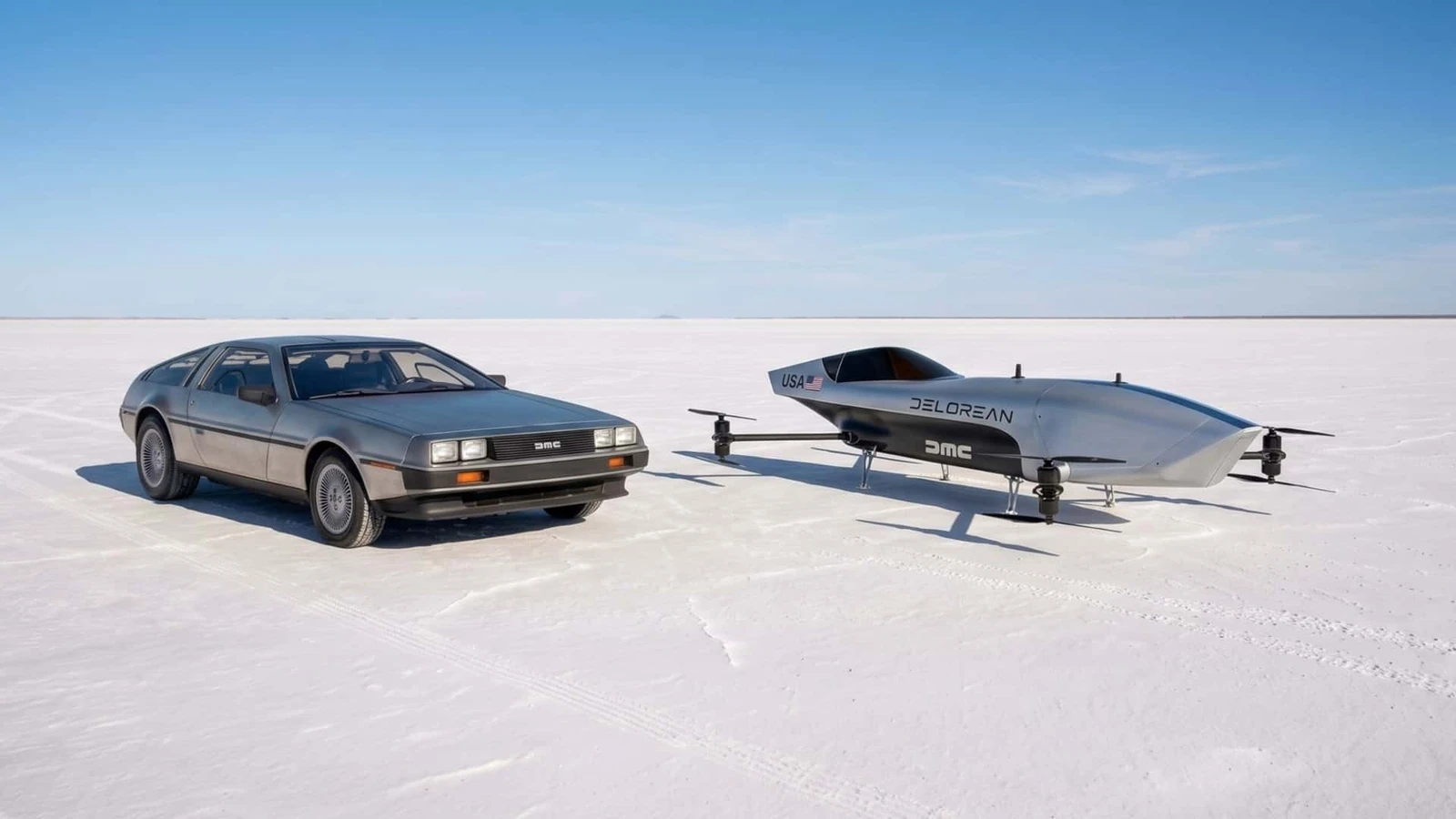
DeLorean enters electric flying car racing as first American constructor

The US team races a spec Airspeeder Mk3C from November 2026 before DeLorean develops its own aircraft with UC Berkeley and Georgia Tech students.

Image from the source coverage.

DeLorean Motor Company is entering the Airspeeder International Series as a constructor, fielding the United States entry in the electric flying car championship. The DeLorean Airspeeder Team debuts when the 2026-27 season opens in November 2026, making it the first American constructor in a grid otherwise made up of national teams from around the world.

The announcement was made at TechCrunch Disrupt 2026. For its first season the team will race the standardized Airspeeder Mk3C, the same base aircraft package used by other national entries, with DeLorean responsible only for its visual identity rather than the core engineering.

How the series works

Airspeeder is a racing championship built around electric vertical takeoff and landing aircraft, commonly called eVTOLs. Pilots fly through three-dimensional courses marked by virtual gates rather than a painted track, and rely on onboard sensors and collision-avoidance systems to keep close-quarters racing safe at speed. The sport was created by Australian entrepreneur Matt Pearson and is pitched as a proving ground for electric flight technology.

Pearson framed the signing as a sign of the sport's momentum, calling DeLorean "the original flying car brand" even before anyone had built one.

For readers wondering who DeLorean will be up against, the series is contested by national teams from around the world, but the full entry list for the 2026-27 season has not been announced.

Why DeLorean is doing it

"People have pictured a DeLorean in the sky for 40 years," said Cameron Wynne, DeLorean's chief brand officer. "We decided it was time to stop picturing it".

The move fits the pattern of a company trying to stretch a single famous design into a broader brand, one chasing younger buyers who never saw the original car new.

Wynne also framed the racing program as more than marketing. Competing publicly, he said, lets DeLorean help shape "the regulatory, safety and compliance frameworks required" for advanced air mobility, alongside the flight technology itself.

Own aircraft from 2027-28

The constructor role expands after the debut season. From the 2027-28 season, DeLorean plans to develop its own race aircraft in collaboration with engineering students from UC Berkeley and Georgia Tech, with the universities contributing additional design and analysis resources before any DeLorean-specific airframe reaches the grid.

What is still unknown

No consumer DeLorean flying car has been announced; nothing in the company's plans points to one reaching buyers. The aircraft design, pilot lineup and full sporting program for the debut season are still to be revealed ahead of the November opener, and DeLorean has said only that it will share more about the partnership's direction in the coming months.

The gap between a spec-class racing entry and a road-going product is wide, and DeLorean has not claimed otherwise. For now the value is brand exposure and a seat at the table for air mobility rules, not a car you can buy.
Sources & reporting notes +

Written with AI assistance and checked against the source material. Our editorial standards.

Open this article ↗
Electric / TDCN ORIGINAL

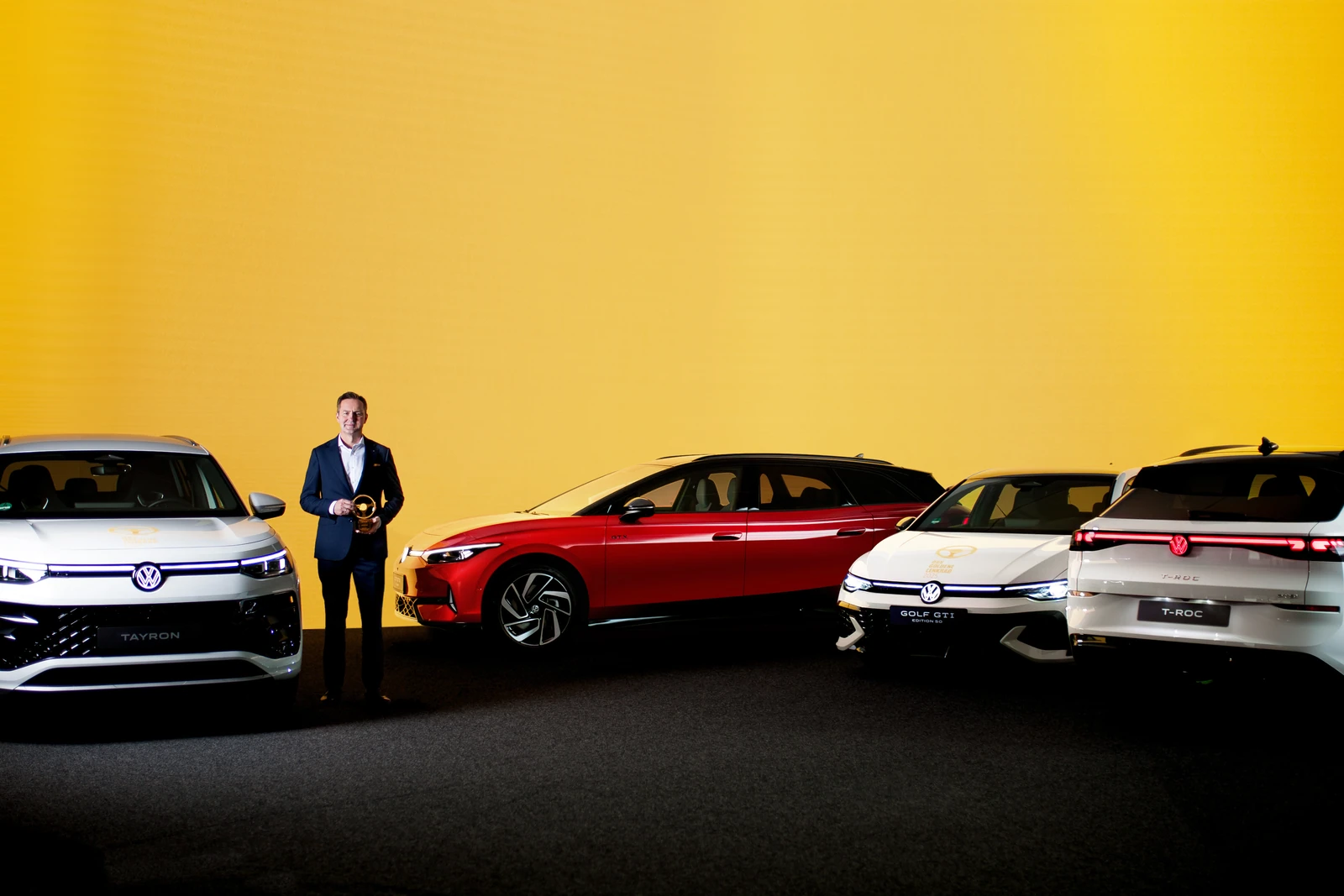
Volkswagen will halve its model range by 2035 through EV transition, says CEO Thomas Schäfer

The brand boss says the cut comes from aligning Volkswagen, Skoda and Cupra portfolios, not axing cars, with synergy groups deciding which brand leads each segment.

Image from the source coverage.

Volkswagen will shrink its model range by around half by 2035, and chief executive Thomas Schäfer says the reduction will happen through a "natural transition" to electric cars rather than a cull of specific nameplates.

Speaking at the Paris motor show, Schäfer pointed to Europe's 2035 end of combustion engines: once petrol and diesel sales stop, pairs like the Polo and ID Polo or T-Cross and ID Cross will collapse into one car each. He said the group has mapped its ideal 2035 line-up for Volkswagen, then repeated the exercise for Skoda and Cupra, and the combined result is a portfolio half its current size, focused on the most profitable products.

How the brands will share the remaining cars

The halving is a group-wide pledge across Volkswagen Group's brands, and Schäfer heads the Core group that contains Volkswagen, Skoda and Cupra, which is where the collaboration is concentrated.

Going forward, models will be run in "synergy groups" so the brands are not, in his words, "all fishing in the same spot at the same time". That does not mean only one brand per segment: the ID Polo, ID Cross, Cupra Raval and Skoda Epiq small EVs will all exist alongside each other. In overlapping cases, though, the project will be clustered and a single brand assigned to lead it.

The production version of the ID Every1 city car concept is the first example. It rides a cut-down version of the ID Polo's platform, and Volkswagen will be the only brand offering a car in that class, which Schäfer attributes to the small size of that market segment.

The logic is straightforward: engineering one city car and selling it under one badge costs far less than four brands each fielding a rival, and the savings can fund the electric transition. The trade-off for buyers is less choice within Volkswagen's own showrooms as overlapping petrol and electric twins are merged into single successors.

Sources & reporting notes +

Written with AI assistance and checked against the source material. Our editorial standards.

Open this article ↗

Keep scrolling to read the next story.

Older articles →