INDEPENDENT AUTOMOTIVE NEWSGLOBAL PERSPECTIVE / AUSTRALIAN EDITION
TDCNTHE DAILY
CAR NEWS.

The road ahead.
Every day.

RSS ↗
Latest/Electric

84 original articles

Electric / TDCN ORIGINAL

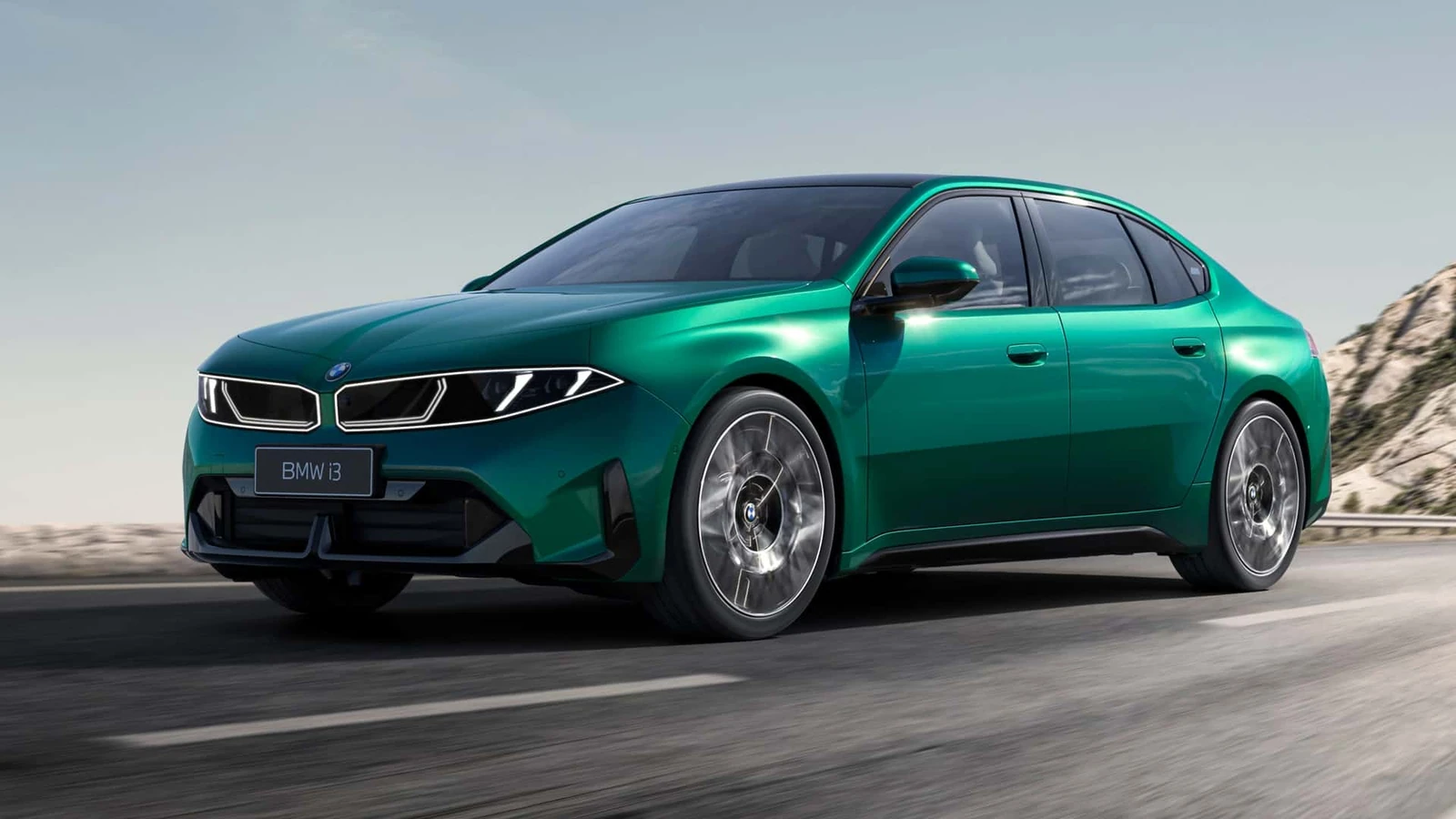
BMW i3 covers 753 miles on one charge in Chinese endurance run

The rear-drive long-wheelbase Neue Klasse sedan averaged 7 miles/kWh with 1% of its 108.7-kWh usable battery remaining, though US and European cars launch as dual-motor versions only.

A rear-wheel-drive, long-wheelbase BMW i3 has covered 753 miles (1,213 km) on a single charge, finishing an endurance run across Chinese highways, national roads and city streets with just 1% left in the battery.

The figure comes from a BMW-run test in China, not an independent verification, and it was set by a Chinese-market version of the Neue Klasse sedan that differs from the car headed to the US and Europe.

The consumption figure is the more remarkable number: 14.1 kWh per 100 miles, or 7 miles/kWh, from the car's 108.7-kWh usable battery. BMW says that beats what most petrol sedans manage on a full tank, and the automaker frames it as evidence that range anxiety is a thing of the past for the Neue Klasse line.

The top-spec i3 can also charge at up to 400 kW, with a 10-to-80% top-up taking 21 minutes.

The catch for Western buyers

The record-setting car is a Chinese-spec model with rear-wheel drive and an extended wheelbase. The i3 sold in the United States and Europe will initially be offered only with dual-motor all-wheel drive.

In the US, the i3 50 xDrive carries an EPA estimate of 468 miles. A rear-motor version is coming later, and the battery pack is the same across markets, so the efficiency shown in China should carry over to Western cars in some form.

That is the honest caveat for buyers: the headline 753-mile number was set by a lighter, single-motor, long-wheelbase configuration that Western customers cannot order at launch. The 468-mile EPA figure for the xDrive is still among the highest of any EV, but it is a different car from the one that set the record.

What BMW has not said

BMW did not disclose the average speed of the run, or how the 753 miles split between highway and city driving.

That matters, because low average speeds flatter consumption figures. A comparable BMW iX3 endurance run last year covered 626 miles in conditions that suggested modest pacing, and the same likely applies here.

The realistic takeaway for drivers is not that every i3 will do 753 miles, but that a car capable of that at gentle highway speeds will comfortably exceed most buyers' daily needs in mixed use.
Open this article ↗
Electric / TDCN ORIGINAL

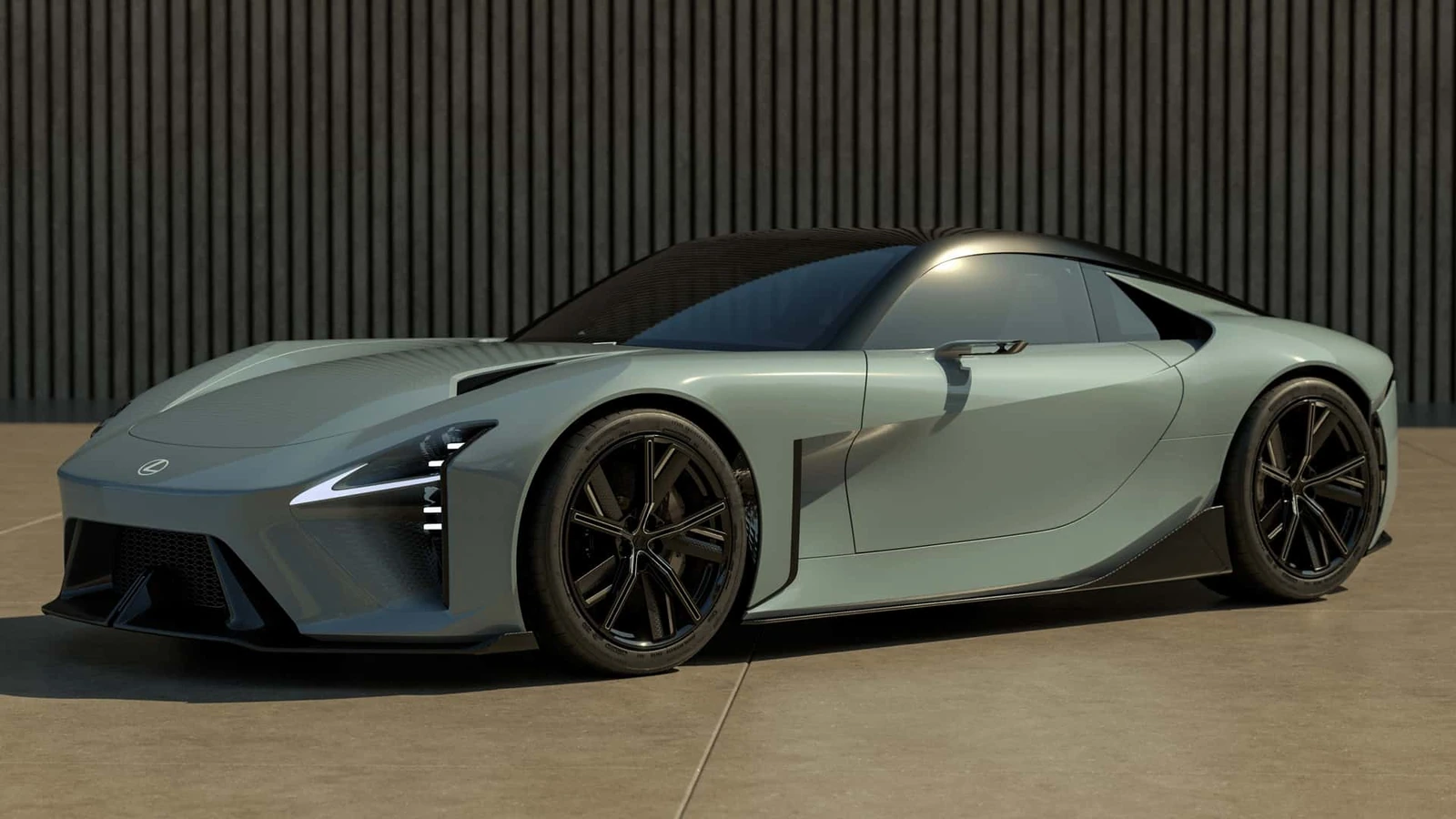
Toyota patents a clutchless simulated sequential gearbox for the electric Lexus LFA

The filing describes torque cuts that mimic shift jolts, with sport and race profiles, and it arrives as the battery-powered LFA edges toward a 2027 debut.

Image: Motor1

Toyota has filed a patent application for a simulated sequential gearbox that would let an electric car mimic the jolt of a race-style shift without any clutch pedal. The timing points to the all-electric Lexus LFA, expected in 2027, as the likely candidate for the technology.

The system, first reported by CarBuzz, works by shaping electric motor torque over a set period: during a simulated shift the motor's output drops to zero and then returns, occasionally overshooting the target briefly to imitate a clutch snapping back under load.

Lexus has not confirmed the technology for production, so the patent is a signal of intent rather than a product announcement. But the pieces line up: the LFA Concept shown in 2025 already wears steering-wheel paddles, and the filing suggests those could end up connected to the shift system.

Why no clutch pedal

Toyota's filing argues that operating a clutch can be troublesome for drivers raised on automatics, and that most EV buyers will have little or no experience with a real manual. That thinking echoes the company's earlier patent work on a simulated manual with a pseudo clutch pedal, which flagged the pedal layout as potentially inconvenient for the same reason.

Dropping the pedal has a performance benefit too. The patent notes that removing the clutch allows quicker shifts, closer to how a real sequential gearbox behaves on track.

How the fake shifts would work

The mechanism centres on a temporary torque cut. Software manages when power reaches the wheels, dropping motor torque to zero during a simulated shift and then restoring it, sometimes briefly overshooting the target figure to replicate the snap of a clutch re-engaging under load.

Drivers would reportedly get selectable profiles, including sport and race modes, that change how aggressive those cuts feel. A race setting would sharpen the simulated shift bite, while a milder mode would smooth it out for daily driving.

Not the first at this

Hyundai already sells a comparable system: the Ioniq 5 N's N e-shift uses similar torque manipulation paired with paddle shifters. Porsche has filed patents covering related territory as well, so Toyota is not chasing an unproven concept.

The catch for buyers is that none of this is confirmed for the road. The LFA Concept, shown first as the Lexus Sport Concept at Monterey Car Week and the Japan Mobility Show, has appeared without official power, battery or range figures, most recently at the Melbourne Cup Carnival in Australia.

Open this article ↗

Keep scrolling to read the next story.

Older articles →