INDEPENDENT AUTOMOTIVE NEWSGLOBAL PERSPECTIVE / AUSTRALIAN EDITION
TDCNTHE DAILY
CAR NEWS.

The road ahead.
Every day.

RSS ↗
Latest/New cars

51 original articles

New cars / TDCN ORIGINAL

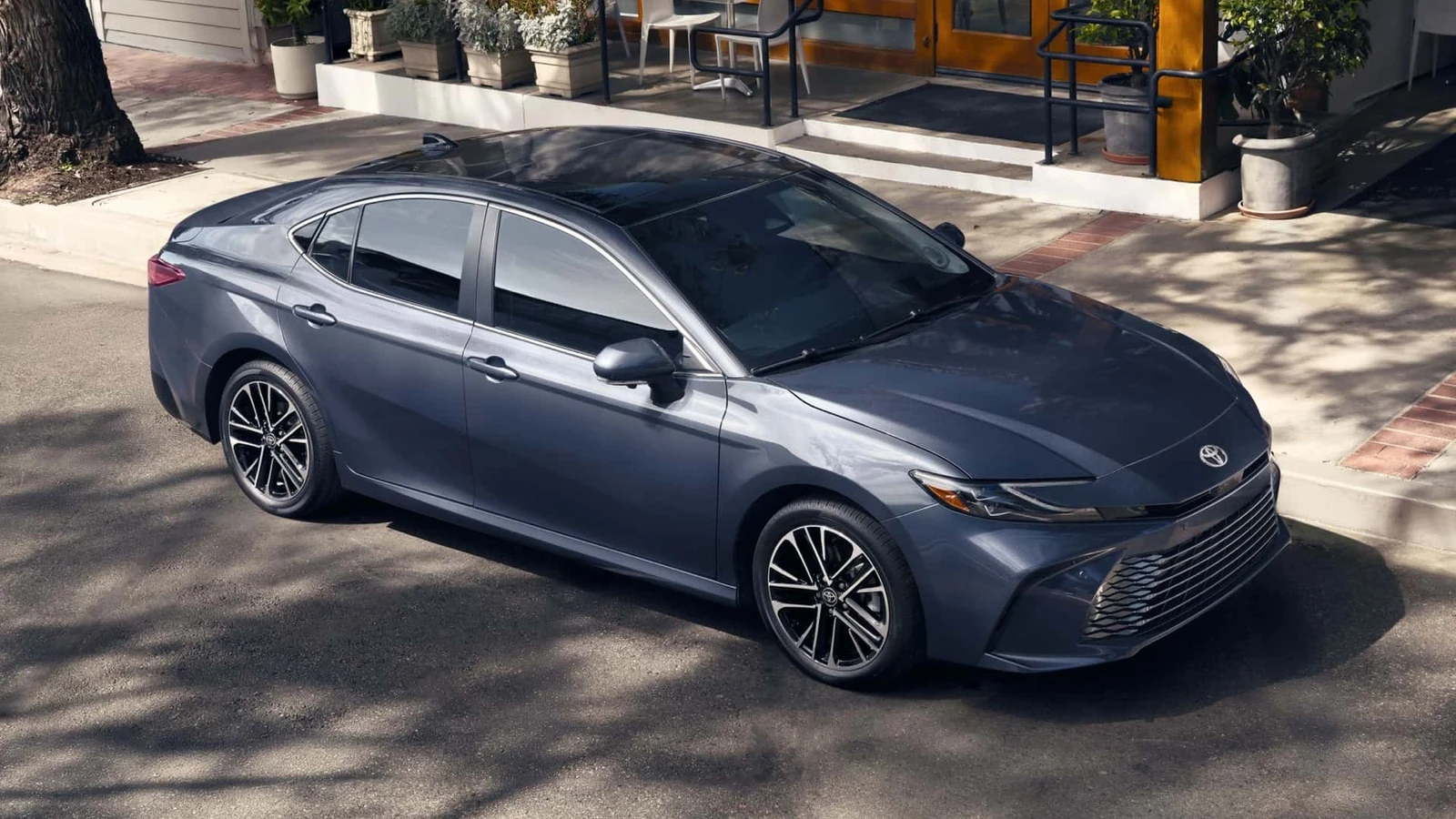
2027 Toyota Camry pricing rises $700 across every trim, base LE now $29,700

The hybrid-only sedan carries over its 2.5-litre powertrain and five-grade range unchanged, with the destination fee held at $1,295 and on-sale timing set for this fall.

Image from the source coverage.

Toyota has priced the 2027 Camry, and every trim costs $700 more than last year once the unchanged destination fee is included. The base LE now starts at $29,700 before destination, up from $29,000 for the 2026 model, while the hybrid powertrain and five-grade lineup carry over untouched.

The increase is a straight MSRP rise rather than a change to fees. Toyota's destination charge stays at $1,295, the same figure it charged in 2026, so the $700 jump buyers see on the window sticker reflects higher manufacturer's suggested retail prices across the board.

Every trim, $700 dearer

The LE anchors the range at $29,700 before destination, and the range-topping XSE sits at $36,100. Between them, the Nightshade grade lists at $33,200. With the carryover destination charge added, each of those trims lands exactly $700 above its 2026 equivalent.

Mechanically identical to 2026

Under the bonnet nothing has changed. The Camry keeps its naturally aspirated 2.5-litre four-cylinder hybrid, rated at 225 horsepower in front-wheel-drive form, the same output Toyota quoted for the outgoing model year.

Electronic On-Demand All-Wheel Drive remains available across all five grades at $1,525. With it fitted, output rises to 232 horsepower, and the LE's combined fuel economy slips from 51 mpg to 50 mpg.

Equipment largely carried over

Standard kit is broadly similar to 2026: dual-zone automatic climate control, a six-speaker stereo, wireless Apple CarPlay and Android Auto, and adaptive cruise control with lane-centering.

Toyota now highlights more trim-specific technology instead, reserving features such as a wireless phone charger and Digital Key for higher grades like the XLE and XSE rather than offering them on every Camry.

On sale this fall

Toyota expects the 2027 Camry in dealerships this fall, with pricing the main change against last year's window sticker.

For shoppers, the practical takeaway is simple: the car is the same, the sticker is not. Anyone eyeing a specific grade should confirm final out-the-door numbers, including destination and local fees, once allocations start arriving at dealers.

The $700 rise lands on a sedan that has just posted strong sales alongside the Honda Accord, and Toyota will be betting buyers will absorb it without shopping across to its rival. How the 2027 Camry's pricing compares with the Accord's has not been announced in this material.
Sources & reporting notes +

Written with AI assistance and checked against the source material. Our editorial standards.

Open this article ↗
New cars / TDCN ORIGINAL

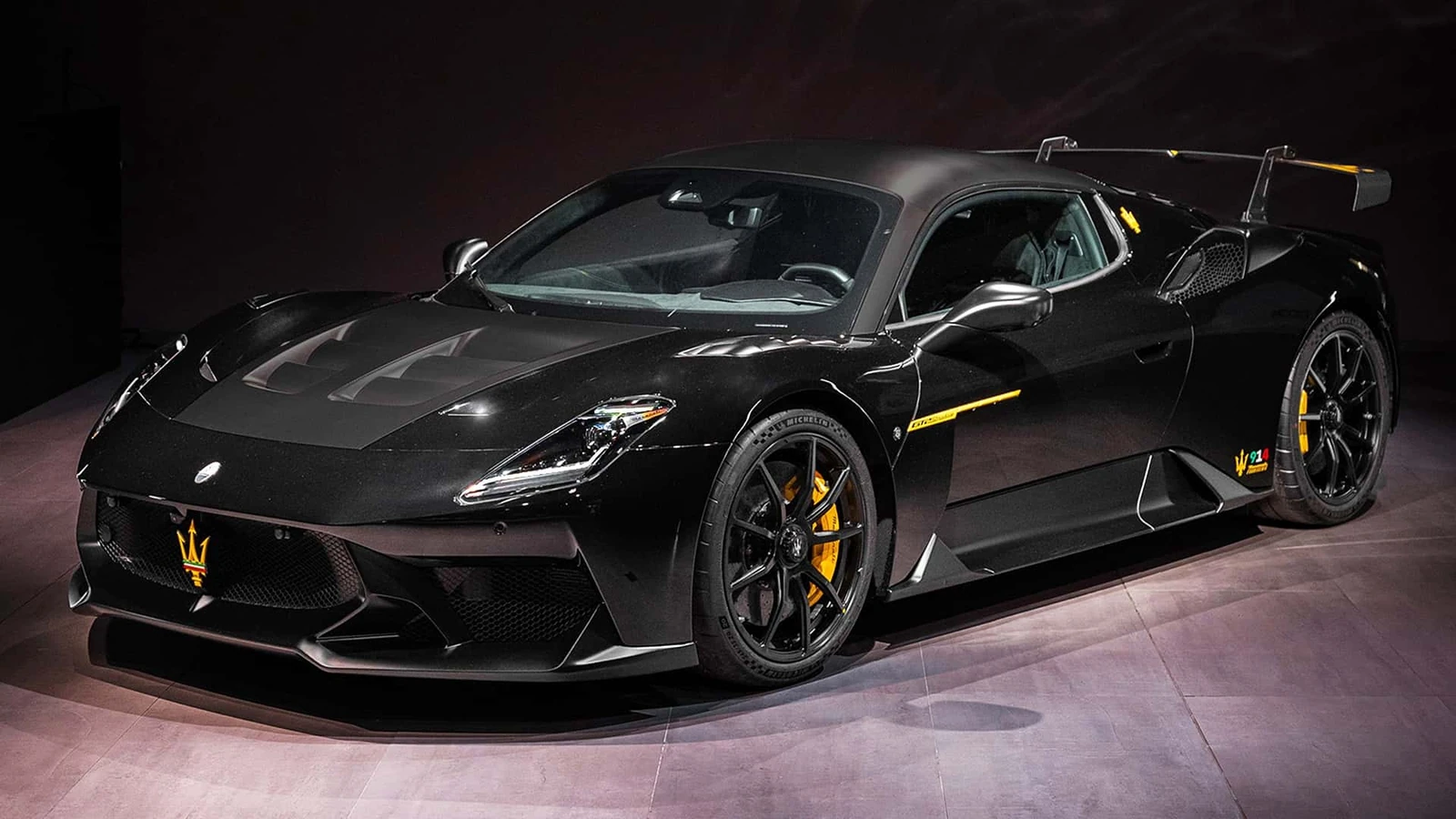
Stellantis rules out a Maserati sale and a brand split, says Filosa

The CEO also confirmed a five-brand investment priority of Jeep, Ram, Peugeot, Fiat and Pro One, leaving the other nine nameplates to compete for funding.

Image from the source coverage.

Stellantis has no plans to sell Maserati, chief executive Antonio Filosa said at the 2026 Paris Motor Show, and the group will not split its European and American brands either. Asked directly about a sale of the struggling Italian marque, Filosa told Bloomberg Television: 'Not at all.'

The comments are the clearest statement yet on the Trident's future, after months of speculation that Stellantis might offload the loss-making luxury brand. Filosa dismissed a separate idea, floated during the group's recent troubles, of separating the European marques from the American ones, calling it 'not plausible at all.'

Why the sale rumours kept coming

Speculation about Maserati's ownership has been persistent, and for understandable reasons. The brand has struggled with declining sales and questions about its long-term future, putting the fabled Italian marque under increasing pressure. Stellantis has explored ways to improve its prospects, including discussions with potential partners, but the company says that is not the same as preparing a sale.

The bigger question now is whether Stellantis can give Maserati a clearer direction and the products it needs to regain momentum in an increasingly competitive market.

Closer ties with Alfa Romeo

One route already hinted at is tighter cooperation between Maserati and Alfa Romeo. The idea is to build on their shared heritage and premium positioning while cutting development costs and lead times through shared engineering.

Both brands face an uphill battle in a crowded luxury market, so pooling resources could let Stellantis get more from its investment without blurring the two marques' distinct identities. For Maserati, that cooperation could prove decisive as it tries to recover without changing hands.

Fourteen brands, five priorities

Filosa was equally firm on the structure of the group itself. Stellantis benefits from developing key technologies globally rather than running its regional divisions as separate businesses, he argued, with that shared approach covering everything from powertrains to platforms.

The European brands, Fiat, Peugeot, Citroën, Opel/Vauxhall, Lancia, DS Automobiles, Abarth, Alfa Romeo and Maserati, operate alongside Jeep, Ram, Dodge and Chrysler. Filosa insists all 14 nameplates have a role, though keeping them under one roof does not mean equal investment. Stellantis is reviewing how it allocates spending, particularly where several brands chase the same customers, and its updated strategy prioritises five areas: Jeep, Ram, Peugeot, Fiat and the Pro One commercial vehicle business.

That leaves nine brands outside the priority list, Maserati among them, competing for attention and capital. The challenge is to maximise shared development costs without turning the lineup into a set of rebadged cars, a balancing act that grows more important as Chinese automakers ramp up competition in Europe and elsewhere.

Partnerships and the road back to profit

Stellantis is also pursuing partnerships to use its manufacturing capacity better. Collaborations with Chinese automakers Leapmotor and Dongfeng could help fill underused European plants without closures, while expanding access to electrification technology.

The financial picture explains the urgency. The group posted a €22.3 billion net loss in 2025 and its shares have come under heavy pressure this year. Filosa told Bloomberg the group has already passed the point of returning to profitability, but the real test is turning that confidence into sustained financial improvement.

For now the message from the top is unambiguous: Maserati stays, the European and American brands stay together, and Stellantis will try to make the whole group work as one.

Sources & reporting notes +

Written with AI assistance and checked against the source material. Our editorial standards.

Open this article ↗

Keep scrolling to read the next story.

Older articles →