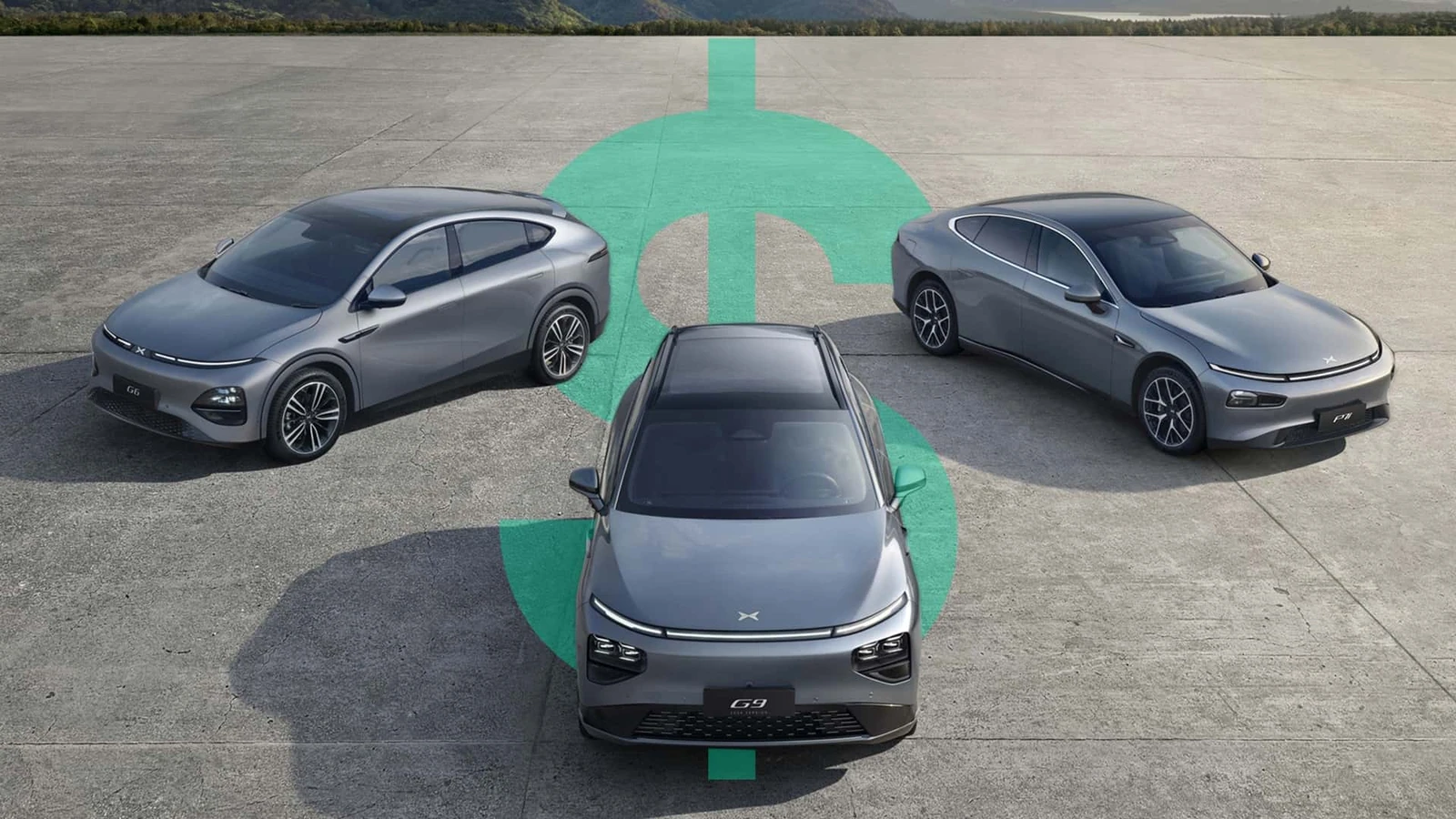
Xpeng wants to sell 500,000 cars a year in Europe by 2030, a figure that would top the 426,000 vehicles Ford sold there last year. The target is half of a global goal of 1 million annual deliveries by the end of the decade, which chief executive He Xiaopeng set out in an interview with Bloomberg.
The scale of the ambition is stark: Xpeng has delivered only about 60,000 cars in Europe since entering the region in 2020, and just under 430,000 worldwide last year.
Xpeng's European push would more than double its global sales within six years, and the company expects Europe to account for roughly half of all deliveries at the 1 million mark. Ford, by comparison, has been building cars in Europe for more than 115 years, though its sales there have fallen from about 1 million units a decade ago to 426,000 last year.
That decline is part of why the target looks plausible rather than fanciful. Chinese EV brands have been taking market share from established carmakers across Europe on the strength of high equipment levels and low prices, and Xpeng is one of the brands doing the eating. If that collective penetration continues at its recent pace, a half-million annual sales for Xpeng alone starts to look less like a stretch.
Local production is the sticking point
The harder part is manufacturing. Xpeng has no European factory of its own, and new EU rules require a minimum level of local content in EVs sold across the bloc, a threshold every Chinese carmaker is now racing to satisfy.
As a stopgap, Xpeng has contracted Magna to assemble several of its models in Austria. But vice president Yeqing Zheng told Reuters that Magna's output is not even sufficient for the sales goal, and that the company plans to expand its manufacturing presence in Europe, both to meet the content rules and to build volume.
That admission matters for the timeline. Contract assembly caps how many cars Xpeng can physically deliver, so the 500,000 figure depends on the company adding real production capacity in Europe, not just shipping more cars in from China.
No word on the United States
American buyers are unlikely to have seen an Xpeng on the road: the brand does not currently sell cars in the US. Neither Xpeng nor the sources indicate any plan to enter the American market, and no US launch has been announced.
For now the company's attention is fixed east across the Atlantic. The bet is that Europe's appetite for affordable, tech-heavy EVs keeps growing while legacy brands regroup, and that a decade in the market is enough to outsell a manufacturer that has been there for a century.