INDEPENDENT AUTOMOTIVE NEWSGLOBAL PERSPECTIVE / AUSTRALIAN EDITION
TDCNTHE DAILY
CAR NEWS.

The road ahead.
Every day.

RSS ↗
Latest/New cars

639 original articles

New cars / TDCN ORIGINAL

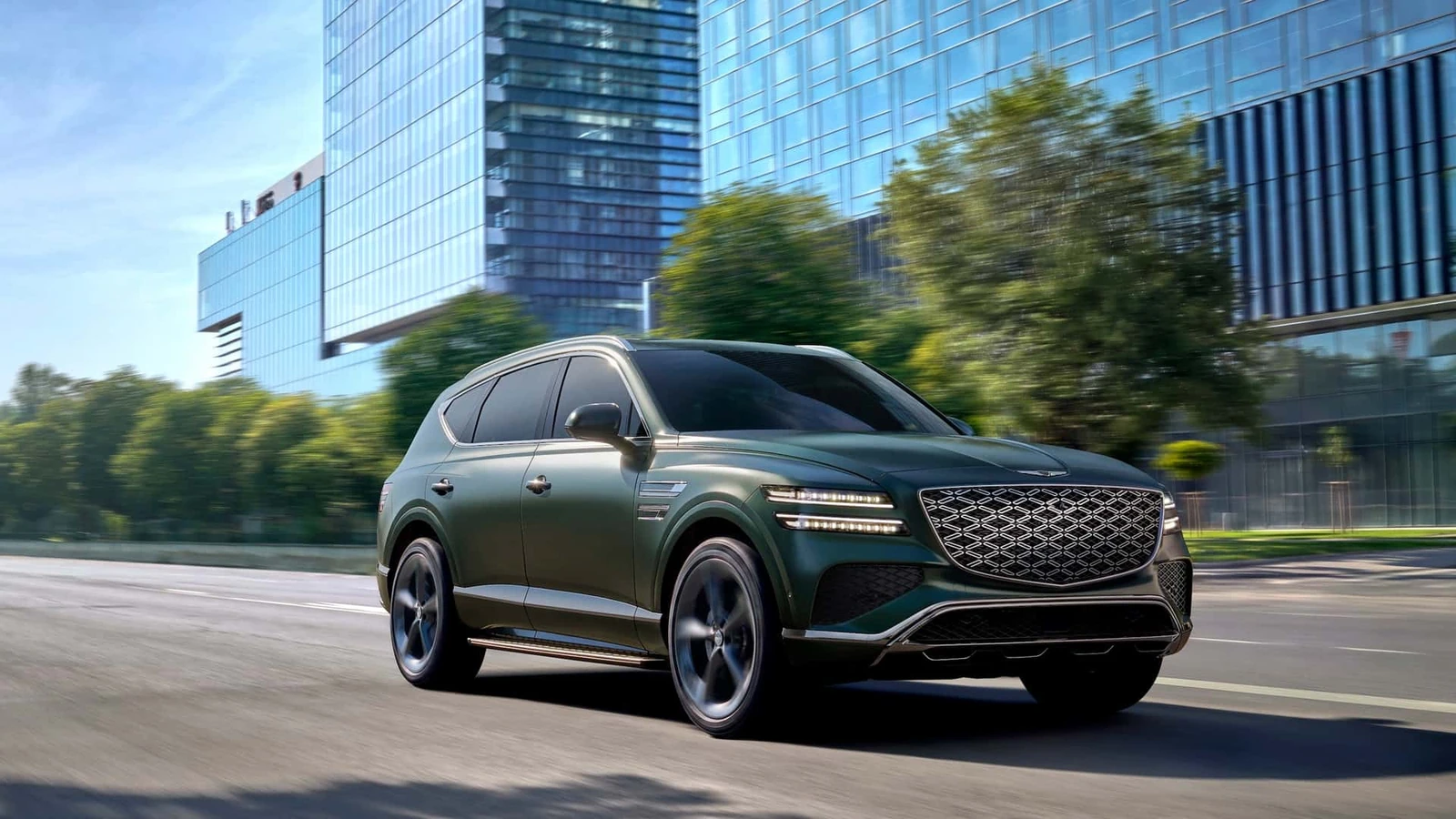
Genesis reveals G80 and GV80 hybrids, its first hybrids for the US

The 347 hp all-wheel-drive pair slots between the 2.5-litre turbo and the V6, but prices and sale dates are still to come.

Genesis has revealed hybrid versions of the G80 sedan and GV80 SUV, the brand's first step into the US hybrid market after parent Hyundai and sister brand Kia built large hybrid sales on the same technology. The two models were shown on Wednesday, with Genesis quoting efficiency gains of 30% for the G80 Hybrid and 24% for the GV80 Hybrid over their four-cylinder petrol equivalents.

Both pair a 2.5-litre turbocharged petrol engine with a parallel hybrid system for a combined 347 horsepower, sitting between the standard 2.5-litre turbo and the twin-turbo V6 that tops the range at 375 hp. All-wheel drive is standard across both hybrids, as it is on the petrol G80 and GV80.

The 2.5-litre turbo-hybrid combination is already used in other Hyundai products including the Palisade Hybrid, and Genesis describes it as among the newest and most sophisticated powerplants in the group's stable. The G80 and GV80 hybrids do carry hardware the group's other hybrids do not: they are the first Hyundai Motor Group hybrids with liquid-cooled batteries.

Most traditional hybrids use small passively air-cooled packs, while active cooling is common on larger EV batteries. Genesis says the liquid cooling also lets it draw more of the battery's energy. The hybrids use a seven-speed automatic rather than the eight-speed fitted to the petrol models, and like other Hyundai and Kia hybrids they keep a conventional transmission instead of the e-CVTs used by Toyota and Honda.

Two modes are specific to the hybrid setup. A Stay mode runs the climate control and radio for extended periods without starting the petrol engine, and an EV mode allows a limited amount of engine-off cruising. Final fuel economy ratings have not been published yet.

Hybrids account for 29% of all Hyundai sales, a share that has grown quickly in recent years, yet Genesis had been left out of that growth until now. The gap matters for buyers in the premium segment Genesis competes in, where the G80 lines up against the BMW 5 Series and Mercedes-Benz E-Class.

The brand's electric options in the meantime are the smaller GV60 and Electrified GV70 SUVs, with a third, the GV90, described as coming soon. The G80 was offered with a fully electric powertrain until recently, but that variant was dropped after slow sales, while the GV80 has only ever been sold with combustion engines.

Buyers who want a plug-in hybrid experience will not get it from these two. Genesis confirmed at the debut event that extended-range electric vehicles, which use a petrol engine purely as a generator with no mechanical link to the wheels, are coming in 2027 with more than 640 miles of combined range claimed. Further details on those EREVs have not been announced.

Genesis has not yet announced prices, trim details or on-sale dates for either hybrid, and says more information is expected next year. That leaves the central question for buyers, what the hybrid premium will be over the 2.5-litre turbo models, unanswered for now.

The efficiency claims are the strongest part of the pitch. A 30% gain in the G80 and 24% in the GV80, combined with 347 hp, puts the hybrids close to V6 performance with four-cylinder running costs, which is a more compelling combination in a premium sedan than in the SUVs and trucks where hybrids have done most of their volume.
Open this article ↗
Electric / TDCN ORIGINAL

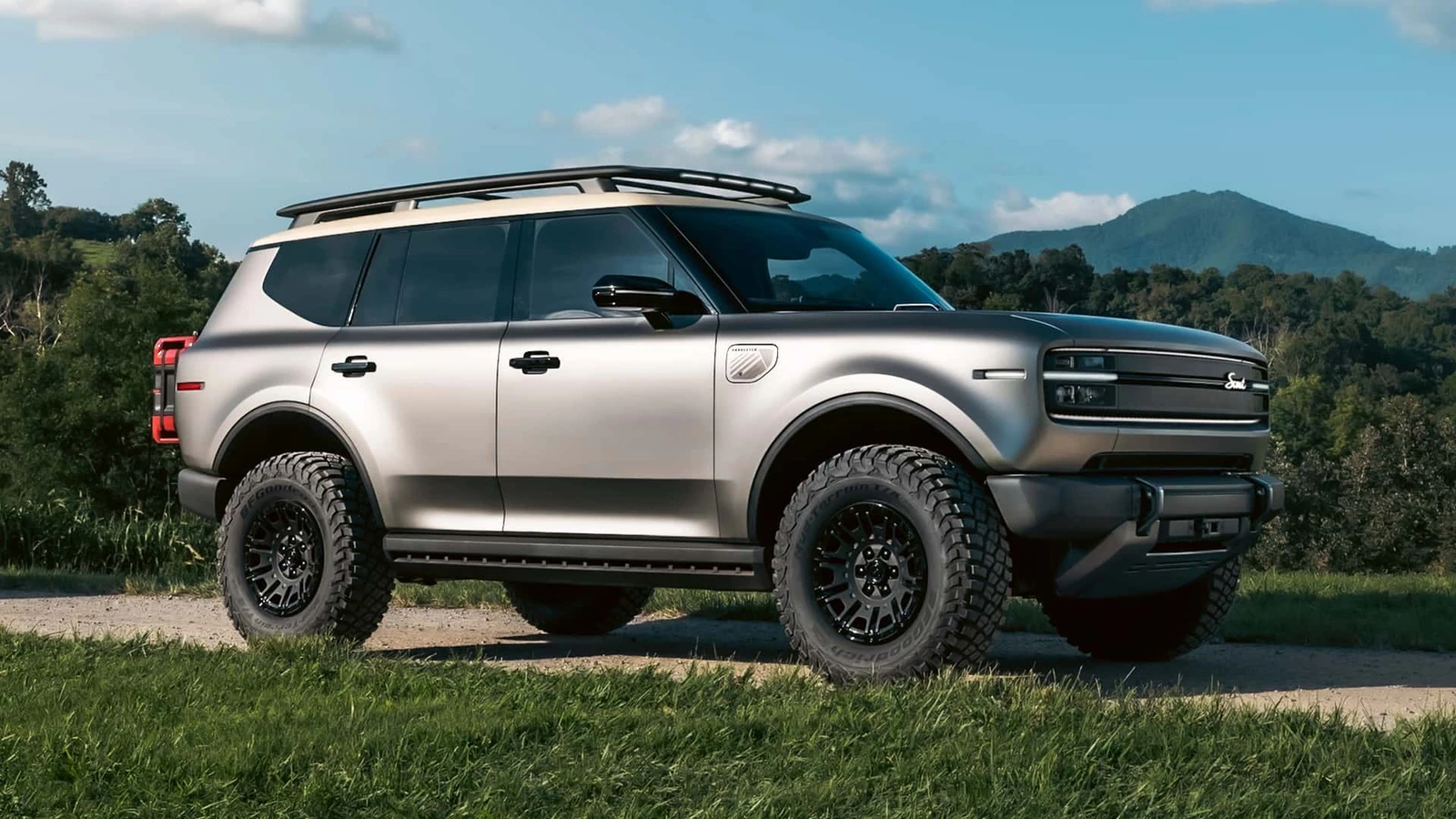
Scout Traveler to start below $60,000, with 800 hp range-extender flagship

Scout Motors CEO Scott Keogh says the base electric SUV will undercut $60,000 and a fully optioned Harvester version should stay out of six figures.

Image: Motor1

Scout Motors intends to launch its Traveler SUV below $60,000 in the United States, with a fully optioned example of the range-extender version landing in the high $80,000s or low $90,000s, CEO Scott Keogh told The Drive in an interview. The first production Scouts are expected in 2028, with the Traveler SUV arriving ahead of the Terra pickup truck.

Keogh said the company's earlier pricing target is "100 percent holding" despite rising costs, tariffs and inflation, and that a zero-option Traveler would come in under $60,000. Buyers who add extra accessories could push the price close to $100,000 or beyond, but Keogh expects most customers to spend around the $60,000 mark.

The Harvester powertrain and its performance targets

The headline powertrain is the Harvester extended-range electric setup, which pairs an electric drive with a gasoline engine used purely as a generator. Keogh said that version will produce approximately 800 horsepower and 1,000 pound-feet (1,356 Newton-meters) of torque, with a target of 3.5 seconds for 0-60 mph (97 km/h) and a total driving range of about 500 miles (805 kilometers).

The generator engine is a naturally aspirated four-cylinder unit sourced from parent company Volkswagen Group, mounted behind the rear axle. Keogh said the SUV should cover roughly 150 miles (241 kilometers) on electricity alone before the range extender is needed. Scout has not disclosed the engine's exact displacement or the battery capacity, so those figures remain unannounced.

Those numbers put the Harvester in territory usually reserved for performance SUVs rather than trail-focused off-roaders, and the electric-only range is enough for most daily driving before the gasoline generator is called on. For buyers weighing an electric SUV against a plug-in hybrid, the appeal is a single vehicle that covers both without the charging anxiety of a pure EV.

Audi and three-row variants are possible, not confirmed

Keogh said Scout's body-on-frame platform and its new South Carolina factory could accommodate vehicles wearing another Volkswagen Group badge, calling an Audi or VW ladder-frame SUV a "capable possibility." He stressed that nothing has been confirmed and that the architecture is not exclusive to Scout.

Adapting the platform for another brand would be relatively simple, according to Keogh: the front and rear axles could stay as they are while engineers modify the frame for different dimensions. Scout is also considering a three-row model, which would need a longer wheelbase and adjustments to the existing structure.

The distinction between possible and planned matters here. Audi has not announced a Scout-based production vehicle, and if one is approved, it is unclear whether Scout would build it or Audi would assemble it at its $4 billion Georgia factory, where Q7, Q8 and Q9 production is due to begin in the early 2030s. A rugged Audi SUV would give the group a direct US rival to the Mercedes G-Class, a segment where it currently has no competitor.

What is still unknown

Scout has not announced Australian availability or pricing for the Traveler, so the sub-$60,000 figure applies to the US market only. Battery size, engine displacement and final specifications for the Harvester are also still to be confirmed ahead of the 2028 launch.

The company has plenty to prove before then. It has not yet delivered a production vehicle, and the Traveler's pricing and performance claims are targets rather than measured results. Hitting them would make Scout one of the few brands offering a genuinely affordable American off-roader with serious electric performance.

Open this article ↗

Keep scrolling to read the next story.

Older articles →