Panasonic has signed a multi-year offtake agreement with Sila Nanotechnologies for silicon-carbon anode material, which the battery maker will use at its U.S. plants to build next-generation cells. Sila announced the deal on Wednesday, formalising a partnership that began in 2023 when Panasonic first said it planned to procure anode material from the company.
The agreement moves domestically made next-generation batteries a step closer to reality, and it gives Panasonic an option to offtake more than $1 billion in product over time if the ramp goes to plan.
Why silicon anodes matter
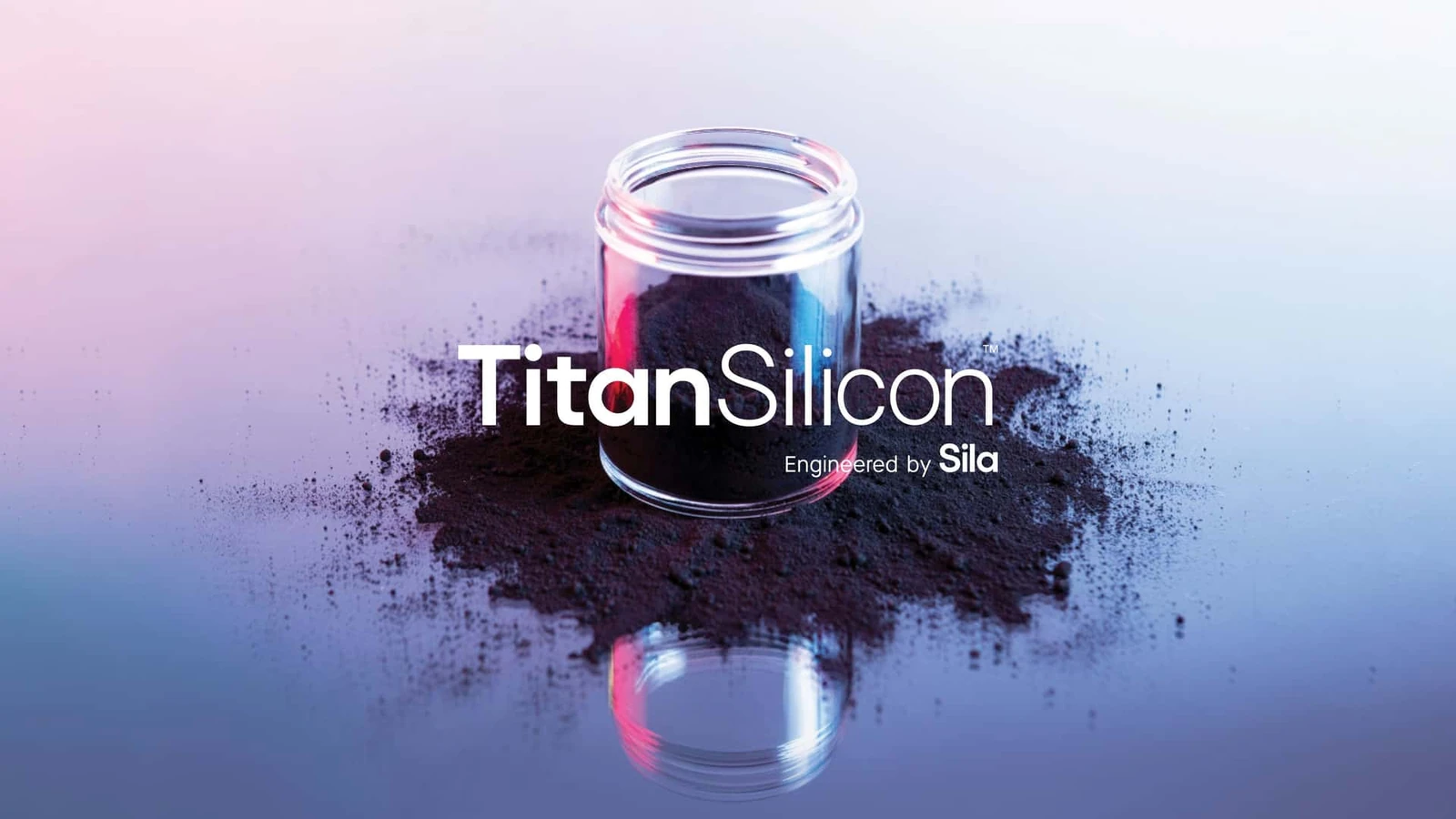
Most lithium-ion batteries use graphite on the anode side. Sila's material uses silicon instead, which can hold far more lithium, potentially delivering a more energy-dense battery at no extra weight plus faster charging. The trade-off is that silicon swells as it charges and ages because of the extra lithium it absorbs. Sila says its Titan Silicon anode limits that expansion to something closer to traditional graphite anodes, and the material already powers consumer devices such as Whoop bands.
The interest is not confined to Panasonic. Mercedes-Benz has bought into silicon-carbon batteries and Porsche has invested in the technology, while General Motors' battery chief, Kurt Kelty, said earlier this year that the automaker is going all-in. That breadth of backing suggests the chemistry is being taken seriously as a route to quicker charging and longer range rather than as a lab curiosity.
Production scale and the road to 250 GWh
Sila's Washington facility was completed in late 2025 with capacity for around 2 GWh of battery material, enough for roughly 26,000 electric vehicle batteries a year at a typical 75 kWh pack size. In July the company secured funding to ramp output to as much as 250 GWh.
Panasonic's plants will be the first to take the material at scale, but the sources do not specify which Panasonic factories or which vehicle models will receive the cells first, and no start-of-production date for cars using them has been announced. The 2 GWh figure gives a sense of the near-term ceiling: at current capacity the material supports tens of thousands of vehicles, not millions, so the wider benefit depends on how quickly the ramp proceeds.
What drivers get, and when
The promised payoff for car buyers is faster charging and more range from a pack of the same weight, which matters most for mainstream EVs rather than flagship models. Panasonic has not said when vehicles fitted with the cells will reach showrooms, and the deal covers material supply rather than a finished pack, so the timing of any specific model remains open.
The partnership dates back to 2023, when Panasonic first announced plans to procure anode material from Sila, and the new agreement converts that intent into volume commitments. The $1 billion-plus offtake option is the clearest signal yet of how much material Panasonic expects to need if the technology performs as advertised.