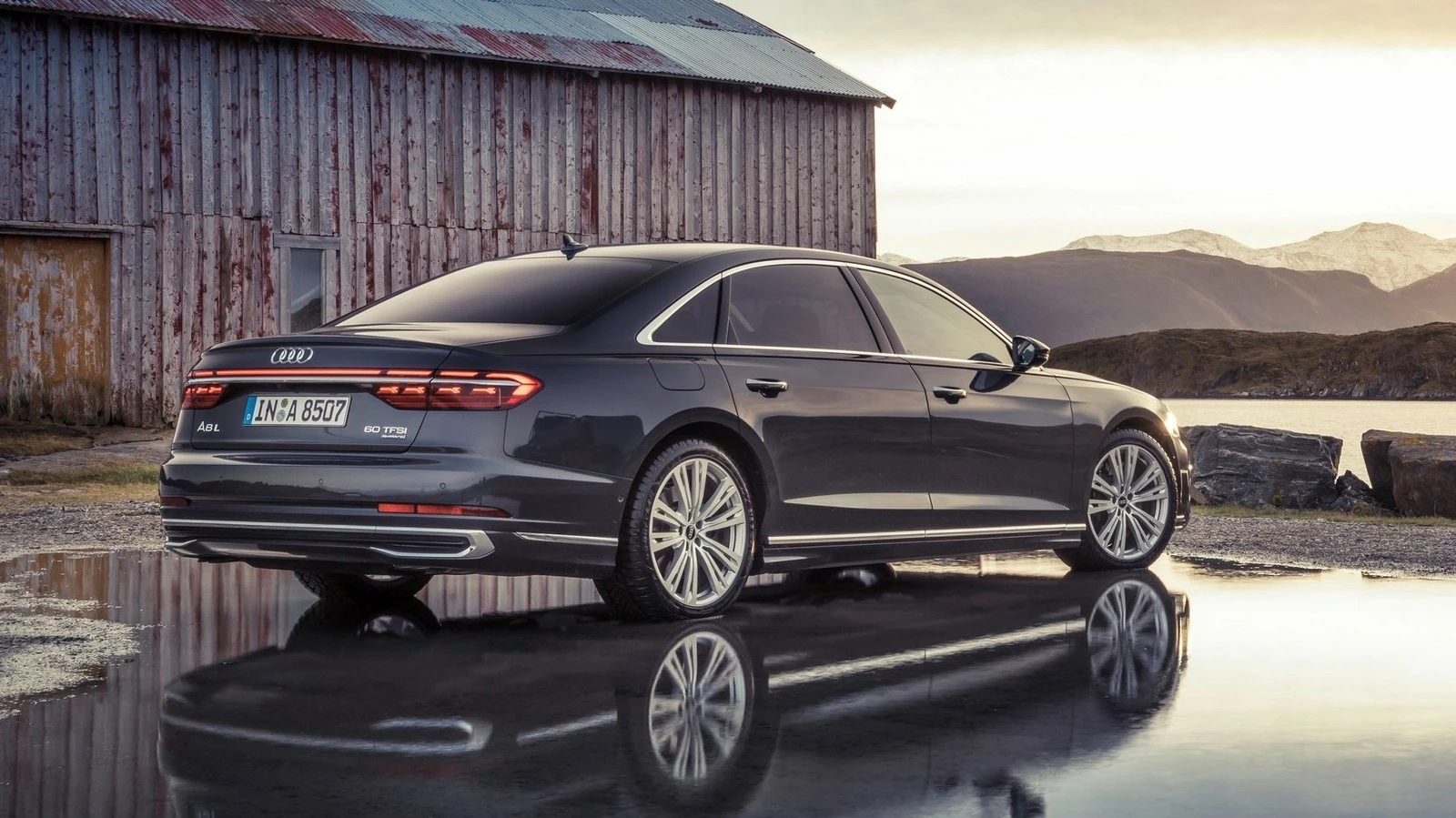
Audi will replace the A8 with a new flagship sedan before 2030, according to a report from Auto Bild Spain, which says the brand confirmed the model's continuation. The successor is expected to use a combustion engine with hybrid assistance, though Audi has not given an exact launch date.
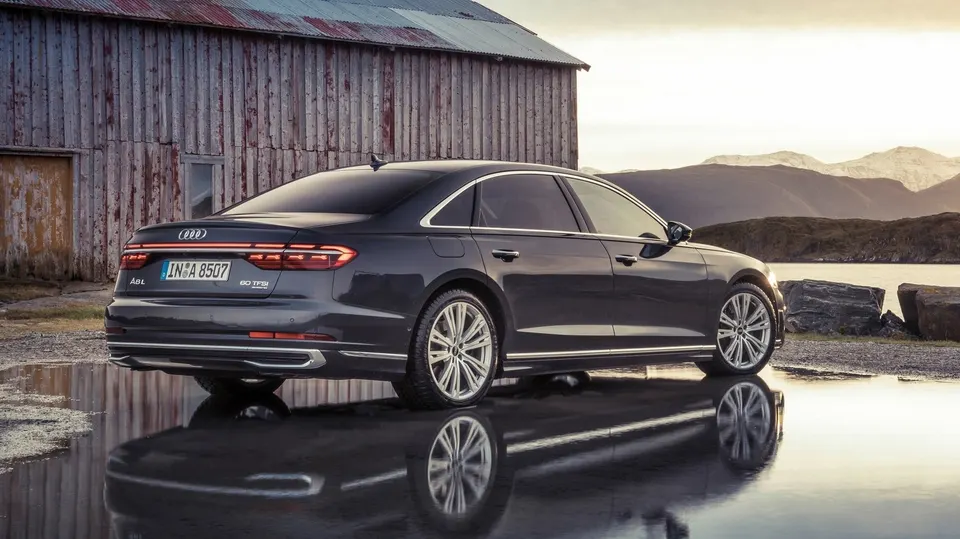
The news follows Audi ending production of the A8 in mid-October after 32 years, without announcing a direct replacement at the time.
What is known about the next A8
The confirmation came in conversation with Audi, per Auto Bild Spain, and points to a launch toward the end of the decade rather than an imminent showroom arrival. The powertrain is described as a combustion engine with hybrid assistance, keeping the A8 in the petrol-electric camp rather than going fully electric.
Audi has not specified where the Western-market A8 will be built or which platform it will use, according to the report. That leaves a significant gap for a car that will sit at the top of Audi's range.
The Huawei question and the American problem
A previous report from Manager Magazin suggested Audi could be in talks with Huawei about building a new luxury sedan for the Chinese market in the mould of the old A8. The latest report does not rule out the Huawei platform being used for the European model either.
Using a Chinese platform would, however, prevent Audi from selling the future A8 in the United States, and developing an America-specific model would be hard to justify on volume grounds. Last year Audi sold just 1,406 A8s in the US, against 7,408 Mercedes-Benz S-Classes and 11,393 BMW 7 Series models.
That gap explains why the next A8's market map matters as much as its engineering. A car built on a Chinese-sourced platform can serve Europe and China, but the US would need a different solution, and Audi's US volumes make a bespoke American version difficult to argue for.
Design cues from the Concept C
Auto Bild understands the new model will draw design inspiration from Audi's Concept C, which has already influenced the Nuvolari supercar. That design language drops Audi's familiar single-frame grille for a much smaller vertical grille in the centre of the fascia, and brings narrow LED headlights and taillights plus simpler, smoother body panels.
The styling shift is the clearest signal yet that the A8's successor will not simply be a reskinned version of the car that just went out of production.
An SUV rival from inside Audi
The next A8 will also have to compete with Audi's own Q9, which looks set to be even more luxurious and adds the practicality of an SUV that can fit a whole family. Among the Q9's features are electrically operated doors, six- and seven-seat configurations, a large panoramic sunroof, an illuminated front grille and a 22-speaker Bang & Olufsen system.
For buyers weighing a flagship Audi, the Q9's packaging could make the traditional saloon a tougher sell in markets where both are offered. The A8's answer appears to be design differentiation rather than trying to out-SUV the Q9.