INDEPENDENT AUTOMOTIVE NEWSGLOBAL PERSPECTIVE / AUSTRALIAN EDITION
TDCNTHE DAILY
CAR NEWS.

The road ahead.
Every day.

RSS ↗
Latest/New cars

637 original articles

New cars / TDCN ORIGINAL

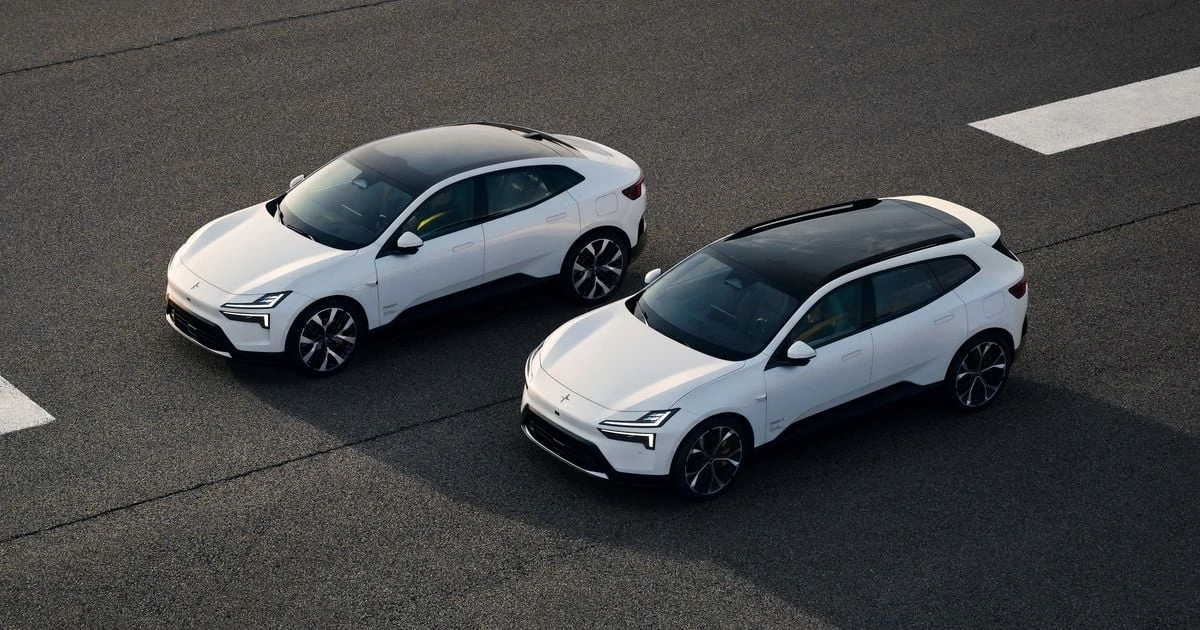
Polestar 4 gains Android 15, V2L and camping mode in P4.3.0 update

The over-the-air update adds vehicle-to-load power output, a camping mode and wider digital key support to existing Polestar 4 SUVs and coupes.

Polestar has released an over-the-air software update, P4.3.0, that brings Android Automotive OS 15, vehicle-to-load (V2L) functionality, Camping mode and expanded digital key compatibility to the Polestar 4 electric SUV and coupe. The update is available now for all existing Polestar 4 models, and new vehicles will ship with the software pre-installed.

Android Automotive OS 15 and infotainment changes

The headline item is the move to Android Automotive OS 15, which Polestar claims delivers improved infotainment performance and responsiveness. The company lists refinements to remote vehicle controls, digital key performance, Google Maps energy estimation, vehicle start-up speed and the on-board active safety and driver-assistance systems.

Polestar also says the update responds to customer feedback with expanded home screen shortcuts, revised climate controls and better access to the Dashcam and Gallery applications. Those are manufacturer claims rather than independently measured results, so the real-world gain in responsiveness will only show up once owners install the software.

V2L arrives across the range, with a paid adapter

V2L, which lets the car power external appliances, debuted in the Polestar 4 SUV and now works on all variants. With a compatible adapter, which Polestar sells as an accessory for $540, the car can output 3.3kW to camping equipment, tools and other electrical devices.

The same V2L capability is expected to reach other Polestar models in Europe and Australia through a similar update soon. The adapter cost is worth flagging for buyers: the hardware is standard, but the plug you need to use it is not.

Camping mode and digital key expansion

Camping mode, also first offered on the Polestar 4 SUV, works alongside V2L to turn the car into an off-grid base. When engaged it holds a set cabin temperature and keeps infotainment and key power outlets active, so occupants can run the in-car displays and charge phones and laptops.

The Digital key now supports selected Android devices, including Google and Samsung smartphones. It was first introduced for Apple iOS users in 2025 and lets owners lock, unlock and start the car from their phone instead of carrying a key.

Park Assist Pilot limited to newer build cars

Park Assist Pilot is the one item that is not universal. Model year 2026 and 2027 Polestar 4 vehicles fitted with the Pilot pack, which is standard in Australia, will pick up an enhanced version of the system.

That split matters for existing owners: the software arrives over the air, but the Park Assist Pilot upgrade depends on the car's model year and pack, so older examples will not necessarily get every part of P4.3.0. Polestar has not detailed the full scope of the Park Assist Pilot enhancement beyond the model year and pack conditions.
Open this article ↗
Electric / TDCN ORIGINAL

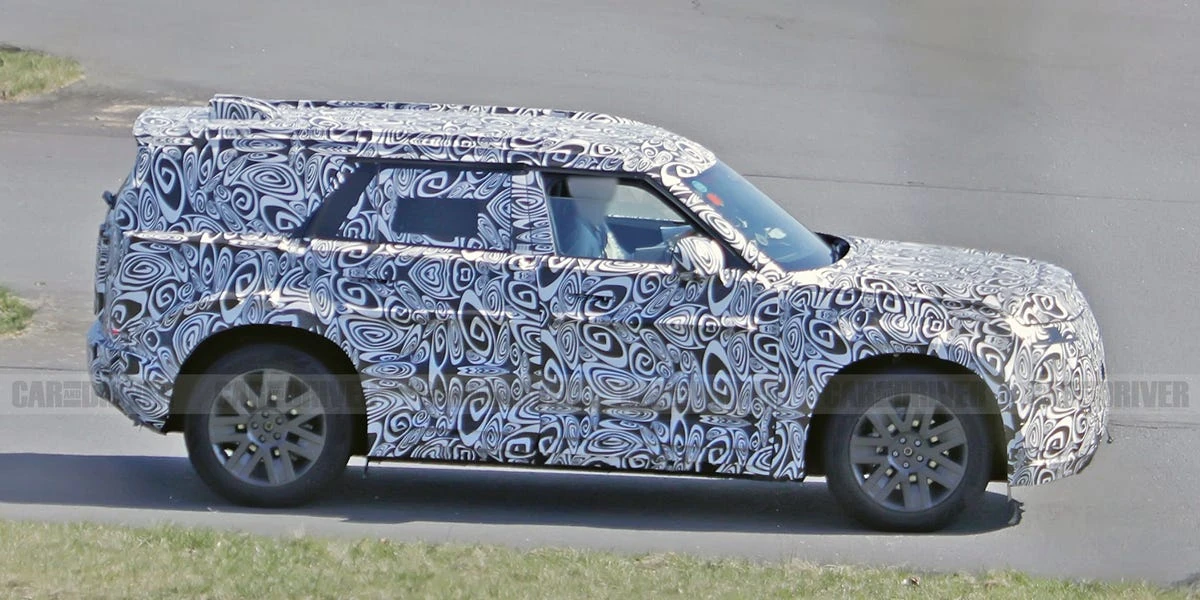
JLR confirms smaller electric Defender for 2027 at Halewood

The first model under the standalone Defender brand will share its EMA platform with the Range Rover GT, with a hybrid variant to follow later.

Jaguar Land Rover will launch a smaller electric Defender in 2027, built alongside the Range Rover GT at its Halewood plant in Merseyside, England. CEO PB Balaji confirmed the timing on the company's second-quarter earnings call on November 13, saying the GT and the electric Defender "start off in Halewood next year".

The vehicle, widely referred to as the Defender Sport, will be the first all-new model since JLR made Defender a standalone brand alongside Range Rover and Discovery under its House of Brands strategy. JLR has not confirmed the model's final name.

What JLR has confirmed

Balaji told journalists during the July to September financial briefing that the proposed arrival of the Range Rover GT and a new electric Defender product marks "a phase of exciting product launches". The Halewood factory currently builds the Range Rover Evoque and Land Rover Discovery Sport. JLR confirmed earlier this month that Evoque production and the Solihull-built Range Rover Velar will end in 2027.

The smaller Defender is expected to fill the gap left by the Discovery Sport, which goes out of production by the end of 2026, but it will be positioned further upmarket. Balaji has been guarded about explicitly calling the car Defender Sport, so the name remains unconfirmed.

Platform, battery and range

The new Defender and the Range Rover GT will share JLR's Electrified Modular Architecture, which is designed to support 800-volt electric vehicles and can also accommodate full hybrid powertrains. Balaji indicated that only the battery-electric small Defender would be ready by the end of next year, with a hybrid version to follow later.

The GT is reported to use an 800V electrical system supporting DC fast-charging at up to 350kW, and the platform can reportedly accommodate a battery of up to 120kWh between the axles. Automotive News reports that the smaller Defender will share its battery with the Range Rover GT, which is expected to offer up to 724km of range. The Defender's boxier shape is likely to reduce that figure.

Because the EMA setup places batteries under the floor, JLR's Mark Cameron, who heads the Discovery and Defender brands, acknowledged there may be a slight reduction in wheel travel and articulation compared with a full-size Defender. That is a different approach from the electric Mercedes-Benz G-Class, which packaged its batteries to preserve the same ability as the combustion-powered versions. Much of the Defender's off-road capability comes from terrain-management software rather than mechanical hardware alone, and that suite should carry over.

Positioning and pricing

Pricing is expected to be close to that of the five-door Defender 110, according to Automotive News. In Australia, the 2027 Defender 110 passenger range starts at $105,400 and tops out at $314,300 for the OCTA Black, both before on-road costs.

The smaller model carries more weight than a typical line extension. It is the first test of whether Defender can work as a brand rather than a single vehicle, and it has to keep most of the full-size model's off-road ability while shrinking its footprint. JLR cannot simply repeat Ford's Bronco and Bronco Sport split, where one is a Wrangler rival and the other a softened crossover. A smaller, more agile Defender suited to narrower trails is the pitch, and the current Defender's commercial success suggests demand exists.

Australian timing still open

JLR Australia has yet to confirm a local release for the electric Defender, which has previously been spied testing overseas. The Range Rover GT is expected to reach Australia in 2027, and JLR Australia's public website is already accepting expressions of interest for it. Until the local arm commits, Australian buyers have a confirmed product but no confirmed launch date or price.

Open this article ↗

Keep scrolling to read the next story.

Older articles →