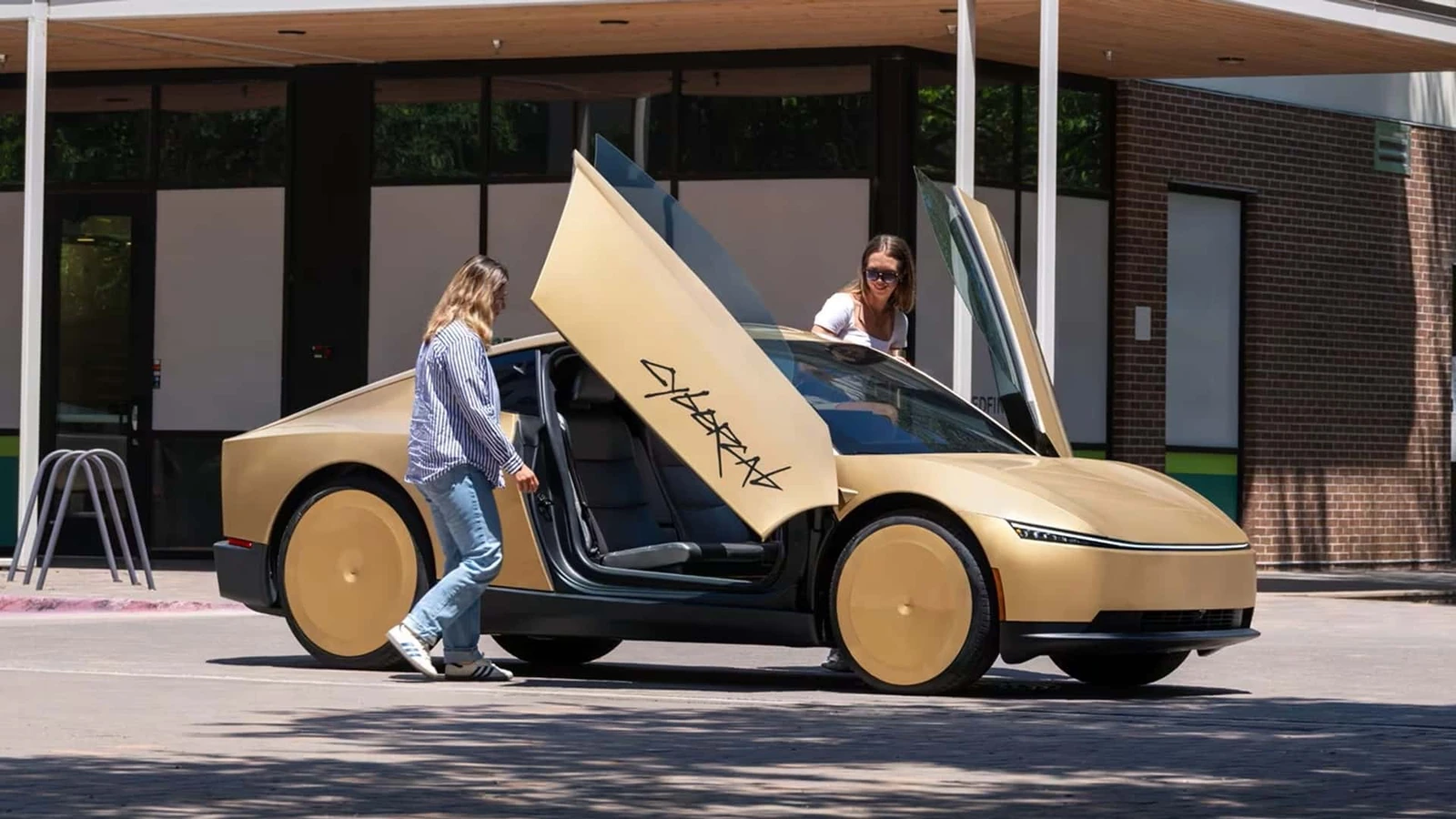
Tesla has begun running its purpose-built Cybercab in Dallas, the second city to get the driverless two-seater after the service launched in Austin in September. The automaker announced the expansion in a post on X.
Dallas riders had already been served by Tesla Model Y robotaxis, but this marks the first time the dedicated Cybercab has joined the fleet there. The vehicle carries up to two passengers, has no steering wheel or pedals, and is ordered through the Tesla Robotaxi app on a smartphone.
Where the Cybercab runs, and where it does not
Beyond Austin and Dallas, Tesla's robotaxi service operates in Houston, Fort Worth, Tampa, San Antonio, Orlando, Miami and the San Francisco Bay Area. Only Austin and Dallas have the Cybercab; the other cities are served by the Model Y.
The Bay Area cars carry human supervisors because of California's rules. Tesla's rollout has clustered in Texas and Florida, states with fewer regulatory roadblocks that let the company add vehicles and widen its geofenced areas faster than elsewhere. That concentration is a regulatory story as much as a technology one: the Cybercab's footprint is being drawn by state rulebooks, not by where demand is strongest.
Production plans and a two-million-car target
CEO Elon Musk has said Tesla eventually intends to have two million Cybercabs in the U.S.. That number warrants skepticism given the company's record of promising large figures and missing them.
To free up capacity, Tesla plans to wind down Cybertruck production at Gigafactory Austin next summer and ramp up Cybercab output. Tesla has also said it will add a version of the Model Y without a steering wheel or pedals to its robotaxi fleet.
Private buyers face a subscription and an unanswered safety question
Tesla recently began inviting select customers to buy the Cybercab for private use, an announcement that raised more questions than it answered. The car will not operate without a $299-per-month autonomy subscription.
It is also unclear how the Cybercab will meet the Federal Motor Vehicle Safety Standards, and Tesla has not publicly detailed how it will do so. That matters because a car without a steering wheel or pedals sits awkwardly against rules written around human controls, and until Tesla explains the compliance route, private buyers are being asked to commit to a vehicle whose regulatory footing has not been spelled out.