INDEPENDENT AUTOMOTIVE NEWSGLOBAL PERSPECTIVE / AUSTRALIAN EDITION
TDCNTHE DAILY
CAR NEWS.

The road ahead.
Every day.

RSS ↗
Latest/Electric

628 original articles

Electric / TDCN ORIGINAL

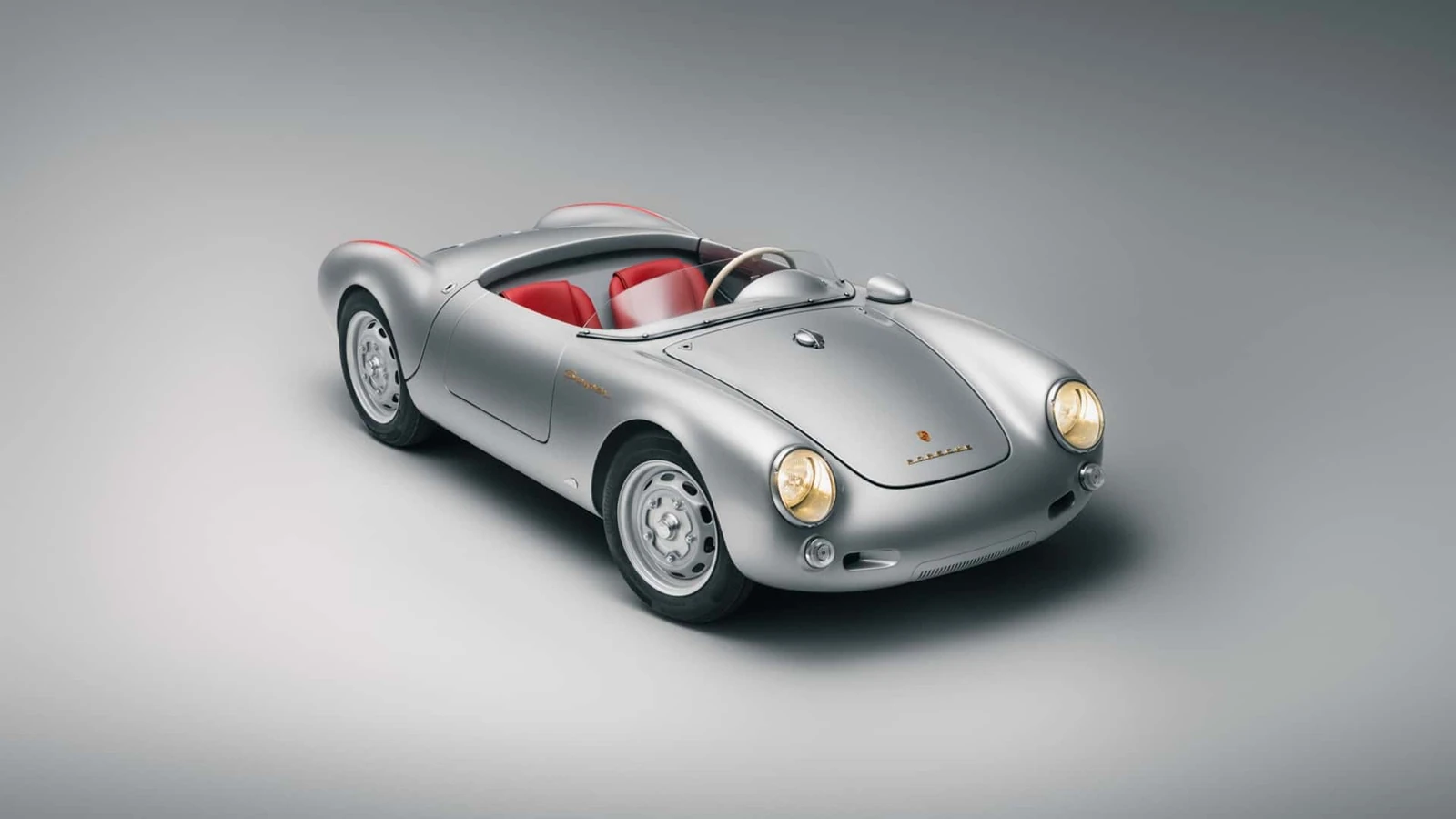
Hedley Studios unveils an 80% scale electric Porsche 550 Spyder replica

The 550 J is a £69,500, non-road-legal track toy with up to 21 horsepower and a claimed 50 miles of range in RS form.

UK firm Hedley Studios has revealed the Porsche 550 J, an electric replica of the 550 Spyder built at 80% scale and intended only for private roads and race tracks. Just 250 will be made, priced at £69,500 each, which InsideEVs converts to about $91,406.

A tiny car with real track hardware

The 550 J is not road legal, so it is a toy for private roads and circuits rather than the school run. At four-fifths of the size of an already small sports car, its two seats look tight for two adults side by side.

Underneath, the hardware is more serious than the power figure suggests. Bilstein dampers and Eibach springs handle suspension duty, with Brembo brakes for stopping, and the optional RS pack adds Bilstein adjustable coilovers and drilled brake rotors.

Hedley claims it worked closely with the Porsche Museum to get the details right, and the carbon fibre body, interior switchgear and even the fuel filler cap are reproduced. The layout follows the original too, with all of the car's weight behind the driver.

Powertrain, range and the RS pack

In standard form, two 1.8 kWh battery packs run at 48 volts and feed a single 11 horsepower electric motor driving the rear wheels. The car weighs 728 pounds, though two occupants can push it past the half-ton mark, at which point 11 horsepower is not much.

The optional RS pack raises output to 21 horsepower and lifts top speed from 40 mph to 50 mph. It also adds two more 1.8 kWh battery packs, 44 pounds of extra weight, and extends range from 30 miles to 50 miles. Neither figure is large, but either is enough for a track day.

Hedley has not published a charging time for the 550 J. InsideEVs only notes that the small batteries should recharge quickly, suggesting a driver could plug in over lunch between sessions.

Why a shrunken replica matters

Volkswagen-powered 550 Spyder replicas have existed for decades, so the novelty here is the combination of electric propulsion and the reduced scale. That pairing turns the 550 J into something closer to a large-scale model than a conventional kit car.

The price is the obvious sticking point. At £69,500, buyers pay supermini-and-then-some money for a vehicle that cannot legally be driven on the road. The counter-argument is that few cars this small pair genuine Brembo and Bilstein hardware with a body finished to museum-approved detail, and the 250-unit run means owners are unlikely to see another at a track day.

For drivers who already have a daily car and want a low-speed, low-maintenance way to spend a track day, the 550 J's modest power and short range matter less than they would in a road car. The 11 horsepower base car and the 21 horsepower RS are both about handling and novelty rather than outright pace.
Open this article ↗
Safety / TDCN ORIGINAL

Hyundai Porter spy shots reveal electric fifth-generation cab-back design

The next Porter switches from a cab-over layout to a cab-behind-axle design for better crash protection, with an electric powertrain expected and a debut tipped for 2027.

Image: Carscoops

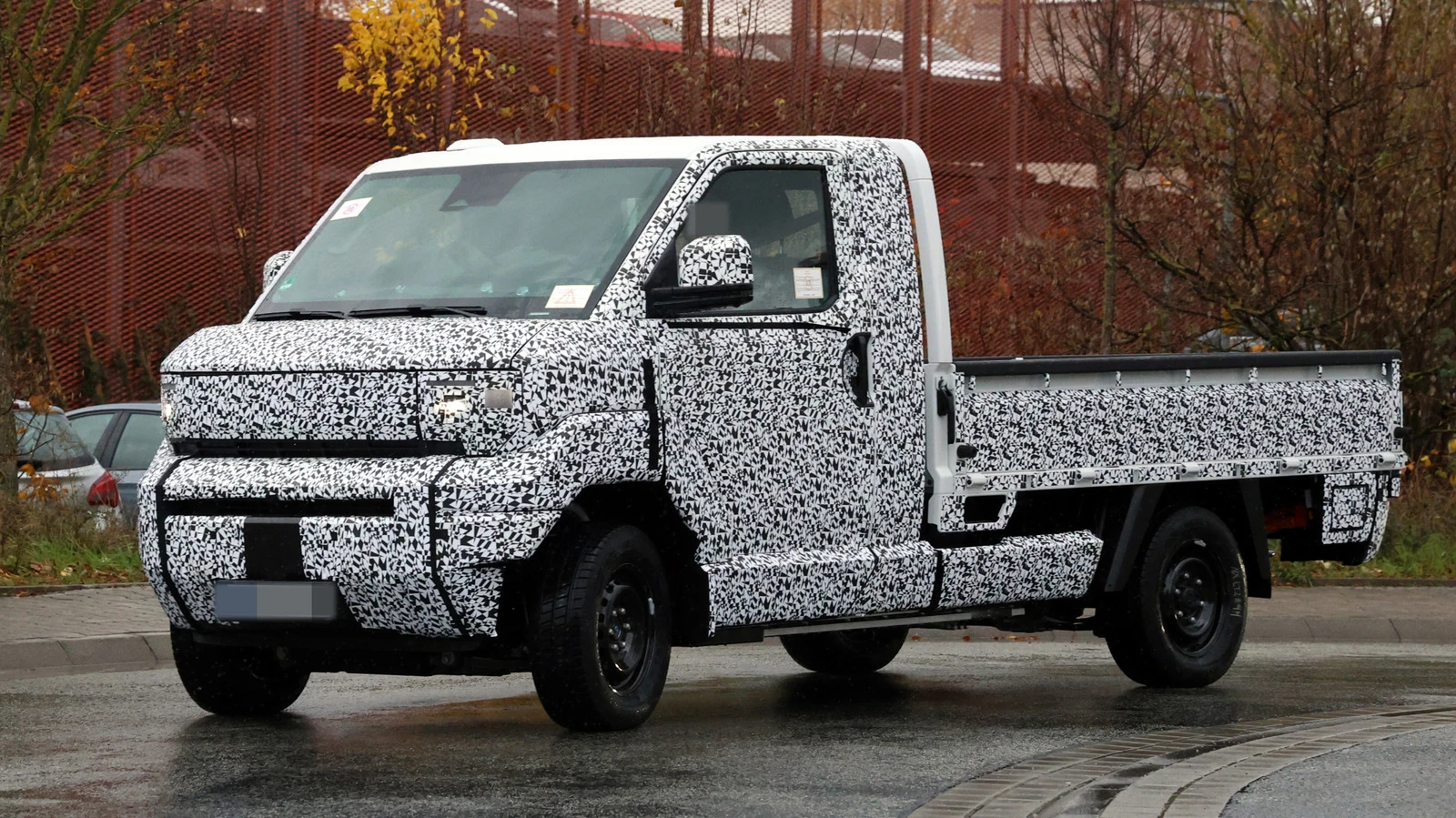
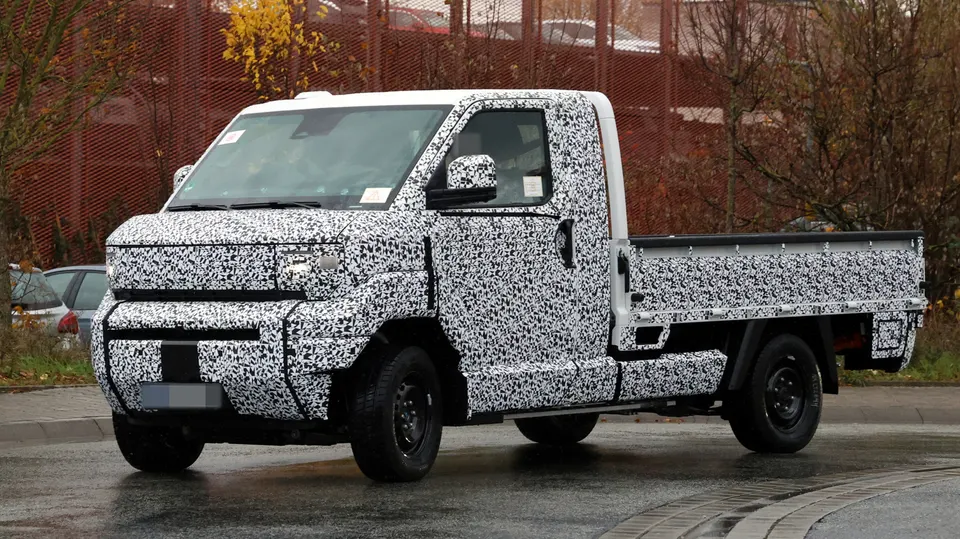
Hyundai's next-generation Porter has been spied with only light camouflage, revealing a cab-back design that replaces the flat-fronted cab-over layout the small pickup has used since 1977. The fifth-generation truck is expected to debut in 2027, according to Carscoops, and the prototype shows no tailpipes below the bed's tailgate.

The Porter is a familiar sight in South Korea and Asia, where it has been used for urban deliveries since 1977, but it is not sold in the US or Europe. The current fourth-generation model launched in 2004, making the replacement long overdue.

A new layout for crash safety

The current Porter places the driver's feet ahead of the front wheels, which is good for urban agility and space efficiency but leaves little crumple zone in a head-on collision. The new truck has a short hood and a cab pushed behind the front axle line to improve crash protection.

That change is likely to bring a longer wheelbase and a larger turning radius unless Hyundai's engineers have found a workaround, Carscoops notes. The squared-off front end and angular fender extensions also bring the Porter into line with the boxy styling of the latest Tucson and Santa Fe SUVs.

Spy shots show the next-generation Porter's cab-back layout wrapped in camouflage, hinting at a redesigned crash structure.
Spy shots show the next-generation Porter's cab-back layout wrapped in camouflage, hinting at a redesigned crash structure., Image: Carscoops

Electric powertrain details remain unconfirmed

Hyundai has not announced the battery size, range or power output for the new Porter. The electric powertrain continues what the Porter II Electric started in 2019, and spy photographers previously caught a Porter prototype plugged into an EV charger.

Carscoops suggests Hyundai could borrow hardware from the chassis-cab version of Kia's PV5 van, which uses the Hyundai Group's E-GMP.S commercial vehicle platform and is offered with 51.5 kWh and 71.2 kWh batteries. Some reports also say Hyundai is planning an LPG variant as an alternative to a gasoline engine.

Pricing and markets still to be confirmed

Hyundai has not announced pricing for the new Porter. The truck is expected to go on sale in South Korea and other Asian markets, where the current model is sold, but a European launch is only under consideration and a North American launch is considered very unlikely.

The Porter's shift to a cab-back layout is the biggest change in five decades, and it addresses a long-standing safety weakness in a vehicle that has been a workhorse for small businesses across Asia. The electric version's success will depend on whether Hyundai can keep the price and payload competitive with the diesel models that dominate the segment, but those figures have not been released.

Open this article ↗

Keep scrolling to read the next story.

Older articles →