Electric car sales in the United States rose 6.1% in the third quarter of 2026 compared with the quarter before, reaching their highest volume in a year, according to Cox Automotive. The quarter's total of almost 263,000 EVs is still well short of the record 437,000-plus sold in Q3 2025, when buyers rushed to dealerships to beat the expiry of the federal EV tax credit.
Cox Automotive's director of Industry Insights, Stephanie Valdez Streaty, said the market is finding its footing again and that the reset phase after the credit's removal is largely behind us.
The shape of the recovery tells the story. Q3 2025 was a record-shattering quarter because would-be customers hurried to buy before the federal EV tax rebates were axed, announced in 2025. Sales then dropped significantly, and the 6.1% quarter-on-quarter improvement in Q3 2026 is the first sign of a genuine rebound rather than a hangover.
That matters because it suggests demand did not collapse once the subsidy went away, it simply reset to a lower base. The gap between 437,000 and 263,000 units is still enormous, though, and Cox's own framing makes clear nobody expects last year's figures to return anytime soon.
Toyota, Lexus and Rivian bucked the decline
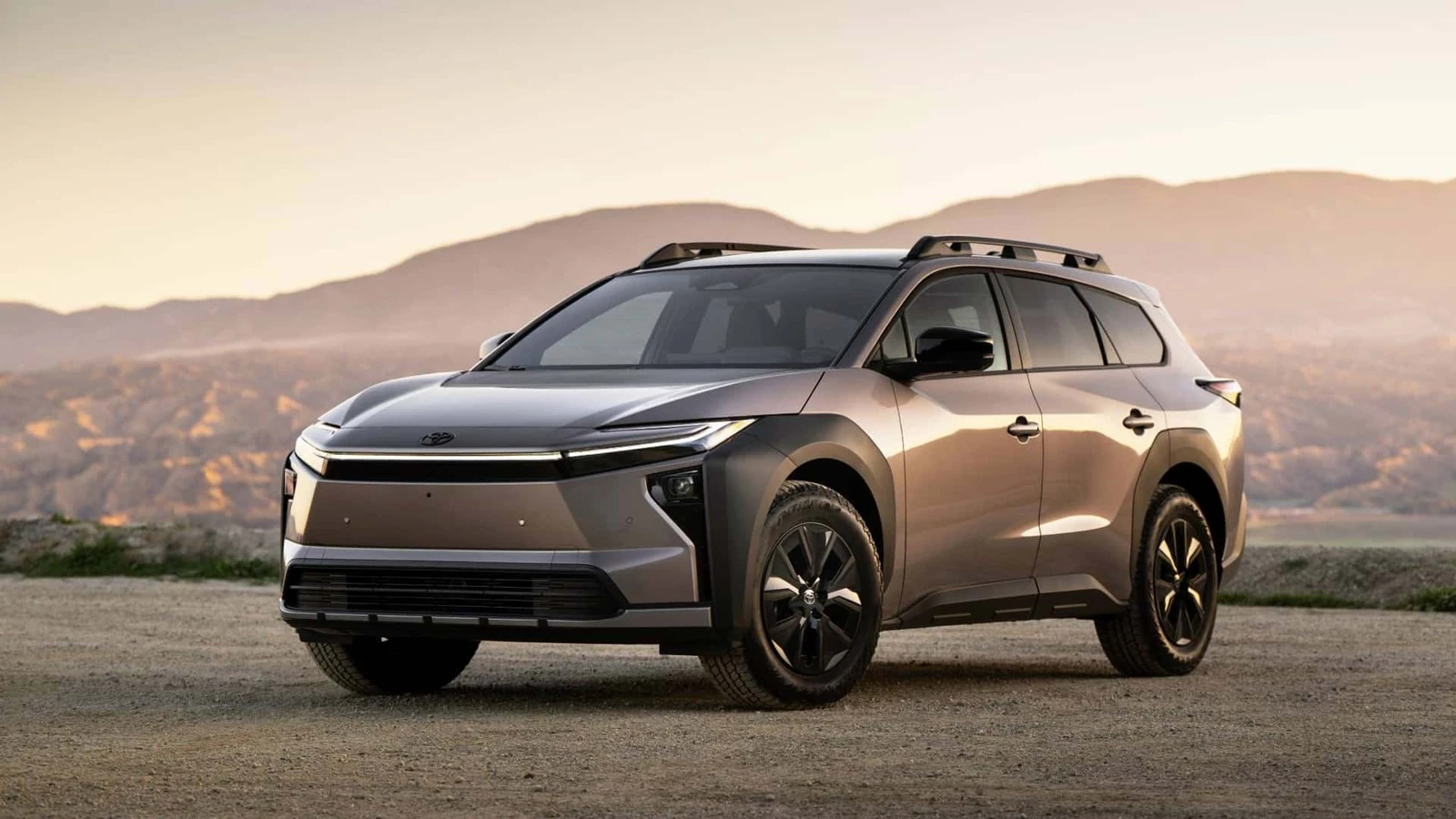
Most brands saw EV sales fall year on year, but a few grew. Toyota sold five times more EVs in Q3 2026 than in the same quarter of 2025, Lexus posted similar growth and Rivian's sales rose 46%.
All three benefited from new models, which explains why they are the outliers while the wider market shrank against a inflated comparison period.
The lesson for buyers is that product, not policy, is doing the work now. Brands launching the right EVs are growing even without a federal cheque behind the sale, which is a cleaner signal of real demand than last year's credit-fuelled spike ever was.