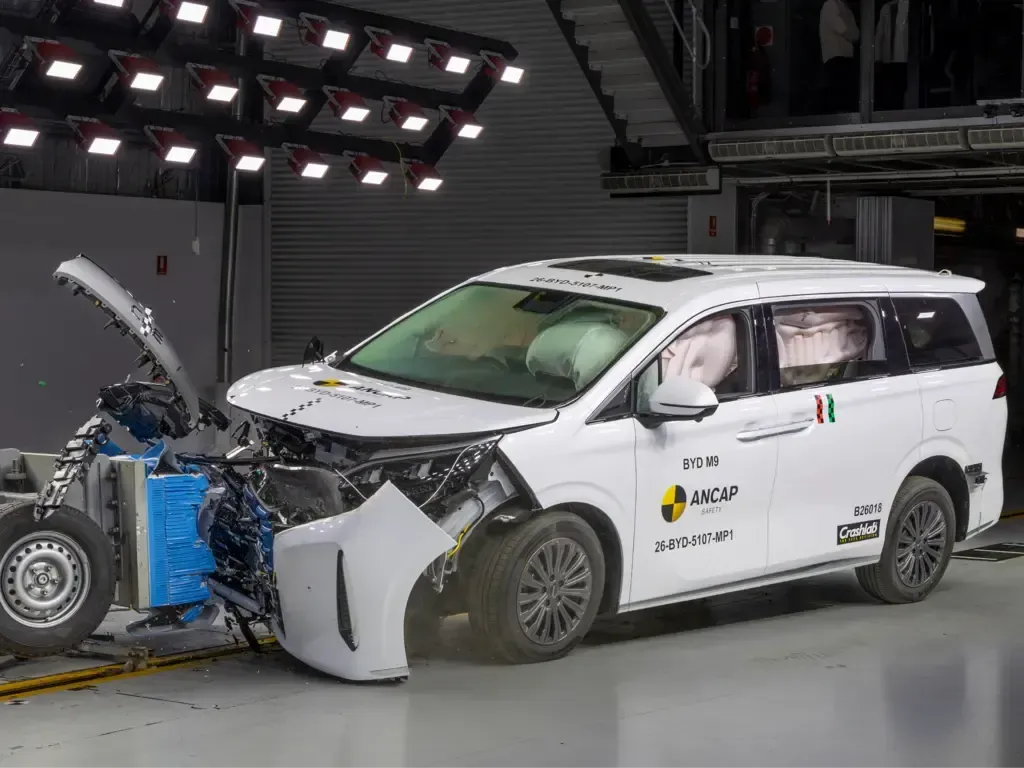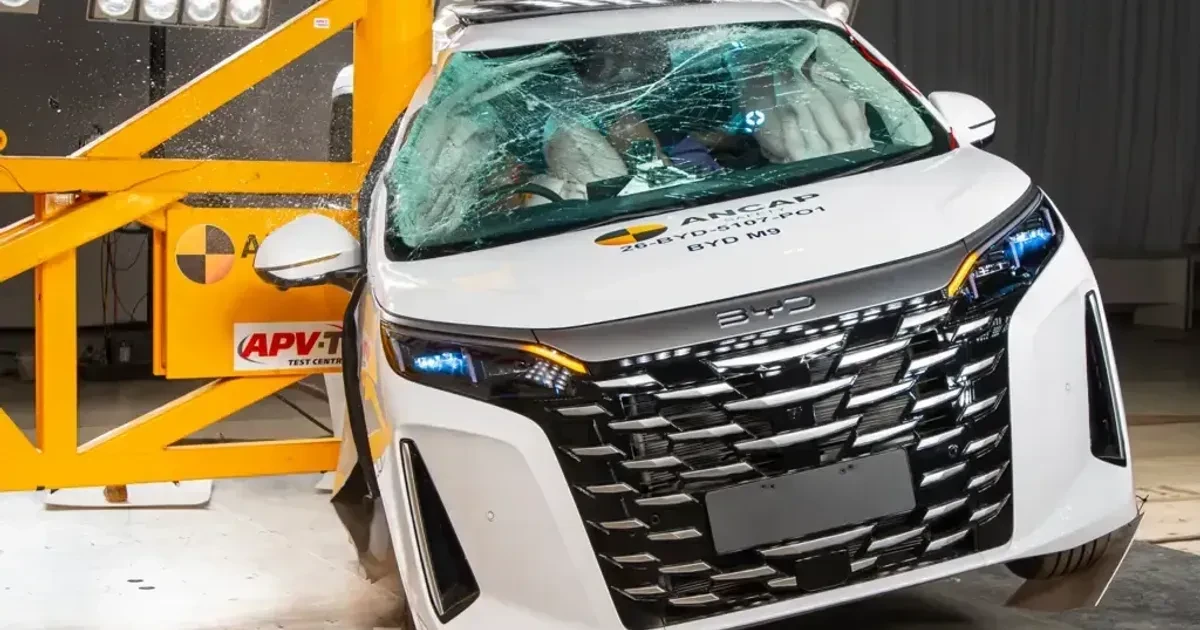
Three electrified models from China have earned the maximum five-star ANCAP safety rating, but two of them lost points for making drivers use the touchscreen for too many everyday controls. The GAC Aion UT electric hatch, BYD M9 plug-in hybrid people mover and Xpeng X9 electric people mover all received five stars, with ANCAP singling out the Aion UT and X9 for their reliance on screen-based interfaces for key driving functions.
"We want to see carmakers bring back buttons for the functions drivers use every day," said ANCAP chief executive Carla Hoorweg, adding that adjusting wipers, switching on headlights or clearing a fogged-up windscreen should be achievable without taking attention off the road.
How the three scored
The Aion UT, a fully electric hatch launched in Australia earlier this year, recorded 68 per cent for Safe Driving, 74 per cent for Crash Avoidance, 90 per cent for Crash Protection and 88 per cent for Post Crash. ANCAP praised its frontal offset and full-width frontal crash results and called it a particularly strong performer in side-impact testing, where it scored the maximum for driver protection. Points came off for the number of commonly used functions accessible only through the touchscreen, and for an adaptive cruise control system that does not adapt to roundabouts and intersections.
The BYD M9, a luxury plug-in Super Hybrid people mover, scored 75 per cent for Safe Driving, 78 per cent for Crash Avoidance, 89 per cent for Crash Protection and a perfect 100 per cent for Post Crash. ANCAP described its post-collision safety features, including eCall and multi-collision braking, as being of a high standard.
The Xpeng X9, a direct rival to the M9, managed 56 per cent for Safe Driving, 82 per cent for Crash Avoidance, 91 per cent for Crash Protection and 91 per cent for Post Crash. It achieved very high scores in frontal, side and rear-impact crash tests, including maximum scores for the driver, passengers and child occupants in both frontal tests. Like the Aion UT, it was penalised for relying too heavily on screen interaction for some key driving controls, which ANCAP said could increase driver distraction.
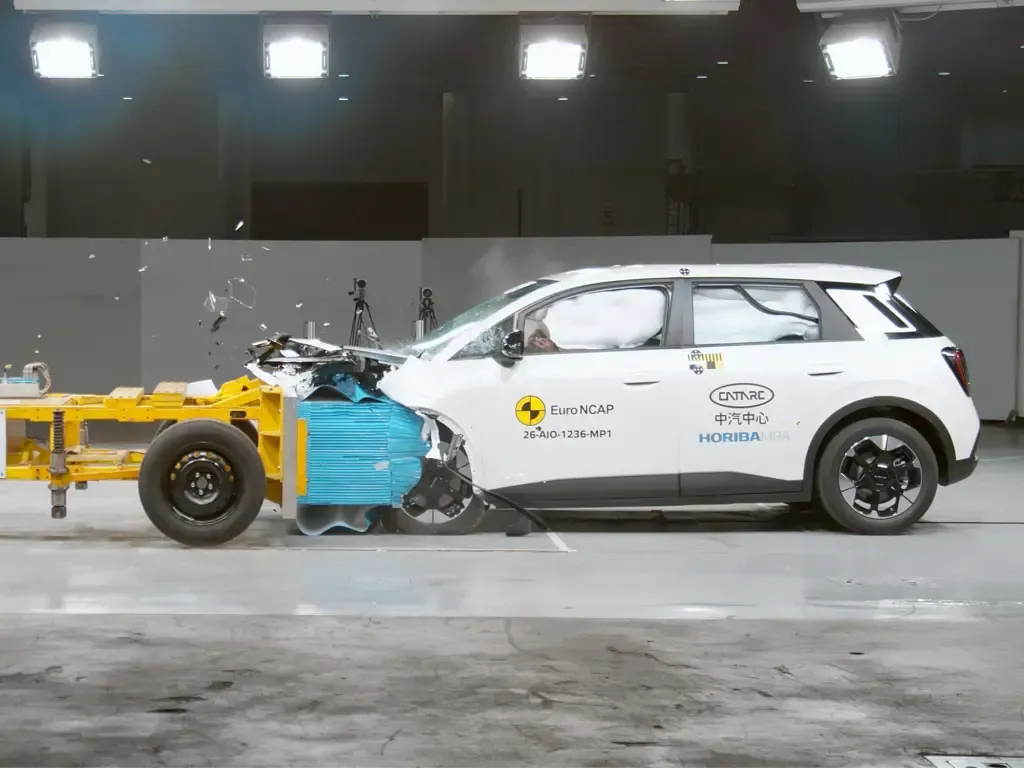
Why the screen criticism matters
The pattern across these ratings is that crash protection is no longer where Chinese EVs and hybrids lose marks. All three scored 89 per cent or higher for Crash Protection, and the X9's 91 per cent Post Crash result shows occupant safety after an impact is largely solved at this price point. The differentiator is now the driver interface, and that is where two of the three fell down.
The Safe Driving component is where the touchscreen complaints landed hardest: 56 per cent for the X9 and 68 per cent for the Aion UT, against 75 per cent for the BYD M9. For buyers, that gap is a practical argument for physically checking how wipers, lights and climate controls work before signing for either car, not just the crash test brochure figures.
Whether ANCAP will hard-wire button requirements into future protocols hasn't been announced; the current criticism sits within the existing Safe Driving scoring.