The number of public fast-charging ports in the United States has passed 80,000 for the first time, even as the pace of new installations slowed. The country added 4,106 ports across 664 stations in the third quarter of 2026, a 12% drop in ports and a 20% drop in stations compared with the same period last year, according to charging data platform Paren.
The slowdown tracks with cooling electric vehicle sales after the US government rolled back EV-friendly policies. Networks are still expanding, though, and betting on higher-powered hardware to position themselves for a rebound in demand.
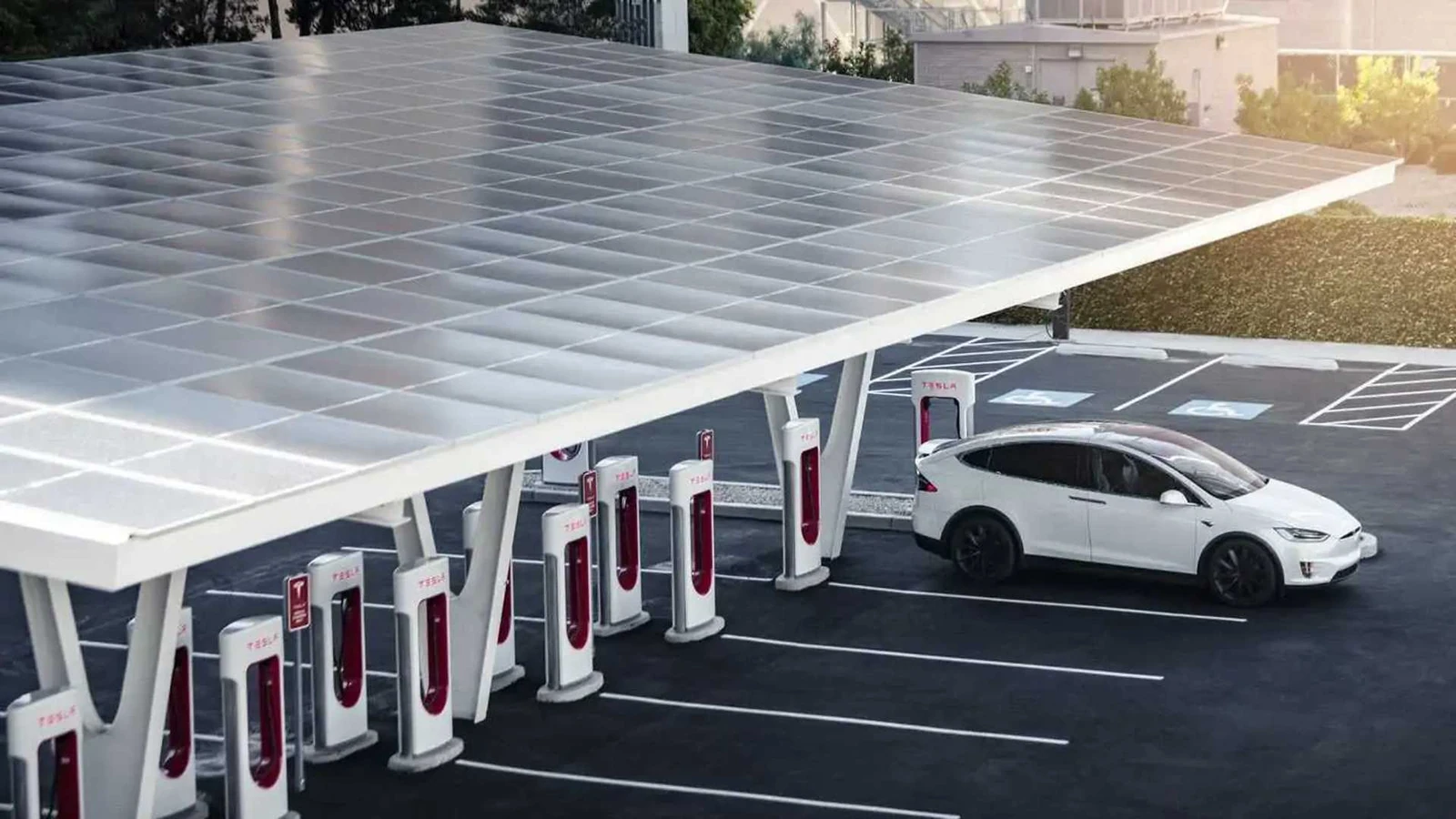
Tesla remained the largest single contributor to new fast-charging capacity in the quarter despite adding 1,287 ports between July and September, 533 fewer than a year earlier. The company partly offset that decline with 124 ports from Superchargers sold to third-party businesses, a newer line of business for the automaker.
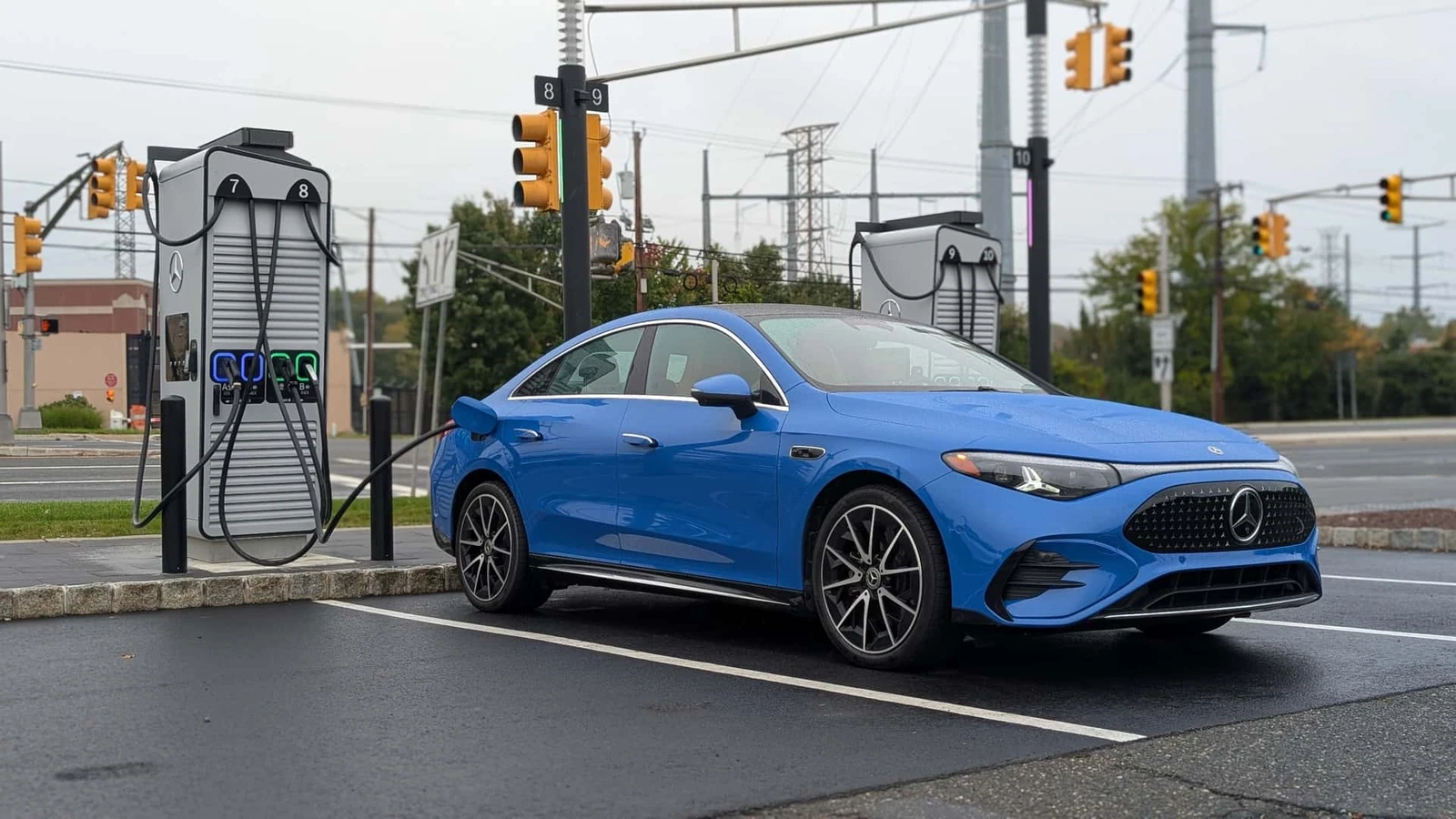
Ionna, the automaker-backed consortium targeting 30,000 fast chargers in North America by the end of the decade, ranked second after nearly tripling its year-over-year rollout with 378 new ports. Walmart came third with 344.
The geographic picture is narrow. California led with 87 new stations, followed by Texas with 66 and North Carolina and Georgia with 26 each. Still, 42% of all new openings were concentrated in just five states: California, Texas, Florida, Illinois and New York.
At metro level, Dallas-Fort Worth and Houston saw the largest increases, followed by Oklahoma City and Kansas City. Rural areas accounted for just 10% of new ports, a gap that matters because long distances between chargers are precisely what makes EV ownership hardest outside cities. No timeline for closing that rural gap has been announced; the Q3 data simply confirms the imbalance persists.
Faster hardware becomes the default
The more striking shift is in power levels. Some 73% of ports added in the quarter can deliver at least 250 kW, up from 60% a year earlier, and 400 kW has become the most common specification for new installations, according to Paren.
Tesla is scaling its V4 cabinets, which can deliver 500 kW: the company now has 42 locations and 487 ports at that level.
That hardware wave arrives alongside a growing crop of EVs built to use it. The Lucid Gravity, Porsche Cayenne Electric and BMW iX3 all peak at 400 kW charging rates, while the Mercedes-Benz GLC and Volvo EX60 top out around 370 kW. Tesla Cybertruck owners have reported 500 kW sessions on the new V4 Superchargers. Actual speeds depend on battery temperature and state of charge, so peak figures only tell part of the story.
Cheaper models benefit too. The Rivian R2 and the 800-volt Hyundai Ioniq 5 and Kia EV6 can all take advantage of the higher-powered stations.
Record usage despite the slowdown
Drivers are using the network in record numbers. July saw 17.6 million public fast-charging sessions nationwide, a monthly record set during the summer travel surge.
That combination, fewer new ports but record usage and faster hardware, suggests the market is consolidating around quality over quantity. For drivers, the practical effect is that charging stops on major corridors should keep getting shorter, even while coverage in less densely populated areas lags behind.